Jump Start Your Lawn Mower Battery: Complete Guide
Master safe techniques to revive your lawn mower battery using a car, charger, or booster pack for uninterrupted mowing season.
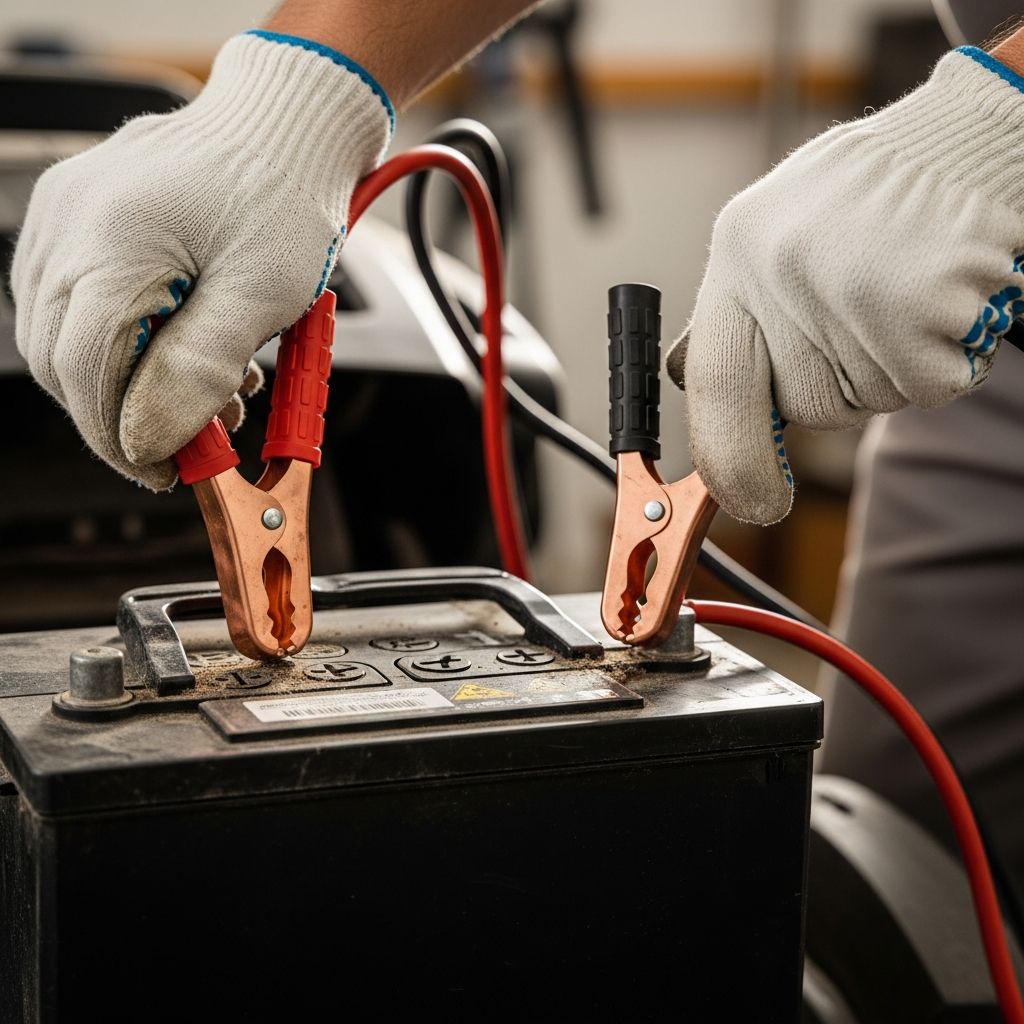
Dead batteries can halt your lawn mowing plans unexpectedly, but knowing how to jump start your lawn mower battery restores power quickly. This guide covers essential techniques, safety measures, and long-term care to ensure your equipment performs reliably during peak seasons.
Understanding Lawn Mower Battery Basics
Lawn mowers, especially riding models, rely on 12-volt lead-acid batteries similar to car batteries, though some older units use 6-volt systems. These batteries power the starter motor and electrical components. Over time, they discharge due to infrequent use, cold weather, or sulfation buildup, leading to failure when you need them most.
Before attempting a jump, verify the issue: low fuel or oil won’t produce a click from the solenoid, unlike a drained battery. Consult your owner’s manual for battery specs, as mismatched voltage can damage the mower’s charging system.
Essential Tools and Safety Gear
Gathering the right equipment prevents mishaps and ensures success. Key items include:
- Jumper cables with heavy-gauge wire (10-gauge or thicker) and strong clamps.
- Wire brush and baking soda for cleaning corroded terminals.
- Safety goggles and leather gloves to shield against acid splashes and sparks.
- Distilled water for maintenance on non-sealed batteries.
- Multimeter to test voltage (healthy battery reads 12.6V+).
Work in a well-ventilated area away from flames, as batteries emit hydrogen gas that can ignite explosively. Never smoke or create sparks near the battery.
Step-by-Step: Jump Starting with a Car Battery
The most common method uses a running vehicle’s alternator to recharge the mower’s battery. Position the car close to the mower with engines off initially.
- Clean terminals: Sprinkle baking soda on terminals, scrub with a wire brush, and rinse with water. Dry thoroughly to remove corrosion that blocks current flow.
- Identify terminals: Positive (+) is red or marked ‘+’; negative (-) is black or ‘-‘.
- Connect red cable: Clamp one end to mower’s positive terminal, then the other to car’s positive terminal. Avoid metal contact.
- Connect black cable: Clamp to car’s negative terminal, then ground the other end to an unpainted mower engine block spot, away from battery and fuel lines to minimize spark risk.
- Start the car: Let it idle for 2-5 minutes to transfer charge.
- Crank the mower: Attempt to start. If it fails, wait longer and retry. Run both engines for 30 minutes post-start to recharge.
- Disconnect safely: Remove black mower ground first, then car’s black, car’s red, mower’s red. Never let clamps touch.
| Connection Order | Step | Purpose |
|---|---|---|
| 1. Red to mower + | Positive first | Builds safe circuit |
| 2. Red to car + | Link power sources | Transfers charge |
| 3. Black to car – | Good battery ground | Completes path |
| 4. Black to mower frame | Remote ground | Avoids gas explosion |
Alternative: Using a Battery Charger
For safer, repeated use, a dedicated 12V charger (2-10 amps) is ideal over jumping, which stresses the mower’s rectifier.
- Locate battery under seat or hood.
- Match charger to battery type (lead-acid, AGM).
- Connect positive first, then negative; plug into outlet.
- Charge 1-4 hours until full (LED indicator or 12.6V reading). Unplug charger first, remove negative clamp.
For electric mowers, remove packs and use manufacturer chargers. Avoid overcharging, which boils electrolyte.
Safety Protocols to Prevent Accidents
Batteries pose risks: acid burns, explosions, and electrical shocks. Always:
- Wear protective gear.
- Ensure engines are off during connections.
- Ground negative away from battery vents.
- Check for cracks or leaks; replace damaged batteries immediately.
- For under-seat batteries, disable safety switches if needed per manual.
6V systems require chargers only—no jumping.
Troubleshooting Common Issues
If jumping fails:
- No crank: Faulty starter or solenoid.
- Starts then dies: Weak alternator; test output.
- Sparks excessively: Loose connections or short circuit.
Test battery post-jump: Below 12.4V needs replacement. Clean vents and check fluid levels monthly.
Preventive Maintenance for Longevity
Extend battery life with routine care:
- Monthly checks: Inspect terminals, top off distilled water.
- Storage prep: Fully charge, trickle charge monthly in off-season.
- Secure hold-downs: Vibration kills batteries.
- Avoid deep discharge: Start mower biweekly.
Premature failures stem from sulfation, undercharging, or heat. Use smart chargers for maintenance.
FAQs
Can I jump a lawn mower with any car?
Yes, if both are 12V. Avoid trucks with higher voltage; test car battery health first.
How long to charge after jumping?
Run mower 30+ minutes or use charger 1-4 hours for full recharge.
What if my mower has a 6V battery?
Use a charger only; jumping risks damage. Confirm via manual.
Is jumping bad for the mower long-term?
Occasional use is fine, but prefer chargers to avoid charging system strain.
Can I jump an electric mower battery?
Typically no; use specific pack chargers after removal.
Advanced Tips for Riding Mowers
Riding mowers with under-seat batteries may need seat removal or switch bypass. Multiple batteries in series require balanced charging. Invest in a booster pack for portability.
Regular voltage monitoring prevents surprises. A healthy battery ensures quick starts, saving time and frustration.
References
- How To Jump Start Lawnmower Battery — Northeast Battery. Accessed 2026. https://northeastbattery.com/how-to-jump-start-lawnmower-battery/
- How to Charge A Lawn Mower Battery [Ultimate Guide] — Jackery. 2024. https://www.jackery.com/blogs/knowledge/how-to-charge-a-lawn-mower-battery
- Jump Starting a Riding Lawn Mower – YouTube — Sears PartsDirect. Accessed 2026. https://www.youtube.com/watch?v=b46_XgKjA_s
- How to Jump Start a Riding Lawn Mower with your Car * Safely – YouTube — YouTube. Accessed 2026. https://www.youtube.com/watch?v=-CK4i0zpgyw
Similar Articles



Read full bio of Sneha Tete