Water Softener Maintenance: Complete Homeowner Guide
Essential maintenance tips to ensure your water softener operates efficiently and lasts longer.
Keep Your Water Softener Healthy: A Complete Maintenance Guide
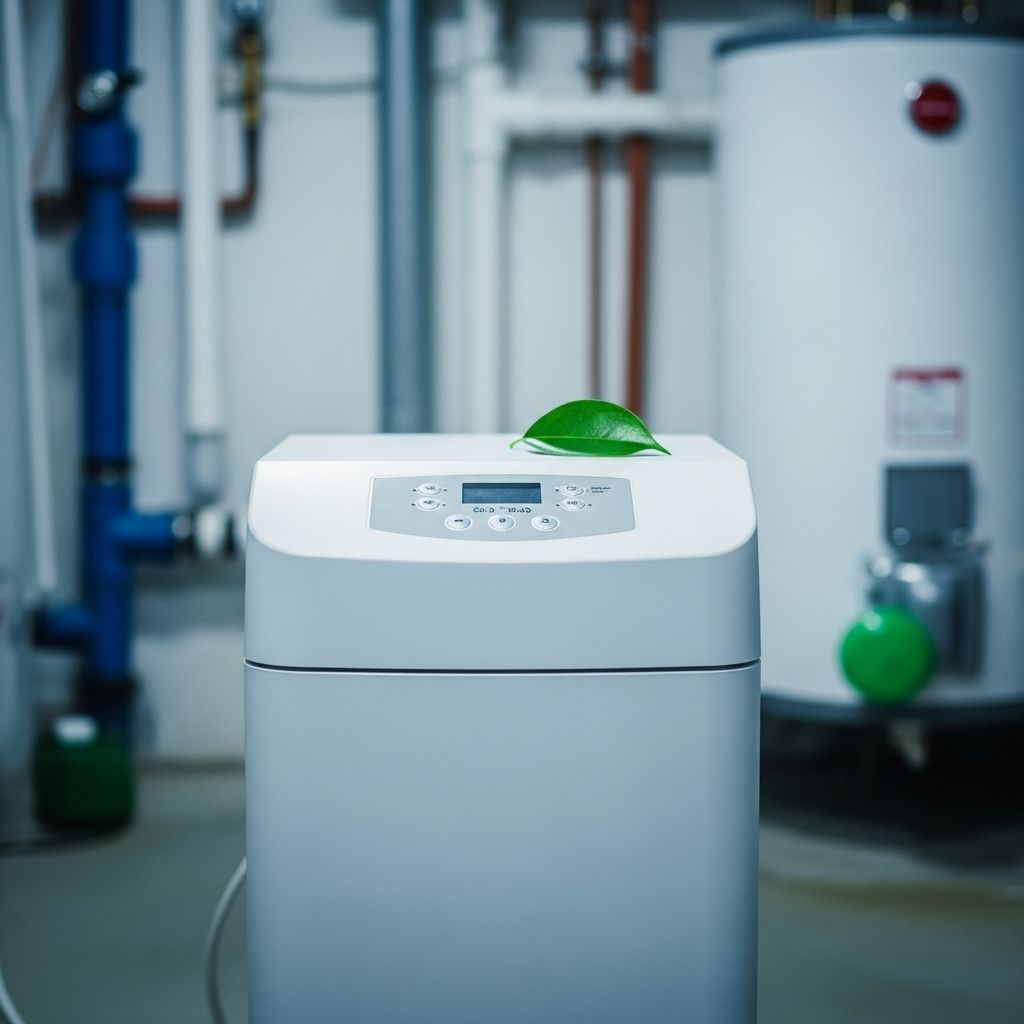
A water softener is an invaluable appliance that protects your plumbing system and extends the life of your appliances by removing harmful minerals like calcium and magnesium from your tap water. However, like any mechanical system, a water softener requires regular maintenance to function optimally and avoid costly repairs. Understanding how to keep your water softener healthy is essential for homeowners who want to maximize their investment and ensure a consistent supply of soft water throughout their homes.
Proper maintenance of your water softener doesn’t require specialized knowledge or expensive professional services every time an issue arises. By following a few straightforward maintenance steps and understanding the basics of how your system works, you can significantly extend its lifespan and maintain peak performance. This comprehensive guide will walk you through the essential practices that will keep your water softener running smoothly for years to come.
Understanding Your Water Softener System
Before diving into maintenance, it’s important to understand the basic components and operation of your water softener. The system works by drawing hard water through a mineral tank containing resin beads. These beads are charged with sodium ions and attract the calcium and magnesium ions in hard water. As the water passes through the resin, the hardness minerals attach to the beads while sodium ions are released into the water, effectively softening it.
When the resin beads become saturated with minerals, they lose their effectiveness. To restore their softening capacity, the water softener enters a regeneration cycle. During this process, a concentrated brine solution (salt and water) is flushed through the resin tank, which strips away the accumulated minerals and recharges the beads with sodium ions. Understanding this process is fundamental to maintaining your system effectively.
Regular Salt Management
One of the most critical aspects of water softener maintenance is managing the salt levels in your brine tank. The brine tank is where salt is stored and dissolved into a solution that regenerates your resin beads. Keeping your brine tank properly stocked is essential for continuous soft water production.
How Often to Add Salt
The frequency with which you need to add salt depends on several factors, including your water’s hardness level, household size, and water usage patterns. Most water softeners require salt replenishment every 4 to 6 weeks, though this can vary significantly. Monitor your salt levels regularly—ideally monthly—to develop a schedule that works for your household. Some systems have salt level indicators that make this process easier.
Choosing the Right Type of Salt
Water softener salt comes in three main forms: rock salt, solar salt, and evaporated salt. Rock salt is the most economical but contains more insoluble matter, which can lead to buildup in your brine tank. Solar salt and evaporated salt are purer options with fewer impurities, making them better choices for systems prone to salt bridges and sediment accumulation. While more expensive initially, these purer salts can reduce maintenance issues and extend your system’s life.
Salt Bridge Prevention
A salt bridge occurs when a crust of hardened salt forms over the brine solution, leaving a hollow space beneath it. This prevents the brine from contacting the resin, which stops regeneration from occurring effectively. To prevent salt bridges, ensure you’re using high-quality salt, maintain proper moisture in the brine tank, and periodically break up any crusting you notice. If a bridge forms, use a broom handle to carefully break it apart and restore contact between the salt and brine solution.
Cleaning the Resin Tank
Over time, iron and other minerals can accumulate in your resin tank, reducing its efficiency and potentially damaging the resin beads. Regular cleaning of the resin tank is an important maintenance task that can be performed by homeowners without professional help.
When to Clean the Resin Tank
The ideal time to clean your resin tank is when salt levels are running low, which means you won’t need to remove large quantities of salt from the tank during the cleaning process. If you notice reddish or brownish staining in your fixtures or a rotten egg smell from your water, these are signs that iron buildup has occurred and cleaning is needed.
Two Cleaning Methods
There are two primary approaches to cleaning your resin tank, each with its own advantages:
Method 1: Manual Tank Removal and Cleaning
The first method involves physically removing the resin tank from your water softener unit. To do this, unplug the softener, unscrew the bolts connecting the tank, and disconnect the valve. Once removed, you can clean the tank using a mixture of bleach and water, scrubbing away accumulated mineral deposits and iron buildup. After thorough cleaning and rinsing, reinstall the tank by reversing these steps. While this method is thorough, it’s more labor-intensive and may be challenging for those without plumbing experience.
Method 2: Chemical Iron Removal
The second and more common method involves using an iron-removing product specifically formulated for water softeners, which are readily available at most home improvement stores. These products chemically transform iron into a soluble state that can be easily rinsed away during the regeneration cycle. To use this method, follow the manufacturer’s instructions for the appropriate dosage, remove the control panel cover, locate the manual regeneration button, and use a screwdriver to turn it to the “Service” setting. This initiates a regeneration cycle that flushes the treated wastewater through the system, carrying away the dissolved iron.
Cleaning Other System Components
While cleaning your tank, don’t overlook the smaller components of your water softener. Remove any visible salt or iron buildup from valve stems, connectors, and other parts using an appropriate cleanser and brush. These smaller areas can accumulate debris over time and may affect system performance if not properly maintained.
Monitoring Water Quality and System Performance
Regular monitoring of your water quality and system performance helps you catch potential problems before they become serious issues. Pay attention to changes in water softness, water flow rate, or water appearance. If you notice a sudden decrease in water softness, this may indicate a regeneration problem or excessive mineral buildup that requires attention.
Water Hardness Testing
Test your water hardness periodically using inexpensive test strips available at hardware stores. If the softened water coming from your taps still feels hard or leaves mineral deposits, your system may need adjustment or cleaning. This information can help you determine the appropriate salt type and quantity for your household’s needs.
Flow Rate and Pressure
Monitor the water pressure and flow rate from your taps. A significant decrease in water pressure may indicate a clogged line, filter, or resin tank that needs cleaning. Normal water softener operation shouldn’t noticeably reduce water pressure in your home.
Scheduled Maintenance Tasks
Creating a maintenance schedule ensures that you stay on top of your water softener’s needs and catch problems early. Here are the essential maintenance tasks to perform regularly:
- Monthly: Check salt levels and add salt as needed; inspect the brine tank for bridging or buildup
- Quarterly: Test water hardness; clean the brine tank if mineral accumulation is visible
- Annually: Perform a complete system inspection; consider professional servicing if you notice any unusual sounds or leaks
- Every 3-5 Years: Have a professional inspect and clean the system thoroughly; consider replacing filters if your system includes pre-filters
Common Water Softener Problems and Solutions
Hard Water After Softening
If your water doesn’t feel soft after leaving the tap, several issues could be responsible. The most common cause is insufficient salt in the brine tank or a salt bridge preventing proper brine formation. Check salt levels first, and if adequate, investigate whether a salt bridge has formed. Another possibility is that your system needs adjustment to match your water’s actual hardness level—most systems allow you to adjust the hardness setting based on test results.
Salty Tasting Water
Water that tastes overly salty typically means too much salt is being used during regeneration. Your system may be set to regenerate too frequently or with too much brine. Consult your user manual to adjust regeneration frequency or brine strength settings.
Reduced Water Pressure
Low water pressure can result from a clogged resin tank, sediment accumulation, or problems with the system’s valve. If the pressure issue affects only softened water but not unsoftened water, the problem likely lies within the softener itself. Cleaning the resin tank usually resolves this issue.
Unusual Noises or Leaks
Strange noises during regeneration cycles or visible leaks are signs that professional inspection is needed. These may indicate worn internal components, valve problems, or loose connections that require expert diagnosis and repair.
When to Call a Professional
While many maintenance tasks can be handled by homeowners, certain situations warrant professional service. Contact a qualified water softener technician if you notice persistent problems that basic maintenance doesn’t resolve, observe unexplained leaks, hear unusual noises during operation, or if your system isn’t producing adequately softened water despite proper salt levels and recent cleaning.
Professional servicing typically includes a complete system inspection, internal valve cleaning, resin bed assessment, and any necessary repairs or component replacements. While this service costs more than DIY maintenance, it can prevent expensive emergency repairs and extend your system’s lifespan significantly.
Extending Your Water Softener’s Lifespan
Beyond regular maintenance, several practices can help extend your water softener’s operational life. Install a pre-filter to remove sediment and chlorine before water reaches your softener, which reduces strain on the system. Maintain proper water pressure to your home—excessively high pressure can damage the softener’s internal components. Keep your system away from temperature extremes, as very cold environments can affect brine formation and very hot areas can damage plastic components.
Additionally, avoid overusing your system. If you have multiple water-using appliances, consider whether all outlets truly need softened water or if you can reduce the system’s workload by isolating certain areas to unsoftened water.
Frequently Asked Questions
Q: How do I know if my water softener needs cleaning?
A: Signs include reddish or brownish staining in fixtures, a rotten egg smell from water, or a noticeable decrease in water softness despite adequate salt levels.
Q: Can I clean my water softener myself?
A: Yes, basic maintenance like salt management and using chemical iron removers is DIY-friendly. However, if you’re uncomfortable with plumbing tasks, professional cleaning is available.
Q: What type of salt is best for my water softener?
A: While rock salt is economical, solar and evaporated salts are purer options that create less buildup. Your water hardness and system type should guide your choice.
Q: How often should my water softener regenerate?
A: Most systems regenerate based on water hardness and usage, typically ranging from every few days to every two weeks. Your system settings should be adjusted to match your household’s needs.
Q: Is professional maintenance necessary?
A: While basic homeowner maintenance can keep your system running, professional servicing every 3-5 years helps identify potential problems early and extends system lifespan.
References
- How to Clean a Water Softener Resin Tank — HowStuffWorks. https://home.howstuffworks.com/home-improvement/household-hints-tips/cleaning-organizing/clean-water-softener-resin-tank.htm
Similar Articles



Read full bio of medha deb