Dust Control: Complete Home Guide To Reduce Indoor Dust
Discover effective strategies for reducing dust and improving indoor air quality in your home.
Effective Cleaning Techniques for Dust Removal
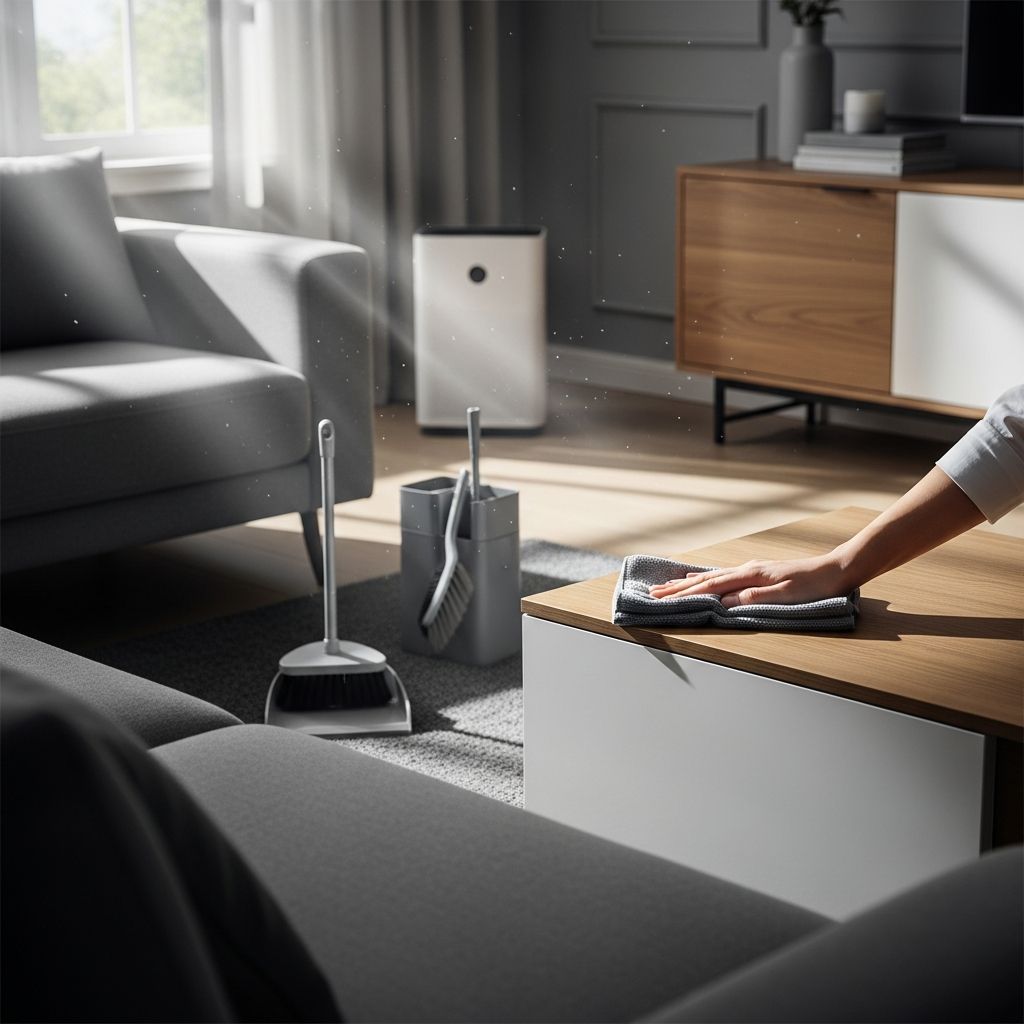
Controlling dust in your home starts with adopting the right cleaning techniques. Dust is more than just an aesthetic nuisance; it can affect your health, especially if you suffer from allergies or respiratory conditions. The most effective approach is to clean from the top down, ensuring that dust dislodged from higher surfaces is captured as you move to lower areas.
- Begin with ceiling fans, light fixtures, and the tops of cabinets or bookshelves.
- Move to furniture, windowsills, and other mid-level surfaces.
- Finish by cleaning the floors, using appropriate methods for different flooring types.
For best results, use microfiber cloths or slightly damp 100% cotton rags instead of feather dusters or dry dust cloths, which tend to scatter dust rather than collect it. For hard-to-reach areas or intricate surfaces, a clean, small, lightly moistened paintbrush can be an effective tool.
When vacuuming, use a model equipped with a HEPA (high-efficiency particulate absorbing) filter. According to the Environmental Protection Agency (EPA), HEPA filters can remove at least 99.97% of dust, pollen, mold, bacteria, and airborne particles. Remember to empty vacuum bags or canisters outside to prevent redistributing dust indoors.
Optimizing Your HVAC System for Dust Control
Your home’s heating, ventilation, and air conditioning (HVAC) system plays a crucial role in managing indoor air quality and dust levels. Proper maintenance and optimization of your HVAC system can significantly reduce dust circulation in your home.
- Replace air filters regularly with pleated filters rated for the blower capacity of your system.
- Consider upgrading to a higher-efficiency filter if dust is a persistent problem.
- Have your HVAC system professionally cleaned and inspected at least once a year.
- Seal any leaks in ductwork to prevent dust from entering the air stream.
Regularly cleaning or replacing filters and ensuring your system is functioning efficiently will help keep dust levels low and improve overall air quality.
Managing Humidity to Reduce Dust Mites
Controlling humidity levels in your home is an effective strategy for reducing dust mites, which are a common component of household dust and a significant allergen for many people. Dust mites thrive in humid environments, so maintaining proper humidity levels helps significantly with dust control.
- Keep indoor humidity between 30% and 50%, as recommended by the EPA.
- Use a hygrometer to monitor humidity levels in different areas of your home.
- In areas where humidity consistently exceeds 60%, consider using a dehumidifier to reduce moisture levels.
- Place dehumidifiers in problem areas such as basements, bathrooms, or bedrooms with high humidity.
- Empty and clean the dehumidifier regularly according to the manufacturer’s instructions to prevent mold growth.
- For whole-house humidity control, consider a central dehumidifier that works in conjunction with your HVAC system.
Bedroom Dust Control
Bedrooms are particularly important for dust control, as we spend a significant amount of time there. Implementing a few simple strategies can make a big difference.
- Wash bedding weekly in hot water (at least 120°F) to eliminate dust mites.
- Use allergy-reducing mattresses and pillow covers designed to guard against dust mites.
- Regularly vacuum under the bed and other furniture.
- Consider using bed risers to make cleaning under the bed easier.
- Keep closet doors closed to prevent dust from settling on clothing.
- Store out-of-season clothes in sealed containers.
Living Room and Common Areas
In living rooms and other common areas, focus on regular dusting of surfaces and vacuuming of upholstered furniture. These areas tend to accumulate dust due to frequent use and the presence of fabrics.
- Use the attachments on your vacuum cleaner to clean curtains, lampshades, and other fabric surfaces that can harbor dust.
- Consider using washable slipcovers on sofas and chairs for easier cleaning.
- Dust electronics regularly, as they tend to attract particles due to static electricity.
- Don’t forget to clean ceiling fans and light fixtures, which can accumulate dust and distribute it around the room when in use.
DIY Dust-Repelling Sprays
You can create simple, natural dust-repelling sprays using common household ingredients. These sprays can help keep surfaces dust-free for longer periods.
- Combine equal parts water and white vinegar with a few drops of lemon essential oil. Spray on surfaces after dusting to help repel future dust accumulation.
- Use a mixture of olive oil and lemon juice, which can be applied to wood surfaces to both clean and protect against dust.
Our Conclusion
Keeping dust under control in your home requires a multifaceted approach that combines prevention, regular cleaning, and smart home management strategies. By implementing the tips outlined in this article, from optimizing your HVAC system and managing humidity to choosing dust-resistant furnishings and employing natural cleaning methods, you can significantly reduce dust accumulation and improve your home’s air quality.
FAQs
Q: How often should I clean my home to keep dust under control?
A: For most homes, weekly cleaning is sufficient. Focus on high-traffic areas and surfaces that accumulate dust quickly, such as floors, furniture, and electronics.
Q: What is the best way to clean hard-to-reach areas?
A: Use a clean, small, lightly moistened paintbrush or a microfiber cloth to gently remove dust from intricate surfaces and hard-to-reach areas.
Q: Can air purifiers help reduce dust in my home?
A: Yes, air purifiers with HEPA filters can help capture airborne dust particles and improve indoor air quality.
Q: How can I reduce dust mites in my home?
A: Wash bedding weekly in hot water, use allergy-reducing mattress and pillow covers, and maintain indoor humidity between 30% and 50%.
Q: Are there any natural ways to repel dust?
A: Yes, you can create DIY dust-repelling sprays using water, white vinegar, and lemon essential oil, or olive oil and lemon juice for wood surfaces.
References
- Keeping Dust Under Control in Your Home — This Old House. 2023. https://www.thisoldhouse.com/cleaning/23344393/keeping-dust-under-control
- Indoor Air Quality and Dust Control — Environmental Protection Agency. 2023. https://www.epa.gov/indoor-air-quality-iaq
- HEPA Filters and Air Purifiers — Consumer Reports. 2023. https://www.consumerreports.org/appliances/indoor-air-quality/the-danger-in-your-dust-a2604125005/
Similar Articles



Read full bio of medha deb