Keter Storage Sheds: An In-Depth, Real-World Buyer’s Guide
Everything you need to know before trusting a Keter shed with your outdoor storage.
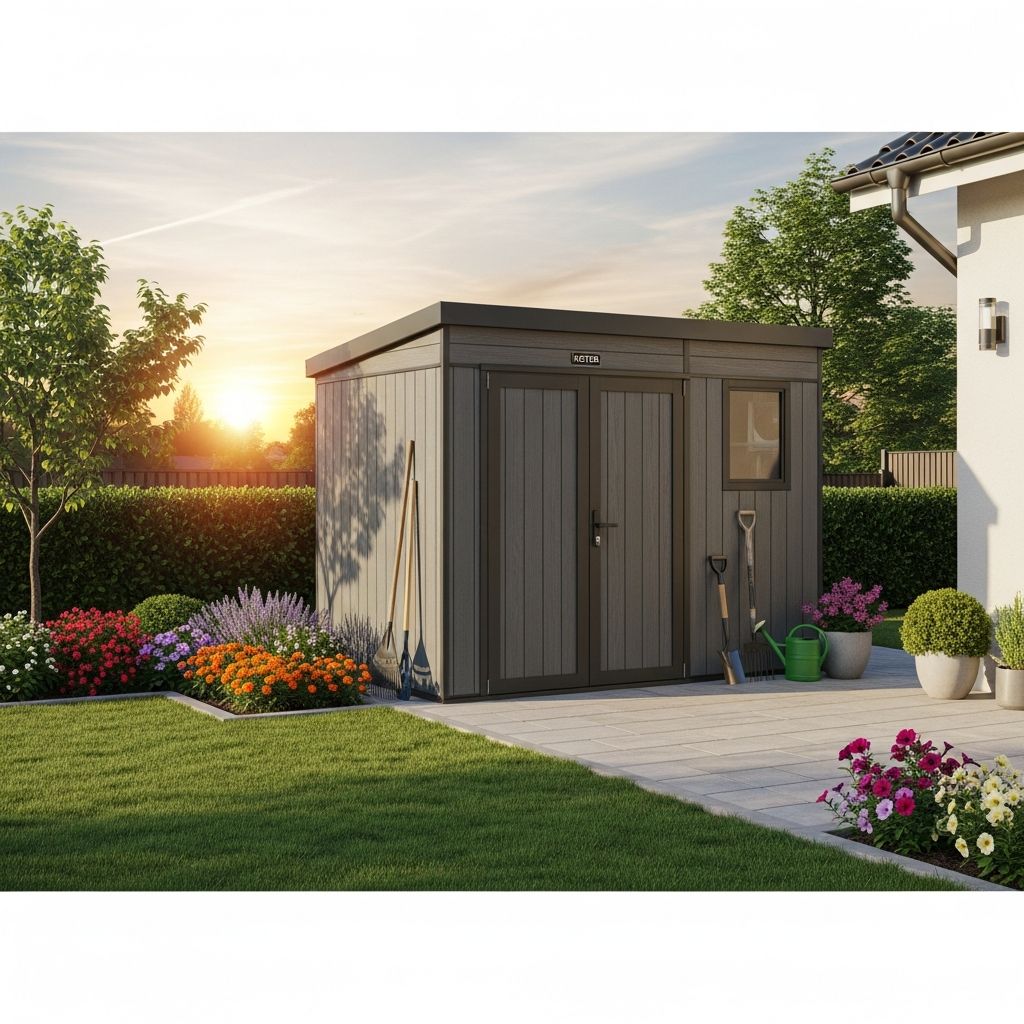
Keter Storage Sheds for Real Backyards: What to Know Before You Buy
If your garage is overflowing with lawn tools, recycling bins, and seasonal gear, a Keter storage shed can be an efficient way to reclaim space without committing to a permanent structure. This guide walks through how these resin sheds work, what they do well, what they do not, and how to decide if one fits your home and budget.
Why Outdoor Storage Sheds Matter
Outdoor storage sheds have become a staple of modern yards because homeowners own more equipment than ever but rarely gain extra indoor space. A shed gives rakes, hoses, cushions, and power tools a dedicated home, keeping weather-sensitive gear off the lawn and out of the living room. With a well-planned shed, you can stop playing Tetris with totes in the garage and still access what you need quickly.
The key benefit is not just square footage but organization. Vertical walls and built-in floors allow shelves, hooks, and bins to work together, so you can separate dirty or sharp items from kids’ toys, keep fuel away from fertilizer, and avoid stepping over clutter every time you mow the lawn.
What Makes Keter Sheds Different
Keter is best known for its resin construction, which replaces traditional wood or metal with molded plastic panels reinforced where needed. This design resists rot and rust and does not require repainting, making it popular for homeowners who want a “set it and forget it” storage option. Many models include integrated floors, textured wall panels that mimic wood, and lids or doors supported by pneumatic pistons or metal frames.
Compared to many no-name plastic sheds, Keter products typically emphasize consumer-friendly assembly, with interlocking panels and hardware that can go together with basic tools. Some models aim to blend into small yards with horizontal, low-profile designs, while others are tall, walk-in structures intended to replace a small outbuilding.
Resin vs. Wood vs. Metal: Material Showdown
Before choosing any shed, it helps to compare materials. Each option comes with tradeoffs in cost, appearance, and maintenance, and Keter’s resin sits in the middle of this spectrum.
| Material | Strengths | Weaknesses | Best For |
|---|---|---|---|
| Resin (like Keter) | Low maintenance; resists rot and rust; lightweight panels; often includes floor. | Less rigid than quality wood or thick steel; can feel flexible; limited structural modifications. | Homeowners who want simple, weather-resistant storage with minimal upkeep. |
| Wood | Classic look; easy to customize; strong framing; supports heavy hanging storage. | Needs painting or staining; susceptible to rot, insects, and warping; heavier build. | Long-term installations where appearance and custom layout matter. |
| Metal | Rigid panels; good for large footprints; fire-resistant; thin walls can be inexpensive. | May rust or dent; can be noisy; often lacks built-in floor; edges can be sharp. | Budget-conscious buyers needing basic coverage for tools or equipment. |
Resin sheds like those from Keter land in a sweet spot for ease of ownership: they do not demand paint, do not rot in damp climates, and generally stay looking presentable with an occasional hose-down. The tradeoff is that the walls behave more like durable plastic furniture than framed construction, so expectations around structural rigidity should align with the category.
For most suburban yards, a resin shed offers enough strength for garden tools, trash bins, bicycles, and cushions, as long as the shed is placed on a solid, level base and not overloaded with dense, stacked materials against thin wall panels.
Key Features You’ll Find on Keter Sheds
While each model varies in size and layout, many Keter sheds share a similar set of design elements. Understanding these common features helps you decode product listings and decide what matters for your yard.
- Integrated floor panels: Most Keter sheds include a molded floor, which elevates contents above damp ground and creates a continuous surface that helps keep out rodents and debris.
- Double-wall resin panels: Many models use hollow, double-layer walls that trap air and add rigidity, giving the structure more stability than a single thin sheet of plastic.
- Steel reinforcement: Roof beams or door frames are often backed with metal pieces, improving load-bearing capacity and helping the shed resist sagging over time.
- Wide doors or hinged lids: Horizontal sheds usually combine dual front doors with a top lid, while vertical sheds prioritize tall double doors you can walk through or roll equipment into.
- Ventilation and light: Small vents near the roofline, and sometimes windows or skylights, help reduce condensation and keep interiors more pleasant to use.
- Lock-ready hardware: Most doors and lids include metal hasps or latch cutouts that accept a padlock, giving you basic security when the shed is closed.
These features collectively make Keter sheds appealing for homeowners who want a product that behaves closer to a large outdoor cabinet than a DIY construction project. The built-in floor in particular is a major advantage over storage options that assume a pre-built deck or slab.
How to Choose the Right Keter Shed Size
Selecting the right footprint matters more than the model name on the box. Too small and you will outgrow it within a season; too large and you sacrifice yard space and budget on unused volume. A few quick measurements and a simple item inventory can save frustration later.
Start by listing what you intend to store immediately and what might join the shed in the next two years. Lawn mower, string trimmer, planting supplies, patio cushions, kids’ toys, and recycling bins all have different shapes, so sketch an overhead view to see how they will fit. Leave a walking path through the middle or along one side rather than filling every cubic inch with stuff you can’t reach.
Common Use Cases and Suggested Sizes
- Trash and recycling station: A low, horizontal shed can hide two or three outdoor bins, with the lid opening upward for dump-in access while the doors swing out for roll-out pickup.
- Garden tool locker: A narrow vertical shed suits rakes, shovels, hoses, fertilizer bags, and a compact mower. Look for models that support interior shelves for small items.
- Mini equipment garage: For bicycles, wheelbarrows, snow blowers, or riding mowers, a larger walk-in shed with double doors and interior height is more practical.
It is often smarter to size up slightly from your current needs. Outdoor gear has a way of multiplying, and a bit of extra shelf space costs far less than buying a second shed later.
Assembly Experience: What to Expect on Build Day
Assembling a Keter shed is closer to building a large piece of flat-pack furniture than framing a small building. The process is approachable for patient DIYers but still demands time, physical effort, and a helper for certain steps.
Most kits arrive in one or two heavy boxes that can be transported by two adults. Inside, panels are labeled to match the instruction diagrams. A level, well-compacted surface—such as pavers, a concrete pad, or a framed and filled gravel base—should be prepared before you begin, because the shed will only feel solid if the floor and walls sit flat.
Tips for an Easier Build
- Lay out all parts before starting and group similar panels together so you can visually confirm quantities.
- Recruit at least one helper to hold wall or roof sections while you fasten connectors and hardware.
- Use a cordless drill with adjustable clutch for screws, but finish tightening by hand to avoid stripping plastic.
- Do not skip anchoring; follow instructions to fasten the floor to your base, especially in windy regions.
- Expect to spend a few hours from unboxing to final door adjustment, depending on shed size and experience.
The quality of the foundation and the care taken during assembly often make the difference between a shed that feels flimsy and one that feels reliable. Take your time squaring corners and fully seating each panel before moving to the next step.
Real-World Pros of Keter Sheds
Many homeowners choose Keter because the sheds address some of the biggest complaints people have about traditional structures. For casual yard storage, the advantages stand out quickly once the shed is in use.
- Minimal maintenance: Unlike wood, resin panels do not need staining or painting and are not vulnerable to termites or rot. A rinse with a garden hose usually restores the exterior.
- Weather resistance: The plastic construction does not rust and holds up well in humid or coastal climates where metal sheds can corrode and wooden ones swell or crack.
- Integrated flooring: Keeping items off bare soil reduces moisture damage and mud tracking while giving you a stable surface for shelving or small equipment.
- Predictable assembly: Because the design is standardized, the instructions and component fit are more consistent than many generic kits, so you are less likely to run into surprises.
- Visual appeal for plastic: Textured panels and neutral colors help these sheds blend into fences or siding more gracefully than some bright, shiny plastic boxes.
For many households, these strengths translate to an easier ownership experience and fewer hidden costs over time, especially when compared to bargain sheds that deteriorate quickly.
Limitations and Common Complaints
No storage solution is perfect, and resin sheds bring their own set of limitations that are worth considering before you buy. Setting realistic expectations helps avoid disappointment and guides you toward appropriate uses.
- Flexing and panel movement: Plastic walls can flex slightly when pushed or heavily loaded, which may leave the structure feeling less solid than a framed wood shed.
- Weight limits for shelves: While many models support optional shelving, the brackets and panels are not intended for extreme loads such as large tool chests, dense boxes of fasteners, or heavy automotive parts.
- Vulnerability to installation errors: If the base is uneven or the shed is not properly anchored, doors may not align and gaps can develop at the roofline or corners.
- Limited custom modification: Drilling extra holes or cutting large openings can weaken structural areas, so there is less freedom to add windows, built-in benches, or new doors than with wood.
- Security ceiling: While you can use a padlock, resin walls and doors are not a high-security barrier against determined thieves.
If you treat a resin shed as a weatherproof storage cabinet rather than a fortified outbuilding, these tradeoffs make more sense. It excels at protecting everyday items from sun, rain, and clutter, not at acting as a workshop or safe.
Smart Ways to Use a Keter Shed
Once assembled, the difference between a chaotic pile of stuff and a tidy outdoor hub often comes down to how you organize the interior. With a bit of planning, even a compact shed can feel surprisingly roomy.
- Use wall space aggressively: Add compatible hooks, lightweight shelves, and pegboard-style accessories where the manufacturer allows it, so long tools and hoses live on vertical surfaces instead of the floor.
- Group items by activity: Keep all gardening gear in one zone, sports equipment in another, and cleaning or pool chemicals on a dedicated shelf, reducing the time you spend digging.
- Reserve floor area for rolling items: Lawnmowers, wheelbarrows, and bins benefit from floor-level parking, while smaller objects can occupy higher shelves or hanging storage.
- Label bins clearly: Stackable plastic containers with weather-proof labels prevent you from opening every lid to find a single extension cord.
- Plan a safe zone: Create one child-friendly section where balls, chalk, and toys live, separated from sharp tools and hazardous liquids.
A thoughtfully organized shed turns the outdoor structure from a catch-all pile into an efficient extension of your garage and utility room, making seasonal changes and weekend projects run more smoothly.
Care, Cleaning, and Seasonal Checks
Although resin sheds require much less attention than wood, a brief seasonal routine will help keep doors working smoothly and prevent small issues from turning into big ones. Fortunately, the checklist is short.
- Rinse exterior walls and roof occasionally to remove dirt, leaves, and pollen that can stain or promote mildew.
- Inspect roof panels and seams for gaps, missing fasteners, or damage, especially after heavy storms or high winds.
- Lubricate hinges and metal latches with a light household lubricant if doors begin to squeak or feel stiff.
- Clear debris from around the shed base to discourage insects and ensure water drains away instead of pooling.
- Check that anchors remain tight and the floor is fully supported, correcting any settling of the base beneath.
These quick tasks take far less time than scraping and repainting a wooden structure and can be folded into other yard maintenance days throughout the year.
Similar Articles








Read full bio of medha deb