Killing Mold On Wood: 5 Effective Methods For Homeowners
Learn effective methods to eliminate mold from wood surfaces and prevent regrowth.
Killing Mold on Wood: A Comprehensive Guide
Mold growth on wood surfaces is a common problem that homeowners face, particularly in damp environments or areas with high humidity. Wood’s porous nature makes it particularly susceptible to mold infiltration, which can compromise both the structural integrity of your home and the health of its occupants. Unlike nonporous surfaces, wood requires specialized treatment approaches to effectively eliminate mold and prevent its return. This comprehensive guide explores the most effective methods for killing mold on wood, understanding the underlying causes, and implementing preventive measures to keep your wooden structures mold-free.
Understanding Mold on Wood
Mold thrives in environments where moisture and organic material are abundant, making wood an ideal host for fungal growth. The wood’s cellular structure provides both moisture retention and a food source for mold spores. Understanding the conditions that promote mold growth is essential for both removal and prevention. Mold can begin colonizing wood surfaces within one to two days of water exposure, making prompt action crucial when moisture problems are discovered.
Why Wood Is Vulnerable to Mold
Wood is inherently porous, meaning it absorbs and retains moisture readily. This characteristic makes it significantly more vulnerable to mold than nonporous surfaces like tile or glass. The structural fibers within wood provide an excellent substrate for mold spores to germinate and spread. Additionally, wood’s organic composition serves as a nutrient source that sustains mold growth over extended periods.
Common Sources of Moisture
Several factors can introduce excessive moisture to wooden structures. Plumbing leaks, roof leaks, foundation cracks, poor ventilation, and inadequate drainage systems are primary culprits. Basements and crawl spaces are particularly prone to moisture accumulation due to their below-grade location and limited air circulation. Understanding your home’s moisture sources is the first step toward effective mold management.
Identifying Mold on Wood Surfaces
Early detection of mold growth significantly improves treatment outcomes and prevents extensive damage. Mold on wood may appear as discoloration, black spots, or fuzzy growth patterns. The appearance varies depending on the mold species and the extent of colonization. Some molds produce visible growth immediately, while others may develop beneath the wood’s surface before becoming apparent.
Visual Indicators
Look for dark stains, greenish patches, or white filmy growth on wood surfaces. Mold may appear on structural elements like joists and framing, or on finished wood products like trim and flooring. The affected areas often have a damp appearance or may smell musty. If you notice any of these signs, testing or professional inspection may be warranted to determine the extent of contamination.
Testing for Mold
Visual identification is often sufficient for treating mold, but in some cases, professional testing can confirm the presence and type of mold. This is particularly important if household members are experiencing health symptoms potentially related to mold exposure, or if you suspect black mold, which may require specialized remediation approaches.
Methods for Killing Mold on Wood
Multiple effective approaches exist for eliminating mold from wood surfaces. The most appropriate method depends on the extent of contamination, the wood’s location, and whether the wood can be salvaged or must be replaced.
White Vinegar Treatment
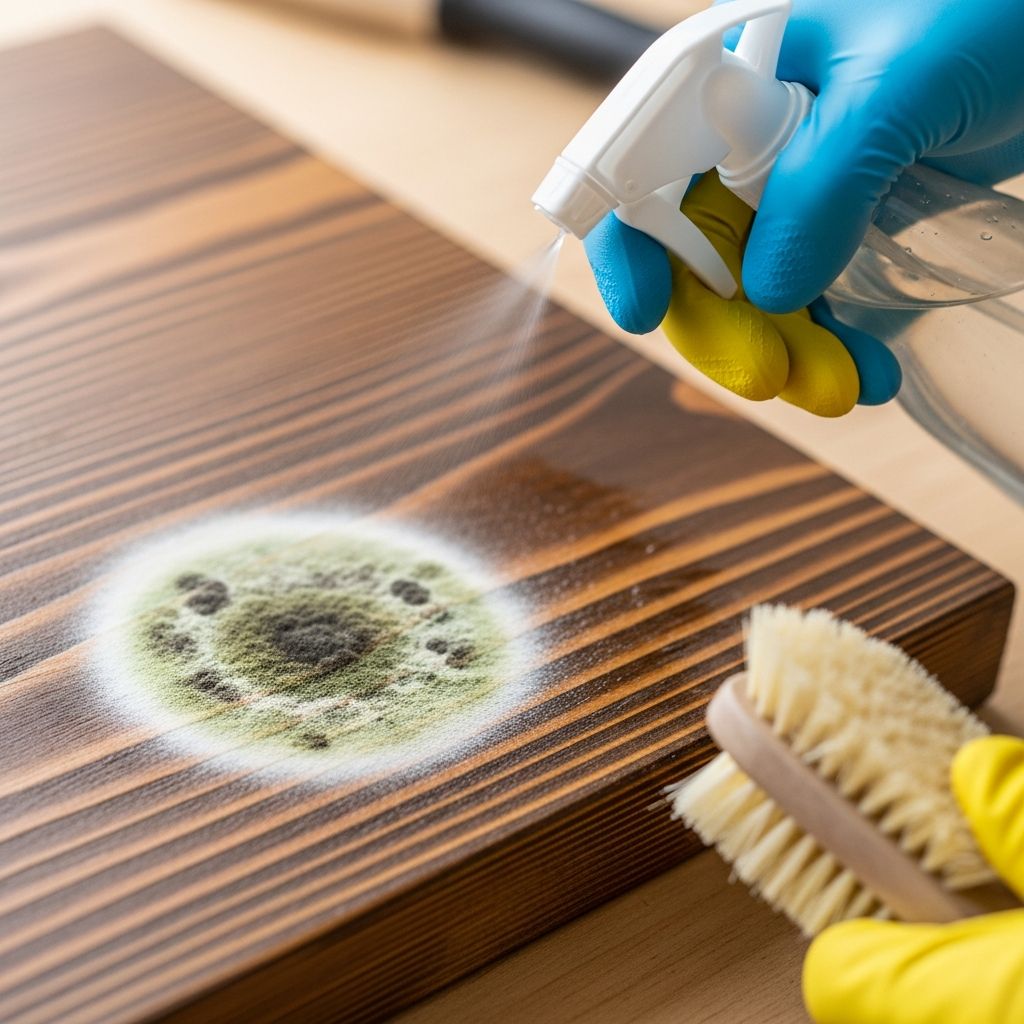
White vinegar is a natural and effective solution for mold removal on wood, with effectiveness against over 80 percent of mold species. To use vinegar for mold treatment, mix equal parts white vinegar and water in a spray bottle. Apply the solution generously to affected areas and allow it to sit for approximately one hour. This dwell time allows the vinegar to penetrate the wood fibers and kill the mold at its roots. After one hour, wipe the area dry thoroughly to remove residual moisture. For stubborn mold, light sanding may be necessary after the vinegar treatment. Following treatment, apply a quality wood sealer to protect against future moisture infiltration and mold growth.
Sanding and HEPA Vacuuming
For structural wood elements like framing members, a multi-step approach ensures thorough mold removal. Begin by using a HEPA-filter-equipped vacuum to remove loose mold spores from the wood surface. This step is critical because regular vacuums can actually spread spores throughout your home, while HEPA filters capture 99.97 percent of particles 0.3 microns or larger. After vacuuming, sand the wood surface to remove any remaining mold colonies embedded in the wood grain. Sanding creates dust, so wear appropriate respiratory protection during this process. The sanding action removes both visible and subsurface mold, preparing the wood for subsequent treatment with biocides or protective coatings.
Biocide Application
After vacuuming and sanding, apply a biocide specifically formulated to kill mold spores on wood. Biocides are chemical agents designed to eliminate fungal growth and prevent regrowth. Follow product instructions carefully regarding application method, coverage rate, and safety precautions. Many biocides require proper ventilation during application and may necessitate temporary evacuation of the affected area. Allow the biocide to cure completely before reoccupying or finishing the wood surface.
Encapsulation with Mold Inhibitors
The final step in professional mold treatment involves applying an encapsulant with built-in mold inhibitor. This protective coating seals the wood surface, preventing moisture penetration and inhibiting any remaining mold spores from germinating. Encapsulants essentially create a barrier that maintains the wood’s integrity while providing ongoing protection against future mold growth. This approach allows structural elements to remain in place rather than requiring replacement, preserving both the building’s structural character and your financial investment.
When Wood Must Be Replaced
Not all mold-affected wood can be salvaged. If mold has compromised the structural integrity of wooden elements or if the contamination is extensive and deep-rooted, replacement may be the only viable option. Porous materials like drywall with significant mold penetration typically require complete removal. Consult with a structural professional if you’re uncertain whether wood can be safely treated or if it must be replaced to ensure continued structural safety.
Prevention Strategies for Long-Term Protection
Preventing mold is significantly more cost-effective and less disruptive than treating established mold colonies. A comprehensive prevention strategy addresses moisture sources, improves air circulation, and maintains appropriate indoor humidity levels.
Moisture Control
Fixing leaks promptly is paramount to mold prevention. Inspect plumbing regularly for signs of leaks, address roof leaks immediately, and maintain proper drainage around your foundation. Water infiltration is the primary driver of mold growth, so eliminating moisture sources eliminates the conditions that mold requires to flourish.
Ventilation Enhancement
Proper air circulation significantly reduces indoor humidity and mold risk. Open windows when weather permits to allow fresh air exchange. Install and regularly use exhaust fans in bathrooms and kitchens, areas where moisture generation is highest. Ensure that clothes dryers vent directly outside rather than into interior spaces. In basements and crawl spaces, use dehumidifiers to maintain humidity levels below 60 percent, ideally between 30 and 50 percent. Air conditioning units equipped with HEPA filters provide additional benefits by removing mold spores from circulating air.
Maintenance Practices
Regular maintenance prevents conditions that promote mold growth. Clean and maintain gutters and downspouts to ensure proper water drainage away from your home’s foundation. Inspect exterior grading to confirm water flows away from the structure. Maintain proper ventilation in crawl spaces and attics. When renovating or building, specify mold-resistant products, including treated lumber, mold-resistant drywall, and quality paints and sealers formulated to inhibit fungal growth.
Safety Considerations During Mold Treatment
Mold remediation involves potential health hazards and requires appropriate precautions. Wear personal protective equipment including gloves, goggles, and an N95 or higher-rated respirator when working with mold. These respiratory masks prevent inhalation of mold spores and other particulates released during cleaning and sanding. Ensure adequate ventilation throughout the affected area and consider temporary evacuation of household members during intensive remediation work. Never mix bleach with ammonia or other household cleaners, as this creates dangerous toxic fumes.
Professional Mold Remediation
For extensive mold contamination, particularly involving structural elements, HVAC systems, or black mold, professional remediation is recommended. Professional mold remediators have specialized equipment, training, and certifications to handle complex mold situations safely and effectively. They can identify mold species, assess structural damage, and implement comprehensive remediation strategies. Professional mold remediation typically costs between $1,125 and $3,345 depending on the extent of contamination and affected area size. While this represents a significant investment, it ensures thorough remediation and protects your home’s long-term structural integrity and your family’s health.
Comparing Wood Treatment Options
| Treatment Method | Cost | Effectiveness | Best For | Limitations |
|---|---|---|---|---|
| White Vinegar | $5-10 | 80%+ mold species | Surface mold on finished wood | May not reach deep mold |
| HEPA Vacuuming | $200-400 | High for loose spores | Initial spore removal | Requires additional treatment |
| Biocide Treatment | $20-50 per application | Very high | Structural wood elements | Requires professional application |
| Encapsulation | $50-150 per 100 sq ft | Preventive | Long-term protection | One-time application |
| Professional Remediation | $1,125-3,345 | Comprehensive | Extensive contamination | Higher cost |
Frequently Asked Questions
Q: Can bleach kill mold on wood?
A: No, bleach is not effective for killing mold on porous surfaces like wood. Bleach is better suited for hard, nonporous surfaces such as tiles and tubs. For wood, white vinegar or specialized biocides are more effective options.
Q: How long does mold treatment take?
A: The timeline depends on the treatment method and extent of mold. White vinegar treatment requires one hour of dwell time plus drying. Biocide treatments vary by product but typically require several hours to cure. Professional biocide mitigation agents may take a day or more for complete eradication, with potential need for second applications in severe cases.
Q: Can treated mold return to wood?
A: Mold can return to wood if moisture conditions persist or resurface. This is why addressing moisture sources and applying encapsulants with mold inhibitors is crucial. Maintaining indoor humidity below 60 percent significantly reduces regrowth risk.
Q: What humidity level prevents mold growth?
A: Indoor humidity should be maintained below 60 percent, with an ideal range of 30 to 50 percent to prevent mold growth. Dehumidifiers and proper ventilation help achieve these levels.
Q: Should I replace wood or treat it?
A: If mold has not compromised the wood’s structural integrity, treatment with vacuuming, sanding, biocides, and encapsulation is appropriate. If structural compromise is evident or contamination is extensive, replacement is safer and more appropriate.
Q: What protective equipment do I need for mold treatment?
A: Wear gloves, goggles, and an N95 or higher-rated respirator to protect against mold spores and dust during treatment activities. Ensure proper ventilation throughout the work area.
Conclusion
Killing mold on wood requires understanding the underlying moisture conditions, selecting appropriate treatment methods, and implementing preventive measures to ensure long-term protection. Whether using natural solutions like white vinegar or professional biocide treatments, the key is prompt action combined with comprehensive moisture management. By fixing leaks, maintaining proper ventilation, controlling humidity, and choosing the right treatment approach for your specific situation, you can effectively eliminate mold and protect your home’s wooden structures for years to come.
References
- How To Clean Up Mold — This Old House. Accessed 2025-12-03. https://www.thisoldhouse.com/home-safety/21016772/how-to-clean-up-mold
- How To Get Rid of Mold in Your Basement — This Old House. Accessed 2025-12-03. https://www.thisoldhouse.com/foundations/how-to-get-rid-of-mold-in-basement
- Mold Cleanup in Your Home — U.S. Environmental Protection Agency. Accessed 2025-12-03. https://www.epa.gov/mold/mold-cleanup-your-home
- Mold Remediation Forum Discussion — Permies Community. Accessed 2025-12-03. https://permies.com/t/39802/permaculture-home-care-cleaning/mold-remediation-house
Similar Articles





Read full bio of medha deb