Kitchen Cabinet Refacing: A Smart Home Improvement Guide
Transform your kitchen without the full remodel: Learn how cabinet refacing saves time, money, and hassle.
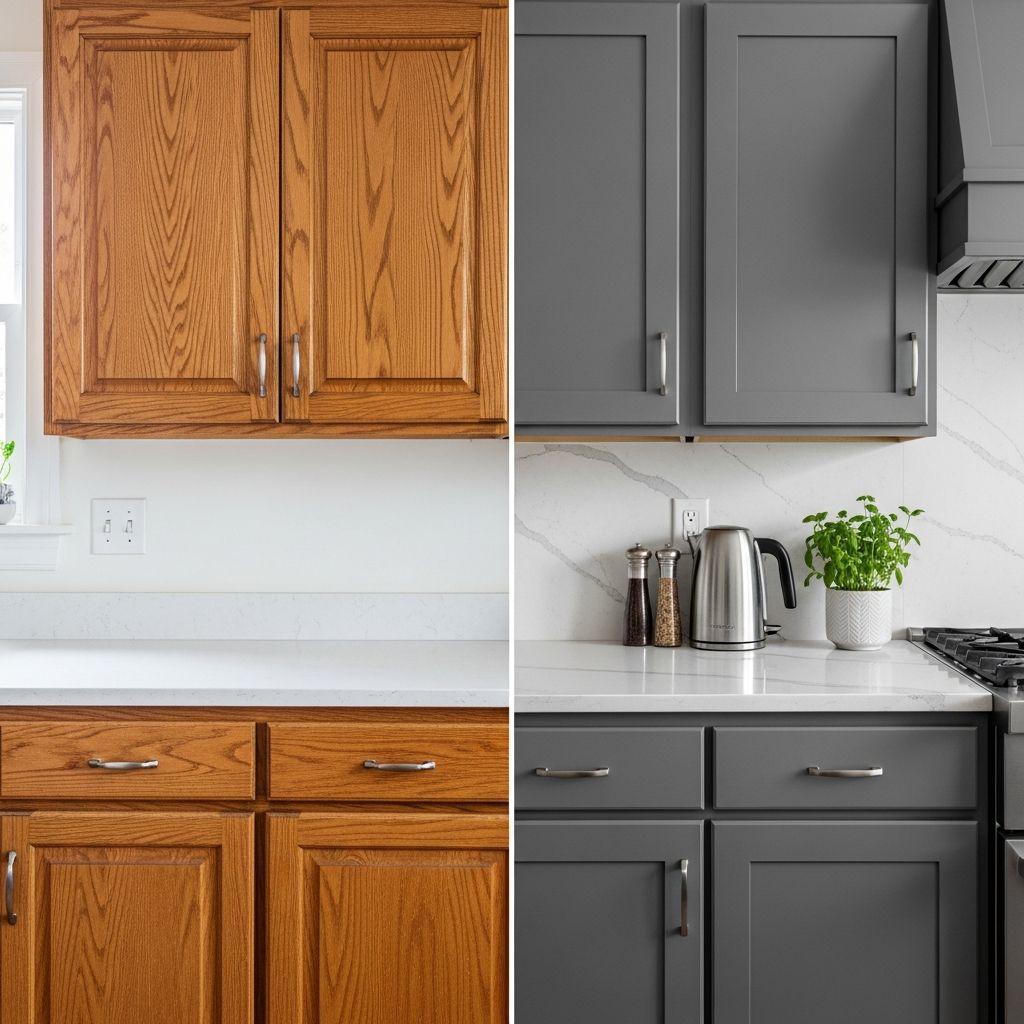
Kitchen Cabinet Refacing: Transform Your Kitchen Without the Full Remodel
Kitchen renovations can be one of the most expensive home improvement projects, often costing thousands of dollars when you tear out cabinets, countertops, and appliances. However, there’s a smart alternative that can breathe new life into your kitchen while keeping your budget intact: cabinet refacing. This approach allows you to update the look and feel of your kitchen by replacing cabinet doors, drawer fronts, and hardware while keeping the existing cabinet boxes in place. Whether you’re looking for a minor update or a significant style change, cabinet refacing offers flexibility, affordability, and impressive results.
What is Kitchen Cabinet Refacing?
Cabinet refacing is a cost-effective alternative to a full kitchen remodel. Instead of tearing out your entire kitchen and starting from scratch, refacing keeps your existing cabinet structure intact while updating the visible components. This process involves replacing cabinet doors, drawer fronts, and hardware, and often includes applying veneer to exposed cabinet sides and frames.
The core advantage of refacing is that it preserves the cabinet boxes—the structural foundation of your kitchen storage. By maintaining this infrastructure, you avoid the demolition and disposal costs associated with a complete kitchen renovation. The cabinet boxes typically remain functional and hidden behind new, stylish doors and drawer fronts.
Benefits of Kitchen Cabinet Refacing
Cost Savings
One of the primary reasons homeowners choose cabinet refacing is the significant cost savings compared to a full kitchen remodel. A complete kitchen renovation can easily exceed $50,000 to $100,000 or more, depending on the scope and materials selected. Cabinet refacing typically costs between $4,000 and $9,000 for an average kitchen, making it a budget-friendly option for those wanting to update their space.
Time Efficiency
Cabinet refacing is considerably faster than a full kitchen remodel. While a complete renovation can take several weeks or months, cabinet refacing usually takes only one to three weeks. This shorter timeline means you’ll spend less time without a functional kitchen, which is especially important for busy families.
Environmental Benefits
By refacing instead of replacing, you’re reducing waste and minimizing environmental impact. The existing cabinet boxes are kept out of landfills, making this an eco-friendly choice for sustainability-conscious homeowners.
Flexibility in Design
Refacing offers extensive design possibilities. You can choose from numerous wood types, finishes, colors, and hardware styles to match your aesthetic preferences. Whether you want a modern, minimalist look or a traditional, warm aesthetic, cabinet refacing can accommodate your vision.
Preserved Cabinet Layout
If you’re satisfied with your current kitchen layout and storage configuration, refacing maintains this functionality while updating the appearance. There’s no need to reconfigure plumbing, electrical, or structural elements.
Kitchen Cabinet Refacing Materials and Options
Wood Veneers
Wood veneer is a popular choice for cabinet refacing, offering authentic wood grain and warmth. Common veneer options include oak, maple, cherry, walnut, and birch. Veneers can be stained to various colors, from light natural tones to deep espresso shades. This material is durable and provides a high-end appearance at a fraction of the cost of solid wood cabinets.
Laminate Finishes
Laminate is an affordable, durable option that comes in virtually any color or pattern imaginable. It’s resistant to moisture and stains, making it ideal for kitchens. Laminate refacing offers a sleek, modern appearance and requires minimal maintenance.
Thermofoil
Thermofoil is a PVC material that’s vacuum-sealed around medium-density fiberboard (MDF) cores. It provides a smooth, seamless finish and is available in various colors and finishes, including high-gloss and matte options. Thermofoil is particularly popular for contemporary kitchen designs.
Paint and Stain Finishes
If your existing cabinet boxes are in good condition, you can simply paint or stain new doors and drawer fronts to match your desired aesthetic. Custom paint colors allow for personalized design choices that align with your kitchen’s overall theme.
Hardware Upgrades
Replacing cabinet hardware is one of the quickest ways to refresh your kitchen’s appearance. Modern handles, knobs, and pulls in finishes like brushed nickel, bronze, or stainless steel can dramatically change the look of your cabinets.
Cost Breakdown for Cabinet Refacing
| Component | Average Cost Range | Notes |
|---|---|---|
| Cabinet Doors and Drawer Fronts | $1,500–$3,500 | Varies by material and quantity |
| Veneer for Cabinet Sides | $500–$1,500 | Depends on exposure and material |
| Hardware Replacement | $300–$800 | Knobs, pulls, and hinges |
| Labor Costs | $1,500–$3,000 | Regional variations apply |
| Total Average Cost | $4,000–$9,000 | For a standard kitchen |
These costs can vary significantly based on your location, the complexity of your kitchen layout, material selections, and whether you choose professional installation or a DIY approach.
Cabinet Refacing vs. Cabinet Replacement
Refacing Advantages
- Lower overall cost
- Faster completion time
- Less disruption to your home
- Environmentally friendly
- Maintains current kitchen layout
Cabinet Replacement Advantages
- Allows for layout modifications
- Opportunity to upgrade storage and functionality
- Solves hidden structural issues with cabinet boxes
- Enables complete kitchen redesign
- Better option if cabinets are damaged or outdated
DIY vs. Professional Cabinet Refacing
Professional Refacing
Hiring professionals ensures quality results and guarantees. Professional installers have specialized tools, experience with various materials, and can complete the project efficiently. They can also address any unexpected issues that arise during the process. However, professional refacing comes at a higher cost due to labor expenses.
DIY Cabinet Refacing
If you’re handy and have some woodworking experience, DIY refacing can save on labor costs. This approach requires careful planning, precise measurements, and attention to detail. DIY projects take longer and may result in imperfections if you’re not experienced. However, for those willing to invest time and effort, DIY refacing can be rewarding and cost-effective.
Step-by-Step Cabinet Refacing Process
Step 1: Assessment and Planning
Begin by thoroughly assessing your current cabinets. Check for structural damage, water damage, or pest issues. If the cabinet boxes are compromised, refacing may not be suitable. Measure all cabinet dimensions accurately and photograph your current kitchen for reference. Determine which materials and finishes align with your design goals.
Step 2: Remove Cabinet Doors and Hardware
Carefully remove all cabinet doors, drawer fronts, and hardware. Label each piece so you can reinstall them correctly if repainting or refinishing. Place doors in a safe location to prevent damage during the refacing process.
Step 3: Prepare Cabinet Boxes
Clean the cabinet frames thoroughly to remove dust and grease. Fill any gaps or damaged areas with wood filler. Sand the surfaces lightly to prepare them for veneer application. This step ensures a smooth base for applying new materials.
Step 4: Apply Veneer or Paint
If applying wood veneer, carefully measure and cut pieces to fit the exposed cabinet sides and frames. Use contact cement or adhesive to secure the veneer, working out air bubbles as you go. For painted finishes, apply primer followed by quality cabinet paint in your chosen color. Multiple thin coats ensure even coverage and professional appearance.
Step 5: Install New Doors and Drawer Fronts
Once adhesives are fully cured or paint is dry, install the new cabinet doors and drawer fronts. Ensure proper alignment and adjust hinges as needed for smooth operation. Check that doors close evenly without gaps or overlaps.
Step 6: Install New Hardware
Replace handles, knobs, and other hardware with your selected style. Use a template to ensure consistent placement across all doors and drawers. This final touch significantly impacts the overall appearance of your refaced cabinets.
Design Trends in Cabinet Refacing
Two-Tone Cabinets
Combining two complementary colors creates visual interest and adds sophistication to kitchen design. Upper cabinets might be light, while lower cabinets are darker, or vice versa, creating a balanced aesthetic.
Modern Minimalism
Sleek, flat-front cabinet doors with minimal hardware reflect contemporary design preferences. Neutral colors like white, gray, or black provide a clean, uncluttered appearance.
Warm Wood Tones
Natural wood finishes continue to be popular, with homeowners appreciating the warmth and character that wood brings to kitchens. Walnut, cherry, and oak remain timeless choices.
Matte Finishes
Matte and satin finishes are gaining popularity over high-gloss options, offering a more refined and contemporary look while being more forgiving of fingerprints and smudges.
Open Shelving Integration
Some homeowners combine refaced cabinets with open shelving, creating a mixed aesthetic that combines storage functionality with display opportunities.
Common Mistakes to Avoid When Refacing Cabinets
- Poor measurement accuracy: Inaccurate measurements can result in ill-fitting doors and drawer fronts. Double-check all dimensions before ordering materials.
- Inadequate surface preparation: Failing to properly clean and prepare cabinet surfaces can lead to adhesive failure or paint peeling.
- Choosing low-quality materials: Investing in quality veneer, paint, or hardware ensures durability and professional appearance.
- Ignoring cabinet structural issues: If cabinet boxes show signs of water damage or pest infestation, refacing won’t address these underlying problems.
- Improper ventilation: When painting or applying adhesives, ensure adequate ventilation to prevent fume accumulation and ensure proper curing.
- Rushing the process: Taking time with each step ensures superior results compared to hurrying through the project.
Maintenance and Longevity of Refaced Cabinets
Refaced cabinets are relatively low-maintenance when properly cared for. Wipe doors and drawer fronts regularly with a soft, damp cloth to remove dust and spills. Avoid using harsh chemicals or abrasive cleaners that could damage finishes. Check hinges periodically and tighten hardware as needed. With proper care, refaced cabinets can maintain their appearance and functionality for 10 to 15 years or longer.
Frequently Asked Questions
Q: How long does cabinet refacing typically take?
A: Professional cabinet refacing usually takes one to three weeks, depending on the kitchen size and complexity. DIY projects may take longer, typically extending over several weeks as you work around other commitments.
Q: Can I reface cabinets if they have water damage?
A: Water-damaged cabinets should not be refaced, as the underlying structural damage will worsen over time. Address water damage issues first, either through repair or replacement of affected cabinets.
Q: What is the most affordable refacing material?
A: Laminate and paint are among the most affordable refacing options, with costs significantly lower than wood veneer or thermofoil materials.
Q: Can I change my cabinet color during refacing?
A: Yes, absolutely. Cabinet refacing offers complete freedom in choosing new colors and finishes that match your design preferences and kitchen aesthetic.
Q: Does refacing affect kitchen functionality?
A: No, cabinet refacing preserves your existing kitchen layout and functionality. You maintain the same storage configuration while updating the appearance.
Q: Is cabinet refacing environmentally friendly?
A: Yes, refacing is more environmentally friendly than full cabinet replacement because it keeps existing cabinet boxes out of landfills and reduces waste generation.
Q: How much can I expect to save with refacing versus full replacement?
A: Cabinet refacing typically costs 40 to 50 percent less than full cabinet replacement, with savings ranging from $5,000 to $15,000 or more depending on your specific situation.
Conclusion
Kitchen cabinet refacing is a smart, affordable solution for homeowners seeking to update their kitchen without the expense and disruption of a full renovation. By understanding the benefits, materials, costs, and processes involved, you can make an informed decision about whether refacing is right for your home. Whether you choose professional installation or take the DIY route, cabinet refacing can transform your kitchen’s appearance while maintaining functionality and staying within budget. With proper planning and execution, your refaced cabinets will provide years of beauty and reliable storage for your kitchen.
References
- Kitchen Cabinet Refacing: A Smart Alternative to Full Remodels — Front + Center. Retrieved from https://myfrontandcenter.com/dave-marrs-partnership-announcement/
- Cabinet Refacing vs. Replacement: What Homeowners Should Know — The Spruce. 2024. Retrieved from https://www.thespruce.com/cabinet-refacing-vs-replacement-6748721
- Home Improvement and Kitchen Remodeling Statistics — U.S. Census Bureau. 2024. Retrieved from https://www.census.gov/construction/
- Materials Used in Cabinet Refacing and Installation Best Practices — National Kitchen & Bath Association. Retrieved from https://www.nkba.org/
- Environmental Impact of Kitchen Remodeling and Waste Reduction — EPA: Sustainable Materials Management. Retrieved from https://www.epa.gov/smm/sustainable-materials-management
Similar Articles






Read full bio of Sneha Tete