The Complete Guide to Kitchen Canisters and Dry Food Storage
Transform your pantry with smarter containers, not more clutter.
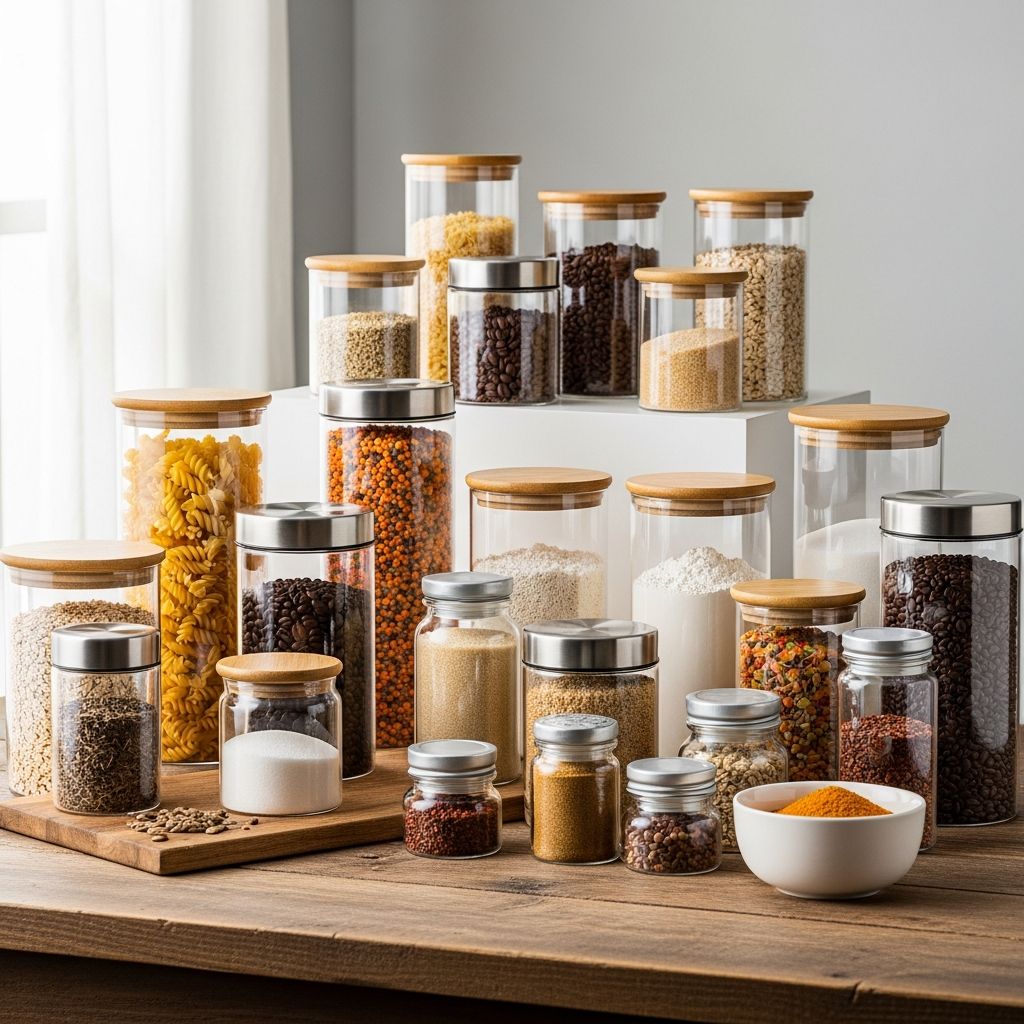
Thoughtfully chosen kitchen canisters and dry food storage containers can completely change how your kitchen feels and functions. Instead of rummaging through torn bags and mismatched boxes, you can grab what you need in seconds, keep food fresher for longer, and enjoy a pantry that actually looks as good as it works.
This guide walks through what to store where, how to choose the right containers, and how to organize and maintain a practical, attractive dry goods setup for any size kitchen.
Why Dry Food Storage Matters
Dry ingredients are the backbone of most home kitchens, yet they are often the most chaotic to store. Bags of flour leak, cereal boxes go stale, and half-open snack packages create both clutter and food waste.
Proper canisters and containers solve several problems at once by:
- Protecting food from air, moisture, and pests.
- Reducing visual clutter and making it easier to see what you have.
- Simplifying meal prep because ingredients are within reach and clearly labeled.
- Helping you use what you buy, cutting down on waste and repeat purchases.
What Belongs in Kitchen Canisters?
Not every ingredient needs a dedicated container, but many staples benefit from better protection and accessibility. A good rule of thumb is: if you reach for it at least once a week, it deserves a stable home in a canister.
Everyday Pantry Staples
- Flour and sugars: All-purpose flour, bread flour, whole wheat flour, granulated sugar, brown sugar, and powdered sugar store well in airtight containers that shield them from moisture and pests.
- Grains and rice: White rice, brown rice, quinoa, barley, couscous, oats, and similar grains benefit from consistent protection so they do not absorb pantry odors or humidity.
- Pasta and noodles: Short pasta shapes, spaghetti, ramen, and rice noodles are easier to portion and store when upright or in long canisters.
Baking Essentials
- Baking powder and baking soda: Small opaque or tinted containers help maintain potency by limiting light and air exposure.
- Cocoa, chocolate chips, and add-ins: Sealed canisters keep powders from clumping and chips from going stale.
- Seeds and nuts: Sunflower seeds, chia seeds, walnuts, and almonds last longer in airtight containers and are easier to scoop from wide openings.
Snacks, Cereals, and Grab-and-Go Items
- Cereal and granola: Tall, pourable containers with spouts or flip lids help maintain crunch while making breakfast quicker.
- Snacks: Crackers, pretzels, popcorn kernels, and trail mixes stay fresher when moved from their original flimsy packaging into reusable canisters.
- Coffee and tea: Opaque or tinted canisters protect beans and loose tea from light while keeping aromas from spreading through the pantry.
Choosing the Right Material
The best canister material depends on your priorities: visibility, durability, style, and weight all play a role. No single option is perfect for everyone, which is why many kitchens mix a few types.
| Material | Best For | Main Benefits | Potential Drawbacks |
|---|---|---|---|
| Glass | Visible pantry displays, bulk dry goods | Non-porous, doesn’t absorb odors, easy to see contents | Breakable, heavier, may need light protection for coffee or spices |
| Plastic (BPA-free) | Families, lightweight daily use, stackable sets | Lightweight, often modular, less risk of breakage | Can scratch, may retain odors or stains over time |
| Stainless steel | Coffee, tea, stylish countertops | Durable, opaque, sleek appearance | Contents not visible without opening; can dent |
| Ceramic or stoneware | Countertop canisters, sugar, flour | Heavier, stable, decorative, opaque | Breakable, typically not stackable, heavier to move |
When to Choose Clear Containers
Transparent glass or plastic works well when you want a quick visual inventory of what you own. They encourage you to use ingredients before they expire because you can literally see what needs to be eaten.
Clear sides are especially useful for items that you top up regularly, such as rice, oats, and pasta, making your pantry feel more like a well-stocked store than a jumble of bags.
When Opaque is Better
Some foods degrade faster when exposed to frequent light, particularly coffee, tea, and certain spices. Opaque metal or ceramic canisters help preserve flavor and aroma over time.
If visual clutter bothers you, closed containers in solid colors or subtle patterns can also calm the overall look of open shelving or countertops.
Airtight Seals and Lids Explained
The lid is the most important part of any canister. An attractive container with a poor seal is little better than an open bag. Look for clear information about how the lid creates an airtight barrier and how easy it is to open with one hand.
Common Lid Types
- Clamp or bail lids: These use a metal hinge and clamp to press a gasket against the rim, providing a very tight seal that works well for coffee, flour, and grains.
- Push-button lids: A central button locks and releases the seal, often used in modular plastic systems that are easy to open and close during cooking.
- Screw-top lids: Similar to jars, these twist on and off, offering reliable sealing with a familiar motion.
- Simple lift-off lids: Often seen on ceramic countertop canisters; they may still have a silicone gasket inside but require a quick lift instead of a clamp.
How to Check Seal Quality
When evaluating containers, pay attention to how the lid feels in your hand. A good airtight seal usually requires a gentle push, twist, or clamp that compresses a gasket without feeling flimsy or overly loose.
You should not feel drafts or wobbles when the lid is in place, and you should not see large gaps where air or pests could slip through.
Size, Shape, and Capacity Planning
Choosing canisters is not just about aesthetics; it is about matching volume and shape to the foods you actually use. Start with a simple list of your most-used dry goods and how you buy them.
Matching Containers to Ingredients
- Bulk bags (10–25 lb): Large, wide containers or tall bins with scoop access work best for staples like flour, rice, and pet food.
- Standard packages (1–5 lb): Medium canisters hold a full bag of sugar, beans, or lentils, avoiding half-filled packages lying around.
- Small-volume items: Petite jars or canisters prevent spices, seeds, and specialty flours from getting lost and going stale.
Stacking and Nesting Considerations
Modular systems that stack neatly make the most of vertical space in shallow cabinets and pantries. Rectangular or square bases often waste less space than round containers when lined up on a shelf.
If you have deep lower cabinets, nesting (placing smaller containers inside larger ones when not in use) becomes more important, especially for backup or seasonal storage pieces.
Designing a Functional Pantry Layout
Containers alone will not fix an unorganized pantry. You also need a structure for where things go and how you move through the space while cooking. A few deliberate decisions here make a huge difference in everyday convenience.
Group by Zones and Frequency
- Daily use zone: Place breakfast items, coffee, tea, and snacks at eye level or just below for easy reach.
- Cooking and baking zone: Store flours, sugars, oils, and baking add-ins near where you usually prep food.
- Backstock zone: Reserve a higher or lower shelf for unopened duplicates and bulk extras so they do not crowd your everyday supply.
Use Shelving Height Wisely
Taller canisters and bulk containers belong on shelves where you have enough headroom to lift them straight up without tilting. Shorter, modular containers are ideal under lower shelves or in shallow cupboards.
Consider adding risers or small shelf inserts so that shorter jars do not get buried behind taller items, especially for spices and baking supplies.
Labeling for Clarity and Safety
Attractive labeling is more than decoration. It also prevents mistakes like confusing baking soda with baking powder and helps everyone in the household find what they need without guessing.
Label Styles and Strategies
- Pre-printed labels: Great for common staples if you want a uniform, polished look with minimal effort.
- Chalkboard or dry-erase labels: Reusable and flexible, perfect for rotating ingredients or seasonal items.
- Label maker or handwritten labels: Ideal when you have less-common ingredients or want clear, legible names and dates.
What to Include on Your Labels
At a minimum, list the ingredient name in large, readable letters. For items with shelf-life considerations (like whole grains, nuts, or specialty flours), add a purchase or “best by” date in smaller text.
If you decant from original packaging, consider noting key details such as cooking ratios or special instructions on the back or bottom of the container.
Keeping It Clean and Food-Safe
Clean, dry containers are essential for food safety and quality. Mixing fresh ingredients into dusty or damp containers invites clumping, off flavors, and sometimes mold or pests.
Routine Maintenance
- Wash and dry fully: When finishing one bag of an ingredient and opening another, take a moment to wash and thoroughly dry the canister before refilling.
- Wipe seals and gaskets: Residue can build up along the rim or rubber gasket, compromising the airtight seal over time.
- Deep clean periodically: Once or twice a year, empty and wash every container, checking for cracks or warping that could impact performance.
Material-Specific Care Tips
- Glass: Avoid sudden temperature changes to prevent cracking and be mindful of chips on the rim that might affect sealing.
- Plastic: Use non-abrasive sponges to reduce scratching and steer clear of very hot water if the manufacturer recommends it.
- Metal and ceramic: Dry thoroughly to prevent rust on metal components and to avoid water spots or mildew inside lids.
Style Meets Function: Displaying Canisters
Canisters can be both hardworking and decorative. On open shelves or countertops, they quickly become part of the overall design of your kitchen, so choose pieces you enjoy seeing every day.
Countertop Canister Ideas
- Keep only the essentials out: Coffee, tea, sugar, salt, and a frequently used grain or flour are usually enough for daily cooking.
- Coordinate finishes: Match canister colors or materials with your hardware or appliances for a cohesive look.
- Play with heights: Use sets of varying heights to create visual interest while still keeping a tidy, intentional arrangement.
Open Shelving and Glass-Front Cabinets
If your storage is visible, uniform containers create a calm, unified look. Aim for consistency in shape or color, even if the materials differ slightly. For example, pairs of clear glass jars combined with a matching set of white ceramic canisters can still feel cohesive.
Consider storing less-frequently used or visually busy items (like bags of chips or colorful snack packaging) behind solid doors, saving open shelves for your most attractive containers.
Smart Strategies for Small Kitchens
Even the tiniest kitchen can benefit from well-chosen canisters and thoughtful storage. In fact, when every inch counts, intentional dry food storage prevents overcrowding and makes cooking less stressful.
Maximizing Limited Space
- Go vertical: Tall, narrow containers use height instead of depth, especially over the fridge or in slim cabinets.
- Use doors and walls: Mount slim racks for spices or small canisters on the inside of cabinet doors or on a free wall.
- Edit ruthlessly: Store only what you truly eat; donate extras and avoid buying more bulk than your storage can handle.
Multi-Purpose Containers
In small spaces, choose canisters that serve several functions: stackable, freezer-safe, and transportable options can hold leftovers one day and bulk grains the next.
Look for lids that are interchangeable across several sizes to cut down on clutter and ensure you always have the right top available.
Frequently Asked Questions
How many kitchen canisters do I really need?
Most home cooks do well with a core set of 6–12 canisters, focusing on what they actually use: a few for flours and sugars, several for grains and pasta, and a couple for snacks or coffee. Start with your top ten most-used dry goods and assign each a container before expanding further.
Should I always remove food from its original packaging?
Decanting dry goods into canisters has several benefits, including better sealing and easier stacking. However, for specialty items with complex directions or nutrition needs, keep a trimmed section of the original package inside or attach important information to the bottom of the container.
Are plastic food storage containers safe?
Many modern plastic containers are designed for food safety when used as directed. Look for BPA-free labeling, follow any temperature guidelines, and replace containers that become heavily scratched or warped, as those can be more difficult to clean thoroughly.
How do I prevent bugs from getting into my dry goods?
Use airtight containers with snug-fitting lids for any grain, flour, or dry snack. Inspect new groceries and avoid storing open bags; instead, transfer contents promptly into your sealed canisters and clean shelves regularly to remove crumbs and spills that attract pests.
What is the easiest way to start organizing my pantry?
Begin by removing everything from one shelf at a time, discarding expired items, and grouping similar foods together. Then assign each group to a dedicated area and choose containers that fit that space, rather than buying containers first and hoping they will work with your existing shelves.
Final Thoughts
Effective kitchen canisters and dry food storage are not about buying the most expensive containers; they are about choosing the right set for your space, your cooking habits, and your style. With a modest investment of time and a few well-chosen pieces, you can create a pantry that keeps food fresh, makes everyday tasks easier, and looks calm instead of chaotic every time you open the door.
Similar Articles





Read full bio of medha deb