Kitchen Exhaust Fan Installation: Complete Step-By-Step Guide
Master the art of installing a kitchen exhaust fan with comprehensive step-by-step instructions and expert tips.
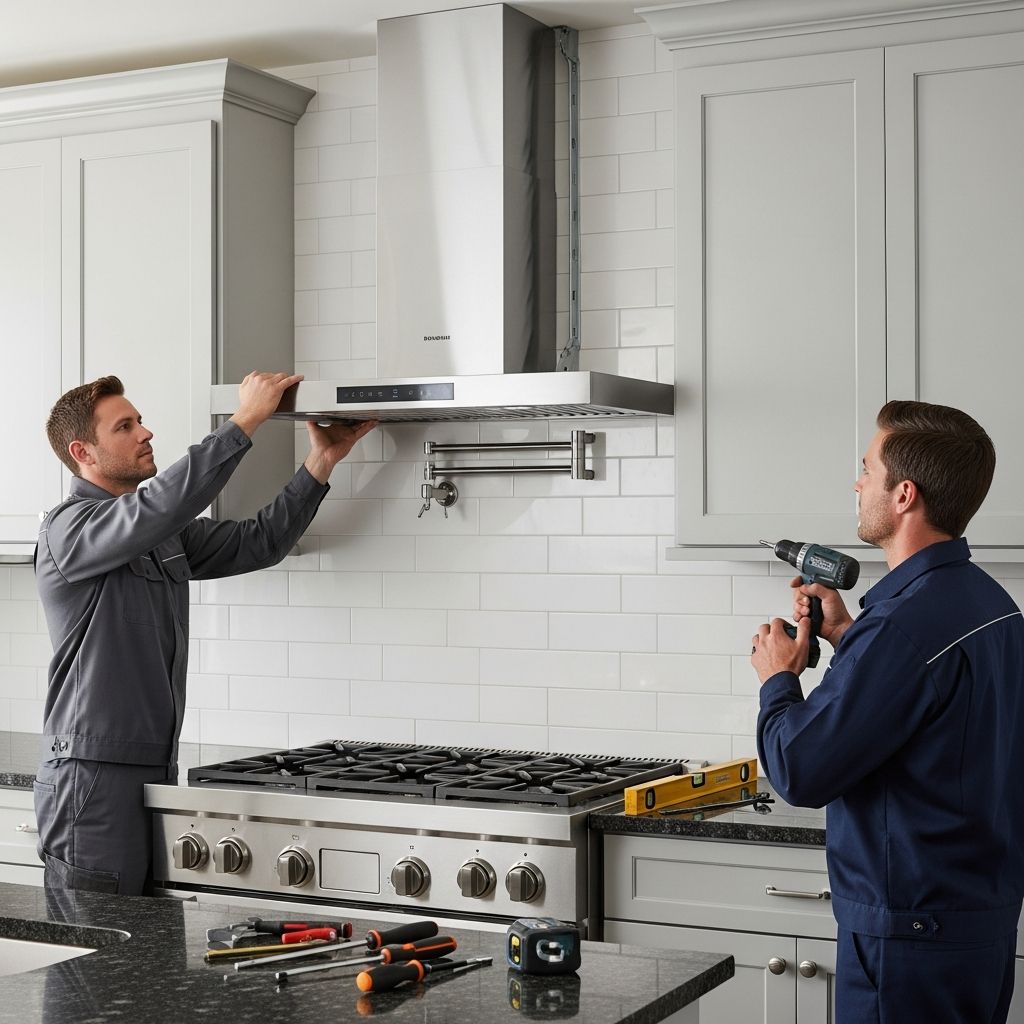
Installing a Kitchen Exhaust Fan: A Comprehensive Installation Guide
A properly functioning kitchen exhaust fan is essential for maintaining air quality and removing cooking odors, steam, and moisture from your home. Whether you’re upgrading an existing system or installing a new one, understanding the installation process helps ensure safety, efficiency, and compliance with building codes. This guide walks you through the entire process, from selecting the right equipment to testing the final installation.
Understanding Your Kitchen Ventilation Needs
Before beginning any installation work, assess your kitchen’s specific ventilation requirements. The size and layout of your kitchen, along with your cooking habits, determine the appropriate fan capacity and duct configuration. A fan that’s too small won’t effectively remove steam and odors, while an oversized unit can create negative pressure issues in your home.
Consider the width of your cooktop or range when selecting a fan. The exhaust hood should match or exceed the cooktop width to capture cooking byproducts effectively. Additionally, determine whether you want a fan that exhausts to the outside or recirculates air back into the kitchen. Outside venting is the superior option for removing moisture and odors completely.
Selecting the Right Fan and Materials
Your choice of exhaust fan and ductwork directly impacts installation success and long-term performance. Several installation options exist depending on your kitchen layout and cabinet configuration.
Fan Placement Options
- Wall-mounted hoods positioned above the stove
- Under-cabinet installations fitted into the cabinet structure above the cooktop
- Range hood units integrated with microwave ovens
- Ceiling-mounted fans with ducting routed through attics or walls
The manufacturer’s instructions provide specific guidance for each installation type. Wall-mounted units typically offer the easiest installation for many homeowners, while under-cabinet options maximize space efficiency.
Ductwork Material Requirements
The duct connecting your fan to the exterior must be constructed from rigid metal materials such as galvanized steel, stainless steel, or copper. These materials provide durability and fire safety that flexible plastic ducts cannot match. Flexible ducts, while easier to route, pose fire hazards and can trap grease buildup, creating dangerous conditions.
Your duct diameter must match the fan manufacturer’s specifications. Undersized ducts restrict airflow and trap grease, increasing fire risk. The duct should have a smooth interior surface to minimize friction and grease accumulation.
Pre-Installation Preparation
Proper preparation prevents costly mistakes and ensures a smooth installation process. Begin by locating your exhaust outlet location on the exterior of your home. The outlet must be positioned at least 10 feet away from any air inlets, including windows, doors, and fresh air vents.
Checking for Existing Infrastructure
Before cutting holes through walls or ceilings, identify any plumbing, electrical wiring, or structural elements in your planned duct path. Use a small pilot hole to probe through walls and ceilings first. This prevents damage to existing systems and ensures safety.
Verify compliance with local building codes before proceeding. Some jurisdictions have specific requirements for kitchen ventilation that may affect your installation approach.
Gathering Required Materials and Tools
- The exhaust fan unit with damper (if included)
- Rigid metal ductwork of appropriate diameter
- Ductwork connectors and fasteners
- Metal tape and mastic sealant (do not use cloth-backed duct tape)
- Exterior vent cap with louvers or screen
- Weatherproof caulking compound
- Electrical wire and connectors (if hardwiring required)
- Drill with bits and jigsaw or keyhole saw
- Level, measuring tape, and pencil
- Safety equipment including gloves and eye protection
Mounting and Structural Installation
The mounting process varies depending on whether you’re installing a wall-mounted unit, under-cabinet fan, or ceiling-mounted system. Each configuration requires specific attention to structural support and proper alignment.
Wall-Mounted Installation
For wall-mounted hoods, locate the studs in the wall above your cooktop using a stud finder. Mark your mounting locations, ensuring the bracket is level before drilling pilot holes. The mounting bracket must be securely anchored to the wall studs to support the fan’s weight and vibration.
Install the mounting bracket using appropriate fasteners for your wall type. For drywall over studs, use lag bolts or heavy-duty screws. After mounting the bracket, attach the hood unit according to the manufacturer’s specific locking or fastening mechanism.
Under-Cabinet Placement
Under-cabinet installations require careful measurement to ensure the unit fits properly within the cabinet space. Remove any cabinet material as necessary to accommodate the fan and provide proper clearance. Support the fan from above or below to ensure it’s level and secure.
Creating Exterior and Interior Openings
Mark your duct penetration points on both the interior and exterior surfaces. Start by drilling a small pilot hole from inside to outside as a reference point. From the exterior, measure and mark the full duct opening diameter, typically 6 to 7 inches depending on your ductwork size.
Use a jigsaw to carefully cut the interior hole, then cut the corresponding exterior opening. If your home has exterior siding or panels, consider installing a trim ring to create a clean, finished appearance and ensure proper duct sealing.
Duct Installation and Sealing
Proper ductwork installation is critical for fan efficiency and home safety. The duct must maintain an airtight seal throughout its entire length from the fan to the exterior.
Planning the Duct Route
Route your ductwork using the most direct path possible with minimal bends. Each bend reduces airflow and increases the risk of grease accumulation. When bends are necessary, use long-radius elbows rather than sharp 90-degree angles.
Avoid routing ducts through attics, crawlspaces, or spaces between floors. These areas lack proper ventilation and moisture can condense in the duct, leading to mold growth and structural damage. The duct must exhaust completely to the exterior.
Securing and Sealing Connections
Connect the ductwork to the fan outlet using mechanical fasteners such as screws or clamps. This initial mechanical connection is reinforced with metal-backed duct tape and mastic sealant. Do not rely solely on cloth-backed duct tape, as it can deteriorate over time.
Apply mastic sealant to all seams and joints before applying metal tape. This creates an airtight seal that prevents moisture and grease vapors from escaping into wall cavities.
Installing the Exterior Vent Cap
Attach the exterior vent cap at your calculated exterior opening. The vent cap should be long enough to reach the ductwork and must be securely fastened with appropriate fasteners. Seal around the vent cap with weatherproof caulking compound to prevent water infiltration.
The exterior termination should feature louvers, a screen, or a grille to prevent weather and animals from entering the duct while allowing air to escape. Ensure the exhaust is not directed toward a walkway or seating area where discharged air could be bothersome.
Installing Dampers and Preventing Backflow
A backdraft damper prevents outside air from flowing backward through your duct when the fan is not operating. This damper maintains your home’s conditioned air and prevents insects or animals from entering through the exhaust duct.
Some fans include an integrated damper, while others require a separate damper installation. If your fan has a damper, verify it’s the correct size for your ductwork and test that it opens and closes freely during the final inspection.
Electrical Connection and Safety
Kitchen exhaust fans can be powered through hardwired electrical connections or standard electrical outlets. Never attempt electrical work unless you’re qualified or have professional supervision.
Power Options
Many homeowners choose to plug their exhaust fans into a standard outlet above the cooktop, which simplifies installation and allows for easier disconnection during maintenance. If you’re hardwiring the unit, shut off power at the breaker box before beginning any work.
Completing Electrical Connections
For hardwired installations, strip back wire insulation to expose approximately half an inch of wire. Connect wires of matching colors using wire connectors—typically black to black, white to white, and the bare copper ground wire to the green or bare ground connector.
Secure all connections with appropriately sized wire connectors and ensure no bare copper is exposed. Clip any excess wiring and organize wires neatly inside the electrical box. Once all connections are complete, restore power at the breaker box and test the fan operation.
Testing and Final Inspection
Before declaring your installation complete, perform a thorough inspection and functional test of your system.
Visual Inspection Checklist
- Verify the fan exhausts to the exterior, not into an attic or crawlspace
- Confirm the fan is set to exhaust mode, not recirculation
- Ensure all exterior dampers open freely without obstruction
- Remove any packing tape or protective coverings from the unit
- Check that all openings in ceilings and walls are properly sealed with caulk or spray foam
- Verify ductwork is sealed to the fan outlet with mechanical fasteners, metal tape, and mastic
- Inspect for any dents or damage to ductwork that could restrict airflow
- Confirm the vent cap is secure and properly sealed against weather infiltration
Operational Testing
Activate the exhaust fan and observe its operation. You should feel air movement at the exterior vent, and the damper should open smoothly. Listen for excessive noise that might indicate loose components or ductwork problems.
If the fan fails to operate, check that power is properly supplied and all electrical connections are secure. Professional testing using procedures outlined in ANSI/RESNET/ICC 380-2016 standards can verify that your fan is operating at the manufacturer’s specified flow rate.
Common Installation Mistakes to Avoid
Understanding frequent errors helps ensure your installation succeeds on the first attempt.
Improper Duct Material: Using flexible plastic ducts instead of rigid metal creates fire hazards and promotes grease accumulation. Always use smooth metal ductwork as specified by the manufacturer.
Multiple Fans to One Duct: Connecting multiple exhaust fans to the same ductwork causes airflow conflicts and prevents proper operation of all units. Each exhaust fan requires its own independent duct route to the exterior.
Inadequate Exhaust Outlet Location: Placing the exhaust outlet too close to air inlets allows cooking odors and moisture to be pulled back into your home. Maintain the minimum 10-foot separation required by code.
Neglecting Air Sealing: Failing to properly seal openings around fans and ductwork allows air leakage that reduces efficiency and can lead to moisture problems in wall cavities.
Insufficient Fan Size: Undersized fans cannot effectively remove cooking moisture and odors. Select a fan appropriate for your kitchen’s size and cooking volume.
When to Call a Professional
While many homeowners successfully install exhaust fans, certain situations warrant professional assistance. Complex electrical work, structural concerns, or uncertainty about building code compliance are valid reasons to hire an experienced installer.
Professional installers understand local building codes, have specialized tools for difficult installations, and can ensure your system operates at peak efficiency. The investment in professional installation often proves worthwhile when complex circumstances arise.
Maintenance for Long-Term Performance
Regular maintenance extends your exhaust fan’s lifespan and maintains optimal performance. Clean filters or dampers monthly to prevent grease buildup. Inspect ductwork annually for damage or deterioration, and ensure the exterior vent cap remains clear of obstructions.
Periodic professional inspection can identify developing issues before they compromise system function. By maintaining your exhaust fan properly, you’ll enjoy years of reliable kitchen ventilation.
References
- Kitchen Exhaust Fans — Pacific Northwest National Laboratory, Building America Solution Center. https://basc.pnnl.gov/resource-guides/kitchen-exhaust-fans
- Dos and Don’ts of Kitchen Exhaust Fan Installation — Aire Serv. 2019. https://www.aireserv.com/about/blog/2019/may/the-dos-and-donts-of-kitchen-exhaust-fan-install/
- How To Install A Wall Mounted Hood Fan — ZLINE. YouTube. https://www.youtube.com/watch?v=8kYBBV4mkCk
- How to Install a Hood Vent over the Stove that Exhausts to the Outside — Home HVAC Guides. YouTube. https://www.youtube.com/watch?v=_aPCPX4G7VU
- How to Install a Range Hood: A Step-by-Step Guide — KitchenAid. https://www.kitchenaid.com/pinch-of-help/major-appliances/how-to-install-a-range-hood.html
Similar Articles








Read full bio of medha deb