Laminate Floor Cleaning Guide: Mistakes to Dodge
Master laminate floor care with proven techniques to avoid damage, maintain shine, and extend floor life effortlessly.
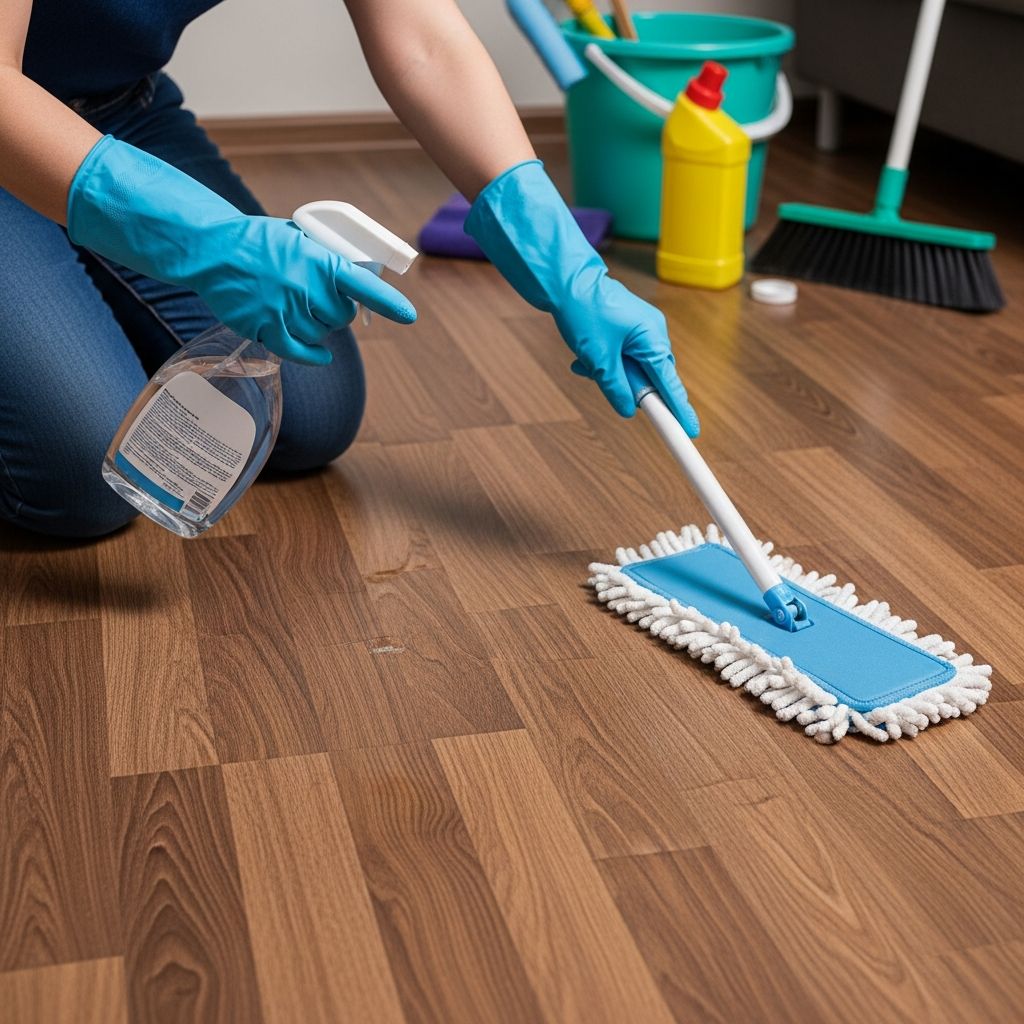
Laminate flooring offers an affordable, stylish alternative to hardwood, mimicking wood or stone with a durable protective layer. Proper cleaning preserves its appearance and prevents issues like swelling or dulling. This guide outlines effective methods and highlights pitfalls to sidestep for optimal results.
Understanding Laminate Flooring Basics
Laminate consists of multiple layers: a core board, printed design layer, and wear-resistant topcoat. The topcoat seals the surface, making it water-resistant but not waterproof. Excess moisture can seep into seams, causing the core to expand and warp. Regular upkeep involves dry sweeping or vacuuming to remove debris that scratches during wet cleaning.
- Key vulnerability: Seams between planks allow water infiltration if not dried promptly.
- Strength: Resists stains if cleaned quickly with approved solutions.
- Expected lifespan: 10-25 years with diligent care.
Daily and Weekly Maintenance Routines
Prevent buildup with consistent light cleaning. Daily or every other day, use a soft-bristle broom or vacuum on hard-floor mode to capture dust, pet hair, and grit. Start from corners, working backward to avoid pushing debris into uncleaned areas.
For weekly refresh, dry mop with a microfiber pad. These attract dust electrostatically without spreading particles. Avoid feather dusters, which redistribute fine grit.
| Frequency | Method | Tools | Why It Works |
|---|---|---|---|
| Daily | Sweep/Vacuum | Soft broom, vacuum (hard floor setting) | Removes abrasive particles preventing scratches |
| Weekly | Dry mop | Microfiber mop | Lifts dust without moisture |
| As Needed | Spot wipe | Damp cloth | Handles spills immediately |
Preparing for Safe Wet Cleaning
Before any liquid contact, clear the area of furniture and rugs. Vacuum thoroughly to eliminate hidden debris in grooves. Choose laminate-specific cleaners or dilute mild dish soap; never use full-strength detergents that leave residue dulling the finish.
Diluted solutions: Mix 1/4 cup vinegar (optional, despite some manufacturer cautions) or rubbing alcohol with 1 gallon warm water and a drop of dish soap. Test in inconspicuous spot first.
Step-by-Step Mopping Process
Mop only when necessary, as over-wetting accelerates wear. Use a microfiber mop barely damp—wring until no drips form.
- Section the floor: Divide into 4×4 foot areas to control moisture.
- Mop directionally: Follow plank grain to avoid streaks and push water into seams.
- Frequent wringing: Rinse mop in clean solution every section.
- Immediate drying: Towel-buff with dry microfiber immediately after.
For larger spaces, fans accelerate drying, preventing cupping.
Spot Treatment for Tough Stains
Address spills promptly to minimize penetration. Blot liquids; do not rub.
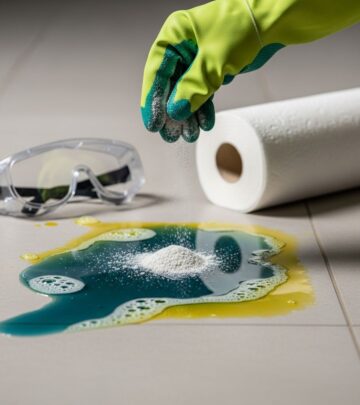
- Greasy spots: Dish soap on damp cloth, scrub gently, rinse, dry.
- Scuffs/marks: Baking soda paste (minimal moisture), circular rub, wipe clean.
- Ink/markers: Rubbing alcohol on cloth, dab until gone, dry thoroughly.
- Pet urine: Enzymatic cleaner approved for laminate, followed by water wipe.
Avoid steel wool or scrub brushes; they abrade the topcoat.
Deep Cleaning Without Damage
Monthly, perform intensive refresh. Vacuum edges and corners twice, as debris accumulates there. Use a wet-dry vac with laminate formula for simultaneous vacuuming and light washing—suction removes most liquid.
Prep machine: Warm water plus formula per instructions. Multiple passes on stubborn areas, allowing minimal residue to air-dry on sealed surfaces.
Critical Mistakes That Harm Laminate
Avoid these to prevent costly repairs.
Excess Water and Standing Moisture
Bucket mopping floods seams, leading to swelling. Laminate cores absorb humidity, buckling planks. Solution: Damp mop only, dry within minutes.
Steam Mops and High Heat
Steam penetrates seals, delaminating layers. Heat warps synthetic materials. Stick to room-temperature solutions.
Abrasive Tools and Cleaners
Bleach, ammonia, or pine-sol strip the finish, exposing print layer to fading. Rough pads scratch. Opt for pH-neutral products.
Ignoring Dry Debris Removal
Mopping over grit creates micro-scratches, dulling shine over time. Always pre-vacuum.
Overuse of DIY Mixtures
Vinegar’s acidity etches unsealed areas; baking soda scratches if not rinsed. Use sparingly or manufacturer-approved alternatives.
| Mistake | Consequence | Fix |
|---|---|---|
| Steam cleaning | Warping/delamination | Microfiber damp mop |
| Harsh chemicals | Dulled finish | Laminate-specific formula |
| Wet mopping | Swelling | Immediate towel dry |
| No pre-vacuum | Scratches | Hard-floor vacuum |
Long-Term Preservation Strategies
Enhance durability with preventive habits. Use felt pads under furniture legs to prevent dents. Entry mats trap outdoor dirt. Maintain 40-60% indoor humidity via dehumidifiers in damp climates.
Quarterly, buff with dry mop for shine restoration. Inspect seams for lifting; professional refinishing may be needed if damaged.
Choosing the Right Tools and Products
Invest in quality for efficiency.
- Mops: Microfiber flat mops with swivel heads.
- Vacuums: Models with hard-floor settings, like those adjusting suction automatically.
- Cleaners: Formulas with surfactants for grime without residue, e.g., pet-safe multi-surface.
- Avoid: String mops (trap dirt), oily polishes (sticky buildup).
Frequently Asked Questions
Can I use vinegar on laminate floors?
Moderately diluted vinegar works for some, but manufacturers often advise against it due to potential etching. Prefer commercial laminate cleaners.
How often should I wet mop laminate?
Limit to bi-weekly or monthly; rely on dry methods otherwise to minimize moisture exposure.
Is a Swiffer safe for laminate?
Dry Swiffer pads yes; wet versions sparingly, followed by drying.
What if my laminate warps from water?
Dry immediately, use fans. Severe cases require plank replacement.
Are robot vacuums okay?
Yes, if equipped with soft brushes and no mopping function unless laminate-approved.
Seasonal Deep Refresh Routine
Twice yearly, combine vacuuming, light mop, and spot treatments. Relocate heavy items for full access. This removes embedded grime, restoring like-new appearance.
Pro tip: Clean during low-humidity seasons to aid drying.
References
- How To Deep Clean Laminate Floors: A Step-by-Step Guide — NextDayFloors. 2023. https://www.nextdayfloors.net/flooring-101/how-to-deep-clean-laminate-floors/
- How to Clean Laminate Floors — BISSELL. 2024-01-15. https://www.bissell.com/en-us/blog/how-to-clean-laminate-floors/
- Laminate Floor Care 101: Essential Tips for Cleaning and Sealing — 2GetAdvanced. 2023. https://www.2getadvanced.com/laminate-floor-care-101-essential-tips-for-cleaning-and-sealing
- The Science of Cleaning Laminate Flooring | Pro Technique — Solenis. 2024. https://www.solenis.com/en/resources/blog/how-to-clean-laminate-flooring/
Similar Articles







Read full bio of medha deb