Laminate vs. Vinyl Flooring: Key Differences Explained
Compare laminate and vinyl flooring: durability, maintenance, cost, and best uses for your home.
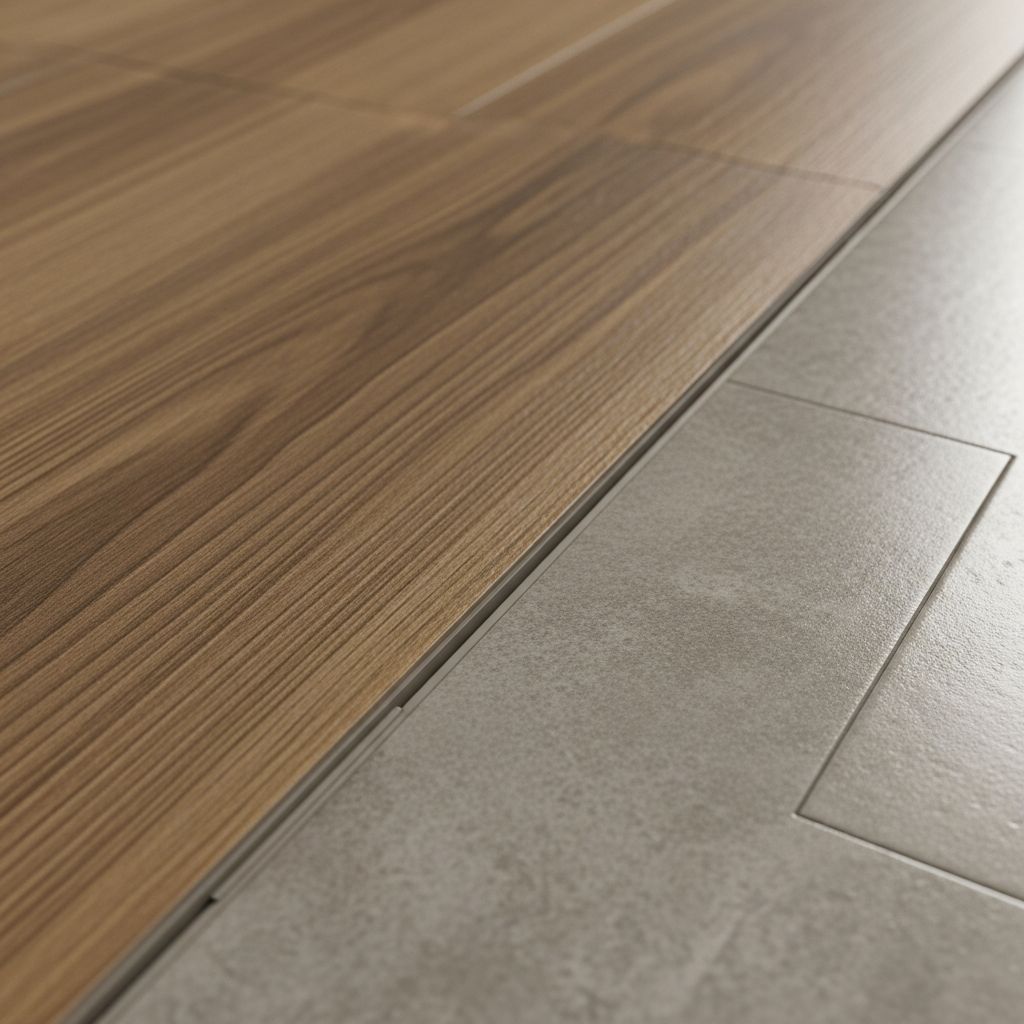
Laminate vs. Vinyl Flooring: Understanding the Key Differences
When it comes to choosing flooring for your home, two popular options stand out: laminate and vinyl. Both are affordable alternatives to natural wood and stone, offering a wide variety of styles and designs that can enhance any room’s aesthetic. However, understanding the differences between these two flooring types is essential for making an informed decision that suits your lifestyle and home needs.
What Is Vinyl Flooring?
Vinyl flooring is a synthetic, waterproof product composed of thin layers of compressed materials. Available in multiple formats, vinyl offers flexibility and durability suitable for various applications throughout your home. The material comes in three primary configurations: soft flexible planks, semi-flexible planks, and rigid core planks, each offering different levels of support and comfort underfoot.
The construction of vinyl flooring involves several key layers. The backing layer provides protection from moisture and offers essential support. Beneath this sits a thick core layer of polyvinyl chloride (PVC) that delivers stability and structural integrity. The decorative printed layer mimics the appearance of wood, stone, or other natural materials, while a protective wear layer on top guards against daily damage and often includes UV coating for sun protection. For optimal performance in residential settings, the wear layer should measure between 10 to 20 millimeters.
What Is Laminate Flooring?
Laminate flooring is a versatile product primarily composed of wood or stone composites, making it both sustainable and recyclable. Unlike vinyl, laminate consists of four distinct layers of material pressed together under high temperatures. This construction method creates a durable product that offers a wider variety of styles than vinyl and often maintains a higher resale value.
The structure of laminate includes a protective backing layer that prevents moisture penetration and provides support stability. The core layer consists of high-density fiberboard (HDF), which protects against indentations and impacts. A decorative layer featuring detailed high-resolution photographs replicates the appearance of wood, stone, or tile. Finally, a thick transparent hard-sealed wear layer on top protects against everyday wear and tear, keeping your floors looking new for years to come.
Appearance and Style Comparison
Both vinyl and laminate flooring excel at mimicking natural materials, but they achieve different aesthetic results. Laminate flooring typically offers a more realistic wood appearance, as the woodgrain-like texture can be more authentically imprinted upon the wear layer. This advantage makes laminate particularly appealing for homeowners seeking genuine wood-like aesthetics at a fraction of the cost.
Vinyl flooring, particularly luxury vinyl planks (LVP), offers impressive visual realism, especially in newer, higher-quality options. Thicker solid-core vinyl can accommodate deeper embossing, resulting in a more convincing wood-like appearance. Older or lower-priced vinyl options may not achieve the same visual quality, though modern manufacturing has significantly improved vinyl’s aesthetic appeal.
Laminate flooring also tends to be thicker than vinyl, giving it a more cushioned feel underfoot and contributing to a more substantial appearance that closely resembles genuine hardwood flooring.
Durability and Longevity
When evaluating flooring durability, both vinyl and laminate perform admirably, though they excel in different conditions. The longevity of both materials is comparable, with vinyl flooring lasting up to 20 years when it features high quality and adequate thickness. Thinner, lower-quality vinyl may only last 10 years or less. Laminate flooring typically has a lifespan of between 15 and 25 years, though poor maintenance can reduce this to 10 years or less.
Vinyl flooring offers superior water resistance, giving it a distinct advantage in moisture-prone environments. This waterproof characteristic makes vinyl the better choice for bathrooms, kitchens, and laundry rooms. Laminate, while durable in dry areas, struggles with water exposure and can suffer from swelling, warping, or complete damage if exposed to excessive moisture.
For high-traffic areas, both flooring types perform exceptionally well. Laminate is particularly scratch-resistant thanks to its hard wear layer, making it excellent for homes with pets or active families. However, vinyl’s resilient nature means it resists dents, scratches, and dings more effectively than laminate, particularly in areas experiencing heavy foot traffic.
Maintenance and Care Requirements
Both flooring types are easy to maintain, requiring minimal effort to keep them looking pristine. For vinyl flooring, regular care involves sweeping to remove debris, followed by wiping with a damp microfiber mop. For deeper cleaning, use a commercial cleaner specifically formulated for vinyl. The waterproof nature of vinyl makes it resistant to stains and spills, requiring only quick cleanup to prevent any potential issues.
Laminate flooring maintenance is similarly straightforward. Regular sweeping and vacuuming remove surface debris, while damp mopping handles general cleaning. However, it’s crucial to avoid excessive water exposure, as laminate can swell or warp if saturated. Laminate is stain-resistant and maintains excellent surface stability with minimal swelling when properly cared for.
Small scratches on laminate can be repaired using a quality laminate scratch repair kit, eliminating the need for board replacement. However, large damaged areas require full board replacement. Vinyl, being non-porous, is inherently more resistant to staining and easier to clean, though it cannot be refinished if significant wear occurs.
Installation Methods and Complexity
Installation differences between vinyl and laminate can impact both time and labor costs. Vinyl flooring offers three installation methods: interlocking, glue-down, and peel-and-stick options. This variety makes vinyl installation more DIY-friendly for homeowners with varying skill levels.
Laminate also supports DIY installation with its interlocking system, making it accessible to homeowners. However, laminate requires more prep work and specialty cuts compared to vinyl, potentially increasing installation complexity and professional labor costs.
Cost Comparison
Both flooring options are budget-friendly alternatives to natural wood and stone. Vinyl flooring is typically less expensive than laminate, offering excellent value for moisture-prone areas. Since vinyl is usually more affordable, replacement costs are lower if damage occurs. Laminate flooring is also budget-conscious but generally costs slightly more than vinyl, though it still remains significantly cheaper than genuine hardwood or stone.
Pros and Cons Analysis
Vinyl Flooring Advantages
- Affordable and budget-friendly option
- Excellent choice for high-moisture environments and water-prone areas
- Exceptionally durable and resilient
- Resists stains, scratches, dents, and dings effectively
- Resilient nature provides comfort and elasticity underfoot
- Easy installation with proper underlayment preparation
- Soft feel, especially with built-in underlayment
- Quieter flooring option compared to laminate
Vinyl Flooring Disadvantages
- Known to emit volatile organic compounds (VOCs) which can be toxic
- Cannot be refinished once worn
- Difficult to remove if applied with adhesive
- Not biodegradable or recyclable
- Does not add to home resale value
- Some varieties can dent and scratch easily
Laminate Flooring Advantages
- Affordable and less expensive than genuine wood
- Realistic appearance of wood and stone materials
- DIY-friendly installation process
- Exceptionally durable for high-traffic areas
- Easy maintenance and care
- Stain-resistant surface
- Excellent surface stability with minimal swelling
- Scratch-resistant and fade-resistant properties
- Better for pets with long nails due to scratch resistance
- Higher resale value compared to vinyl
Laminate Flooring Disadvantages
- Difficult and expensive to repair
- Top layer wear means complete floor replacement needed
- Not waterproof for moisture-prone areas
- Cannot be refinished
- Water damage requires full replacement
- Requires careful handling of spills and moisture
Room-by-Room Suitability Guide
Bathrooms and Laundry Rooms
For moisture-intensive rooms like bathrooms and laundry rooms, vinyl flooring is the clear winner. Its waterproof properties and stain resistance make it ideal for these challenging environments. While waterproof laminate options exist in today’s market, traditional laminate remains unsuitable for bathrooms due to swelling and warping risks.
Living Rooms and Bedrooms
Both flooring types work well in living rooms and bedrooms. Laminate’s realistic wood appearance and higher resale value make it particularly attractive for these spaces. Vinyl also functions adequately in these dry environments, offering its characteristic durability and easy maintenance.
Kitchens
Kitchens present moderate moisture challenges. While vinyl remains the safer choice due to its superior water resistance, modern waterproof laminate products now offer better protection than traditional options. Vinyl’s stain resistance and waterproof nature make it the preferred choice for kitchens with frequent spills.
High-Traffic Areas
Both flooring types handle high-traffic areas admirably. Laminate’s exceptional scratch resistance and fade resistance make it excellent for busy households. Vinyl’s impact-resistant properties and durable wear layer also make it suitable for high-traffic zones.
Water Resistance Comparison
The distinction between water-resistant and waterproof is crucial when choosing flooring. Vinyl flooring is truly waterproof due to its plastic composite construction, making it completely impervious to moisture penetration. This fundamental characteristic makes vinyl superior for moisture-prone areas.
Traditional laminate features a wood core that provides water resistance but not true waterproofing. Modern laminate products, however, have evolved to include waterproof options that rival vinyl’s protection. These advanced laminate products represent a significant advancement in flooring technology, expanding laminate’s application possibilities.
Environmental Considerations
Laminate flooring, being composed primarily of wood or stone composites, is considered a sustainable and recyclable product. This environmental advantage appeals to eco-conscious homeowners seeking greener flooring options.
Vinyl flooring, conversely, is not biodegradable or recyclable. Additionally, vinyl is known to emit volatile organic compounds (VOCs), which can pose health concerns in poorly ventilated spaces. Homeowners concerned about environmental impact and indoor air quality may prefer laminate’s sustainability profile.
Resale Value Impact
When considering long-term home value, laminate generally offers advantages over vinyl. Laminate tends to have higher resale value, as potential buyers often perceive it as a more substantial upgrade. Vinyl, while durable and practical, does not significantly add to home resale value, making laminate the better investment for homeowners planning to sell in the future.
Making Your Decision: Key Considerations
Choosing between laminate and vinyl depends on your specific needs and circumstances. Consider these factors when making your decision:
Choose Vinyl If: You need a waterproof flooring solution for moisture-prone areas, prioritize easy maintenance and durability, want a softer feel underfoot, require a budget-friendly option with easy replacement, and live in high-traffic households with active families or pets.
Choose Laminate If: You prefer a more realistic wood appearance, want a product with higher resale value, need exceptional scratch resistance for pet-friendly homes, live in dry climate zones with minimal moisture concerns, and seek an eco-friendly, recyclable option.
Frequently Asked Questions
Q: Can laminate flooring be used in bathrooms?
A: Traditional laminate is not recommended for bathrooms due to moisture vulnerability. However, modern waterproof laminate products now available on the market offer better protection, making them suitable for bathrooms with proper sealing and maintenance.
Q: How long does vinyl flooring last?
A: High-quality, thick vinyl flooring can last up to 20 years, while thinner, lower-quality vinyl may last only 10 years or less, depending on maintenance and usage patterns.
Q: Is vinyl flooring biodegradable?
A: No, vinyl flooring is not biodegradable or recyclable, making it less environmentally friendly than laminate flooring.
Q: Which flooring is better for pets?
A: Laminate is particularly good for pets with long nails due to its exceptional scratch resistance and fade-resistant properties. Vinyl is also durable and resists scratches and dents, making both suitable for pet-friendly homes.
Q: Can vinyl flooring be refinished?
A: No, vinyl flooring cannot be refinished. Once the wear layer is damaged, the affected planks must be replaced.
Q: What is the lifespan of laminate flooring?
A: Laminate flooring typically lasts between 15 and 25 years when properly maintained. However, poor maintenance can reduce lifespan to 10 years or less.
Q: Which flooring is easier to install?
A: Both are DIY-friendly, but vinyl generally requires less prep work and specialty cuts. Laminate requires more preparation work and specialty cuts, potentially increasing installation complexity.
Q: Does laminate flooring add resale value?
A: Yes, laminate flooring tends to have higher resale value compared to vinyl, making it a better investment for homeowners planning to sell.
References
- Vinyl vs. Laminate Flooring: What’s the Difference? — Lowe’s Home Improvement. Accessed December 3, 2025. https://www.lowes.com/n/buying-guide/vinyl-versus-laminate-whats-the-difference
- Laminate vs. Vinyl Flooring FAQ — Flooring America. Accessed December 3, 2025. https://www.flooringamerica.com/flooring-faq/starting-a-project-faq/laminate-vs-vinyl-flooring
- Vinyl vs. Laminate Flooring: Design Pros Explain Which Is Better — House Beautiful. Accessed December 3, 2025. https://www.housebeautiful.com/home-remodeling/a69111845/vinyl-vs-laminate-flooring-differences/
- Laminate vs. Vinyl Flooring — The Home Depot. Accessed December 3, 2025. https://www.homedepot.com/c/ab/laminate-vs-vinyl/9ba683603be9fa5395fab9014e3d950d
- Luxury Vinyl Plank vs Laminate: What’s the Difference? — YouTube. Accessed December 3, 2025. https://www.youtube.com/watch?v=Ch65Ynsa8DQ
Similar Articles


Read full bio of medha deb