Late-Summer Container Gardens: Colorful Pots That Bridge Summer and Fall
Transform tired summer pots into long-lasting, late-season color displays
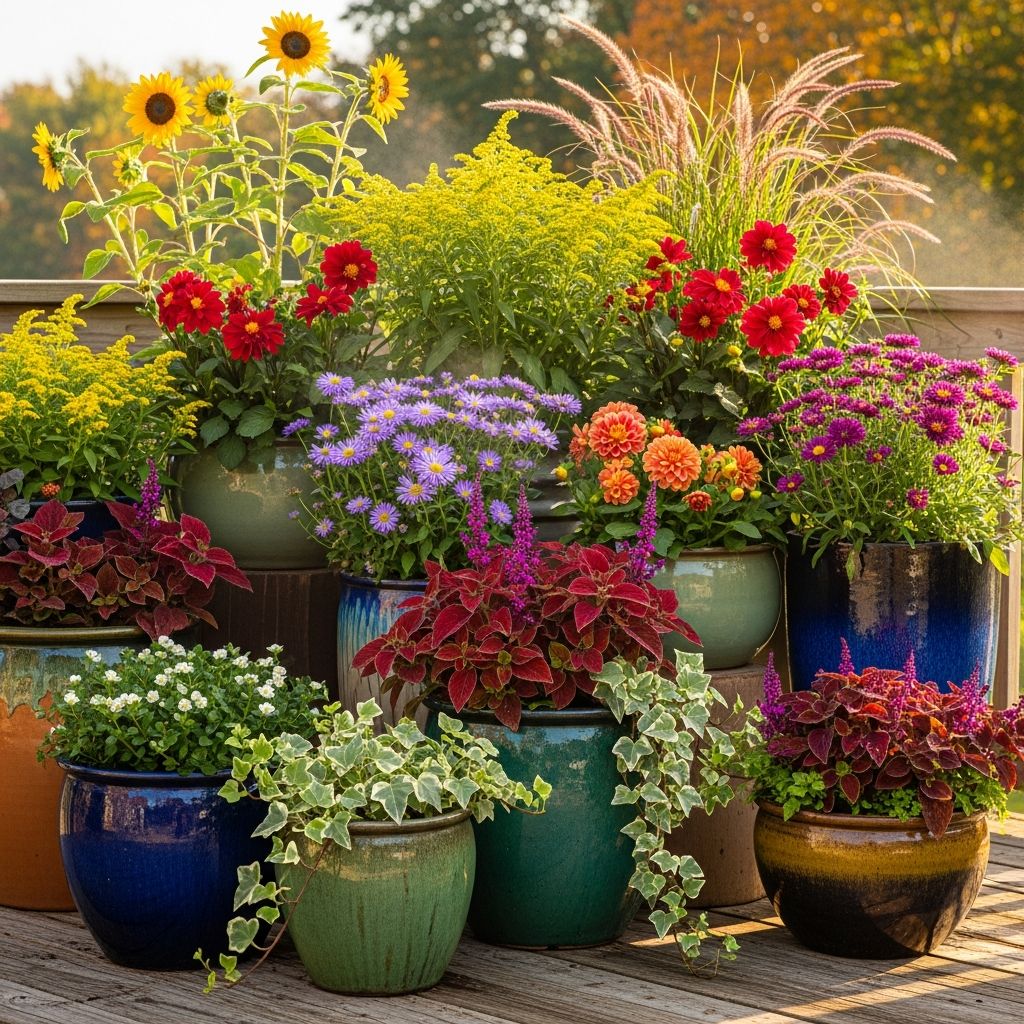
Late-Summer Container Gardens That Shine Into Fall
By late summer, many patio pots are past their prime, but this is actually one of the best times to refresh containers with plants that thrive in cooler nights and mellow sunshine. With a few smart choices, you can build containers that carry color, texture, and interest well into fall.
This guide walks through how to design late-summer containers, which plants to choose, how to keep them looking good, and practical ways to transition your pots as the season cools. The focus is on simple, repeatable ideas you can adapt for any balcony, porch, or garden.
Why Late Summer Is Perfect for New Containers
Planting or refreshing containers in late summer offers several advantages that early-season planting does not. Understanding these benefits helps you choose plants and designs that truly last.
- Nurseries are stocked with late-blooming and cool-season plants that were not available in spring.
- Soil and air are still warm, which encourages fast root growth and quick establishment.
- Cooler nights reduce stress on plants, so foliage often looks richer and flowers last longer.
- Thoughtful choices now can bridge directly into your fall and even early-winter displays.
Planning Your Late-Summer Container Strategy
Before buying new plants, step back and look at the containers you already have. Some may only need a refresh, while others are ready for a total makeover.
Assess existing pots
- Check which plants are still healthy and blooming, and which are clearly finished.
- Look at the structure: do you have a tall focal point, mid-height fillers, and trailing plants?
- Note where each container sits (sun, part shade, or shade) so replacement plants match the conditions.
Set your goals
Decide what you want your late-season containers to do for your space. This helps guide plant selection and color schemes.
- Seasonal splash: Bold color for 6–8 weeks with annuals and late-blooming perennials.
- Long-term planting: More perennials and small shrubs that can later move into garden beds.
- Low-maintenance: Drought-tolerant or compact plants, fewer thirsty annuals.
Choosing Containers and Soil for Late Season
The pot and potting mix matter just as much as the plants, especially as days shorten and weather patterns shift. A well-prepared container gives roots the best chance to thrive through fluctuating temperatures.
Best container types for late summer
- Ceramic and terracotta: Provide good stability and look classic, but can dry out faster in sun.
- Glazed or plastic pots: Hold moisture longer, helpful if you cannot water every day.
- Wooden boxes and barrels: Offer a rustic look and good insulation for roots in cooler nights.
Soil and drainage tips
Use a high-quality, container-specific potting mix. Avoid garden soil, which compacts and drains poorly in pots.
- Ensure each container has drainage holes; add a mesh or shards over the holes if they clog easily.
- Mix slow-release fertilizer into the top layer for consistent nutrition through fall.
- In very hot, dry climates, consider a small portion of water-retaining additive, but never let soil stay soggy.
Design Principles for Late-Summer Pots
Late-season containers benefit from strong structure, rich textures, and a slightly deeper color palette than high-summer schemes. You can still use bright hues, but grounding them with darker foliage and ornamental grasses creates a more seasonal look.
Color themes that work well
- Warm harvest tones: Gold, orange, brick red, and burgundy paired with dark green foliage.
- Soft sunset: Peach, apricot, dusty rose, and cream for a gentle transition into fall.
- Bold contrast: Deep purple or dark leaf plants combined with clear yellow or white flowers.
Using the thriller–filler–spiller idea
Even with an original design, it helps to think in terms of vertical roles in the pot. Instead of copying any formula, adapt the concept to your own style.
- Vertical accent (thriller): A taller plant that draws the eye, like an ornamental grass or upright perennial.
- Mid-level interest (filler): Bushy plants that knit the design together and provide color or foliage mass.
- Trailing edge (spiller): Plants that soften pot edges and pull color down the sides of the container.
Plant Ideas for Late-Summer Containers
Below is a range of plant types that perform well from late summer into fall. Mix flowers, foliage, and grasses for strong seasonal drama and better resilience to changing weather.
Top plant types by role
| Role in container | Plant type examples | Primary effect |
|---|---|---|
| Vertical accent | Ornamental grasses, upright salvias, tall daisies, compact shrubs | Height, movement, structure |
| Flowering filler | Late-blooming perennials, cool-season annuals, compact mums | Color blocks and abundant blooms |
| Foliage interest | Heuchera, coleus, small evergreen perennials | Depth, contrast, and year-round appeal |
| Trailing edge | Trailing petunias, ivy, creeping herbs, ornamental vines | Softens edges and connects pot to surroundings |
Flowers that love late summer
- Late-blooming daisies and coneflower-types: Provide strong color and sturdy stems that handle wind and cooler nights.
- Compact chrysanthemums: Offer dense mounds of blooms, ideal for instant impact near entryways.
- Cool-season annuals: Plants such as pansies or snapdragon varieties can be tucked in for a long, cool-weather show.
Foliage and grasses for texture
Late-season design is often defined more by leaves and texture than just petals. Combining different leaf shapes and colors makes even a mostly green pot feel rich and layered.
- Use ornamental grasses with plumes to catch the light and add movement on breezy days.
- Include at least one plant with dark or patterned foliage, such as burgundy or silver leaves, to add depth.
- Balance bold leaves with finer textures so the container does not appear heavy or flat.
Step-by-Step: Refreshing a Tired Summer Pot
If your current containers are full of lanky stems and spent blossoms, you do not have to start from scratch. A quick refresh can extend their life and give them a new look tailored to late summer.
- Water thoroughly the day before. Moist soil makes it easier to remove plants and reduces stress on any roots you keep.
- Remove what is failing. Pull or cut out plants that are clearly done: browned stems, persistent pests, or no sign of new growth.
- Trim and groom keepers. Cut back leggy, healthy plants by about one-third and remove faded flowers and damaged leaves.
- Top up the soil. Add fresh potting mix around existing root balls, gently firming it without compacting.
- Add new plants strategically. Introduce a tall focal plant, new fillers, and a trailing variety in openings, spacing them a bit tighter than you would in spring.
- Water deeply and shade briefly. After planting, water until it drains from the bottom, then give the pot a day or two out of intense afternoon sun.
Creating New Late-Summer Containers From Scratch
Starting fresh allows you to build a container fully tailored to late-season color and texture. You can still reuse soil components if they are healthy, but most gardeners prefer to begin with fresh mix for best drainage and nutrition.
Simple layout formula
- Select one taller plant or grass for the back or center, depending on viewing angle.
- Add three to five mid-height flowering or foliage plants around it, staggering colors.
- Finish with two to four trailing plants near the rim to spill over the edges.
Examples of late-summer themes
Use these as inspiration and adapt to your climate and available plants.
- Warm doorway welcome: Ornamental grass in the center, gold and orange flowering perennials around, with trailing ivy or creeping Jenny at the rim.
- Soft cottage mix: A taller daisy-type flower plus pastel annuals, balanced with silvery foliage and a soft trailing plant.
- Modern monochrome: Dark-leaf foliage, purple-toned flowers, and a single trailing plant in a similar color family, all in a simple pot.
Care Tips for Late-Summer and Fall Containers
As the season progresses, your containers face wider temperature swings and shifting sun angles. Adjusting your care routine helps pots stay full and healthy much longer.
Watering and feeding
- Check moisture with your finger; soil should feel slightly moist a couple of inches down, not bone dry or waterlogged.
- Water in the morning when possible so foliage can dry before cooler night air arrives.
- Feed every two to three weeks with a diluted, balanced or bloom-boosting fertilizer unless you already added a slow-release product.
Pruning and grooming
Regular light maintenance keeps late-season containers from slipping into a messy, end-of-summer look.
- Deadhead spent blooms weekly to encourage more flowers on responsive plants.
- Pinch back or lightly trim any stems that stretch or flop, especially after storms.
- Remove yellowing leaves promptly to improve appearance and reduce disease risk.
Extending Containers Into Cooler Weather
With a few small swaps and some protective steps, many late-summer containers can carry on into mid or even late fall. Some components may last into the next year if your climate allows.
Transitioning to true fall
- Replace any heat-loving annuals that fade with cool-season flowers or hardy foliage plants.
- Add decorative touches like mini pumpkins or natural branches once nights regularly cool down.
- Shift containers slightly to capture more sun as days grow shorter and shadows lengthen.
Overwintering container plants
Some plants in your late-summer display may be worth saving rather than treating as disposable. Planning ahead gives you more value from each purchase.
- Move cold-sensitive perennials and tender herbs into a protected area before the first hard frost.
- Transplant hardy perennials and small shrubs from containers into garden beds in early fall so roots can establish.
- For pots that must remain outside, group them together against a sheltered wall to create a slightly warmer microclimate.
Frequently Asked Questions
How late can I plant a new container for the season?
In many regions, you can plant or refresh containers through late summer and into early fall as long as the soil is still workable and your chosen plants are suited to the remaining weeks of your growing season. Focus on cool-season flowers, tough perennials, and foliage plants if you are planting closer to your expected first frost date.
Do I need to replace all the soil when I redo a container?
For a mid-season refresh, you can often keep most of the existing potting mix if it still drains well and shows no signs of pests or disease. Remove old roots and add fresh mix around new plants, but plan to fully replace the soil at least once every year or two for best results.
What should I do with perennials from my containers at the end of the season?
Healthy perennials can be transplanted into garden beds where they may return next year, saving money and building your borders. Dig them out gently, keep as much root ball as possible, and plant them at the same depth in well-prepared ground a few weeks before the ground freezes.
How often should I fertilize late-summer planters?
If you mixed a slow-release fertilizer into the soil, you may only need occasional supplemental feeding with a diluted liquid fertilizer. Without slow-release granules, a light application every two to three weeks is usually enough, stopping a few weeks before hard frost so plants can begin to wind down naturally.
Can I grow edible plants in late-summer containers?
Yes, many cool-season edibles like leafy greens, herbs, and some compact vegetables grow very well in late-summer and fall containers. Just make sure your containers receive enough sun for the specific crops you choose and avoid mixing edibles with ornamental plants that may have been treated with non-food-safe products.
Similar Articles




Read full bio of Sneha Tete