Laundry Stripping: Deep Clean Your Fabrics
Master the viral laundry stripping technique to remove buildup and restore fabric freshness.
What Is Laundry Stripping?
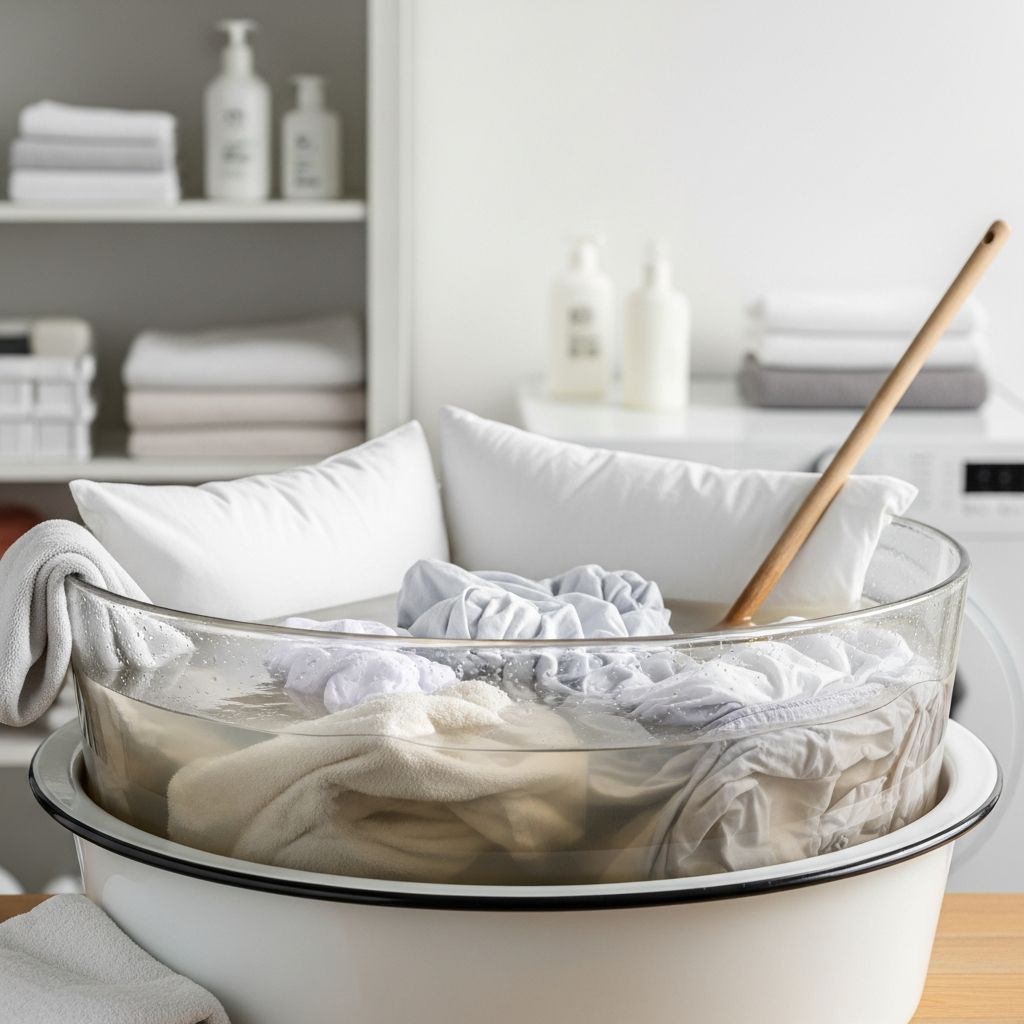
Laundry stripping is a deep-cleaning technique designed to remove accumulated buildup from fabrics that have been worn and washed multiple times. This process goes beyond regular washing by targeting the residue that standard laundry detergent cannot remove. Over time, bacteria, body oils, dirt, fabric softener deposits, and hard water minerals accumulate on the fibers of your clothing, towels, and bedding, causing them to smell stale or retain odors even after regular washing.
The laundry stripping method uses a powerful combination of three ingredients to break down and lift these stubborn deposits from fabric fibers. Many people who have tried this technique report dramatic results, with visibly discolored water after soaking revealing just how much buildup was present on supposedly clean clothes. This viral cleaning trend has gained popularity on social media platforms where before-and-after photos and videos showcase the surprisingly grimy water produced during the stripping process.
How Laundry Stripping Works
The science behind laundry stripping involves using specific cleaning agents that work together to break down different types of buildup. Borax acts as a water softener and helps lift mineral deposits and hard water residue from fabric fibers. Washing soda is an alkaline compound that cuts through grease and oils effectively. Powdered laundry detergent provides additional cleaning power to suspend the released particles in water so they can be rinsed away rather than redeposited on the fabric.
When these three ingredients are combined with hot water and given sufficient time to work, they create an environment that loosens and removes years of accumulated residue. The extended soaking period—typically four to six hours—allows the cleaning solution to penetrate fibers deeply and systematically release the buildup. This method is significantly more effective than adding these ingredients to a regular washing machine cycle because the extended contact time and high concentration of cleaning agents cannot be replicated in a standard wash.
Laundry Stripping Ingredients and Supplies
To successfully strip your laundry, you’ll need the following items:
- Borax (1/4 cup)
- Washing soda (1/4 cup)
- Powdered laundry detergent (1/2 cup)
- Hot water
- A bathtub, top-loading washing machine, large bucket, or sink
- A stirring tool with a long handle (such as a broomstick)
When selecting your powdered laundry detergent, choose a product that dissolves easily in water rather than a concentrated liquid formula. Popular options include Tide, Tide Free & Gentle for those with sensitivities, or any other quality powdered detergent brand of your choice. The powder formulation ensures proper mixing and prevents residue from remaining on your fabrics after the process.
Step-by-Step Laundry Stripping Instructions
Step 1: Fill Your Vessel with Hot Water
Begin by filling your bathtub, top-loading washer, large bucket, or sink with the hottest water your tap can produce. Hot water is essential because it helps the cleaning agents dissolve properly and work more effectively. The heat also helps open fabric fibers, allowing the solution to penetrate more deeply.
Step 2: Add the Cleaning Mixture
Combine 1/4 cup of borax, 1/4 cup of washing soda, and 1/2 cup of powdered laundry detergent in the hot water. Stir thoroughly using a long-handled tool to ensure all ingredients dissolve completely. The water should appear clear once everything is fully dissolved. If you’re using a smaller vessel like a sink or bucket, reduce the ingredient quantities proportionally while maintaining the same ratios.
Step 3: Add Your Laundry
Place your clothes, towels, bedding, or other items into the solution. Submerge everything completely, ensuring each piece makes good contact with the cleaning solution. Work in batches if necessary to avoid overstuffing, as each item needs adequate space for the solution to work effectively.
Step 4: Soak and Stir
Allow your laundry to soak for four to six hours. During this time, stir and agitate the items approximately once every hour to ensure even exposure to the cleaning solution. Use your long-handled tool to gently move items around. You’ll likely notice the water gradually darkening as buildup is released from the fabrics—this visual evidence of deep cleaning is one reason this process has become so popular on social media.
Step 5: Drain and Wash
After the soaking period is complete, drain the water from your vessel. Transfer the laundry items to your washing machine and run a rinse and spin cycle without adding any additional detergent. The goal is simply to rinse away the remaining solution and released particles. Once the rinse cycle completes, dry your laundry as you normally would.
What Laundry Stripping Removes
The laundry stripping process effectively removes multiple types of buildup that accumulate on fabrics over time:
- Bacteria and Odor-Causing Microorganisms: These organisms thrive in the accumulated residue on fabrics, causing persistent smells even in supposedly clean clothes.
- Body Oils and Sweat Residue: Natural body oils accumulate on clothing, particularly in areas of frequent contact like underarms and collars.
- Fabric Softener Buildup: Commercial fabric softeners leave a waxy coating on fibers that attracts dirt and prevents fabrics from absorbing water properly.
- Hard Water Minerals: In areas with hard water, mineral deposits accumulate on fabrics, making them feel stiff and dingy.
- Dirt and Grime: Fine particles that regular washing doesn’t fully remove can be dislodged by the stripping solution.
- Detergent Residue: Soap buildup from repeated washings can be lifted away during the stripping process.
Best Items to Strip
Laundry stripping is particularly effective for certain types of items:
- Gym Clothes and Athletic Wear: These items accumulate sweat, body oils, and bacteria that regular washing struggles to remove completely, making them ideal candidates for stripping.
- Towels and Washcloths: Towels absorb moisture and oils and develop musty smells over time; stripping restores their absorbency and freshness.
- Bedding and Sheets: These items come into direct contact with skin for extended periods and benefit greatly from deep cleaning.
- Work Clothes and Heavy-Duty Garments: Items exposed to dirt, sweat, and environmental contaminants benefit from the intense cleaning this process provides.
- Undergarments and Socks: These items trap moisture and oils and can develop persistent odors that stripping effectively eliminates.
Important Precautions and Warnings
While laundry stripping is an effective cleaning method, certain precautions should be observed:
Avoid Delicate Fabrics: This intense cleaning method is too harsh for delicate items such as silk, lace, or fine knits. Reserve laundry stripping for sturdy fabrics that can withstand vigorous treatment.
Test Colored Items Carefully: Before stripping colored clothing, test the solution on an inconspicuous area first. Group like colors together to minimize any potential color bleeding. The solution is generally safer for whites and light colors.
Protect Your Tub or Container: Depending on your vessel’s material and finish, the stripping solution may cause staining. Consider this risk, particularly with valuable or finished surfaces. Using a bathtub rather than sink or bucket can help mitigate this concern.
Use Sparingly: Laundry stripping should be performed only every few months, not as a regular laundry routine. The powerful cleaning agents can potentially damage fabrics if used too frequently, so reserve this method for periodic deep cleaning.
Follow Safety Guidelines: Always use very hot water and stir carefully with a long-handled tool to avoid burns. Ensure the area is well-ventilated and keep the solution away from children and pets.
Expected Results from Laundry Stripping
After completing a laundry stripping cycle, you can expect several improvements in your fabrics:
Enhanced Cleanliness: Clothes will smell noticeably fresher without any stale or musty odors. The removal of bacteria and accumulated residue eliminates the sources of unpleasant smells.
Improved Feel and Texture: Fabrics often feel softer and more comfortable against the skin once buildup is removed. Towels become more absorbent, athletic wear regains elasticity, and sheets feel more luxurious.
Brighter Appearance: White items may appear brighter and more vibrant once the dingy buildup is removed. While the overall color of items typically doesn’t change dramatically, their appearance improves noticeably.
Better Performance: Athletic wear regains its original stretch and flexibility, towels become more absorbent, and moisture-wicking fabrics function more effectively once waxy residue is removed.
Alternative Methods and Variations
If you don’t have access to a bathtub or top-loading washer, you can adapt the laundry stripping method to fit your situation. A large bucket or sink can be used with proportionally reduced ingredient amounts while maintaining the correct ratios. Some people have experimented with adding the stripping ingredients directly to a washing machine’s rinse cycle, though this method is less effective than traditional soaking because the contact time is significantly reduced.
For smaller items like individual hats, hand towels, or delicate athletic pieces, soaking them in a sink or bucket works well. The key to success with any variation is ensuring sufficient contact time between the cleaning solution and the fabric.
Frequently Asked Questions
Q: Is laundry stripping safe for all fabric types?
A: No, laundry stripping is not recommended for delicate fabrics like silk, lace, or fine knits. This method is best suited for sturdy everyday items like towels, sheets, gym clothes, and casual wear. Always test an inconspicuous area of colored items before proceeding.
Q: How often should I strip my laundry?
A: Laundry stripping should be performed only every few months, not as a regular washing routine. Using this intense cleaning method too frequently can potentially damage fabrics over time.
Q: Can I use liquid laundry detergent instead of powder?
A: Powdered laundry detergent is recommended because it dissolves more easily in the solution and won’t leave residue on your fabrics. Liquid detergents may not dissolve as completely and could affect results.
Q: What should I do with the discolored water after stripping?
A: Simply drain the water down the sink or shower drain. The water is safe to dispose of through your regular plumbing system. The dark color indicates the successful removal of accumulated buildup from your fabrics.
Q: Will laundry stripping damage my bathtub?
A: Depending on your tub’s material and finish, the solution may potentially cause staining. If you’re concerned about damage, consider using a large bucket, plastic basin, or testing on an inconspicuous area first.
Q: Can I use laundry stripping on colored clothing?
A: Yes, but with caution. Always test the solution on an inconspicuous area first, group like colors together, and monitor the process closely. Light colors are generally safer than dark colors.
Conclusion
Laundry stripping offers an effective solution for deep cleaning fabrics that have accumulated buildup from regular wear and washing. Whether you’re dealing with persistent odors in gym clothes, musty-smelling towels, or bedding that hasn’t felt fresh in years, this simple three-ingredient method can restore your fabrics to near-new condition. While the process requires patience and planning, the dramatic results and the satisfaction of witnessing years of accumulated residue being lifted from your belongings make it worth the effort. By following the proper procedures and taking appropriate precautions with delicate items, you can safely incorporate laundry stripping into your regular cleaning routine a few times annually to maintain fresh, clean fabrics throughout your home.
References
- What Is Laundry Stripping? How It Works, Why It’s Gross — Hip2Save. 2024. https://hip2save.com/diy/laundry-stripping-recipe/
- Borax Safety Information — U.S. Environmental Protection Agency (EPA). 2023. https://www.epa.gov/
- Fabric Care and Maintenance Best Practices — The Textile Exchange. 2024. https://textileexchange.org/
Similar Articles


Read full bio of Sneha Tete