Restoring Your Lawn: A Complete Guide to Grass Revival
Transform your brown, patchy lawn into a vibrant green space with proven techniques and expert strategies.
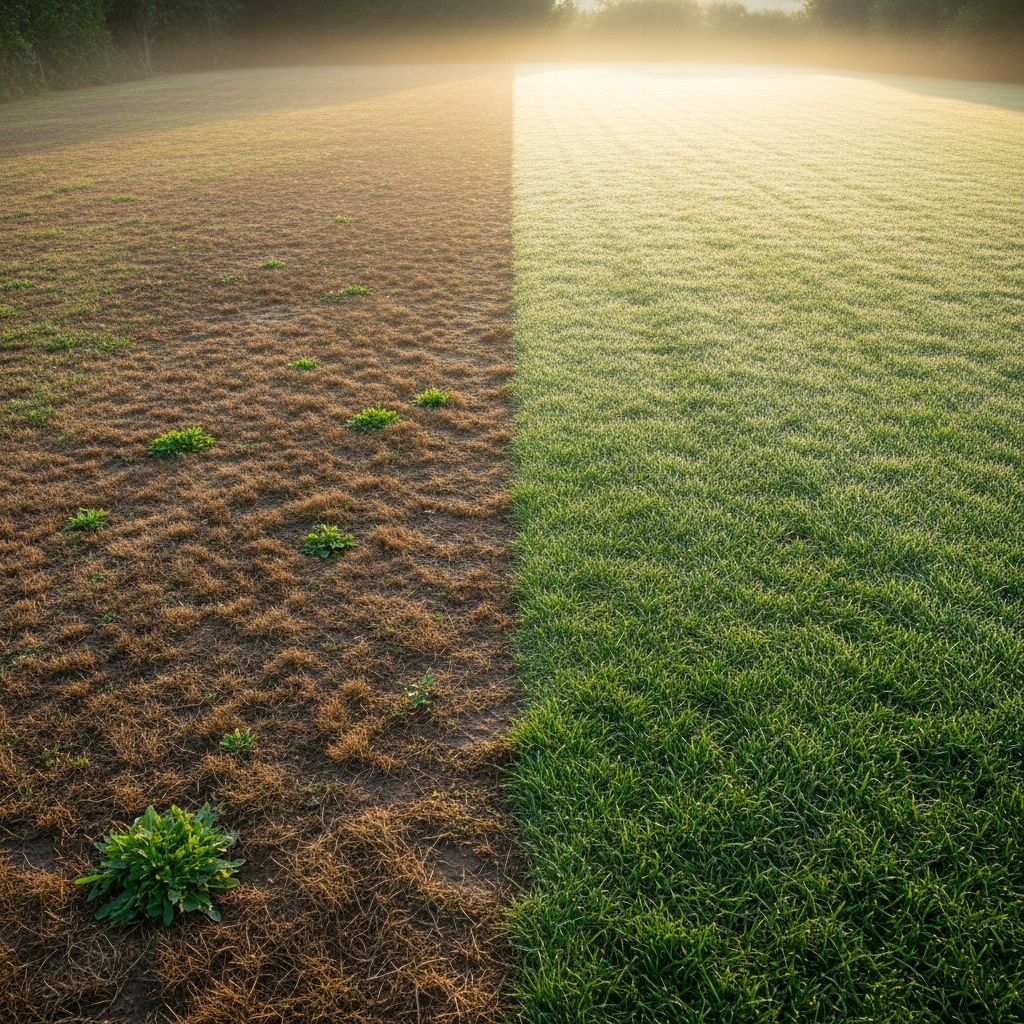
A lush, green lawn is the hallmark of a well-maintained home, but brown patches, sparse growth, and dying grass can quickly diminish your outdoor space’s appeal. Whether your lawn is suffering from environmental stress, poor maintenance practices, or soil depletion, the question remains: can it be saved? The answer depends on understanding whether your grass is truly dead or merely dormant, and what caused the problem in the first place.
The good news is that most lawn problems are reversible with the right approach. Many homeowners assume their grass is beyond repair when, in reality, targeted interventions can restore vitality and density to underperforming lawns. This guide walks you through the diagnostic process, effective restoration techniques, and the maintenance practices necessary to keep your lawn thriving year-round.
Understanding the Difference: Dormancy Versus Complete Death
Before attempting any revival strategy, it’s crucial to determine whether your grass is truly dead or simply dormant. Dormant grass enters a state of reduced metabolic activity during unfavorable growing conditions—typically in winter for cool-season grasses or during prolonged drought for warm-season varieties. Dormant grass retains the potential to spring back to life once conditions improve, usually within a month of proper care.
Truly dead grass, conversely, cannot recover regardless of the interventions applied. Once grass tissue dies, no amount of water, fertilizer, or care will revive those dead plants. The only option in this scenario is complete lawn renovation through reseeding or sod installation.
To distinguish between the two conditions, perform a simple root inspection. Pull up several grass samples from different areas of your lawn and examine the roots closely. Healthy dormant grass displays white or light-colored roots that are firm to the touch. Dead grass exhibits brown, mushy, or deteriorated roots that crumble easily. Additionally, dormant grass may show some green color at the base of blades, while completely dead grass will be brown throughout.
Diagnosing the Root Cause of Lawn Decline
Before implementing revival strategies, identify what caused the problem. Different causes require different solutions, and treating the symptom without addressing the underlying issue will yield disappointing results.
Conducting a Soil Assessment
Start with a professional soil test, which reveals critical information about your lawn’s foundation. This test determines soil pH levels, identifies nutrient deficiencies, measures organic matter content, and assesses soil texture. Many university extension services offer inexpensive soil testing, or you can purchase a home soil test kit from a garden center.
Beyond laboratory analysis, perform a visual inspection. After a substantial rainfall, walk your lawn and observe where water accumulates. Pooling water indicates drainage problems caused by compacted soil or poor grading. These conditions suffocate roots and create environments where disease thrives.
Evaluating Management Practices
Improper lawn care practices often inflict more damage than environmental factors. Common mistakes include mowing too short, which reduces the grass plant’s ability to photosynthesize and weakens root systems. Cutting more than one-third of the blade height at a single mowing creates stress that leaves grass vulnerable to disease and drought.
Timing issues in lawn care also cause problems. Applying nitrogen fertilizer during peak summer heat when grass is heat-stressed accelerates disease development. Similarly, overseeding cool-season grass immediately before winter frost prevents germination, wasting seed and resources.
Preparation Phase: Setting the Foundation for Recovery
Successful lawn revival begins with thorough preparation. This phase removes obstacles to growth and creates optimal conditions for seed germination and root establishment.
Removing Debris and Addressing Thatch
Clear your lawn of all debris—leaves, branches, acorns, and other organic material that accumulates on the soil surface. This debris blocks sunlight from reaching grass plants and prevents seeds from making contact with soil during overseeding.
Next, assess your thatch layer. Thatch is the accumulation of dead grass, roots, and organic matter that builds up between living grass and soil. While some thatch provides insulation and moisture retention, excessive thatch (over half an inch) blocks water and nutrient penetration. Dethatch your lawn using a power dethatcher, which mechanically removes this layer and preps soil for new growth. Many lawn care professionals offer dethatching services if you prefer to avoid equipment rental.
Mowing to Proper Height
Mow your lawn down to 1 to 2 inches before overseeding. This height removes excessive foliage that would otherwise prevent new seed from contacting soil, while maintaining enough leaf tissue to protect the crown of existing plants. Use a sharp mower blade to create clean cuts rather than ragged edges that invite disease.
Aeration: Creating Space for Growth
Soil compaction is one of the most common causes of lawn decline, particularly in high-traffic areas or lawns with heavy clay soil. Compact soil restricts water penetration, limits oxygen availability to roots, and prevents nutrient absorption. Core aeration solves this problem by extracting small plugs of soil from your lawn, creating channels for water, oxygen, and nutrients to reach the root zone.
The extracted soil cores should remain on your lawn to break down naturally, returning organic matter to your soil system. Leave cores for one to two weeks before they decompose completely. Aeration should be performed when soil is slightly moist—not waterlogged or completely dry—to ensure the machine can penetrate effectively.
Strategic Overseeding for Density and Coverage
Overseeding fills in bare spots, increases lawn density, and introduces more vigorous grass varieties that may be better suited to your climate and growing conditions. If at least 50% of your lawn remains alive, overseeding can restore the lawn without complete renovation.
Selecting Appropriate Seed
Choosing the right grass seed variety is critical to success. Select seed that is native to your region and proven to thrive in your climate zone. Cool-season grasses (such as fescues, bluegrass, and ryegrasses) excel in northern climates, while warm-season varieties (including Bermuda, zoysia, and St. Augustine) perform best in southern regions. Using non-native grass wastes resources and leads to repeated failure.
Purchase quality seed from reputable suppliers. High-quality seed has superior germination rates and lower levels of weed seeds and inert material compared to bargain alternatives.
Application Timing and Technique
Timing is essential for seed germination success. For cool-season grasses, early fall (late August through October) is optimal, with spring as an acceptable alternative. Soil temperatures should be between 50–65°F to promote germination. For warm-season grasses, wait until late spring or early summer when soil temperatures consistently reach 65–70°F and stay there.
Use a seed spreader to distribute seed evenly across your lawn, ensuring consistent coverage and preventing bare spots. After spreading, rake lightly to help seed make contact with soil. Some homeowners apply a thin layer of compost or topsoil to further improve seed-to-soil contact and provide initial nutrients to seedlings.
Establishing a Proper Watering Regime
Watering is perhaps the most critical factor in seed germination and early growth. Poor watering practices are among the most common reasons overseed operations fail.
Initial Establishment Phase
For the first 2 to 3 weeks after seeding, maintain consistently moist soil—not soggy, but evenly damp. This typically requires watering daily, sometimes twice daily during hot, dry, or windy conditions. Use light, frequent watering rather than occasional heavy irrigation. The top inch of soil should feel slightly wet when you touch it.
For recovery situations where you’re addressing significant damage, ensure your lawn receives deep watering three times weekly for 45 to 90 minutes per session. While this may seem excessive, it creates the consistent moisture necessary for seed germination and deep root development.
Transition to Deep Watering
Once grass emerges and reaches 1 to 2 inches in height (usually after a few weeks), transition to deeper, less frequent watering. This approach encourages roots to grow downward into the soil profile and develop strength. Instead of daily sprinkles, apply water in one or two substantial soakings per week.
By weeks 4 to 6, settle into your regular maintenance watering schedule of approximately 2 inches of water per week, delivered through one or two deep soakings rather than daily light sprinklings. This training approach develops a deep, resilient root system that accesses moisture deeper in the soil profile where it’s less susceptible to surface evaporation.
Nutritional Support Through Fertilization
Fertilizer plays a supporting role in lawn revival rather than a starring role. Many homeowners mistakenly believe fertilizer can revive dead grass, but fertilizer cannot bring back dead plants. However, fertilizer enhances already-living grass and supports the establishment of newly seeded areas.
When to Fertilize
Apply a starter fertilizer formulated for overseeding at the time you spread seed. This provides readily available nutrients to help seedlings establish quickly. For established areas undergoing revival, apply fertilizer during the active growing season when grass is capable of utilizing nutrients for growth.
Timing matters significantly. Never apply nitrogen fertilizer during peak summer heat when warm-season grass is stressed, or immediately before winter when cool-season grass is entering dormancy. In the Midwest, apply nitrogen after winter as part of spring feeding, as winter conditions leach away or lock up much of the soil’s nitrogen supply.
Selecting Appropriate Formulations
Choose fertilizers matched to your grass type and current growing conditions. Spring applications benefit from balanced or nitrogen-rich formulations to support leafy growth. Fall applications in cool-season lawns benefit from higher phosphorus and potassium to strengthen roots and cold hardiness.
Post-Revival Maintenance Practices
Once your lawn shows signs of recovery, establishing proper long-term maintenance prevents relapse into decline.
Mowing Practices
Never remove more than one-third of the grass blade height in a single mowing session. This conservative approach maintains leaf tissue for photosynthesis and protects grass from stress. Mow frequently enough to comply with the one-third rule rather than allowing grass to grow excessively between cuttings.
Ongoing Watering and Nutrition
Continue watering regularly even after new grass is established. Most lawns require approximately 1 to 1.5 inches of water weekly during the growing season, whether from rainfall or irrigation. Adjust based on your local climate and soil characteristics.
Establish a regular fertilization schedule appropriate to your grass type and climate. Most lawns benefit from 2 to 4 applications annually, timed to support active growth periods and address seasonal nutrient demands.
Advanced Techniques for Challenging Situations
Some lawns face persistent problems requiring more intensive intervention. Grub infestations, for example, cause extensive turf damage. Treating grub populations with nematode solutions or targeted insecticides, followed by aeration and overseeding, can restore heavily damaged areas. The transformation typically occurs within 3 weeks as grub populations collapse, allowing treated areas to recover substantially.
Microbial applications containing beneficial bacteria and fungi enhance soil biology and strengthen grass disease resistance. These treatments, applied in spring and mid-fall, develop deeper green color, improved drought resistance, and natural disease suppression without chemical additives.
Timeline Expectations for Lawn Recovery
Patience is essential when reviving a lawn. If your grass is dormant rather than dead, expect recovery within approximately one month with proper care and maintenance. Complete renovation through overseeding typically shows visible results within 2 to 3 weeks for fast-growing varieties, though full establishment may take 6 to 8 weeks.
If you install new sod, your lawn will look established immediately, but roots require several weeks to anchor into underlying soil. Proper watering during this establishment period is critical for sod success.
Selecting the Right Revival Season
The timing of your revival efforts significantly impacts success rates. Early fall (late August through October) is generally superior to spring for cool-season grass establishment. Fall soil temperatures are moderate and declining, and soil retains summer warmth to promote germination while air temperatures cool, reducing stress on new seedlings. Fall-seeded lawns also avoid the heat stress that challenges spring-established grass during the first summer.
For warm-season grasses, late spring through early summer provides optimal establishment conditions when soil temperatures consistently exceed 65°F. Avoid seeding warm-season grasses in early spring when soil is still cool, or in late summer when they won’t establish before fall dormancy.
When to Consider Complete Renovation
If your lawn is truly dead with less than 50% surviving grass, or if repeated revival attempts fail, complete renovation may be the most practical solution. This involves either killing all remaining vegetation and reseeding from bare soil, or removing existing sod and installing new turf. While more expensive and labor-intensive than targeted overseeding, complete renovation eliminates persistent problems and allows you to start fresh with healthy soil and vigorous new grass.
Working with a professional lawn care provider can help determine whether your lawn is salvageable or whether complete renovation is the more economical choice given your specific situation.
References
- How to Revive Dead Grass — ExperiGreen. Accessed February 2026. https://experigreen.com/how-to-revive-dead-grass/
- How to Revive Dead Grass (Or Bring Brown Grass Back to Life) — Fairway Lawns. Accessed February 2026. https://fairwaylawns.com/how-to-revive-dead-grass/
- These 5 Lawn Revival Tips Turned My Yard Into a Green Paradise — YouTube. Accessed February 2026. https://www.youtube.com/watch?v=BoZOEpD53BU
Similar Articles




Read full bio of medha deb