Why Your Lawn Mower Won’t Start: Troubleshooting Guide
Master the essential fixes to get your lawn mower running smoothly again.
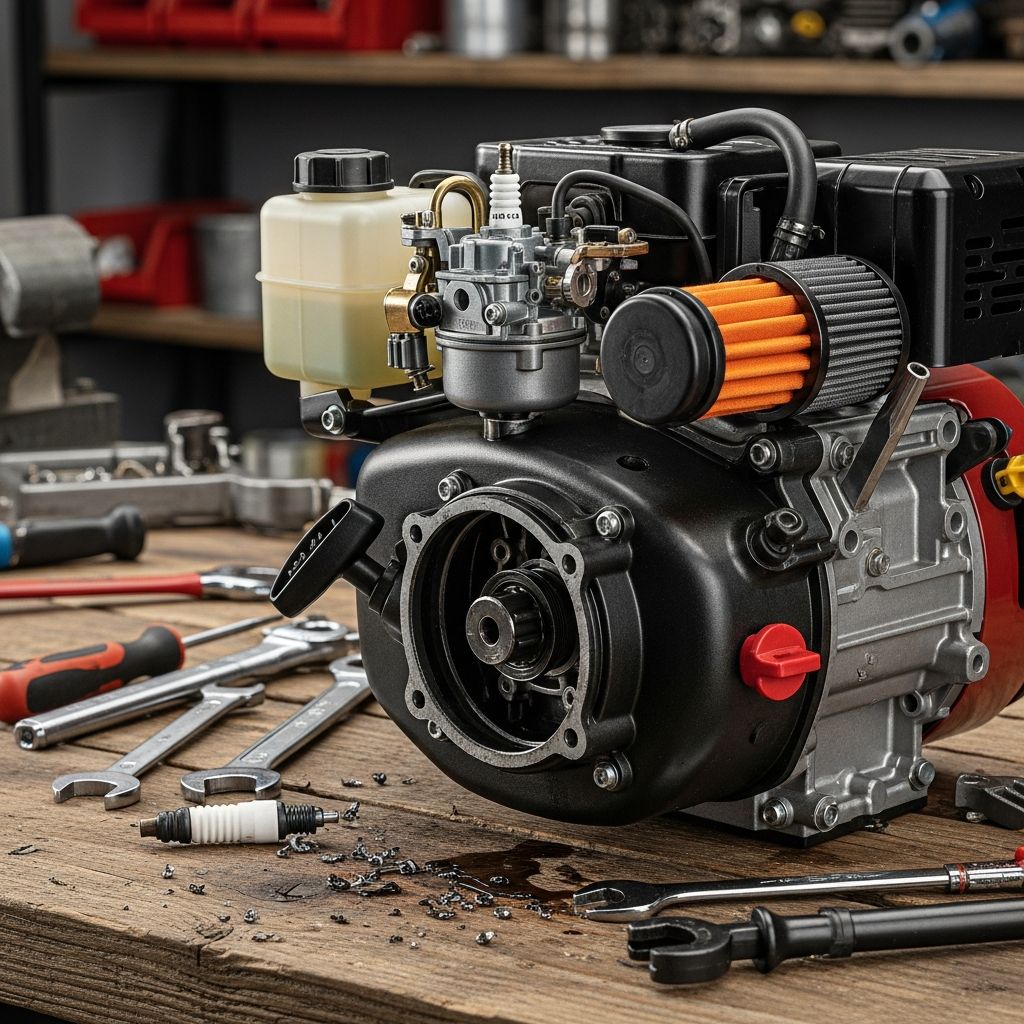
Why Your Lawn Mower Won’t Start: A Complete Troubleshooting Guide
Few things are more frustrating than preparing to tackle your lawn only to find that your mower won’t start. Whether you’re dealing with a push mower, riding mower, or any model in between, starting problems can derail your weekend plans. The good news is that most lawn mower starting issues are caused by preventable maintenance problems that you can diagnose and fix yourself. Before you call a professional or consider replacing your equipment, work through these common culprits systematically to identify and resolve the problem.
Step 1: Check Your Fuel Supply
The most frequently overlooked reason a lawn mower won’t start is simple: there’s no fuel in the tank. Before investigating more complex issues, open your fuel cap and look inside. You should see fuel sloshing around in the tank. If the tank appears empty, fill it with fresh gasoline and attempt to start the mower.
However, having fuel in the tank isn’t always enough. The quality and age of your fuel matter significantly. Gasoline that’s been sitting in your mower for more than 30 days can break down and become contaminated with moisture and dirt particles. This stale fuel can clog your carburetor and fuel system, preventing the engine from starting. If you suspect old fuel is the problem, use an inexpensive oil siphon pump to carefully drain the old gas into a proper gas can and dispose of it according to local regulations. Replace it with fresh gasoline and try starting again.
For future prevention, use a fuel stabilizer to keep your gasoline fresh throughout the season. This additive prevents fuel from gumming up your carburetor and varnishing your fuel system components, which are common culprits behind starting difficulties.
Step 2: Inspect and Clean the Spark Plug
The spark plug creates the electrical spark that ignites fuel in your engine, making it essential for starting. If your spark plug is loose, dirty, disconnected, or coated with water or carbon residue, your mower won’t start. Checking and servicing the spark plug is one of the most effective troubleshooting steps.
To inspect your spark plug, follow these steps:
- Locate the spark plug, typically found on the front or side of the engine
- Disconnect the spark plug wire by gently pulling the boot away from the plug
- Using a socket wrench, carefully unscrew the spark plug and remove it
- Examine the electrode and insulator for buildup, corrosion, or damage
If you notice carbon buildup or other debris, spray brake cleaner onto the plug and let it soak for several minutes before wiping it clean with a cloth. Once cleaned, reinstall the spark plug by hand first to avoid cross-threading, then use your socket wrench to tighten it securely. Reconnect the spark plug wire and attempt to start the mower.
If cleaning doesn’t resolve the issue, or if the spark plug appears damaged or excessively worn, replace it with a new one of the correct type for your mower model. Check your owner’s manual for the proper spark plug specifications.
Step 3: Replace or Clean the Air Filter
Your lawn mower’s air filter serves as a crucial barrier, protecting your carburetor and engine from grass clippings, dirt, and other debris. When the air filter becomes clogged or excessively dirty, it restricts airflow to the engine, preventing proper fuel combustion and making starting difficult or impossible.
The frequency of air filter maintenance depends on your mowing conditions. If you mow regularly or in dusty conditions, inspect your air filter frequently. Most experts recommend replacing paper filters or cleaning and replacing foam filters after approximately 25 hours of engine use. However, in particularly dusty conditions, you may need to service the filter more often.
To replace or clean your air filter:
- Locate the air filter housing, usually a plastic box near the carburetor
- Remove the cover and take out the filter
- For foam filters, rinse with warm water, allow to dry completely, then reinstall
- For paper filters, replace with a new filter of the same size and type
- Ensure the filter sits properly in the housing before securing the cover
After servicing the air filter, your mower should start more readily and run more efficiently.
Step 4: Clear Debris from the Mower Deck
Grass clippings and organic matter accumulating under your mower deck can cause significant starting problems. When wet grass clumps build up between the blade and deck, they can prevent the blade from rotating freely. This increased resistance makes pulling the starter rope difficult and can prevent the engine from turning over completely.
To clear deck debris:
- Ensure the mower is completely off and allow the engine to cool
- If the starter rope feels stuck or extremely difficult to pull, deck clogging is likely the culprit
- Tip the mower carefully onto its side and examine the underbelly
- Using a trowel or similar tool, scrape away any large clumps of grass or caked-on organic matter
- Spray the deck area with water to remove finer debris
- Wipe everything dry before returning the mower to its normal position
After cleaning the deck thoroughly, set the mower back on its feet and attempt to start it. You should notice an immediate improvement in how easily the starter rope pulls and how readily the engine cranks.
Step 5: Check the Fuel Filter
A clogged fuel filter prevents gasoline from reaching your engine, effectively starving it of the fuel needed for combustion. Not all mowers have removable fuel filters, but if yours does, checking this component is an important troubleshooting step.
To test if your fuel filter is the problem:
- Locate the fuel line that connects to the carburetor
- Carefully remove this line at the carburetor end
- Gasoline should flow out readily; if it doesn’t, the fuel shutoff valve may be closed
- Check for and open any fuel shutoff valve, which is typically a small lever
- Remove the fuel line that feeds into the fuel filter
- If gas now flows freely, your fuel filter is clogged and needs replacement
Consult your mower’s owner’s manual for specific instructions on removing and replacing the fuel filter, as the process varies by model. After installation, ensure all fuel lines are reconnected securely before attempting to start the mower.
Step 6: Examine the Carburetor
Your mower’s carburetor mixes fuel and air in precise proportions for combustion. When stale fuel sits in the carburetor for extended periods, it can gum up and varnish the internal components, clogging the carburetor and preventing fuel flow. This is particularly common if your mower has been stored for the winter with fuel left in the tank.
To address a clogged carburetor:
- Remove the carburetor according to your mower’s manual instructions
- Spray carburetor cleaner into the intake and other openings
- Allow the cleaner to soak for several minutes to dissolve varnish and gum deposits
- Use compressed air to blow out loosened debris
- Repeat as necessary until the carburetor appears clean
- Reinstall the carburetor and reconnect all fuel and air lines
For stubborn deposits, you may need to tap the side of the carburetor gently to help fuel flow through it, or in severe cases, remove it for more thorough cleaning.
Step 7: Test the Gas Cap
Your fuel tank cap serves an important function beyond simply sealing the tank—it includes a vent that allows air into the tank as fuel is consumed. Without this vent, a vacuum can develop inside the tank, preventing fuel from reaching the carburetor even if the fuel pump is working correctly.
To check if a faulty gas cap is your problem:
- Remove the gas cap and set it aside
- Attempt to start the mower
- If the mower starts readily without the cap, your cap’s vent may be blocked
Try starting the mower with the cap off. If it starts easily but then shuts off after 10 to 15 minutes of running, the gas cap is definitely the problem. The fuel system becomes starved of air once you’ve used some fuel, and the vacuum prevents continued fuel flow. Replace the gas cap with a new one designed for your mower model.
Step 8: Adjust the Choke Correctly
The choke controls the air-to-fuel ratio in your engine, enriching the fuel mixture when the engine is cold. Incorrectly setting the choke—either leaving it in the “on” position too long or failing to move it to “off” once the engine warms—can prevent your mower from starting.
Check your owner’s manual for the specific choke procedure for your mower. Generally:
- Set the choke to the full “on” position for cold starts
- Pull the starter rope and attempt to start
- Once the engine starts, gradually move the choke to the “off” position as the engine warms
- For a warm engine, the choke should be in the “off” position before starting
If you’re unsure about your mower’s choke operation, consult the owner’s manual or watch instructional videos specific to your model.
Step 9: Check Oil Levels and Condition
Low oil levels or oil that has broken down and become overly thick can significantly increase engine friction, making it difficult or impossible to start. Additionally, old oil loses its ability to properly lubricate engine components, increasing resistance during the startup process.
To check your oil:
- Ensure the mower is on level ground and the engine is cold
- Locate the dipstick or oil sight glass on your mower
- Remove the dipstick and wipe it clean with a cloth
- Reinsert it fully, then remove again to check the level
- Oil should reach the “full” mark on the dipstick
If the oil level is low, add the recommended oil type until it reaches the proper level. If the oil appears very dark or dirty, change it according to your owner’s manual. Fresh oil will improve engine startup and overall performance.
Step 10: Investigate Less Common Issues
If you’ve worked through all the previous steps and your mower still won’t start, consider these less common but possible culprits:
Ignition Switch Malfunction: The ignition switch may be faulty or not making proper electrical contact. Test it by turning the key or switch through its positions and listening for clicking sounds, which indicate the switch is functioning. If you hear no clicks or nothing happens, the switch may need replacement.
Water in the Fuel Line: Moisture can accumulate in your fuel tank, particularly if the mower is stored in humid conditions. Water prevents fuel from combusting properly during the starting process. If you suspect water contamination, drain the fuel tank completely and replace it with fresh gasoline. Adding a fuel additive designed to remove moisture from fuel can also help.
Loss of Engine Compression: If your engine has lost compression due to internal damage, piston ring wear, or valve problems, it won’t start regardless of fuel and ignition quality. This requires professional diagnosis and repair.
Carburetor Flooding: In some cases, the carburetor can become flooded with too much fuel, creating an overly rich mixture that won’t ignite. If you smell strong fuel odors when trying to start, allow the engine to sit for 15 to 30 minutes to let excess fuel evaporate, then try again.
Seasonal Storage and Prevention
Many starting problems can be prevented through proper seasonal storage. At the end of mowing season:
- Run the mower until the fuel tank is nearly empty
- Add a fuel stabilizer to the remaining fuel and run the engine to distribute it through the fuel system
- Change the oil and replace the air filter
- Clean the entire mower, including the deck, to remove grass buildup
- Store the mower in a dry location protected from moisture
Before the next season, inspect the mower, change the oil if it’s been sitting for more than a season, and fill the tank with fresh fuel before attempting to start it.
Frequently Asked Questions
Q: How many times should I pull the starter rope before concluding there’s a real problem?
A: Your mower should start within three pulls of the starter rope under normal circumstances, unless it has a special Quick Start engine. If it doesn’t start after three solid pulls, stop and investigate rather than continuing to pull repeatedly, as this can flood the engine.
Q: Can I use old gas from last season in my mower?
A: No, gasoline older than 30 days should not be used in your mower. Old gas breaks down, becomes contaminated, and can clog your carburetor and fuel system. Always drain old fuel before storing your mower for the off-season.
Q: How often should I replace my mower’s air filter?
A: Replace or clean your air filter after every 25 hours of engine use under normal conditions. If you mow in very dusty or grassy conditions, you may need to service it more frequently.
Q: What should I do if my mower starts but immediately shuts off?
A: This often indicates a problem with the gas cap vent. Try running the mower with the gas cap removed. If it continues running, replace the gas cap with a new one. If the problem persists, check the choke position and ensure it’s properly adjusted as the engine warms.
Q: Is it safe to tip my mower on its side to clean the deck?
A: Yes, but tip it carefully toward the carburetor side to prevent oil from leaking into the carburetor or air filter. Always disconnect the spark plug wire first to prevent accidental starting.
Q: When should I call a professional for lawn mower repairs?
A: If you’ve completed all these troubleshooting steps and your mower still won’t start, it’s time to contact a professional small engine repair service. Internal engine damage, compression loss, or electrical system failures require professional diagnosis and repair.
Conclusion
A lawn mower that won’t start is frustrating, but most starting problems stem from preventable maintenance issues that you can diagnose and resolve yourself. By systematically working through fuel quality, spark plug condition, air filter cleanliness, deck debris, and other common culprits, you’ll identify and fix the problem in most cases. Regular maintenance, proper seasonal storage, and the use of quality fuel with stabilizer will prevent many starting issues from occurring in the first place. Keep your mower running smoothly and enjoy a well-maintained lawn throughout the growing season.
References
- Lawn Mower Won’t Start? Try These Quick Fixes — Bob Vila. 2024. https://www.bobvila.com/articles/lawn-mower-wont-start/
- Top 5 Mower Troubleshooting Tips — Briggs & Stratton. 2024. https://www.briggsandstratton.com/na/en_us/support/maintenance-how-to/browse/top-5-mower-troubleshooting-tips.html
- How to Troubleshoot Your Lawn Mower Not Starting — Briggs & Stratton. 2019. https://www.youtube.com/watch?v=NhYjNZ6fdYc
Similar Articles



Read full bio of medha deb