Left-Hand Door vs Right-Hand Door: Complete Guide
Master the difference between left and right-hand doors for perfect home installations.
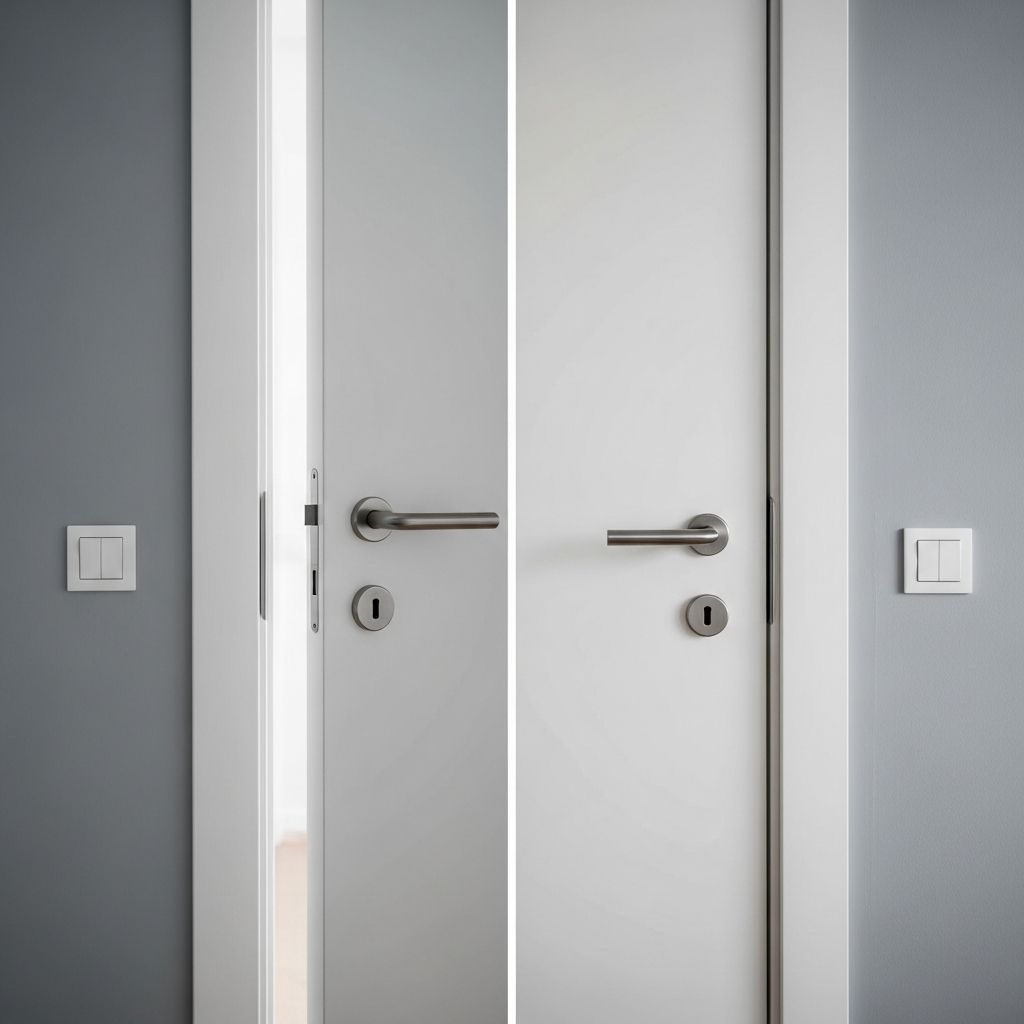
Understanding Door Handing: Left-Hand vs Right-Hand Doors
When it comes to purchasing and installing doors in your home, one of the most critical decisions you’ll need to make is determining whether you need a left-hand or right-hand door. While this might seem like a simple choice, understanding the difference between these two door configurations can save you time, money, and frustration during your home renovation or construction project. Door handing refers to the direction in which a door swings and the placement of its hinges, and getting this detail right is essential for proper functionality and aesthetic appeal in any room.
Whether you’re replacing an existing door or installing a new one in an opening, knowing how to identify and select the correct door swing is fundamental to ensuring smooth operation and seamless integration with your home’s layout. This comprehensive guide will help you understand everything you need to know about left-hand and right-hand doors, from identification techniques to practical installation considerations.
How to Identify a Left-Hand Door
A left-hand door, often abbreviated as LH, is a door that swings open to the left side when viewed from a specific perspective. To properly identify a left-hand door, you need to follow a consistent method that works across all door types and configurations.
The most reliable way to determine if you have a left-hand door is to stand in front of the door on the side where it swings toward you (the pull side). Face the door as if you’re about to open it. Once you’re in this position, examine where the hinges are located. If the hinges are positioned on your left side, you have a left-hand door. This simple rule applies to both interior and exterior doors, regardless of the material they’re made from, whether it’s wood, metal, or composite materials.
Another practical method involves standing with your back to the hinges. Whichever arm is closest to the room through which the door swings into determines the hand of the door. If your left arm is closest to the swinging motion, it’s a left-hand door. This technique is especially useful when you’re standing in different positions relative to the doorway.
How to Identify a Right-Hand Door
Conversely, a right-hand door, abbreviated as RH, swings open to the right side when viewed from the pull side. Using the same identification method as with left-hand doors, you’ll stand facing the door from the side where it swings toward you. If the hinges are positioned on your right side, you have a right-hand door.
The back-to-hinges method also works for right-hand doors. When you stand with your back to the hinges, if your right arm is closest to the room through which the door swings, you have a right-hand door. This consistent approach ensures you can accurately identify any door’s handing in your home.
Right-hand doors are commonly used in regions where people drive on the left side of the road, such as Australia and Great Britain. However, in North America and most of Europe, left-hand doors are more prevalent due to traffic flow patterns and accessibility conventions.
Understanding In-Swing and Out-Swing Doors
Beyond left and right designation, doors are also classified by their swing direction relative to the room or building: in-swing or out-swing. This is an equally important consideration when selecting the correct door for your space.
In-swing doors swing inward into the room or building. These are the most common doors found in residential homes. When you open an in-swing door, it enters the interior space. Most interior bedroom and bathroom doors are in-swing doors.
Out-swing doors swing outward, away from the room or building. These doors are often used for exterior entrances, emergency exits, or in spaces where the inward swing would obstruct traffic flow. Out-swing doors are particularly useful in small bathrooms or closets where inward-opening doors would consume valuable interior space.
You can have any combination of handing and swing direction. For example, you could have a left-hand in-swing door, a right-hand out-swing door, and so on. When ordering replacement hardware or new doors, you’ll need to specify both the handing (LH or RH) and the swing direction (in or out).
Why Door Handing Matters for Room Layout
Selecting the correct door handing for your space goes far beyond mere technical compliance. The direction your door swings significantly impacts the functionality and flow of your room. Poor door handing choices can create numerous practical problems that diminish daily living comfort.
When a door swings in the wrong direction, it can obstruct traffic paths through the room. Imagine opening a bathroom door that swings into the center of the bathroom, colliding with a toilet or sink placement. Similarly, an improperly hung bedroom door might swing directly into a bed or dresser, making the room less functional and potentially causing damage to furniture.
In open-plan spaces, such as a living room connected to a kitchen, the door opening direction significantly impacts both aesthetics and practical flow. Doors that open toward a wall rather than into the middle of a room are far more practical and visually appealing. They create better sightlines and don’t interrupt the open feel of combined spaces.
Small spaces like bathrooms, closets, and pantries require especially careful consideration. An outward-opening bathroom door in a small interior makes better use of available space for fixtures and furniture. When you have limited square footage, every inch counts, and choosing the right door handing can literally be the difference between comfortable functionality and cramped inconvenience.
Furniture Placement and Door Clearance
One of the most overlooked aspects of door handing is how it relates to furniture placement throughout your room. Before finalizing your door selection, visualize where your furniture will be positioned. Consider whether the door swing will collide with any pieces, particularly large items like beds, sofas, or dressers.
In hallways and corridors, pay attention to adjacent doors. If two doors open into the same corridor, they should ideally swing in opposite directions to prevent them from colliding when both are open simultaneously. This consideration is particularly important in multi-unit housing, commercial spaces, and larger homes with many doorways along shared passages.
Wall switches and fixtures also play a role in your door handing decision. If a light switch or thermostat is positioned near your doorway, you want to ensure the door’s swing doesn’t obstruct access to these controls. Similarly, if you have windows or architectural features near the door, consider how the open door might block them or create awkward traffic patterns.
Ergonomics and User Convenience
Ergonomics—the science of designing spaces and products for comfort and efficiency—should heavily influence your door selection. Consider how you and your household members typically use the door. A right-handed person might prefer a left-hand door swing for ease of operation when their hands are full, as this arrangement allows them to open the door with their left hand while carrying items in their right hand.
In kitchens, where you frequently carry groceries, dishes, or other items through doorways, the correct door handing can make the difference between a smooth transition and a frustrating obstacle. Similarly, in laundry rooms or pantries where you’re moving items in and out, door handing that complements the natural flow of these tasks reduces friction and improves efficiency.
For individuals with mobility challenges or disabilities, door handing can significantly impact accessibility. Doors positioned to swing in certain directions may be easier or more difficult to operate depending on a person’s specific needs. When planning renovations for aging family members or accessibility upgrades, consult with professionals who understand universal design principles.
Building Codes and Safety Requirements
Your choice of door handing isn’t entirely a matter of personal preference. Building codes and safety regulations often dictate specific requirements for door handing, particularly for exterior doors, emergency exits, and commercial spaces. These regulations exist to ensure safe egress during emergencies and to maintain consistent safety standards across buildings.
For example, exterior doors must typically open outward (out-swing) to facilitate emergency exits and prevent the accumulation of pressure against the door during emergencies. Commercial buildings have specific requirements for emergency exit doors that override aesthetic or convenience preferences. Before making your final selection, check with your local building department to understand any applicable codes and regulations.
In some regions, doors are assessed from the hinge side when viewed from outside, creating a different standard than the pull-side method used in North America. International building projects require particular attention to these regional variations to ensure compliance with local requirements and consistency across the structure.
Practical Tips for Choosing the Right Door Swing
To make the best decision for your specific situation, follow these practical steps:
Assess your traffic flow: Stand in the doorway and imagine how people will naturally move through the space. Does the door swing create a natural, unobstructed path, or does it interfere with traffic patterns?
Consider adjacent elements: Look at walls, windows, switches, and fixtures near the doorway. Ensure the door swing won’t collide with or obstruct access to these elements.
Evaluate furniture placement: Map out where furniture will be positioned relative to the doorway. Ensure no major pieces will be struck by the opening door.
Check for door interference: If multiple doors are in close proximity, ensure they won’t collide when opened simultaneously.
Account for user needs: Consider the primary users’ physical abilities, dominant hand, and typical use patterns. Will they frequently carry items through this doorway?
Review building codes: Verify local requirements, especially for exterior doors, basement exits, and emergency access points.
Verify before ordering: Double-check your measurements and handing determination before ordering new doors or hardware. Mistakes can be expensive to correct.
Common Mistakes to Avoid
Many homeowners make predictable errors when selecting door handing. Avoiding these mistakes can prevent costly corrections and installation delays.
Using inconsistent measurement methods: Switching between different identification techniques can lead to confusion and incorrect orders. Stick with one method—standing on the pull side and checking hinge placement is the most reliable.
Failing to account for furniture: Not visualizing furniture placement before ordering doors often results in doors that open directly into beds, dressers, or other large pieces.
Ignoring local variations: Different regions use different standards for door handing. If you’re working with contractors from different areas or in unfamiliar regions, verify which standard applies.
Assuming mirrors matter: A common misconception is that door handing can be mirrored from existing doors. This is incorrect—doors must be individually assessed based on the space they occupy.
Overlooking hardware compatibility: If you’re replacing just the door in an existing frame, ensure new door hardware is compatible with the frame and that you’re ordering the correct handing for both the door and hardware.
Cost Considerations
Many homeowners wonder if selecting a specific door handing will significantly impact costs. In most cases, the price difference between left-hand and right-hand doors is negligible or nonexistent. Door manufacturers typically stock both options at similar price points.
However, if building codes require a specific door handing that differs from the natural choice for your space, you might incur costs for structural modifications. These adjustments should be budgeted for during your planning phase. Consulting with professionals early can help identify potential code conflicts before they become expensive surprises.
The true cost of choosing the wrong door handing isn’t the door itself but the necessity of replacing it. Taking time to ensure you’ve selected correctly upfront is far more economical than discovering problems after installation and having to reinstall or reconfigure.
Installation Best Practices
Once you’ve determined the correct door handing for your space, proper installation is critical to ensuring your door functions smoothly for years to come. Whether you’re handling the installation yourself or hiring a professional, these best practices apply:
Verify measurements: Confirm that the door dimensions match your opening exactly. Standard doors come in 2/0 (24 inches) through 3/0 (36 inches) widths, with heights typically at 6/8 (80 inches) or 7/0 (84 inches). Always double-check before installation begins.
Check frame square: Use a level and square to verify that your door frame is properly aligned. An out-of-square frame will cause installation problems and may prevent the door from closing properly.
Align hinges precisely: Proper hinge alignment is crucial for smooth operation. Most doors use three hinges, positioned approximately 12 inches from the top, 12 inches from the bottom, and centered vertically on the door.
Install hardware correctly: Ensure that handles, locks, and latches match the door’s handing. Incorrect hardware installation can make doors difficult or impossible to operate.
Frequently Asked Questions
Q: How do I determine door handing if I can’t access the hinges?
A: Open the door and observe which direction it swings. Stand inside the room and face the open door. If the hinges point to your left, it’s a left-hand door. If they point to your right, it’s a right-hand door. You can also stand outside the room and observe which way the door swings toward you—the side where the hinges are positioned determines the handing.
Q: Can I change a door from left-hand to right-hand?
A: Technically, you cannot change the handing of an existing door. However, in some cases, you can remove the door, hinge it on the opposite side, and reinstall it. This is a complex modification that requires professional carpentry. It’s typically more cost-effective to simply purchase the correct door handing for your needs.
Q: What happens if I install the wrong door handing?
A: Installing a door with incorrect handing will result in it swinging in the wrong direction, potentially blocking traffic, colliding with furniture, or violating building codes. The door will be functional but impractical for your space, and you’ll likely need to replace it.
Q: Do all doors in a home need to be the same handing?
A: No. Different doors throughout your home can have different handing based on their location and the specific needs of each room. Each doorway should be evaluated individually to determine the optimal handing for that space.
Q: How do I order the correct door if I’m not on-site?
A: Provide the door supplier with precise measurements and clear description of the handing. Take photos showing the hinge placement from the pull side, or have someone on-site verify the handing using the standard identification method and confirm it with you before ordering.
Q: Is door handing the same for sliding doors?
A: Sliding door handing is determined differently than swing doors. Stand facing the track and observe which direction the door slides. If it slides to the right, it’s a right-hand sliding door. If it slides to the left, it’s a left-hand sliding door.
Conclusion
Understanding the difference between left-hand and right-hand doors is essential for any homeowner or builder planning renovations or new construction. By mastering the identification techniques, considering your room’s layout and furniture placement, and accounting for building codes and user needs, you can select the perfect door handing for every opening in your home. Taking time to make these decisions carefully upfront prevents costly mistakes and ensures that your doors function smoothly and harmoniously with your home’s design for years to come. Whether you’re a DIY enthusiast or working with professional contractors, the knowledge and practical tips provided in this guide will help you navigate door selection with confidence and achieve optimal results for your home improvement projects.
References
- Right-hand doors and left-hand doors – how to tell the difference and when to choose which — Fintecnic. 2024. https://fintecnic.pl/en/blog/right-hand-doors-and-left-hand-doors-how-to-tell-the-difference-and-when-to-choose-which/
- How to understand lever and door handing — Schlage. 2024. https://www.schlage.com/en/blog/product_updates/door-handing.html
- What’s the Difference Between a Left and Right-Hung Door? — Montage Doors. 2024. https://montagedoors.co.nz/whats-the-difference-between-a-left-and-right-hung-door/
- Choosing the Right Door Swing: Left vs Right Explained — Swinging Cafe Doors. 2024. https://www.swingingcafedoors.com/swinging-door-blog/choosing-the-right-door-swing-left-vs-right-explained/
- Door Handing Chart & Diagram — Suncoast Iron Doors. 2024. https://suncoastirondoors.com/resources/door-handing-chart/
- Right Hand vs. Left Hand Doors – When and Why to Use Them — Cantera Doors. 2024. https://canteradoors.com/right-hand-vs-left-hand-doors-when-and-why-to-use-them/
Similar Articles








Read full bio of Sneha Tete