Complete Guide to Diagnosing Lennox Furnace Issues
Master essential troubleshooting techniques for your Lennox gas furnace system.
Understanding Your Lennox Gas Furnace System
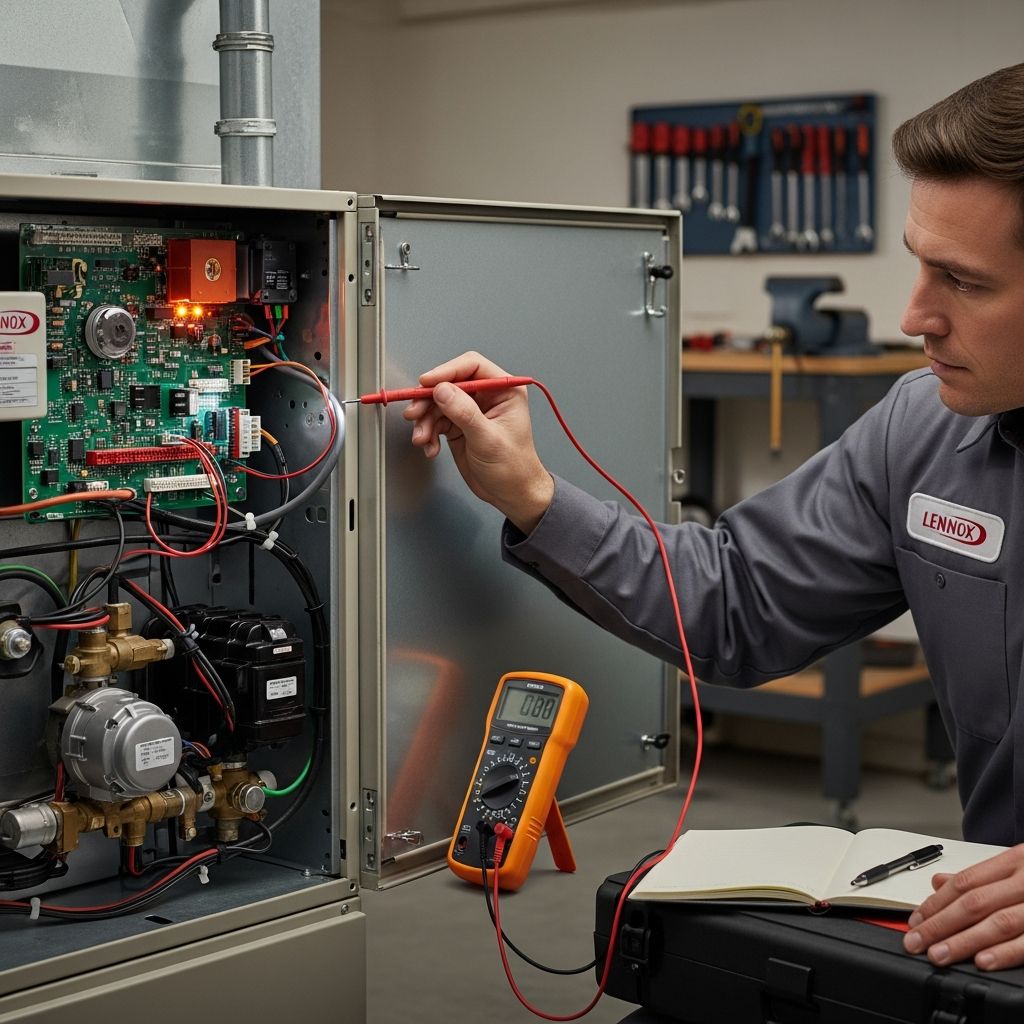
A functioning furnace is essential for maintaining comfortable indoor temperatures during colder months. Lennox gas furnaces are widely installed in residential properties and generally provide reliable heating when properly maintained. However, like any complex mechanical system, these units can develop problems that affect their performance. Understanding how your furnace operates and recognizing early warning signs can help you address issues before they become serious concerns. Many common furnace problems have straightforward solutions that don’t require professional intervention, while others necessitate licensed technician expertise.
Initial Assessment and Safety Precautions
Before attempting any troubleshooting, verify that your furnace system has adequate power supply. Check your home’s electrical panel to ensure the circuit breaker dedicated to your furnace hasn’t tripped. If the breaker is in the “off” position, switch it back to “on.” If it immediately trips again, this indicates an electrical fault requiring professional diagnosis. Additionally, confirm that all manual shut-off switches near the furnace unit are in the “on” position.
For units with a thermostat that requires batteries, replace them with fresh batteries to ensure proper communication between the thermostat and the furnace control system. Dead batteries are a common culprit in heating failures that homeowners can quickly remedy. When working with your furnace, always ensure the power is completely disconnected before opening panels or accessing internal components.
Addressing Furnace Startup Failures
When your furnace refuses to start, begin with the most basic checks. Verify the unit is powered on by looking for indicator lights on the control board. Next, examine your thermostat settings. The thermostat must be set to “heat” mode rather than “cool” or “off.” Additionally, confirm that the temperature setting is above the current room temperature; many furnaces have a built-in delay before activating when the temperature setting is only slightly above the ambient temperature.
If your furnace has a direct gas connection, contact your gas utility provider to verify adequate gas supply to your property. Insufficient gas pressure prevents the ignition system from functioning properly. This is not a DIY fix and requires professional intervention from your gas supplier or a licensed technician who can measure fuel pressure accurately.
Investigating Insufficient Heat Production
When your furnace runs but produces weak or cold air, several components warrant inspection. Start by examining your air filter. A heavily soiled filter dramatically restricts airflow, forcing your system to work harder while delivering less heat. Most manufacturers recommend checking your filter monthly and replacing it every three months, though high-traffic homes or properties with pets may require more frequent changes. This simple maintenance task typically costs just a few dollars but substantially improves furnace performance.
Check your thermostat settings carefully. If the thermostat is switched to “on” instead of “auto,” the blower motor runs continuously whether the furnace is actively heating or not. This creates the sensation of cold air blowing through your vents. Switching to “auto” mode ensures the blower only activates when the furnace is producing heat. Also verify that the temperature setting hasn’t been accidentally lowered, which would prevent heating until the interior temperature drops below that threshold.
Inspect all visible ductwork for obvious damage, disconnections, or blockages. Open your air return and supply vents to ensure nothing obstructs airflow. Use a flashlight to peer into accessible duct sections. If you notice significant damage or suspect extensive duct contamination, professional duct cleaning and inspection may improve efficiency.
Check your home for air leaks around windows, doors, and other exterior penetrations. Even when your furnace functions correctly, unaddressed drafts allow conditioned air to escape, making it difficult for the system to maintain desired temperatures. Weatherstripping around doors and caulking around window frames are relatively inexpensive solutions that improve heating efficiency.
Diagnostic Light Patterns and Error Codes
Modern Lennox furnaces feature diagnostic LED lights that communicate system status through blinking patterns. Locating and interpreting these lights provides valuable information about system problems. The control board typically displays two lights: one red and one green. Each blinking pattern corresponds to specific issues.
When the red and green lights flash alternately in a slow pattern, this indicates the burner failed to ignite or the flame was lost during operation. Begin by cleaning your burner assembly and replacing your air filter. If the problem persists after these steps, the igniter may be defective and require professional replacement. A red and green alternating fast flash indicates improper grounding or wiring issues requiring an electrician’s assessment. When either or both lights remain constantly illuminated without flashing, this suggests control board malfunction or incorrect wiring.
A red slow flash combined with a green fast flash indicates low flame signal, suggesting the flame sensor rod requires replacement by a technician. When the red light flashes slowly and the green light remains on, the limit switch may be open. This safety device protects against overheating by shutting down the burner. Consulting your unit’s specific documentation or contacting a technician helps interpret less common diagnostic patterns.
Resolving Excessive Running or Continuous Operation
If your furnace seems to run constantly without cycling off, inspect your thermostat settings first. Confirm it’s set to “heat” mode at “auto” rather than “on.” When set to “on,” the blower runs continuously regardless of heating demands. Additionally, verify the temperature setting is appropriate for current conditions; setting it excessively high forces the system to run longer.
A dirty air filter forces your furnace to work harder, increasing runtime to achieve temperature goals. Replace the filter immediately if it appears visibly clogged. Inspect your home for drafts and air leaks that allow heated air to escape, making it difficult for the furnace to maintain set temperatures. Check that all windows and exterior doors close properly and seal gaps around penetrations.
Examine your ductwork for blockages or leaks. Collapsed ducts, disconnected sections, or blocked vents prevent proper heat distribution. If you identify ductwork problems, professional repair prevents energy waste and improves comfort. Additionally, verify your furnace size matches your home’s heating requirements. An oversized furnace may cycle briefly but frequently, while an undersized unit runs excessively. A licensed technician can evaluate whether your system is appropriately sized for your space.
Understanding Short Cycling Problems
Short cycling refers to the furnace turning on and off repeatedly in brief cycles rather than running for extended periods. This pattern is often caused by thermostat problems. Verify the thermostat is set to “heat” and “auto” modes and that the temperature setting is appropriate. Check for dead batteries if your thermostat is battery-powered.
A dirty air filter restricts airflow and can trigger short cycling as your furnace struggles to achieve proper heating. Replace the filter and observe whether the cycling pattern normalizes. Examine your flue, which is the vent pipe carrying combustion byproducts outside. If the flue becomes blocked by debris, snow accumulation, or animal nesting material, the furnace experiences safety shutdowns causing short cycling. Clearing visible blockages may resolve the issue, though professional cleaning ensures complete flue restoration.
Check your home for drafts that allow cold air infiltration, making it harder for the furnace to maintain set temperatures. Air leaks around windows, doors, and penetrations should be sealed. Inspect your ductwork for leaks or disconnections that waste heated air. If these corrections don’t resolve short cycling, you may have a faulty flame sensor, heat exchanger issue, or ignition system problem requiring professional diagnosis and repair.
Water Leaks and Condensation Issues
Water pooling around your furnace indicates problems with the condensation management system. High-efficiency furnaces produce significant condensation that must drain properly. Check the condensate drain line for clogs by visually tracing the small-diameter pipe leaving your furnace. If accessible, gently flush the drain with water or use a wire brush to clear mineral deposits or debris. Ensure the drain line slopes slightly downward toward the floor drain to promote gravity-fed drainage.
If you notice water accumulation near your furnace, check whether the condensate trap (a U-shaped section of pipe) has become blocked. A clogged trap prevents condensate drainage even when the drain line itself is clear. Professional cleaning equipment can remove stubborn blockages. Some units include a condensate pump for situations where gravity drainage isn’t feasible; a malfunctioning pump requires replacement by a technician.
A frozen evaporator coil can cause water leaks as it thaws. This typically results from restricted airflow caused by a dirty filter. Replace your filter immediately and monitor whether water production stops. If you have a humidifier attached to your system, verify it’s not malfunctioning and leaking directly into the furnace housing. Your heat exchanger may also be producing excessive condensation due to clogs; professional inspection and cleaning restore proper function.
Thermostat Troubleshooting Steps
A non-responsive thermostat prevents your heating system from operating correctly. If your thermostat appears unresponsive, replace its batteries with fresh units. Even if batteries appear functional, they may lack sufficient voltage. If replacing batteries doesn’t restore operation, the thermostat itself may be defective and require replacement by a technician.
Verify that your thermostat is set to “heat” mode and that the temperature setting is above the current room temperature. Inspect the thermostat display for error messages that might indicate internal problems. If your thermostat has a screen, ensure it’s clean and not obscured by dust. Some digital thermostats include a system switch that must be in the “on” position; check this if your system won’t respond to temperature adjustments.
When to Contact Professional Services
Certain furnace problems exceed the scope of homeowner troubleshooting and require licensed HVAC technician expertise. If your furnace won’t start after confirming adequate power and proper thermostat settings, contact a professional. Similarly, if diagnostic light patterns indicate control board malfunction or your flames appear unstable, professional diagnosis and repair are necessary.
Gas valve problems, blower motor failures, and flame sensor issues all require professional intervention. Attempting to repair these components without proper training and equipment can create safety hazards or void your warranty. Any situation involving electrical concerns, such as tripped breakers that immediately reset, should be evaluated by a licensed electrician.
If you’ve performed basic troubleshooting steps without success, scheduling a professional inspection prevents prolonged heating loss and identifies problems before they worsen. Most HVAC companies offer diagnostic services that pinpoint issues accurately.
Preventive Maintenance for Optimal Performance
Regular maintenance extends furnace lifespan and prevents unexpected failures. Replace your air filter quarterly or more frequently if you have pets or allergy concerns. Schedule annual professional inspections before the heating season begins. A technician will clean components, check ignition systems, verify safety controls, and identify emerging problems.
Keep your furnace area clear of clutter and ensure adequate ventilation around the unit. Never block air intake or exhaust vents with storage items or debris. If you notice unusual noises, odors, or performance changes, contact a professional promptly rather than waiting for complete system failure.
Frequently Asked Questions
Q: How often should I replace my Lennox furnace filter?
A: Most manufacturers recommend monthly inspection with replacement every three months under normal conditions. Homes with pets, smokers, or allergy sufferers may need monthly replacement for optimal air quality and furnace efficiency.
Q: What does a blinking red light on my Lennox furnace mean?
A: A red light pattern indicates various issues depending on how it blinks. A slow red flash with green flash indicates different problems than alternating red-green patterns. Consult your unit’s documentation or contact a technician to interpret your specific pattern.
Q: Can I clean my furnace myself?
A: You can safely clean the exterior and easily accessible internal areas by turning off power and gently dusting components with a soft cloth or canned air. However, professional cleaning is recommended annually for thorough component maintenance.
Q: Why is my furnace blowing cold air?
A: This usually results from thermostat set to “on” instead of “auto,” a dirty filter restricting airflow, or an ignition system problem. Start by adjusting your thermostat and replacing your filter before calling a technician.
Q: How much does a Lennox furnace repair typically cost?
A: Repair costs vary widely based on the problem. Filter replacement costs less than ten dollars, while component failures like igniter or flame sensor replacement typically range from two hundred to five hundred dollars plus labor.
Q: Should I attempt to fix my furnace myself?
A: Simple maintenance like filter replacement and basic cleaning are safe for homeowners. Complex repairs involving gas lines, electrical components, or sealed system work require licensed professionals to ensure safety and maintain warranty coverage.
References
- Lennox Gas Furnace Troubleshooting — Parts Town. 2025. https://www.partstown.com/cm/resource-center/guides/gd2/lennox-gas-furnace-troubleshooting
- Lennox Furnace Troubleshooting Guide — HVAC.com. 2025. https://www.hvac.com/expert-advice/lennox-furnace-troubleshooting/
- Heating Troubleshooting Chart — Lennox International Inc. https://www.lennox.com/residential/owners/assistance/product-literature/
- Lennox Furnace Error Code Guide — Airtronic. 2025. https://airtronic.ca/lennox-furnace-troubleshooting/
Similar Articles


Read full bio of medha deb