Lifelong Organization: How to Build a Home That Practically Stays Tidy Itself
Shift from one-time decluttering marathons to simple, sustainable organizing habits you can keep for life.
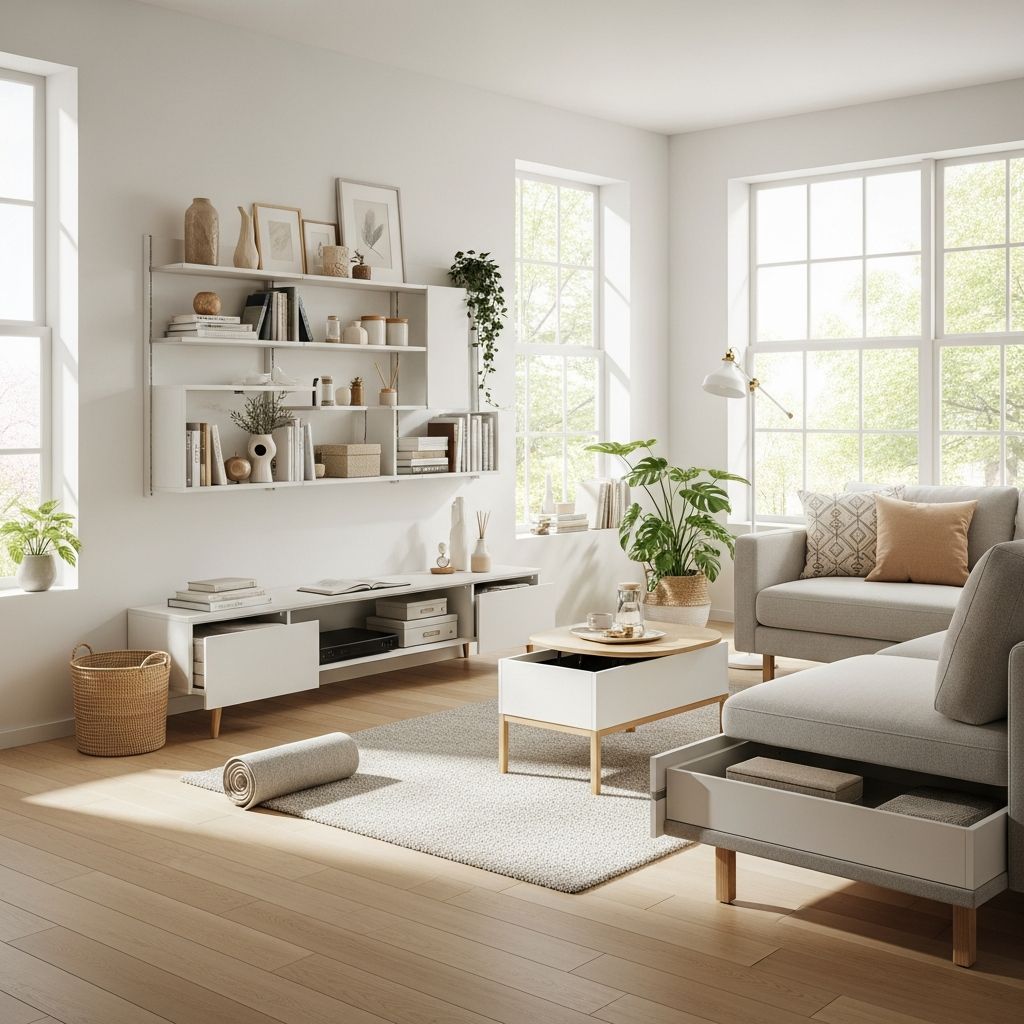
Most organizing projects fail not because people lack storage bins or motivation, but because the systems they set up are too complicated to maintain. Lifelong organization is about designing simple, repeatable habits and spaces that match the way you actually live, so your home naturally returns to order with minimal effort.
Why Most Organizing Efforts Don’t Last
Before you overhaul your home, it helps to understand why past attempts may not have stuck. When you know the common pitfalls, you can design better, more sustainable systems.
- One-time blitz mindset: Massive weekend cleanups feel productive, but without daily habits, clutter quietly creeps back.
- Too much stuff for the space: No system can compensate for sheer volume; excess items overwhelm any storage plan.
- Unclear homes for belongings: If an item doesn’t have a specific, logical place to live, it will end up on the nearest flat surface.
- Systems that ignore behavior: Pretty containers do not help if they’re harder to use than dropping things on the table.
Step 1: Define Your Vision and Non-Negotiables
Long-term organization starts with clarity. You do not need a magazine-perfect home; you need a home that supports your daily life and values.
- Write down three words that describe how you want your home to feel (for example: calm, efficient, welcoming).
- List your top five daily pain points (for example: lost keys, cluttered counters, overstuffed closets).
- Decide what is non-negotiable for you: maybe clear kitchen counters, a usable dining table, or an easy-to-maintain entryway.
Keep this list visible. It will guide your decisions about what stays, what goes, and where your energy belongs.
Step 2: Declutter by Function, Not Just by Room
Most people declutter by room, but thinking in terms of functions (such as cooking, relaxing, working, getting ready) creates more logical, lasting systems.
How to Declutter by Function
- Choose one function at a time: For example, “morning routine” or “meal prep” rather than “bathroom” or “kitchen.”
- Gather related items: Pull together everything involved in that function, even if scattered in different rooms.
- Sort into clear categories: Keep, donate, recycle, trash. Be honest about what you actually use.
- Right-size your collection: Keep only what comfortably fits into the space you’ll assign it.
| Function | Typical Room(s) | Items to Review |
|---|---|---|
| Morning routine | Bathroom, bedroom, closet | Toiletries, skincare, makeup, hair tools, everyday clothes |
| Meal prep | Kitchen, pantry | Knives, cutting boards, mixing bowls, spices, oils |
| Paper management | Office, kitchen, entry table | Bills, mail, receipts, school papers, manuals |
| Family entertainment | Living room, media room, kids’ rooms | Games, controllers, DVDs, craft supplies, toys |
Step 3: Design Storage That Follows Your Habits
Once you reduce what you own, you can design storage that fits your natural behavior. The goal is to make the “right” action the easiest action.
Guiding Principles for Practical Storage
- Store items where they are used: Keep dish towels near the sink, chargers near the places devices are usually used, and reusable bags near the door or in the car.
- Prioritize accessibility: Everyday items belong at eye level or within easy reach. Seasonal or rarely used items can live up high or down low.
- Think in zones: In each room, create zones for specific activities, such as a coffee zone, homework zone, or pet-care zone.
- Use simple, repeatable containers: Choose basic bins, baskets, and dividers that you can easily find again if you expand a system later.
Step 4: Create Micro-Habits That Keep Clutter in Check
Lifelong organization relies on small daily habits that take minutes, not hours. These micro-habits prevent clutter from reaching an overwhelming level.
Powerful Daily Micro-Habits
- Two-minute reset: Before leaving a room, spend two minutes returning items to their homes.
- One-surface rule: Choose one high-impact surface (like the dining table or kitchen island) that must stay clear every day.
- Evening landing check: Spend five minutes each night tidying your entryway or main landing space so mornings start smoother.
- Decision-once rule: When you touch paper or packages, decide immediately: recycle, file, act, or shred.
Step 5: Build Weekly and Monthly Maintenance Rituals
Instead of waiting for clutter emergencies, schedule light, recurring maintenance that fits your rhythm. Treat these as appointments with your future self.
Sample Maintenance Rhythm
- Weekly: 15-minute fridge cleanout, laundry reset, and quick sweep of hotspots (nightstands, bathroom counters).
- Biweekly: Declutter one drawer, bin, or shelf; review a single category like snacks, kids’ art, or makeup.
- Monthly: Walk through your home with a donate bag and remove at least five items you no longer need.
- Seasonally: Rotate clothing, review decor, and release anything you did not use during the last season.
Room-by-Room Organizing Strategies
Every room has different challenges, but the same core ideas—simplify, contain, and create clear homes—apply everywhere. Use the suggestions below as a flexible starting point.
Entryway and Drop Zone
The entry is where clutter often begins, so it deserves an intentional system, even if space is tight.
- Assign one hook or peg per person for coats and bags.
- Use a shallow tray or bowl strictly for keys, sunglasses, and wallets.
- Add a small bin or basket for outgoing items like returns, library books, and packages.
- Limit shoes to a set number per person in the entry; store extras in closets.
Kitchen and Pantry
The kitchen is a heavy-use area, so focus on efficiency and clear counters rather than aesthetic perfection.
- Group items by task: baking supplies, coffee and tea, food prep tools, lunch-making items.
- Use labeled bins or baskets for snacks, grains, and packets to prevent scattering.
- Reserve the most accessible shelves for daily-use dishes and glasses.
- Keep only one or two of each type of gadget you truly use; donate duplicates.
Living Room and Family Spaces
Shared spaces need flexible, easy systems that everyone can follow, including children and guests.
- Use lidded baskets or ottomans with storage for toys, blankets, and remotes.
- Limit decor on coffee tables so there is space for real-life use.
- Create a specific basket or box for remote controls, chargers, and small tech accessories.
- Rotate toys, games, or books periodically to prevent overflowing shelves.
Bedrooms and Closets
A peaceful bedroom supports better rest and calmer mornings. Closets do not need to be glamorous; they need to be obvious and functional.
- Sort clothing by type and frequency of use, keeping everyday items front and center.
- Use hooks or a “next-day” hanger for outfits prepared in advance.
- Limit nightstand items to active essentials such as water, a book, and a lamp.
- Consider storage under the bed for off-season items in labeled bins.
Paper and Digital Clutter
Paper and digital files can undermine even the most organized home if left unmanaged. A simple, consistent system works better than a complicated one.
- Designate a single in-tray for all incoming paper and sort it at a set time each week.
- Create three basic folders: “To Pay,” “To Act,” and “To File.” Clear them regularly.
- Scan documents you must keep but rarely reference, then recycle the paper if appropriate.
- Unsubscribe from emails and physical mail you no longer want to reduce future influx.
Family and Shared-Home Strategies
Lifelong organization cannot rest on one person alone. When everyone participates, systems are more likely to last and feel fair.
- Agree on a few shared standards, such as “clear sink before bed” or “no clothes on the floor.”
- Assign age-appropriate responsibilities, like a toy pickup routine or trash duty.
- Use labels with words or pictures so all family members know where things belong.
- Hold short, regular check-ins to adjust systems that are not working smoothly.
Mindset Shifts for Lifelong Organization
Lasting organization is less about perfection and more about identity. When you see yourself as someone who lives in an orderly space, your daily choices begin to match that identity.
- Progress over perfection: A mostly tidy home you can maintain beats a perfect home that burns you out.
- Small wins matter: Every drawer you streamline and every bag you donate is a real, measurable improvement.
- Stuff is not identity: Releasing unused items creates room for what truly matters now, not what mattered years ago.
- Organization is a practice: Just like fitness or finances, it improves with steady, repeated action.
FAQs About Lifelong Organization
How do I start if my home feels completely overwhelming?
Start with one tiny space that you can finish in under 20 minutes, such as a single drawer, one shelf, or the top of a nightstand. Completing a small area builds confidence and momentum, and proves that progress is possible even when the overall project feels large.
How can I stay organized if my family is not naturally tidy?
Make systems as effortless as possible, and focus on a few high-impact habits everyone can remember. Use clear containers, open bins, and labels, and celebrate small improvements rather than criticizing every slip.
Do I need to buy lots of organizing products?
Not necessarily. Many effective systems use simple tools you already have, such as boxes, jars, and baskets. It is usually better to declutter first, then buy only what you genuinely need to contain what remains.
How often should I declutter once I am organized?
Light, regular decluttering works best. A quick review each month and a deeper seasonal edit help prevent buildup and make sure your belongings still match your current lifestyle and needs.
Can a small home truly stay organized long term?
Yes, as long as you match your possessions to the space you have and are willing to let go of extras. In smaller homes, clear limits and careful storage matter even more, but the same principles of simplicity and consistency still apply.
Similar Articles








Read full bio of Sneha Tete