Locate and Block Mouse Entry Holes in Your Home
Discover proven strategies to identify tiny mouse entry points and seal them permanently for a rodent-free living space.
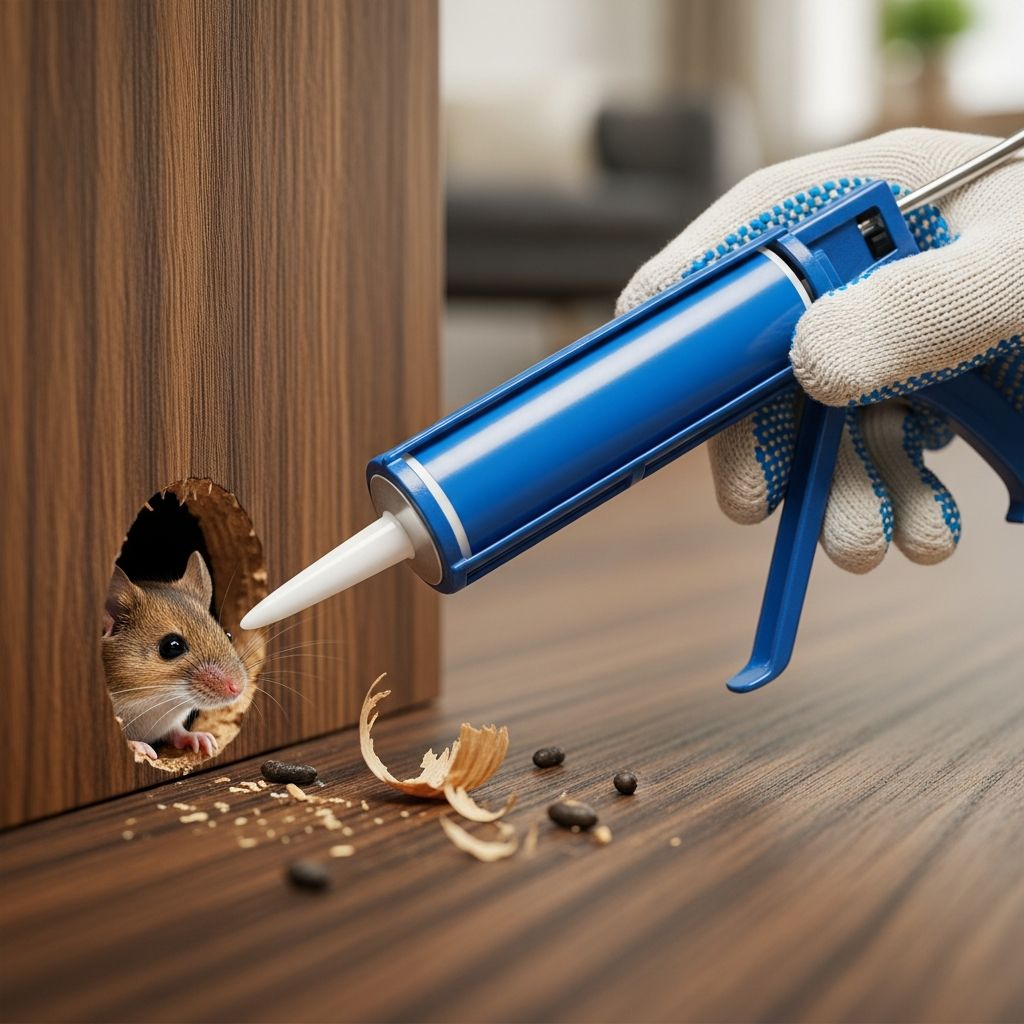
Mice can infiltrate homes through openings as small as a quarter inch, making early detection crucial for preventing infestations. This comprehensive guide outlines systematic inspection methods, key signs to watch for, and reliable sealing strategies to safeguard your property.
Understanding Mouse Intrusion Risks
Mice seek shelter, food, and warmth indoors, especially during colder months. Their flexible bodies allow passage through minuscule gaps—if a mouse head fits, the rest follows. Common culprits include deteriorating weatherproofing, unsealed utility penetrations, and structural wear. Proactive checks around foundations, doors, and vents can reveal these vulnerabilities before populations grow.
Homeowners often overlook high-risk zones like garages and basements, where rodents exploit unfinished surfaces. Regular vigilance, combined with proper exclusion, maintains a secure barrier against these persistent invaders.
Essential Tools for Effective Inspections
Equip yourself with basic yet vital items to conduct thorough searches:
- Flashlight for illuminating dark corners and crevices.
- Disposable gloves to handle droppings safely and avoid contamination.
- Blue painter’s tape or marker for flagging suspected entry spots.
- Measuring tape to verify gap sizes (target anything over 1/4 inch).
- Notepad for documenting locations and observations.
These tools enable precise, hygienic assessments without missing details. Start inspections during daylight for better outdoor visibility, working methodically room by room.
Signs Indicating Active Mouse Presence
Before pinpointing holes, identify evidence of rodents to focus efforts. Look for these indicators:
- Droppings: Small, dark pellets resembling rice grains, often clustered along walls.
- Grease trails: Smudges from fur oils on baseboards and travel paths.
- Gnaw marks: Irregular chew patterns on wood, wires, or packaging.
- Urine odors: Musky smells near nests or runways.
- Nests: Shredded paper, fabric, or insulation in secluded spots.
Tracks or burrows outdoors signal perimeter breaches. Concentrate searches where these signs cluster, as entry points lie nearby.
Indoor Hotspots Prone to Mouse Access
Begin inside, where mice forage nightly. Prioritize these areas:
| Area | Common Gaps | Inspection Tips |
|---|---|---|
| Kitchen | Under cabinets, behind appliances, sink pipes | Pull out fridge/stove; check cabinet undersides for 1/4-inch holes. |
| Laundry Room | Floor drains, dryer vents | Examine vent screens for tears; peer into drains. |
| Closets & Baseboards | Floor-wall junctions, corners | Scan low along edges; feel for soft spots. |
| Attic & Crawl Spaces | Insulation gaps, joist spaces | Use ladder for attics; crawl cautiously in basements. |
Fireplaces and interior doors also harbor gaps under thresholds or in mortar. Mice exploit these for direct living space access.
Outdoor Vulnerabilities and Perimeter Checks
Exterior scans prevent re-entry. Walk the full perimeter, noting:
- Foundation cracks where siding meets walls.
- Pipe, cable, and utility line penetrations.
- Garage doors and weather stripping wear.
- Roof eaves, soffits, and gutter overflows.
- Vent openings without screens.
- Crawl space doors and basement window frames.
Vegetation touching structures provides bridges—trim branches back 18 inches. Unfinished garages with cinderblock walls demand special attention, as hollow blocks connect to home foundations.
Advanced Detection Techniques
If visual checks yield no results, deploy strategic aids:
- Trap placement: Position snap or glue traps along walls; clusters of catches reveal hotspots.
- Flour dusting: Sprinkle fine powder near suspected paths; footprints emerge overnight.
- Blacklight for urine: Reveals fluorescent trails guiding to breaches.
- Thermal cameras: Detect heat signatures from nests or drafts through holes (rentable option).
Combine methods for confirmation. Monitor for 48-72 hours, adjusting based on findings.
Sealing Strategies for Lasting Protection
Once located, address gaps promptly with durable materials. Avoid ineffective fillers like foam alone, as mice chew through it.
| Gap Size | Recommended Sealant | Application Notes |
|---|---|---|
| < 1/4 inch | Steel wool + caulk | Stuff wool tightly, then seal over with silicone. |
| 1/4 – 2 inches | Metal mesh + expanding foam + caulk | Secure mesh first; foam expands to fill, caulk exterior. |
| > 2 inches | Concrete patch, metal flashing, or hardware cloth | Mix concrete for foundations; screw flashing for durability. |
Replace worn door sweeps and weather stripping with metal-reinforced versions. Screen vents with 1/4-inch hardware cloth, securing firmly. For utility lines, use escutcheon plates or foam gaskets.
Material Selection and Best Practices
Choose chew-resistant options:
- Steel wool: Coarse grade #0 for abrasion.
- Copper mesh: Flexible alternative to steel.
- Silicone caulk: Flexible, paintable, rodent-proof when cured.
- Expanding foam: Use only as backing, never exposed.
- Hardware cloth: Galvanized, 24-gauge minimum.
Apply in dry conditions; allow full curing. Inspect seals after heavy rain or seasonally.
Preventing Future Mouse Intrusions
Exclusion pairs with prevention:
- Store food in airtight metal containers.
- Eliminate water sources; fix leaks promptly.
- Declutter storage areas to reduce nesting sites.
- Maintain yard: Clear debris piles, secure trash.
- Install door sweeps on all exterior entries.
Annual perimeter treatments with rodent-resistant barriers enhance defenses. Integrate traps ongoing in garages and basements.
When to Call Professional Help
For extensive infestations, high attics, or elusive entries, pros use specialized tools like endoscopes and infrared scanners. They ensure comprehensive seals compliant with building codes. Early intervention prevents costly damage from chewing on wires or insulation.
Frequently Asked Questions
Can mice enter through cracks smaller than a pencil?
Yes, gaps as tiny as 1/4 inch suffice for house mice. Always measure and seal accordingly.
How long does sealing take to show results?
Activity drops within days if all entries are addressed; monitor traps to confirm.
Is spray foam enough by itself?
No—mice gnaw it easily. Pair with steel wool or mesh for protection.
What if I find nests during inspection?
Vacuum carefully with HEPA filter; dispose outside. Seal entries first to avoid trapping more inside.
Do ultrasonic repellents work alongside sealing?
Evidence is mixed; they don’t replace physical barriers. Focus on exclusion.
References
- How To Find And Seal Mouse Entry Points — Moxie Pest Control. 2023-10-15. https://moxieservices.com/blog/how-to-find-and-seal-mouse-entry-points/
- Rodent Exclusion: How to Find Rat & Mice Entry Points — Bugs.com. 2024-05-22. https://www.bugs.com/blog/rodent-exclusion-how-to-find-rat-mice-entry-points/
- Expert Advice for Finding Rodent Entry Points — YouTube (Orkin). 2022-11-10. https://www.youtube.com/watch?v=E38q07zOZ2A
- Common Mouse Entry Points — BOGO Pest Control. 2023-08-05. https://bogopestcontrol.com/common-mouse-entry-points/
- Rodents: Entry Points and Exclusion — University of Nebraska-Lincoln Extension (NebGuide G1775). 2023-02-14. https://extensionpubs.unl.edu/publication/g1775/pdf/view/g1775-2023.pdf
- Preventing Rodent Infestations — Centers for Disease Control and Prevention (CDC). 2024-01-08. https://www.cdc.gov/rodents/prevent/index.html
Similar Articles




Read full bio of medha deb