Locating Water Shutoff Valves in Mobile Homes
Master the art of finding and operating water shutoff valves in your mobile home to handle emergencies with confidence and prevent water damage.
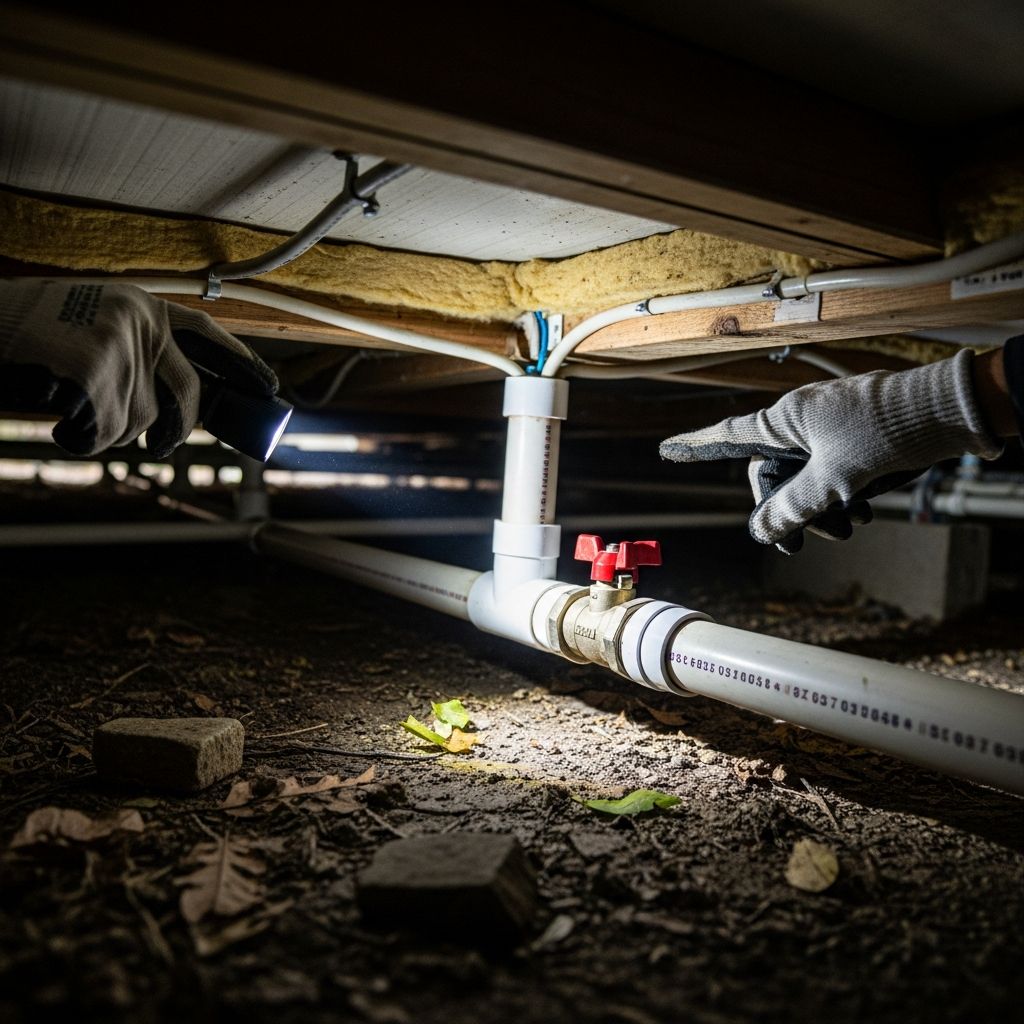
Understanding the location of water shutoff valves in a mobile home is crucial for any homeowner. These valves allow you to quickly stop water flow during leaks, bursts, or repairs, minimizing damage and potential costs. Mobile homes have unique plumbing systems often routed under the structure, making valve positions distinct from traditional site-built houses. This guide explores common locations, identification tips, and safe operation methods to empower you in plumbing emergencies.
Why Knowing Your Shutoff Valves Matters
In a plumbing crisis, seconds count. A burst pipe or faulty fixture can flood your home rapidly, leading to structural damage, mold growth, and expensive repairs. Mobile home plumbing typically features a centralized main shutoff that controls all water supply, plus individual valves for appliances and fixtures. Familiarizing yourself with these prevents panic and ensures safety. Regular checks also aid routine maintenance, like winterizing pipes or installing new fixtures.
Statistics from plumbing experts highlight that prompt shutoff can reduce water damage claims by up to 70% in residential settings. For mobile homes, where access under the unit may be limited by skirting, advance knowledge is even more vital.
Primary Indoor Locations for Main Shutoff Valves
Most mobile homes include accessible indoor shutoffs for convenience. Start your search inside before venturing outdoors.
Utility and Laundry Areas
The utility or laundry room often houses the primary whole-house valve. Look above or behind the washing machine, where supply lines connect to the wall. These valves are typically gate or ball types, with handles parallel to the pipe when open. In many setups, the main line feeds directly from here, branching to the rest of the home.
- Inspect the cold water inlet pipe for a prominent valve.
- Test by turning on a faucet elsewhere; closing the valve should stop flow immediately.
- Label the valve clearly for future reference.
Around the Water Heater
Water heaters are central to mobile home plumbing. The main shutoff frequently sits on the cold water supply line entering the unit, near the floor or base. Access panels nearby may reveal it. This position allows isolation during heater maintenance without affecting other areas.
- Trace pipes from the heater outlet back to the source.
- Expect two valves: one for the heater, one for the main supply.
- Use a flashlight for better visibility in tight spaces.
Wall-Mounted Access Panels
Manufacturers often install panels in closets, hallways, or bathrooms for easy access. These blend into walls but open to expose valves. Check for seams or latches indicating a panel.
- Common in mid-1990s and newer models.
- Inside, find lever-handled valves controlling total flow.
- Not all homes have them; older units may lack this feature.
Outdoor and Under-Home Valve Positions
When indoor searches fail, head outside. Mobile home plumbing runs beneath the floor, so valves are often in accessible exterior spots.
Beneath the Mobile Home
The most common main shutoff is under the home, near the water entry point. Locate the ‘fresh water connection’ sticker on skirting, then peer or crawl underneath.
- Positioned close to the water heater’s underside.
- May require removing skirting panels for entry.
- Safety first: wear gloves, use a headlamp, and avoid electrical hazards.
Follow the main line from the entry pit or well connection. Shutoffs cluster here before lines tee off to the interior.
In the Yard or Near the Curb
For municipal water, trace lines from skirting to a meter box at the property edge. The valve sits between meter and home.
- Open round or rectangular covers marked ‘water’.
- Use a water meter key for locked valves.
- In cold climates, insulated boxes protect against freezing.
Well Water Systems
Private wells place shutoffs near the pressure tank, often in a pump house or exterior enclosure. Secondary valves may be where the line enters the home.
Individual Fixture Shutoff Valves
Besides the main valve, target specific shutoffs for isolated repairs.
| Location | Typical Position | Valve Type |
|---|---|---|
| Kitchen Sink | Under cabinet on supply lines | Quarter-turn ball valves |
| Bathroom Sink/Toilet | Behind cabinet or under tank | Multi-turn compression valves |
| Shower/Tub | Under sink or access panel | Angle stops |
| Washing Machine | Wall-mounted pair | Quick-connect levers |
These allow work on one area without shutting down the entire home. Always test post-repair by slowly reopening.
Step-by-Step Guide to Operating Valves
- Identify the valve: Confirm it’s the correct one by noting pipe size and position.
- Prepare: Place buckets under potential drips; alert household members.
- Turn off: For ball valves, rotate handle perpendicular to pipe; for gate valves, turn clockwise until tight.
- Drain lines: Open faucets to relieve pressure.
- Repair and test: Fix issue, then reopen slowly to check for leaks.
- Reopen fully: Parallel for ball valves; counterclockwise for gates.
Tools and Safety Essentials
Equip yourself with: pipe wrench, adjustable pliers, flashlight, water meter key, gloves, and labels. Avoid forcing stiff valves—apply penetrating oil if seized. Never work on live electrical near water. If unsure, call a licensed plumber to prevent further damage.
Preventive Maintenance Tips
- Inspect valves biannually; exercise them gently to prevent seizing.
- Winterize by draining lines and insulating exposed pipes.
- Install leak detectors linked to shutoffs for automation.
- Document locations with photos in your home manual.
Frequently Asked Questions (FAQs)
What if my main valve is stuck?
Apply WD-40, wait 10 minutes, then tap lightly with a wrench. If immovable, shut off at the meter and summon a professional.
Are mobile home valves different from stick-built homes?
Yes, routing under the chassis prioritizes compact, accessible designs, often with more exterior exposure.
How do I winterize shutoffs?
Close main valve, drain system, and open low-point drains. For yards, use stop-and-waste valves to blow out lines.
What’s a stop-and-waste valve?
A special outdoor valve that drains lines when closed, ideal for freezing climates.
Can I upgrade old valves?
Replace compression types with modern ball valves for easier operation; hire a pro for compliance with local codes.
Advanced Troubleshooting for Hard-to-Find Valves
In older mobile homes (pre-1980s), valves may hide in unexpected spots like kitchen cabinets or near electrical panels. Use a pipe locator tool or consult blueprints from the manufacturer. For HUD-code homes post-1976, standards mandate accessible shutoffs. If your setup varies, community forums or local mobile home dealers offer model-specific advice.
Emerging smart home tech integrates valve automation via apps, detecting leaks and auto-shutting flow. Affordable options now exist for mobile homes, enhancing safety.
References
- Locating Water Shutoff Valves in Any Home — Clayton Homes. 2023-05-15. https://www.claytonhomes.com/studio/locating-water-shutoff-valves-in-any-home/
- How to Find a Water Shut-off Valve Outside — Mr. Rooter Plumbing. 2024-02-10. https://www.mrrooter.com/about/blog/how-to-find-a-water-shut-off-valve-outside/
- How To Find the Main Water Line in Your Mobile Home — Mobile Home Parts Store. 2023-11-20. https://mobilehomepartsstore.com/latestnews/how-to-find-the-main-water-line-in-your-mobile-home/
- HUD-Code Manufactured Home Construction and Safety Standards — U.S. Department of Housing and Urban Development. 2022-01-01. https://www.hud.gov/program_offices/housing/rmra/mhs/mhshome
- Plumbing Systems in Manufactured Housing — Manufactured Housing Institute. 2024-06-12. https://www.manufacturedhousing.org/wp-content/uploads/2024/06/MHI-Plumbing-Guide.pdf
Similar Articles








Read full bio of medha deb