Lubricating Furnace Blower Motors: Expert Guide
Master the art of lubricating your furnace blower motor to boost efficiency, cut noise, and extend lifespan with this detailed DIY tutorial.
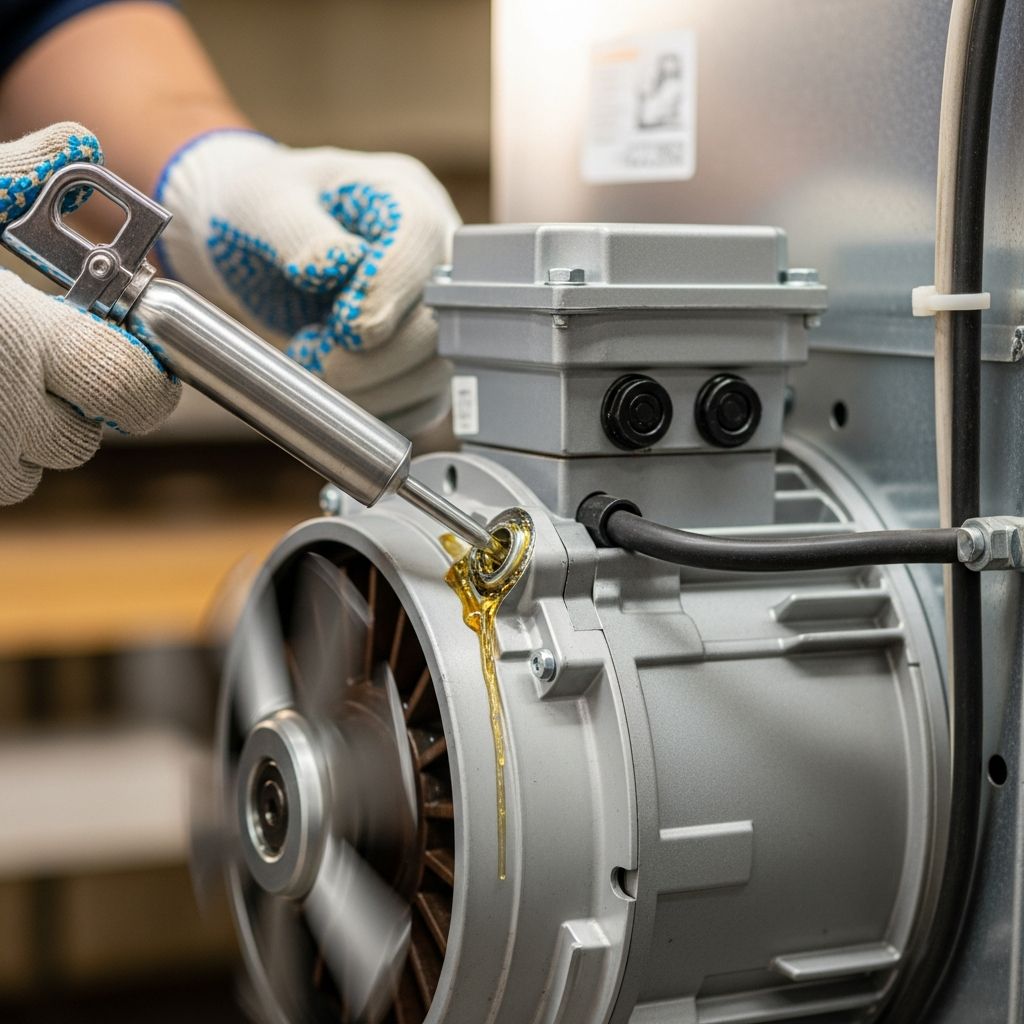
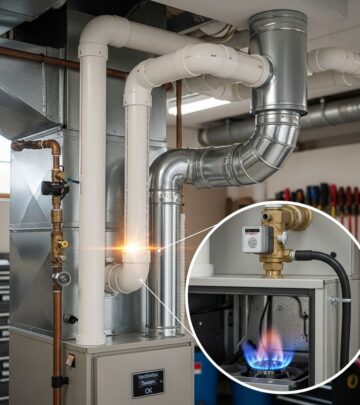
The furnace blower motor is the heart of your heating system, circulating warm air throughout your home. Over time, friction in its bearings can cause noise, inefficiency, and premature failure. Proper lubrication reduces wear, improves airflow, and lowers energy bills. This guide provides a complete walkthrough for safely oiling your blower motor, drawing from established HVAC practices.
Why Lubricate Your Furnace Blower Motor?
Regular lubrication keeps bearings smooth, preventing overheating and extending motor life. Dirty or dry bearings lead to uneven heating, higher utility costs, noisy operation, and overworked components, potentially shortening equipment lifespan. Clean, lubricated motors ensure even air distribution and optimal efficiency.
Neglecting this task allows dust buildup to restrict airflow by up to 40%, straining the system and increasing wear. Homeowners who lubricate annually report quieter performance, stronger airflow, faster heating, and reduced energy use.
Understanding Blower Motor Types
Not all furnace blowers require oil. Modern ECM (electronically commutated motors) are sealed and maintenance-free, while older PSC (permanent split capacitor) motors have oil ports. Check your manual or inspect for small caps on the motor housing labeled “oil” or with lubrication indicators.
| Motor Type | Requires Oil? | Typical Lifespan | Maintenance Frequency |
|---|---|---|---|
| PSC (Older Models) | Yes | 10-15 years | Annually |
| ECM (Newer Models) | No | 15-20 years | Inspection only |
Belt-driven blowers often need more frequent checks due to additional friction points.
Essential Tools and Materials
Gather these items before starting:
- SAE 10 or 20 non-detergent electric motor oil (turbine or SAE-grade)
- Screwdriver set (Phillips and flathead)
- Socket wrench or nut driver
- Flashlight
- Shop vacuum with brush attachment
- Soft brush or compressed air
- Rags or microfiber cloths
- Gloves and safety glasses
Use only manufacturer-recommended oil to avoid gumming or damaging bearings. Avoid WD-40 or penetrating oils, as they lack proper viscosity.
Safety Precautions Before You Begin
Turn off power at the breaker and gas supply to prevent shocks or fires. Verify the unit is cool. Wear protective gear to handle dust. Support heavy components to avoid drops. Never force parts; misalignment causes vibrations and noise.
Step-by-Step Lubrication Process
Step 1: Locate and Access the Blower Assembly
Remove the furnace access panel using a screwdriver. Identify the blower compartment, typically at the bottom or side. Unplug the wiring harness gently by the connector, not wires. Slide out the assembly, keeping it level.
Step 2: Clean the Motor and Components
Vacuum loose dust from blades and housing. Use a soft brush for edges, then compressed air for crevices. Wipe with a dry cloth; avoid liquids near bearings to prevent winding damage. Inspect belts for cracks or frays—replace if needed. Clean filters to maintain airflow and reduce future buildup.
Step 3: Inspect Bearings and Prepare for Oil
Locate oil ports (two per motor, one per end). Check lubricant level—clear oil without bubbles indicates good condition. Monitor for vibration or heat, signaling wear. Clean ports with a rag.
Step 4: Apply Lubrication Precisely
Add 2-3 drops of oil per port while rotating the shaft slowly to distribute evenly. Wipe excess to prevent drips that attract dirt. Over-oiling causes bubbling and slippage. For shaft bearings, follow the same conservative approach.
Step 5: Reassemble and Test
Slide the assembly back, reconnect wires identically, and secure panels. Restore power and gas. Run the furnace, listening for smooth operation and checking vents for airflow. Monitor amp draw if possible to confirm performance.
Maintenance Schedules for Longevity
Follow this routine to maximize results:
- Routine (Monthly): Check filters, airflow, and listen for unusual noises.
- Quarterly: Inspect blades for dirt, record motor amps, clean surfaces.
- Annually: Full lubrication, bearing temps, belt tension (1 inch play), and insulation tests.
Log readings yearly to track trends, catching issues early.
Troubleshooting Common Issues
Noisy Operation: Dry bearings or imbalance—lubricate and balance blades.
Weak Airflow: Dust-clogged wheels or belts—clean thoroughly.
Overheating: Restricted ventilation or low oil—clean vents and lubricate.
Motor Failure: If beyond repair (e.g., after 12-15 years), consider system replacement.
Advanced Inspection Checklist
During annual service:
- Bearings: Temperature, oil level, vibration.
- Shaft: Straightness (TIR <0.002 inches), corrosion.
- Mounts: Tight bolts, no warping.
- Belts/Seals: Tension, leaks.
- Brushes (if applicable): Wear and fit.
Benefits of Professional Servicing
DIY suits basic tasks, but pros disassemble for chemical cleaning, ensuring no residue. They test voltage, IR, and gaps for comprehensive health checks.
Frequently Asked Questions (FAQs)
What type of oil for furnace blower motor?
SAE 10 or 20 non-detergent electric motor oil.
How often should I oil the motor?
Annually for oil-lubricated models.
Can I lubricate a sealed motor?
No—ECM motors don’t have ports; clean externally only.
What if my blower squeals after oiling?
Check alignment, balance, or call a pro for bearing issues.
Does lubrication save energy?
Yes, by improving airflow and reducing strain.
Preventive Tips for Year-Round Performance
Upgrade to high-MERV filters to minimize dust ingress. Keep registers open for airflow. Schedule pro tune-ups biennially. These steps prevent 80% of common failures.
References
- 5 Steps to Clean a Furnace Blower: 2026 Guide — Sigma Air Conditioning & Heating Texas. 2026. https://sigmaairtx.com/blog/5-steps-to-clean-a-furnace-blower/
- Blower Motor Cleaning and Maintenance — RasMech. N/A. https://www.rasmech.com/blog/blower-motor-cleaning-and-maintenance/
- Cleaning a Blower Motor – YouTube — Logan Services A/C, Heat & Plumbing. 2021-11-17. https://www.youtube.com/watch?v=5becqHHc7D8
- The Importance of Furnace Blower Motor Maintenance — Logan Inc. N/A. https://www.logan-inc.com/blog/importance-ac-and-furnace-blower-motor-maintenance/
- How to Service a Furnace — Maichle’s HVAC. 2020-12-07. https://maichleshvac.com/2020/12/07/how-to-service-a-furnace/
Similar Articles



Read full bio of medha deb