Designing a Luxury-Level Laundry Room: Style, Storage and Smart Function in One Space
Turn the hardest-working room in your home into a beautiful, high-performing retreat.
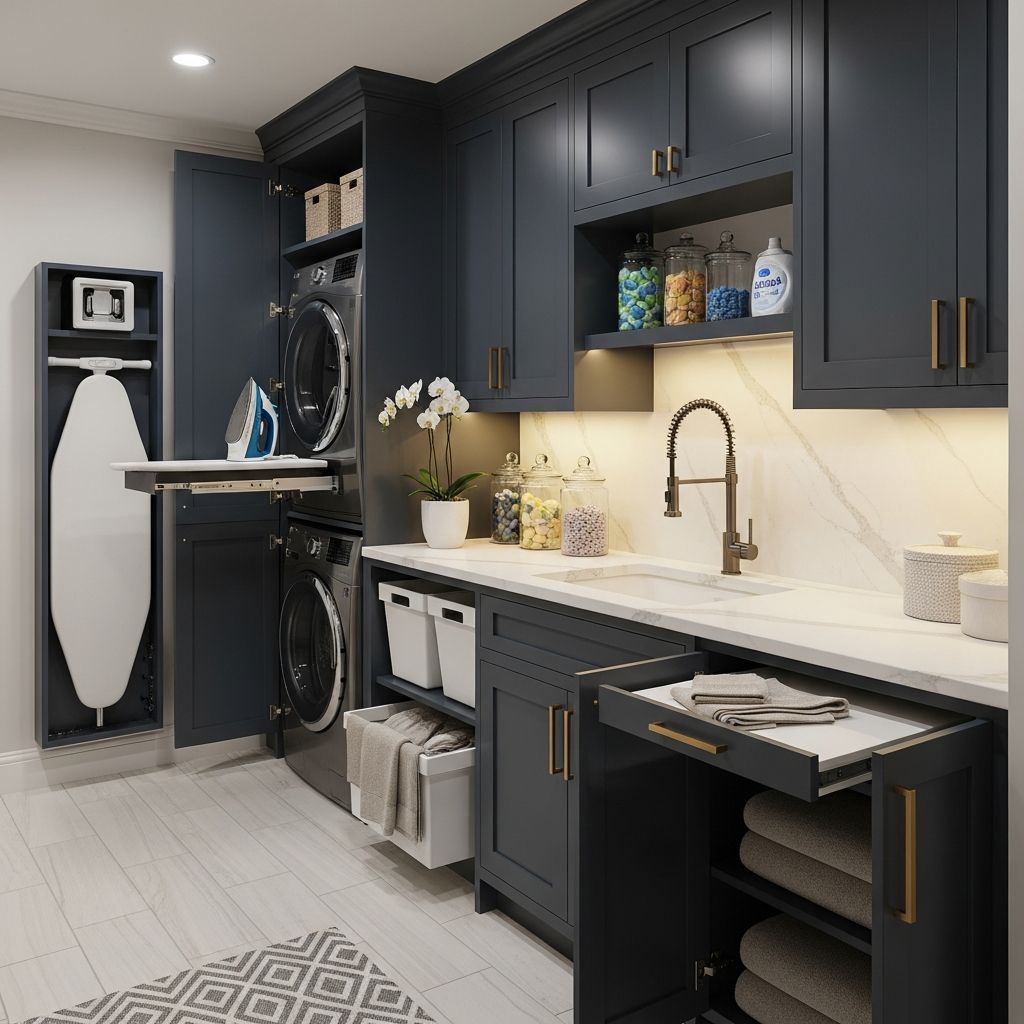
The laundry room is no longer a forgotten utility corner; it is now a design-forward space that can feel as polished and intentional as any kitchen or bathroom. With thoughtful planning, this hardworking room can become a daily retreat instead of a chore zone.
This guide walks through practical and stylish ideas for layouts, finishes, storage and decor, so you can build a laundry room that looks elevated and works beautifully for your real life.
Rethinking the Role of the Laundry Room
Modern homes increasingly treat the laundry room as a multifunctional hub rather than a purely task-driven space. Beyond washing and drying, it can support pet care, seasonal storage, crafting, and even light work-from-home tasks.
When you see this room as an extension of the main living areas, decisions about cabinetry, flooring, and color become an opportunity to add character and comfort—not just utility.
Planning the Perfect Layout
Good laundry design starts with a layout that supports the way you actually move through washing, drying, folding, and putting away. Think in terms of zones rather than a single run of appliances pushed against a wall.
At a minimum, aim to carve out space for four core functions: sorting, washing/drying, folding, and hanging. In a small room these may share surfaces; in a larger room they can become distinct stations.
Efficient Layout Zones
- Sorting zone: Bins, baskets or pull-out hampers for lights, darks, delicates and specialty loads.
- Washing & drying zone: Side-by-side or stacked machines with nearby storage for detergents and stain removers.
- Folding zone: Countertop space (even a narrow one) directly above or next to the machines.
- Hanging zone: Rods, hooks or a drying rack for air-dry items and just-ironed clothing.
Arrange these zones so that you naturally move clockwise or in a straight line from one task to the next. Avoid layouts that require backtracking across the room to switch a load or put laundry away.
Side-by-Side vs. Stacked Appliances
| Configuration | Best For | Key Advantages | Potential Drawbacks |
|---|---|---|---|
| Side-by-side | Medium to large rooms | Allows countertop over appliances, easier access for kids, room for a central folding surface. | Requires more horizontal wall space; may limit additional cabinetry on tight walls. |
| Stacked | Compact laundry closets or narrow rooms | Frees up floor area for cabinets or a sink; ideal for tall but shallow spaces. | Upper unit can be harder to reach; limits the length of continuous countertop space. |
Choosing a Cohesive Style and Color Palette
Because laundry rooms are often small, color and finishes have an outsized impact. A clear style direction helps keep the space from feeling like a mismatched collection of leftover materials.
Decide whether your laundry should blend seamlessly with adjacent rooms or feel like a surprise jewel box with bolder choices. Either way, repeat a few consistent materials to maintain a calm, unified look.
Popular Style Directions
- Modern minimal: Flat-front cabinets, simple hardware, pale walls, and integrated appliances.
- Warm farmhouse: Shaker cabinetry, apron-front sink, warm woods, and soft neutrals with subtle patterns.
- Urban chic: Dark cabinets, concrete-style counters, metal accents, and graphic tile.
- Coastal calm: Light woods, sandy beiges, watery blues, and woven baskets.
For a serene experience, stick to two primary colors and one accent. For a more playful approach, consider patterned floor tile with quieter walls and cabinets.
Surfaces That Work Hard and Look High-End
Unlike decorative rooms, laundry spaces routinely encounter moisture, heat and cleaning chemicals. Surfaces must handle splashes and scuffs while still feeling refined.
Prioritize materials that clean easily and resist staining, then choose colors and textures that complement the rest of your home.
Countertops and Backsplashes
- Countertops: Quartz, solid surface and high-quality laminate are popular for their durability and low maintenance. Butcher block adds warmth if properly sealed.
- Backsplash: Ceramic or porcelain tile, stone-look slabs, or even washable paint with a shallow ledge can protect walls behind a sink and appliances.
- Edge details: Rounded edges and integrated splashes make wiping down easier and safer in busy family spaces.
Run the countertop seamlessly over front-loading appliances if possible. This simple move dramatically increases usable surface area without expanding the footprint.
Cabinetry and Storage That Tames Clutter
Nothing transforms a laundry room faster than well-planned storage. Hidden compartments, tall cabinets, and clever inserts can keep everyday products close by but out of sight.
Mix closed storage to hide visual noise with open storage for attractive jars, plants and frequently used items.
Smart Storage Ideas
- Full-height cabinets to store bulk supplies, seasonal linens and cleaning tools.
- Pull-out hampers for pre-sorting loads and reducing piles on the floor.
- Shallow upper cabinets above machines for detergent, dryer sheets and stain pens.
- Open shelves styled with baskets, labeled canisters and decorative items.
- A tall broom closet for mops, vacuum, and ironing board.
Think vertically: wall space above doors or machines can host additional cabinets or shelves, especially in compact rooms.
Lighting That Makes Tasks Easier
Good lighting turns a basic laundry into a cheerful, efficient workspace. Layer general, task and accent lighting to avoid shadows and make colors easier to see.
Where possible, maximize natural light with a window or glazed door, and complement it with controllable artificial options.
Layered Lighting Plan
- Ambient: Ceiling-mounted fixtures or recessed lights to illuminate the whole room.
- Task: Under-cabinet strips or spotlights over counters, sinks and sorting areas.
- Accent: A pendant or small chandelier to add a decorative focal point.
Consider dimmers so the room can feel bright for stain treatment but softer when you are folding or ironing in the evening.
Incorporating Smart Technology and Efficiency
Technology can make laundry more convenient, quieter and less resource-intensive. Smart appliances and controls also help the room feel current for years to come.
When planning electrical and plumbing, anticipate potential future upgrades so that new machines or smart accessories are easy to add.
Helpful Tech Features
- Wi-Fi enabled washers and dryers that send cycle notifications and allow remote start or pause.
- Leak detection sensors near water connections for early warnings.
- Smart plugs or switches for lights and ironing stations.
- Energy-efficient appliances that reduce water and electricity use over time.
Even simple additions, like a wall-mounted tablet or small speaker, can make longer laundry days more pleasant by streaming music or tutorials.
Multipurpose Features: Mudroom, Pet Station and More
Because laundry rooms often sit near entry points or garages, they are natural candidates for multitasking. Combining functions can save square footage elsewhere in the home.
Design with durable finishes and clear zones so that added uses enhance the space without creating chaos.
Ideas for a Multifunction Laundry
- Mudroom wall: Hooks, benches and cubbies for shoes and bags along an unused wall or opposite the appliances.
- Pet center: Built-in feeding station, pull-out trash for pet waste, and a low utility sink or shower for washing paws.
- Craft or project nook: A small desk-height counter with drawers and task lighting.
Clearly define each function with its own storage so dirty shoes, pet supplies and laundry baskets do not compete for the same shelves.
Designing for Small Laundry Rooms and Closets
Even a tiny closet can feel polished and practical with careful choices. The key is to use every inch wisely and avoid visual clutter.
Focus on vertical storage, compact appliances and multipurpose surfaces that allow more than one task to happen in the same footprint.
Space-Saving Strategies
- Choose stackable units to free up floor area.
- Install a shallow countertop above front-loading machines for folding.
- Use wall-mounted drying racks that fold flat when not in use.
- Hang a slim cabinet or peg rail on the back of the door for cleaning tools.
- Keep the color palette light and cohesive to visually open the space.
Mirrors, glass cabinet doors and glossy tiles can also bounce light around, making compact rooms feel less cramped.
Textiles, Decor and the Finishing Touches
Once the major elements are in place, textiles and decor soften the room and tie the design together. These finishing touches can often be updated later to refresh the look without remodeling.
Choose pieces that both elevate the style and stand up to the humidity and traffic the room will see.
Easy Ways to Add Personality
- Runners or washable rugs to bring in color and comfort underfoot.
- Framed art or photography that reflects your style or humor.
- Greenery, whether real or faux, to add life and soften hard lines.
- Coordinated baskets and canisters for a tidy, intentional look.
Because the laundry room is often used daily, small details like a scented candle, a comfortable stool or a favorite print can make the experience genuinely more enjoyable.
Budgeting and Phasing Your Laundry Upgrade
Transforming a laundry room does not have to happen all at once. Many homeowners tackle updates in phases—starting with storage and lighting, then moving on to appliances and finishes.
Prioritize changes that improve function first, then invest in upgrades that deliver the greatest visual impact for the money.
High-Impact, Lower-Cost Updates
- Paint cabinets and walls to create an instant sense of cohesion.
- Swap hardware and faucets for more substantial, stylish versions.
- Add peel-and-stick backsplash tile for character behind the sink or machines.
- Install open shelving with attractive storage containers.
Later, when the budget allows, consider upgrading appliances and countertops for long-term performance and value.
Frequently Asked Questions
What is the most important element in a laundry room design?
The most important element is a layout that supports your daily routine, with clearly defined zones for sorting, washing, drying and folding. Once these functions are easy and intuitive, style and finishes can enhance the experience rather than compensate for frustration.
How big should a laundry room be?
There is no single ideal size; efficient laundry spaces range from compact closets to full rooms. A practical minimum is enough width for appliances plus 18–24 inches of clearance in front, along with a bit of surface area for folding.
Do I really need a sink in the laundry room?
A sink is not essential, but it is highly useful for pre-treating stains, rinsing delicate items, and handling messy tasks you do not want in the kitchen. If space is tight, a smaller, deep sink can still provide many of the same benefits.
How can I make my laundry room feel more luxurious?
Focus on consistency of finishes, layered lighting, and a few elevated details, such as stone-look counters, statement hardware, or a decorative light fixture. Add textiles, art and greenery to soften the room and make it feel more like a thoughtfully designed living space.
What colors work best in a laundry room?
Light neutrals and soft tones help small rooms feel airy and clean, while deeper colors can create a cozy, dramatic atmosphere in larger or well-lit spaces. The best palette is one that connects to nearby rooms while reflecting the mood you want: calm and spa-like, bright and energetic, or rich and cocooning.
Similar Articles


Read full bio of medha deb