Maintaining Pristine White Landscape Rocks
Expert strategies for keeping white landscape rocks brilliant and stain-free year-round.
Understanding White Landscape Rocks in Garden Design
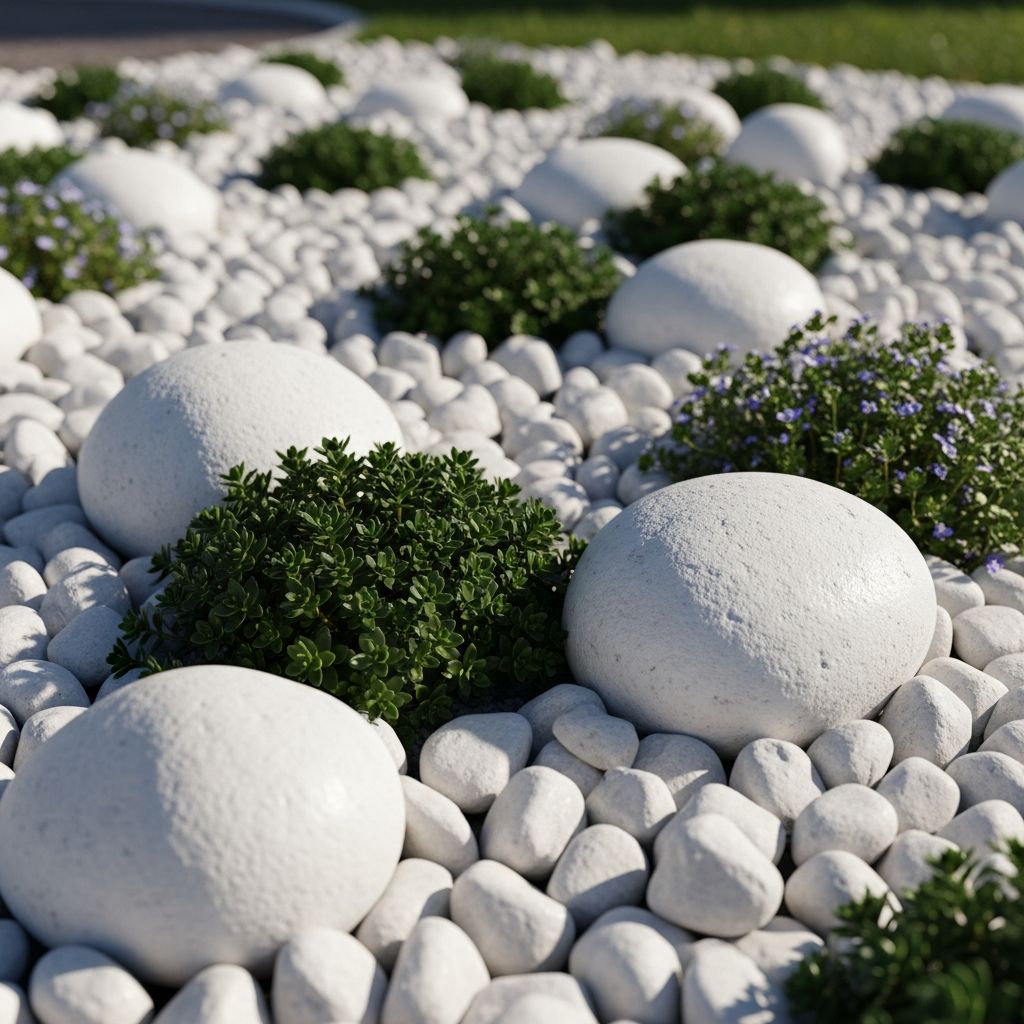
White landscape rocks serve as a striking visual element in contemporary garden design, offering a clean, polished aesthetic that contrasts beautifully with darker plantings, mulch, and hardscape features. These stones function both as decorative accents and practical landscaping solutions, providing drainage benefits while maintaining an elegant appearance throughout the seasons. However, their light coloring makes them particularly susceptible to discoloration from environmental exposure, organic growth, and accumulated debris.
The popularity of white landscape rocks stems from their versatility in various outdoor applications, including decorative borders, pathway edging, ground cover in rock gardens, and accent features around water installations. Understanding the unique characteristics of white stones is essential for anyone seeking to preserve their original brightness and maintain their visual impact over time.
Common Sources of Discoloration
White landscape rocks face multiple environmental challenges that can compromise their appearance. Recognizing these sources of discoloration enables homeowners to implement targeted cleaning strategies and preventative measures.
Algae and Biological Growth
In moist climates or shaded garden areas, algae naturally colonizes rock surfaces, creating greenish or brownish staining. This biological growth thrives in consistently damp conditions and becomes increasingly visible on light-colored stones. Similarly, moss and lichen may develop, particularly in regions with high humidity or frequent rainfall.
Dust and Particulate Accumulation
During dry periods without precipitation, dust particles settle persistently on rock surfaces. These fine materials create a dull, grimy appearance that obscures the stones’ natural brightness and can be difficult to remove through casual rinsing alone.
Organic Debris and Staining
Fallen leaves, twigs, and organic matter decompose on rock surfaces, releasing compounds that penetrate porous stone structures. Additionally, weathering of surrounding materials and airborne pollutants contribute to gradual discoloration over time.
Essential Tools and Materials for Rock Cleaning
Successful rock maintenance requires assembling appropriate equipment before beginning any cleaning project. Having the right tools on hand ensures efficient work and reduces the risk of damaging delicate stone surfaces.
- Soft-bristled brushes: These prevent surface scratching while effectively removing loosened debris and algae
- Garden hose with variable pressure settings: A crucial tool for rinsing and, when used at moderate pressure, for cleaning without excessive force
- Buckets and containers: Necessary for mixing cleaning solutions and managing water during treatment
- Soft cloths or sponges: For applying solutions gently and wiping clean
- Safety gloves and eyewear: Essential when working with any cleaning solutions
- Metal mesh or hardware cloth: Useful for sifting heavily soiled stones to separate dirt from rock
Gentle Cleaning Methods for Regular Maintenance
Routine cleaning prevents the buildup of stubborn stains and maintains the rocks’ appearance without requiring intensive intervention. These methods are suitable for removing light discoloration and seasonal debris.
Water Rinsing with Garden Hose
The simplest and most environmentally friendly approach involves rinsing rocks with a garden hose at moderate pressure. This method effectively removes surface dust, loose debris, and algae in early stages of growth. Position the hose to direct water runoff away from plantings and garden beds, preventing concentrated chemical application to surrounding vegetation.
Soapy Water Solution
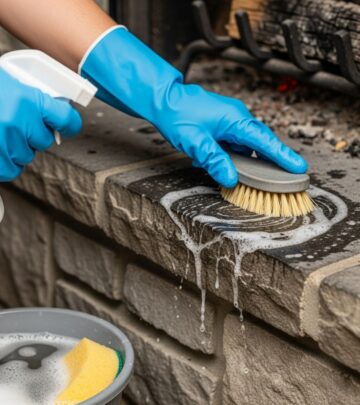
For light staining, mix warm water with mild washing-up liquid in a bucket to create a gentle cleaning solution. Using a soft-bristled brush, scrub the rock surfaces thoroughly to ensure all sides receive attention. This approach proves particularly effective for removing algae and organic residues without harsh chemicals. After scrubbing, rinse thoroughly with clean water from the hose.
White Vinegar Treatment
White vinegar offers a natural alternative to commercial cleaners, providing mild acidity that dissolves mineral deposits and organic stains. Mix equal parts white vinegar and water in a bucket, then apply this solution to stained areas using a brush. Allow the solution to sit briefly before scrubbing and rinsing thoroughly. This method proves especially effective for stubborn mineral deposits and oxidation stains while remaining safe for surrounding plants.
Advanced Cleaning for Stubborn Stains
When routine maintenance proves insufficient, advanced cleaning techniques address persistent discoloration and heavily soiled stone collections. These methods require more preparation and attention but deliver superior results for extensive staining.
Hydrogen Peroxide Solution
For maintaining brilliant whiteness without relying on bleach, mix one part three-percent hydrogen peroxide with two parts water. Apply this solution to stained areas and allow it to penetrate the porous stone structure for several hours before scrubbing. Hydrogen peroxide gently oxidizes stains without the harshness of bleach, making it suitable for more frequent applications. This approach works particularly well for light to moderate discoloration from algae and organic matter.
Bleach-Based Deep Cleaning
For severely soiled white landscape rocks requiring dramatic whitening, a controlled bleach treatment offers powerful restoration. First, sift loose debris from the rocks using metal hardware cloth placed over a wheelbarrow lined with tarpaulin. This preliminary step significantly reduces the workload and prevents recontamination during cleaning.
Mix 50 milliliters of bleach with approximately 20 liters of water in a large container, creating a diluted solution that minimizes damage risk while maintaining effectiveness. Completely submerge the sifted rocks in this mixture, ensuring even coverage. Leave the rocks to soak for 24 hours, checking weather forecasts beforehand. If rain is predicted, cover the wheelbarrow with additional tarpaulin to prevent dilution of the cleaning solution.
After soaking, carefully drain the bleach solution into a designated container for proper disposal. Never pour concentrated bleach water directly onto plants or into storm drains, as it may harm vegetation and aquatic ecosystems. Return the brightened rocks to their original locations in the garden.
Managing Weeds and Growth Prevention
Beyond surface staining, weeds frequently emerge through gaps in rock installations, compromising the neat appearance of landscaped areas. Implementing effective weed management preserves both aesthetics and the health of surrounding plantings.
Mechanical Removal
For scattered weeds, manual removal by hand-pulling or careful digging proves most efficient. Grasp weeds at the base and pull steadily to extract as much root material as possible, preventing rapid regrowth.
Boiling Water Treatment
A chemical-free alternative involves pouring boiling water directly onto weeds growing among the rocks. This method kills the plant without introducing pesticides or herbicides that might migrate to surrounding soil and vegetation. This approach works best for isolated weeds rather than large infested areas.
Herbicide Solutions
For extensive weed problems, glyphosate-based herbicides provide reliable control when applied precisely to target plants. Follow product instructions carefully to minimize exposure to desirable plants and avoid contaminating clean rocks during application.
Prevention Through Barriers
Installing landscape fabric or geotextile membranes beneath decorative rocks significantly reduces future weed emergence. These permeable barriers allow water and air penetration while blocking weed seeds from establishing in underlying soil.
Seasonal Care and Preventative Strategies
Implementing a seasonal maintenance calendar protects white landscape rocks throughout the year, preventing serious staining and reducing the need for intensive cleaning efforts.
| Season | Primary Maintenance Task | Frequency |
|---|---|---|
| Spring | Remove winter debris, inspect for algae, light cleaning | Monthly |
| Summer | Monitor for dust accumulation, weed control, water rinse | As needed |
| Fall | Remove fallen leaves, deep cleaning if required | Bi-weekly |
| Winter | Monitor for moss growth, minimal intervention | Monthly |
Stone Sealer Application
Applying a quality stone sealer formulated specifically for white landscape rocks provides lasting protection against staining and environmental damage. Most premium sealers require reapplication every 12 to 24 months, depending on climate conditions and rainfall frequency. These protective coatings create a barrier that reduces absorption of water, oils, and other substances that cause discoloration.
Shade Management
If possible, position white landscape rocks in locations receiving adequate sunlight, as direct UV exposure naturally inhibits algae growth. Maintaining clear sightlines to these features also facilitates regular inspection and early detection of developing stains.
Drainage Optimization
Ensuring proper drainage around rock installations prevents water from pooling and creating persistent moisture that encourages biological growth. Where white rocks border planted areas, consider directing irrigation away from stone surfaces to minimize moisture exposure.
Handling Special Stone Types
White landscape installations may incorporate various stone materials, each with specific cleaning requirements and vulnerabilities to damage.
Marble and Soft Stones: These elegant but delicate materials require gentler cleaning approaches than harder granites and quartz. Avoid acidic solutions including vinegar on marble, as acidity can etch the stone surface. Instead, rely on mild soap solutions and soft brushing. High-pressure water washing may also cause damage, making low-pressure rinsing preferable.
Granite and Quartz: These durable, non-porous stones tolerate more aggressive cleaning methods, including moderate pressure washing and vinegar treatments. Their hardness makes them less susceptible to scratching from vigorous brushing.
Marble Gravel and Aggregate: Light-colored gravel faces similar challenges to larger white stones but offers unique advantages. The smaller particle size allows for sifting through mesh to separate accumulated dirt. High-pressure garden hose rinsing proves particularly effective for gravel installations, as water absorption into underlying soil prevents pooling.
Safety Considerations and Environmental Responsibility
Cleaning rock installations responsibly protects both personal health and environmental quality. Always wear appropriate safety equipment when applying cleaning solutions, including gloves and eye protection. Ensure adequate ventilation if using chemical solutions, particularly bleach products that produce potentially harmful fumes when concentrated.
Dispose of cleaning solutions properly by pouring them directly into designated drains rather than onto garden soil or into storm drainage systems. This prevents chemical contamination of groundwater and protects aquatic ecosystems. If disposing of large quantities of bleach solution, contact local waste management authorities for guidance on proper handling.
Consider the impact of runoff on adjacent plantings when selecting cleaning agents. Water containing harsh chemicals may damage sensitive plants, making milder alternatives preferable near valuable specimens or vegetable gardens.
Common Challenges and Solutions
Persistent Green or Brown Staining
When algae or lichen resists initial cleaning attempts, increase solution strength gradually rather than immediately resorting to bleach. Apply hydrogen peroxide solution multiple times over several days, allowing extended contact time with stubborn growth. For extremely persistent staining, the diluted bleach soaking method provides reliable results.
Dull Appearance Despite Cleaning
Accumulated mineral deposits from hard water or atmospheric weathering can create a persistent dull film. White vinegar applied repeatedly or a stone-specific cleaner designed for mineral deposit removal may restore brightness. Following successful cleaning, applying stone sealer prevents rapid reaccumulation.
Uneven Color Results
If cleaned rocks appear patchy with inconsistent coloring, the variation likely stems from different levels of prior staining and oxidation. Additional cleaning of lighter areas or selective treatment of more stained zones creates uniformity. In some cases, the variation reflects natural stone characteristics that become apparent after cleaning.
Long-Term Investment in Rock Appearance
While white landscape rocks require ongoing maintenance, establishing consistent cleaning and sealing routines significantly reduces workload and preserves their stunning appearance indefinitely. The initial investment in quality tools and protective treatments pays dividends through reduced intensive cleaning needs and extended intervals between deep restoration efforts. Many homeowners find that monthly casual maintenance, supplemented by seasonal deeper cleaning, keeps white landscape rocks looking essentially new for years.
Frequently Asked Questions
Q: Can I use a pressure washer on white landscape rocks?
A: Moderate pressure washing works effectively for durable stones like granite and quartz, but softer materials such as marble may become damaged. Use the lowest suitable pressure setting and maintain distance from the stone surface. Test on inconspicuous areas first, and avoid pressure washing if rocks are loosely placed.
Q: How often should I clean white landscape rocks?
A: Monthly casual maintenance with a hose and soft brush prevents significant buildup. Seasonal deeper cleaning during spring and fall, combined with annual sealer reapplication, keeps rocks looking brilliant. Frequency varies based on climate, shade levels, and surrounding vegetation.
Q: Is bleach safe for all white stone types?
A: Bleach works well for durable stones like granite and quartz but may damage softer materials such as marble or limestone. Test diluted bleach on hidden areas first. For delicate stones, hydrogen peroxide provides an effective alternative with less risk of damage.
Q: What’s the best prevention method for keeping rocks clean longer?
A: Installing landscape fabric beneath rocks, applying stone sealer annually or biennially, positioning rocks in well-lit areas, and maintaining proper drainage all significantly extend intervals between intensive cleaning. These preventative measures reduce long-term maintenance requirements substantially.
Q: Can white vinegar harm my plants?
A: Diluted white vinegar at standard cleaning concentrations causes minimal harm to established plants but may stress seedlings or sensitive specimens. Direct cleaning runoff away from delicate plantings and water the soil afterward to dilute any residual vinegar. Use sparingly near herbaceous plants and vegetable gardens.
Q: Why do my white rocks turn yellow or brown?
A: Discoloration typically results from algae growth, mineral deposits from hard water or irrigation, atmospheric oxidation, or decomposing organic matter. Identify the specific cause through observation—green tint suggests algae, while yellow may indicate mineral buildup or rust-bearing impurities in the stone itself.
References
- How to Maintain and Clean Decorative Landscape Rocks — Stone Centers. 2024. https://stonecenters.com/blog/how-to-maintain-and-clean-decorative-landscape-rocks
- How To Clean & Maintain Decorative Garden Stones — Decorative Aggregates. 2024. https://decorativeaggregates.com/blogs/how-to-guides/how-to-clean-maintain-decorative-garden-stones
- White Landscaping Rocks: Easy Care Tips to Keep Them Spotless — Backyard Boss. 2024. https://www.backyardboss.net/white-landscaping-rocks/
- How To Clean Garden Stones – Part 1 — Stone Warehouse. YouTube. 2015. https://www.youtube.com/watch?v=ZKJsNyvgarE
Similar Articles








Read full bio of Sneha Tete