Maintaining Sharp Pruning Tools: A Complete Guide
Master the art of keeping your pruning equipment in peak condition
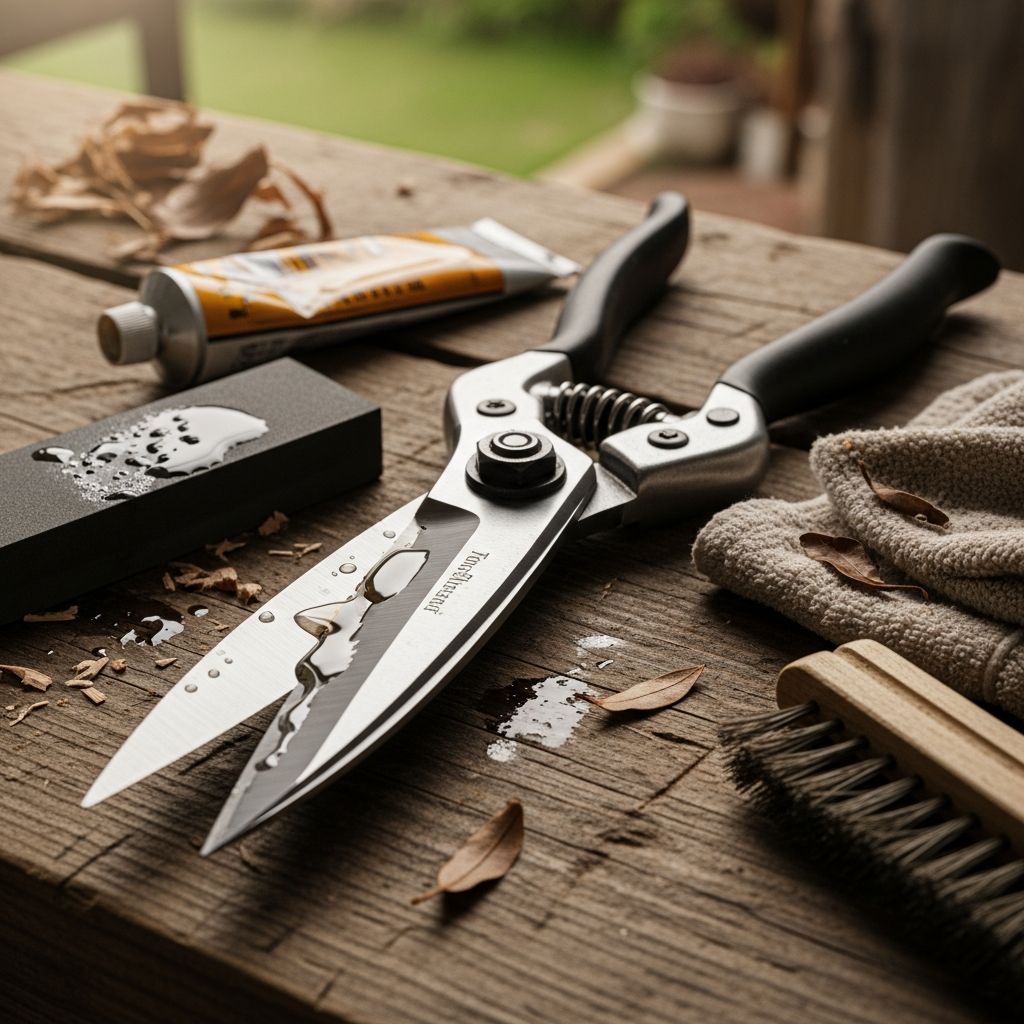
A well-maintained pruning tool is the foundation of effective gardening. Whether you’re trimming back overgrown hedges or making precision cuts on delicate branches, the quality of your cuts depends entirely on the sharpness of your equipment. Dull blades not only make gardening more physically demanding but also damage plants by crushing rather than cleanly severing tissue. Understanding how to properly care for your cutting tools transforms them from frustrating implements into reliable companions that make every pruning task more enjoyable and productive.
Why Tool Maintenance Matters for Your Garden
Sharp pruning equipment serves multiple purposes beyond convenience. Clean cuts allow plants to heal more efficiently, reducing the risk of disease and pest entry points. A dull blade requires excessive force to operate, increasing fatigue and the likelihood of user injury. Additionally, proper maintenance extends the lifespan of expensive tools, protecting your investment and ensuring consistent performance season after season. Many gardeners don’t realize that a few minutes of preventive care can add years to their equipment’s useful life.
The relationship between blade sharpness and cut quality is direct and measurable. A truly sharp blade will cut through paper cleanly without crushing, while a dull blade will tear and fold the paper regardless of applied force. This same principle applies to plant tissue—sharp pruners make clean incisions that promote healing, while dull tools create ragged wounds vulnerable to infection.
Preparing Your Tools: The Essential Cleaning Phase
Before any sharpening work begins, your equipment requires thorough cleaning. Accumulated plant sap, dried debris, and mineral deposits interfere with sharpening processes and prevent proper blade contact with stones or files. A grimy cutting surface will pass roughly over its mating surface, resulting in poor cuts even if the blade becomes technically sharp.
Initial Cleaning Steps
- Use warm soapy water and a kitchen scouring pad to scrub away visible sap and plant material
- Pay particular attention to the blade edges where organic matter accumulates
- Dry all surfaces completely with a clean cloth or towel
- Inspect for rust spots or stubborn residue requiring additional attention
Rust Removal and Restoration
Rust represents the most significant obstacle to tool longevity. Use coarse steel wool (#3 grade) to aggressively remove rust and stubborn deposits. This initial pass removes oxidation and restores the underlying metal. Follow this with fine steel wool (#0 grade) to polish the blade and restore its natural sheen. This progressive approach takes time but ensures complete restoration without unnecessarily removing excess metal.
After rust removal, consider applying a light coat of lubricant to prevent future oxidation. WD-40 or similar products work effectively for this purpose, though you’ll want to wipe away excess before sharpening begins.
Understanding Blade Geometry and Angle
The angle at which your blade is beveled determines both cutting effectiveness and sharpening difficulty. Most pruning tools feature beveled edges angled between 10 and 20 degrees. Understanding and maintaining this angle during sharpening is critical to achieving optimal results.
Many sharpening failures result from incorrect angle maintenance. If you apply your sharpening tool at the wrong angle, you’ll simply round over the existing edge rather than creating a sharp point. The best approach involves holding your sharpening tool to match the blade’s existing bevel angle, allowing the tool itself to guide proper positioning.
Selecting the Right Sharpening Tools
Various sharpening implements are available, each with distinct advantages and limitations. The choice depends on your comfort level, available budget, and the types of tools you maintain.
| Sharpening Method | Advantages | Disadvantages | Best For |
|---|---|---|---|
| Diamond Files | Easy to use; durable; available in multiple grits; beginner-friendly | Initial cost; requires multiple grades for complete sharpening | Hand pruners; regular maintenance |
| Whetstones | Professional results; long-lasting; versatile | Steep learning curve; requires proper technique and stone preparation | Kitchen knives; pruning knives; serious enthusiasts |
| Sharpening Steel | Portable; quick touch-ups; suitable for on-the-job sharpening | Limited effectiveness on very dull blades; requires practice | Quick field maintenance; gardeners who prune extensively |
Diamond files have emerged as the preferred choice for most home gardeners. Their effectiveness combined with ease of use makes them ideal for people just learning proper sharpening technique. Unlike whetstones, diamond files are forgiving of minor angle variations and don’t require water preparation before use.
The Progressive Sharpening Method
Professional results come from using multiple grades of sharpening implements in sequence. This progressive approach begins with coarse abrasives and finishes with fine ones, creating progressively sharper edges.
Step One: The Coarse Pass
Begin with your coarsest sharpening tool, moistening diamond files with water beforehand to prevent clogging. Hold the file at the same angle as your blade’s bevel (typically 10-20 degrees). Starting at the inside curve of the blade, draw the file toward the tip in a curved motion that follows the blade’s natural contour. This technique, rather than scrubbing in random directions, ensures even sharpening across the entire edge.
For well-maintained tools, 10-20 passes with the coarse file typically suffice. Neglected blades may require 40-50 passes before noticeable improvement appears. The key is applying moderate, consistent pressure rather than aggressive force.
Step Two: Refining with Medium Grits
Switch to your medium-grade file (often called the “fine” grade in diamond file sets) after completing the coarse pass. Use the same curved drawing motion, applying the same number of passes you used with the coarse file. This phase continues refining the edge while beginning to polish away the scratches created during the initial phase.
Step Three: Finishing with Extra-Fine Abrasives
The final sharpening pass uses the extra-fine grade file, creating a polished, razor-sharp edge. Again, match your previous pass count using the same curved drawing motion. At this stage, you’re refining the microscopic geometry of the edge rather than removing significant amounts of metal.
Burr Removal
After multiple passes, a microscopic ridge called a burr forms along the blade’s edge—a byproduct of the sharpening process. Remove this burr by running your finest file across the back side of the blade a few times in a flat motion. This final step completes the sharpening process and prevents premature dulling.
Special Considerations for Different Tool Types
Disassembled Versus Integrated Pruners
Many high-quality pruners can be disassembled for maintenance, while others cannot. Disassembly provides significant advantages, allowing better access to blades and the ability to sharpen more aggressively. Check your tool’s manual to determine if disassembly is possible. If your pruners can be taken apart, do so before sharpening begins.
One critical caution: sharpen only the outer face of the cutting blade. Many gardeners mistakenly attempt sharpening both blade faces, which ruins the tool by eliminating the hook mechanism that holds plant material during cutting.
Loppers and Long-Handled Cutters
Loppers follow the same sharpening principles as hand pruners but present practical challenges due to their size. The same multi-grit approach works effectively, though maintaining proper angles becomes more difficult without disassembly. If your loppers can be taken apart, follow the same procedure as hand pruners. For non-disassembling models, sharpen the open blade using the same technique, angling the blade away from you as you push the sharpening tool firmly across the edge.
Garden Knives and Pruning Knives
Unlike pruners, pruning knives typically feature two sharpened sides (like kitchen knives), requiring balanced sharpening of both edges. Whetstones work particularly well for this application. Push the blade up the stone away from you with firm, controlled pressure, maintaining the acute angle of the blade. Sharpen both sides evenly to maintain balance and cutting performance. Finish with 2-3 sweeps on the fine side of your stone to create a polished edge.
Testing and Verification
Never rely on subjective judgment about sharpness. Professional gardeners use the paper test: attempt to cut through a sheet of paper from the edge of the blade. A properly sharpened tool will make a clean, complete cut with minimal effort, producing a straight edge identical to a razor blade’s cut. A dull blade will fold and crush the paper, tearing rather than cutting.
Test periodically throughout your sharpening process to monitor progress. Early passes should show visible improvement, indicating proper technique. If you’re not seeing progress after 20-30 passes, reconsider your angle or the condition of your sharpening implements.
Maintenance Frequency and Scheduling
Sharpening requirements depend entirely on usage patterns. Well-maintained tools receiving regular use need sharpening approximately every six weeks. Casual gardeners who prune fewer than four hours weekly may only require annual sharpening. As maintenance becomes routine, the entire process takes roughly 10 minutes for hand pruners in decent condition, making regular upkeep highly practical.
Establish a seasonal schedule aligned with your pruning activities. Many gardeners sharpen at the beginning of spring, mid-summer, and fall to ensure peak performance during heavy-use periods. This preventive approach beats emergency sharpening when tools suddenly fail mid-project.
Post-Sharpening Care
After completing the sharpening process, apply a thin coat of household oil to all blade surfaces. This prevents oxidation and rust formation, protecting your investment between uses. Use a cloth to distribute oil evenly, ensuring complete coverage. Work the pruners back and forth to distribute the lubricant throughout all moving parts.
Store sharpened tools in a dry location, ideally hung on a wall or stored in a tool shed rather than left in damp conditions. Proper storage significantly extends the interval between necessary sharpenings.
Frequently Asked Questions
How often should I sharpen my pruning tools?
Usage determines frequency. Heavy-use tools need sharpening every six weeks, while light-use tools may only require annual sharpening. The paper test provides the definitive answer—sharpen whenever your tool fails to cut paper cleanly.
Can I use a regular kitchen knife sharpener on pruning tools?
Some kitchen sharpeners work for pruning knives, but most pruners require specialized implements due to their curved blades and specific bevel angles. Diamond files or whetstones designed for pruning tools work more effectively.
What if my pruners are very dull or rusty?
Heavily neglected tools may require 40-50 passes with coarse files, significantly longer than well-maintained equipment. Persist with the progressive sharpening method—even severely dull blades respond to patient, proper technique. Rust removal with steel wool precedes sharpening in these cases.
Is disassembly necessary for effective sharpening?
Disassembly significantly improves results if your tool design permits it. However, proper technique allows effective sharpening of integrated pruners by carefully angling the sharpening tool to access the beveled edge.
How do I know if I’m holding the file at the correct angle?
The blade itself guides proper angle. Hold your sharpening tool to match the blade’s existing bevel, allowing the tool to rest naturally against the beveled surface. This technique prevents angle guessing and ensures consistency throughout the sharpening process.
Mastering Tool Maintenance for Long-Term Success
Learning to sharpen pruning tools represents a small investment with enormous payoff. The combination of improved cutting performance, extended tool lifespan, and increased gardening enjoyment makes tool maintenance an essential skill. With practice, the process becomes intuitive and meditative—a satisfying task that reconnects you with your equipment and prepares you for productive growing seasons ahead.
References
- The Comprehensive Way to Sharpen Pruners — Fine Gardening. https://www.finegardening.com/project-guides/pruning/the-comprehensive-way-to-sharpen-pruners
- Sharpening Hand Tools — Royal Horticultural Society. https://www.rhs.org.uk/garden-jobs/sharpening-tools
- Sharpening Hand Pruners — YouTube. https://www.youtube.com/watch?v=k9AddV33lpw
Similar Articles








Read full bio of medha deb