Make Space: Reduce Clutter Through Repurposing
Transform your home by repurposing everyday items to declutter and organize efficiently.
Make Space: Reduce Household Clutter Through Repurposing
Clutter can overwhelm even the most organized household. Whether you’re dealing with kitchen chaos, overflowing storage spaces, or rooms that feel cramped, finding solutions doesn’t always mean spending money on expensive organizers. Instead, creative repurposing of items you already have can transform your living spaces while reducing waste and your household footprint. By learning to see everyday objects in new ways, you can create functional storage solutions that work with your lifestyle and budget.
The Power of Repurposing in Your Home
Repurposing isn’t just about being eco-friendly, though that’s certainly a benefit. When you repurpose items, you’re essentially giving second life to objects that might otherwise end up in a landfill. This approach to organization has gained significant traction in recent years as more people recognize the value of sustainable living. By repurposing items throughout your home, you can achieve a more organized space while also reducing the amount of new products you need to purchase.
The beauty of repurposing is that it encourages creative thinking about your home’s functionality. Instead of viewing a cluttered space as a problem that requires buying new storage units, you can examine items you already own and consider how they might serve a different purpose. This mindset shift can be transformative for your entire approach to home organization.
Kitchen Organization Hacks Using Repurposed Items
The kitchen is often the heart of the home, but it’s also where clutter tends to accumulate quickly. From food storage containers to small appliances, kitchens require strategic organization. Here are several proven methods for using repurposed items to tackle kitchen clutter:
Mail Sorters for Container Lids
Plastic food storage container lids have a frustrating habit of multiplying and creating chaos in kitchen cabinets. A simple mail sorter designed for organizing paperwork can be repurposed as an elegant solution for storing these lids vertically. By organizing lids by size and stacking them in the sorter, you can access them easily and keep your cabinet neat. This method prevents the common problem of having dozens of lids with no matching containers, and it keeps them from sliding around loose in your drawers.
Corkboards on Cabinet Doors
Measuring spoons are essential kitchen tools, but they often get lost in drawers or tangled together. Attaching a corkboard to the inside or back of a cabinet door creates a dedicated space for hanging measuring spoons. This keeps them visible, accessible, and prevents them from becoming lost in kitchen clutter. The same technique works for other small items like recipe cards, shopping lists, or kitchen notes.
Wine Racks for Water Bottles
Wine racks aren’t just for wine enthusiasts. These clever storage solutions can be repurposed to corral water bottles, keeping them organized and easy to grab. Whether you have reusable water bottles or plastic bottles waiting for recycling, a wine rack mounted in a convenient location keeps them from cluttering your refrigerator or cabinets. This organization method is particularly useful for families who go through multiple water bottles daily.
Magazine Racks as Freezer Shelves
Magazine racks designed for holding periodicals can serve an excellent secondary purpose as extra shelves within your freezer. By repurposing a magazine rack horizontally inside your freezer, you create additional organizational space without requiring installation or modification. This allows you to categorize frozen items by type and maximize vertical space in your freezer, making it easier to locate items and preventing food from getting lost in the back.
Tension Rods Under the Sink
The space under the sink is notoriously difficult to organize. Cleaning supplies often pile up, and spray bottles take up valuable real estate. A tension rod mounted horizontally under the sink provides a place to hang spray bottles by their handles, instantly creating more usable space. This technique is particularly effective for organizing cleaning products, keeping them accessible while preventing the cabinet from becoming overstuffed.
File Boxes for Pantry Staples
Aluminum foil, plastic wrap, and sandwich bags tend to create clutter in kitchen drawers and cabinets. Repurposing file boxes to store these items keeps them contained and organized. You can label each box for quick identification, and the boxes stack neatly, making efficient use of cabinet space. This organizational method prevents these items from sprawling throughout your kitchen and makes it easy to find what you need.
Coat Racks for Cutting Boards
Cutting boards are essential kitchen tools, but they take up considerable cabinet space when stored traditionally. A coat rack mounted at the end of a cabinet or on a wall creates a dedicated space for hanging cutting boards. This keeps them organized, easily accessible, and frees up valuable cabinet space for other items. The same coat rack solution works well for storing other flat items like baking sheets or serving trays.
Beyond the Kitchen: Repurposing Throughout Your Home
While kitchen organization is crucial, clutter challenges exist throughout the home. The same repurposing principles that work in kitchens can be adapted for other rooms. Consider using over-the-door shoe organizers for storing bathroom supplies, using mason jars to organize craft supplies, or repurposing old dresser drawers as under-bed storage. The key is observing the specific challenges in each room and identifying items you already have that could address them.
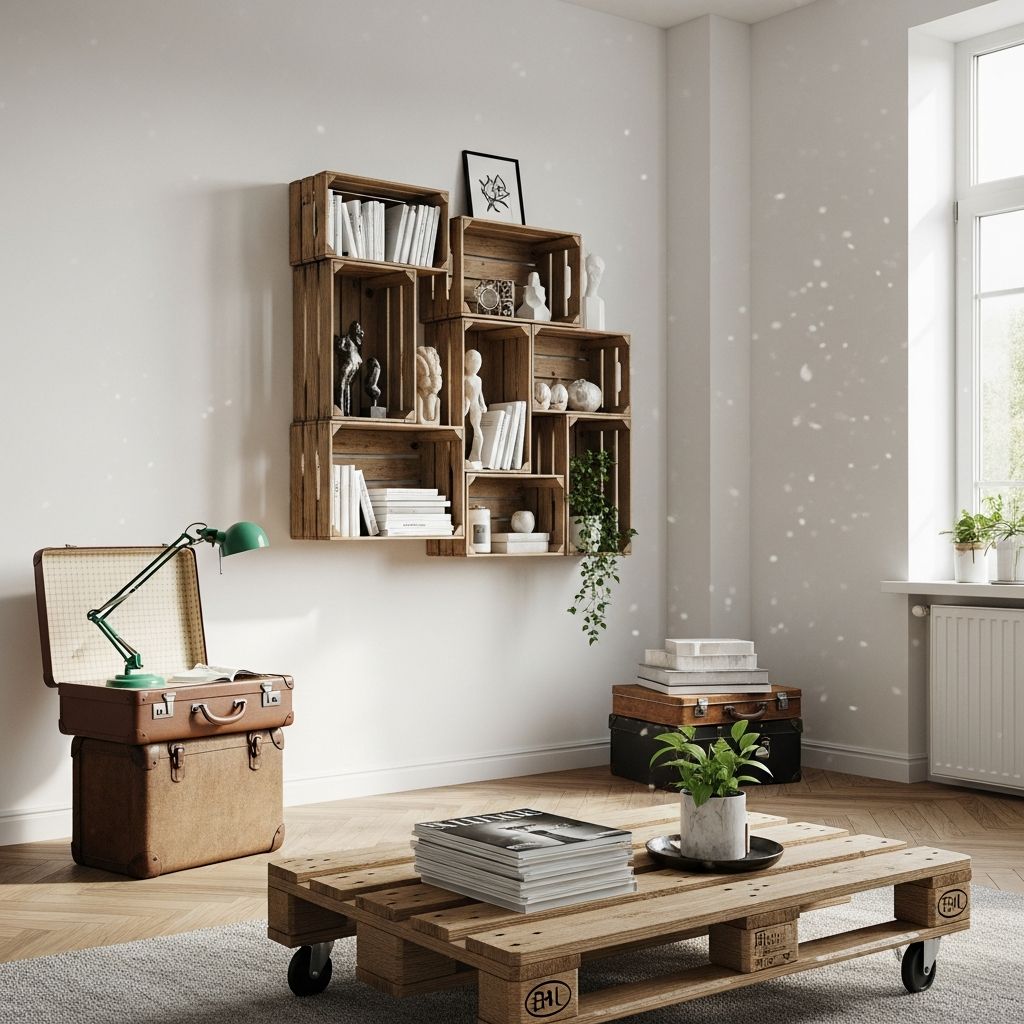
Bedroom clutter can be managed by repurposing decorative boxes, baskets, and containers to store items like seasonal clothing or out-of-season accessories. Living rooms benefit from ottoman storage, side tables with shelving, and wall-mounted organizers that serve dual purposes. Entryways can incorporate repurposed furniture like benches with storage underneath or wall hooks made from reclaimed wood.
The Environmental and Financial Benefits
Beyond creating a more organized home, repurposing offers significant environmental and financial advantages. When you repurpose items instead of purchasing new organizational products, you reduce the demand for manufacturing and the associated carbon emissions. You’re also keeping items out of landfills and reducing your household waste. Financially, repurposing costs nothing if you use items you already own, making it an economical approach to home organization that doesn’t strain your budget.
Getting Started with Repurposing
To begin repurposing items in your home, start by assessing your clutter hotspots. Where do you struggle most to stay organized? What items do you have available that could potentially serve a new purpose? Common household items that work well for repurposing include baskets, containers, furniture pieces, and organizational tools you no longer use for their original purpose.
Take inventory of what you have and think creatively about how items could be adapted. A trip around your home might reveal a wine rack that could organize bottles, a magazine holder that could store freezer items, or a shelf unit that could be repurposed in a different room. This approach encourages resourcefulness and often leads to unique organizational solutions that reflect your home’s specific needs.
Sustainable Organization for Long-Term Success
The most successful organization systems are those you can maintain long-term. Repurposing items works well because you’re creating solutions tailored to your space and lifestyle. When organizational systems are personalized, you’re more likely to stick with them. Additionally, because repurposing often involves using items you already have, there’s less financial investment, making it easier to maintain your organizational efforts without feeling burdened.
Establishing regular maintenance routines ensures your repurposed organizational systems continue to serve you effectively. Set aside time periodically to reassess your organization, remove items that no longer belong, and adjust your systems as needed. This proactive approach prevents clutter from accumulating again and helps maintain the organized spaces you’ve worked to create.
Frequently Asked Questions
Q: What items around the home are best for repurposing into storage solutions?
A: Common household items that work well for repurposing include mail sorters, magazine racks, wine racks, tension rods, file boxes, corkboards, coat racks, baskets, containers, and decorative boxes. Look for items you’re no longer using for their original purpose that could serve organizational needs.
Q: How can I start repurposing items if I don’t have many spare items available?
A: Begin by examining items you currently use but in different rooms or contexts. Consider visiting thrift stores or asking friends and family for items they no longer need. Many people are willing to give away items they’re not using, providing a free source of repurposing materials.
Q: Is repurposing effective for reducing clutter long-term?
A: Yes, when combined with mindful purchasing habits and regular maintenance, repurposing is an effective long-term clutter reduction strategy. It encourages creative problem-solving and creates personalized solutions tailored to your specific organizational needs.
Q: Can I combine repurposing with other organization methods?
A: Absolutely. Repurposing works well alongside other organization methods like decluttering, labeling systems, and container storage. The most effective organization often combines multiple strategies tailored to your home’s specific needs.
Q: How do I know if a repurposed item will work for my space?
A: Measure your spaces and consider your specific organizational challenges. Think about how items could physically fit and serve a purpose. Testing items in different locations before committing helps ensure your repurposing solutions will work effectively.
Conclusion
Reducing household clutter doesn’t require expensive new organizational products or complete home renovations. By embracing the practice of repurposing, you can transform everyday items into functional storage solutions that work for your specific needs. From kitchen hacks that maximize cabinet space to creative solutions throughout your home, repurposing offers an economical, environmentally friendly, and effective approach to organization. Start by identifying your clutter hotspots, assess what items you have available, and think creatively about how they could serve new purposes. With intentional repurposing and regular maintenance, you can create an organized, clutter-free home that supports your lifestyle while respecting your budget and the environment.
References
- Burning Daylight: 7 Kitchen Clutter Hacks — HGTV. 2018-02-18. https://www.youtube.com/watch?v=WS0-TkzCmSM
Similar Articles





Read full bio of medha deb