Indoor Mosquito Control: Expert Tips To Keep Your Home Bite-Free
Complete guide to eliminating indoor mosquitoes through proven techniques and preventive strategies.
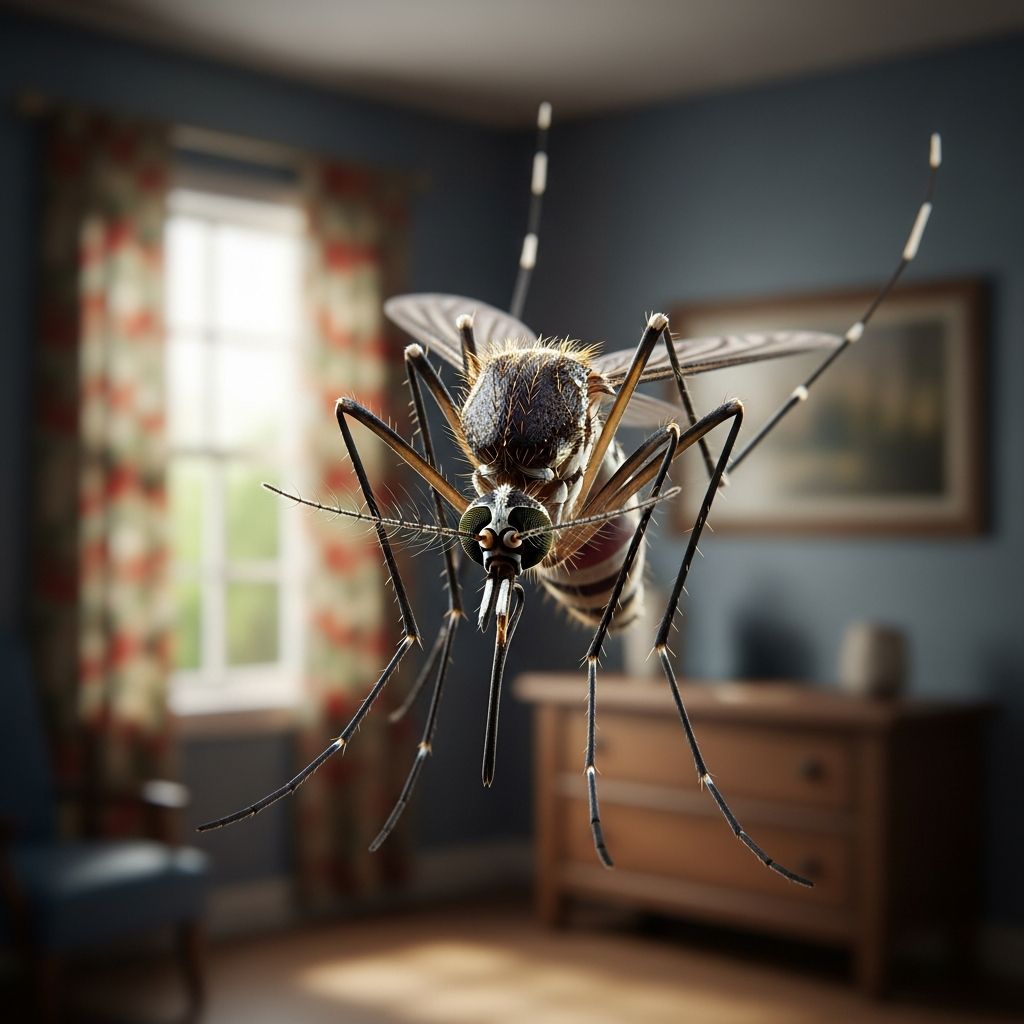
Combating Indoor Mosquito Infestations: A Comprehensive Approach
Mosquitoes are more than just an annoyance—they can transmit serious diseases and disrupt your comfort at home. Unlike outdoor mosquito management, controlling these insects within your living spaces requires a multi-faceted strategy that combines prevention, physical barriers, and targeted elimination methods. Understanding the biology and behavior of mosquitoes is essential to developing an effective indoor control plan that protects your family year-round.
Understanding Why Mosquitoes Enter Your Home
Mosquitoes seek refuge indoors for several reasons. They are attracted to warm, humid environments and may enter through tiny openings in doors, windows, and vents. Once inside, they find breeding grounds in areas with standing water and hidden spaces where they can rest during the day. By understanding these entry points and breeding preferences, you can develop a targeted approach to keeping them out and eliminating those that do manage to get inside.
Sealing Your Home Against Mosquito Entry
The first line of defense against indoor mosquitoes is preventing them from entering your home in the first place. This requires a thorough assessment of your home’s exterior and strategic improvements to seal potential access points.
- Window and Door Screens: Install fine mesh screens measuring 1.2 mm or smaller on all windows and doors. These barriers allow ventilation while blocking mosquitoes from entering. Regularly inspect screens for tears, holes, or damaged edges that could provide entry routes for insects.
- Weatherstripping and Caulking: Apply weatherstripping around door frames and use caulk to seal gaps around windows, vents, and utility penetrations. Pay special attention to areas where pipes, wires, and ducts enter your home.
- Door Sweeps: Install door sweeps on exterior doors to eliminate the gap between the door and the floor where mosquitoes can squeeze through.
- Vent Covers: Ensure that all exterior vents, including those for dryers and bathroom exhausts, have functioning covers or screens that prevent insect entry.
Creating Physical Barriers Within Your Home
Even with excellent entry-point sealing, some mosquitoes may still find their way inside. Creating additional physical barriers provides protection during sleep and rest periods when you are most vulnerable to bites.
Mosquito Nets and Bed Coverings: Mosquito nets offer a simple yet highly effective barrier, particularly for sleeping areas. Install nets over beds, cribs, and other sleeping spaces to create a protected zone. Ensure the nets are properly secured and free of holes or gaps. Bedding treated with insecticidal compounds provides an additional layer of protection, particularly in areas with high mosquito populations.
Screened Spaces: If you have outdoor seating areas or patios, consider installing permanent or temporary screened enclosures. These structures allow you to enjoy outdoor spaces during peak mosquito hours without exposure to bites.
Environmental Modifications to Reduce Mosquito Activity
Mosquitoes thrive in specific environmental conditions. By modifying the indoor climate and atmosphere, you can make your home less attractive to these insects and reduce their ability to breed and survive.
Humidity Control
Mosquitoes prefer humid environments. Using dehumidifiers in basements, laundry rooms, bathrooms, and other damp areas creates conditions that are less hospitable to mosquito larvae and adult insects. Maintaining indoor humidity below 50 percent can significantly reduce mosquito populations over time.
Air Circulation
Mosquitoes are weak fliers and struggle in areas with strong air movement. Operating oscillating fans and ceiling fans makes it difficult for mosquitoes to navigate and locate hosts. This simple strategy provides both pest control benefits and personal comfort during warm months.
Lighting Adjustments
While certain lights attract mosquitoes, modifying your lighting strategy can reduce indoor activity. Using yellow or amber-colored bulbs instead of white lights makes spaces less attractive to mosquitoes and other flying insects.
Eliminating Indoor Breeding Grounds
Standing water is the most critical factor in mosquito reproduction. Female mosquitoes lay eggs in even tiny amounts of stagnant water, and larvae can develop in as little as four to seven days. Eliminating water sources breaks the breeding cycle and prevents population growth.
Common Indoor Water Sources
- Plant Saucers: Check underneath potted plants for accumulated water. Empty saucers regularly or use saucers with drainage holes to prevent water accumulation.
- Drain Areas: Clean drains of debris and ensure water flows freely. Stagnant water in sink and shower drains can harbor mosquito larvae.
- Pet Water Bowls: Change pet water daily rather than allowing it to sit. Even a few ounces of standing water can support mosquito development.
- Unused Containers: Dispose of buckets, cans, bottles, vases, and other containers that can collect water. Store items that must be kept in ways that prevent water accumulation.
- Bathroom and Kitchen Areas: Fix leaky faucets and pipes promptly. Wipe down sinks and bathtubs after use to remove standing water.
- Dehumidifier Tanks: Empty dehumidifier collection tanks regularly, as these can become breeding grounds if left untouched.
Effective Mosquito Trapping and Detection
Mosquito traps serve as both control tools and monitoring devices. They help reduce indoor mosquito populations while providing information about infestation severity and mosquito species present in your home.
Types of Mosquito Traps
| Trap Type | Operating Principle | Best Use |
|---|---|---|
| UV Light Traps | Attract mosquitoes using ultraviolet light | General indoor use, continuous operation |
| CO₂ and Heat Traps | Mimic human presence using carbon dioxide and warmth | Highly effective against aggressive species |
| Chemical Lure Traps | Use attractant compounds to draw mosquitoes | Targeted control in specific areas |
Placement Strategy: Position traps between mosquito breeding areas and human activity zones, rather than directly near seating areas. Placing traps too close to where people gather can attract more mosquitoes toward occupied spaces, which is counterproductive.
Utilizing Natural and Chemical Repellents
Repellents create zones of protection by deterring mosquitoes from approaching. Several options range from natural compounds to synthetic formulations, each with distinct advantages and limitations.
Natural Repellent Options
Essential oils derived from plants like lemon eucalyptus, lavender, eucalyptus, peppermint, and neem possess mosquito-repelling properties. These oils can be diffused using commercial diffusers, mixed with water and sprayed around living spaces, or applied to fabrics and clothing. While safer for homes with children and pets, essential oil repellents typically provide short-term protection and require frequent reapplication.
Citronella Candles: Burning citronella candles indoors releases a strong scent that repels mosquitoes. These work best in enclosed spaces like bedrooms or small rooms and provide ambient protection for several hours per application.
Synthetic Repellents and Electric Devices
Electric mosquito repellents emit ultrasonic waves or release chemical compounds designed to deter insects. While popular and readily available, ultrasonic devices often lack independent scientific verification of their effectiveness and should be considered supplementary rather than primary control methods.
EPA-Registered Products: Chemical sprays and foggers designed specifically for indoor use offer more reliable protection. Always select products registered with the Environmental Protection Agency and follow label instructions carefully to ensure safety for all household members.
Protective Clothing and Textile Treatments
For additional personal protection, specialized clothing and textiles provide barriers against mosquito bites.
- Permethrin-Treated Clothing: Garments treated with permethrin insecticide provide extended protection against mosquito bites. These treatments typically remain effective through multiple washings.
- Treated Bed Linens: Insecticide-treated bedding creates a protective zone around sleeping areas. This approach is particularly valuable for households with high mosquito pressure or during peak seasons.
- Long Sleeves and Pants: Wearing lightweight, long-sleeved clothing during hours of peak mosquito activity provides physical protection without chemical treatments.
Maintaining Cleanliness and Reducing Harborage
A clean, well-organized home provides fewer places for mosquitoes to hide and rest during daytime hours. Regular maintenance reduces mosquito populations and makes infestations easier to manage.
- Clutter Reduction: Remove unnecessary items that create dark, humid hiding places. Mosquitoes seek shelter in cluttered corners, under furniture, and in storage areas.
- Trash Management: Dispose of garbage regularly and keep trash cans sealed. Decomposing organic matter attracts mosquitoes and can harbor larvae if moisture is present.
- Fabric Care: Wash bedding, curtains, and upholstered items regularly. Damp or soiled fabrics provide hiding spots and breeding opportunities.
- Ventilation: Ensure adequate air circulation in all rooms. Stagnant air in basements, closets, and enclosed spaces creates favorable mosquito conditions.
Addressing Outdoor Contributing Factors
While this discussion focuses on indoor control, outdoor conditions directly influence indoor mosquito populations. Mosquitoes breed in outdoor water sources and enter your home from surrounding areas. Managing outdoor spaces reduces the source population and decreases indoor infestations.
- Standing Water Removal: Eliminate standing water from flower pots, bird baths, gutters, downspouts, and debris piles. Empty items after rain and keep drainage systems functioning properly.
- Vegetation Management: Trim bushes, shrubs, and grass to reduce daytime resting sites. Mosquitoes seek shelter in dense vegetation and tall grass.
- Larval Control: Treat water sources that cannot be drained or removed with EPA-approved larvicides. These products kill developing mosquitoes without harming beneficial wildlife.
Frequently Asked Questions About Indoor Mosquito Control
Q: What is the most effective way to prevent mosquitoes from entering my home?
A: The most effective approach combines multiple strategies. Install fine mesh screens (1.2 mm or smaller) on all windows and doors, seal gaps with weatherstripping and caulk, and use door sweeps. Regular inspection and maintenance of these barriers ensures they remain effective over time.
Q: How quickly can mosquito larvae develop in indoor water sources?
A: Mosquito larvae can develop in as few as four to seven days, depending on temperature and water conditions. This rapid development means that even small amounts of standing water can quickly produce significant mosquito populations indoors.
Q: Are ultrasonic mosquito repellents effective?
A: Ultrasonic devices lack consistent independent scientific verification of their effectiveness. While popular and affordable, they should be considered supplementary tools rather than primary control methods and work best when combined with physical barriers and other proven strategies.
Q: What are the safest mosquito control options for homes with children and pets?
A: The safest options include physical barriers like window screens and mosquito nets, EPA-registered natural repellents such as PMD (para-menthane-diol), and biological larvicides like Bti (Bacillus thuringiensis israelensis), which specifically target mosquito larvae without harming other organisms.
Q: How should mosquito traps be positioned for maximum effectiveness?
A: Position traps between mosquito breeding areas and human activity zones, not directly near where people spend time. Placing traps too close to seating areas can attract mosquitoes toward occupied spaces, which defeats the control purpose.
Q: Can essential oils effectively control indoor mosquitoes on their own?
A: Essential oils provide some protection but typically offer only short-term relief and require frequent reapplication. They work best as supplementary measures combined with physical barriers, environmental modifications, and other proven control strategies.
Q: How does reducing humidity help control indoor mosquitoes?
A: Mosquitoes thrive in humid environments where larvae can develop successfully. Using dehumidifiers to maintain indoor humidity below 50 percent creates conditions less suitable for mosquito survival and breeding, particularly in vulnerable spaces like basements and bathrooms.
References
- Indoor Mosquito Control: Effective Strategies for a Pest-Free Home — MrMr.biz. 2024. https://www.mrmr.biz/indoor-mosquito-control-effective-strategies-for-a-pest-free-home/
- Effective Mosquito Control Strategies for Inside and Outside Your Home — Drake Pest Control. 2024. https://www.drakepest.com/effective-mosquito-control-strategies-for-inside-and-outside-your-home/
- How to Control Mosquitoes Indoors: Effective Strategies for a Comfortable Home — SWAT Pest Control. 2024. https://www.swatokc.com/post/how-to-control-mosquitoes-indoors-effective-strategies-for-a-comfortable-home
- Resident’s Guide — Tips for a Mosquito-Free Yard — Metropolitan Mosquito Control District. 2024. https://mmcd.org/residents-guide/
- Mosquito Prevention: What the Homeowner Can Do — Mississippi State Department of Health. 2024. https://msdh.ms.gov/page/14,1097,93.html
Similar Articles



Read full bio of Sneha Tete