Managing Unwanted Air Flow in Heating Vents
Master techniques for controlling and blocking excessive airflow from heating vents
Managing Unwanted Air Flow in Heating Vents: A Complete Guide
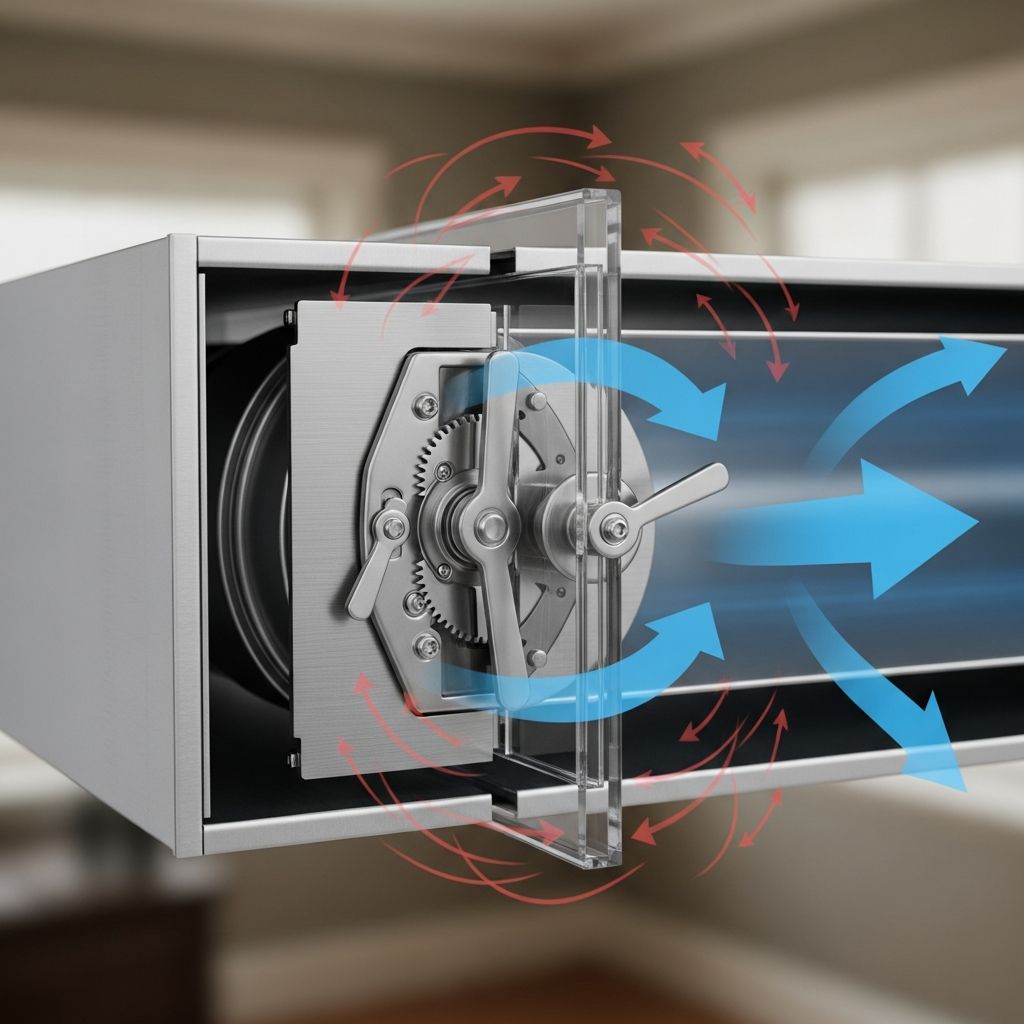
Excessive or misdirected airflow from heating vents can create uncomfortable temperature zones throughout your home while driving up energy costs. Whether warm air is escaping through unwanted pathways or cold drafts are infiltrating through duct connections, understanding how to manage vent airflow is essential for maintaining optimal home comfort and efficiency. This comprehensive guide explores practical solutions for controlling heating vent performance, from simple DIY interventions to advanced sealing techniques.
Understanding the Impact of Vent Air Leakage
Heating systems operate by distributing conditioned air throughout your home via a network of ducts and vents. However, when these components have gaps, cracks, or poorly sealed joints, the system loses efficiency significantly. Energy waste occurs not only when heated air escapes to unconditioned spaces like attics or crawlspaces, but also when the system must work harder to maintain desired temperatures. This increased workload translates directly into higher utility bills and reduced comfort.
Beyond financial impact, uncontrolled airflow patterns create uneven heating distribution. Some rooms may receive excessive warm air while others remain inadequately heated, leading to hot and cold spots throughout your living space. Additionally, air leaks can allow dust, allergens, and outdoor contaminants to enter your ductwork, compromising indoor air quality and potentially aggravating respiratory sensitivities.
Identifying Problem Areas in Your Heating System
Before implementing solutions, accurate identification of problematic airflow locations is crucial. Several straightforward diagnostic methods help pinpoint where unwanted air movement occurs:
- Smoke testing: Hold a smoke pen or incense stick near duct connections, joints, and registers. Smoke movement indicates air leakage pathways.
- Soapy water detection: Spray a mixture of dish soap and water on suspected leak areas. Bubbles form where air escapes through cracks or gaps.
- Visual inspection: Examine ductwork for visible gaps, disconnected sections, or deteriorating seals, particularly where ducts meet walls or penetrate through different spaces.
- Temperature inconsistency: Note which rooms heat unevenly or where you feel drafts, indicating possible leak locations.
- Professional testing: Consider hiring HVAC professionals who use pressurized blower door tests to quantify leakage rates and identify specific problem areas.
Material Selection for Sealing Heating Vents
Multiple materials offer effective solutions for blocking unwanted vent airflow, each with specific advantages depending on your situation. Understanding material properties helps ensure you select the most appropriate option for your particular application.
Caulk and Mastic Sealants
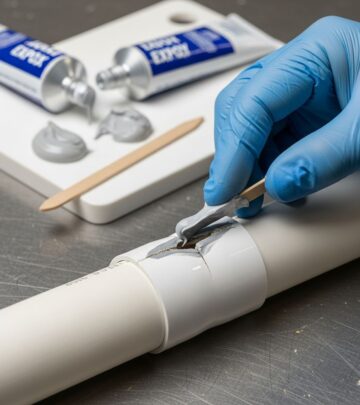
Caulk represents one of the most accessible solutions for homeowners addressing heating vent issues. Quality caulking products create airtight seals around duct joints, seams, and where vents penetrate walls or other building materials. Before applying caulk, proper surface preparation is essential—remove old caulk residue, paint, and debris using a putty knife or scraper, and ensure the surface is completely dry to prevent moisture trapping beneath the sealant.
Mastic sealant offers similar benefits but with a thicker consistency ideal for larger gaps and joints. Applied with a brush, mastic fills irregular spaces more effectively than caulk and provides excellent long-term durability for HVAC applications. The trade-off is that mastic application is messier than caulk, but its superior adhesion to ductwork makes it particularly valuable for permanent sealing solutions.
Tape Solutions for HVAC Systems
Contrary to common misconception, standard duct tape is ineffective for sealing heating vents and will deteriorate due to temperature fluctuations. Instead, specialized HVAC tapes deliver superior performance. Foil tape, also called aluminum tape, is specifically engineered for heating systems, offering heat resistance and strong adhesion to clean, dry surfaces. The wide profile of foil tape allows it to cover substantial gaps while remaining easy to apply without specialized tools.
Metallic or aluminum HVAC tapes are pressure-sensitive products specifically designed for ductwork applications. These tapes maintain their seal across temperature ranges that would cause standard alternatives to fail. For optimal results with tape applications, clean all dust and debris from seams before application and ensure firm, complete contact across the entire taped area.
Spray Foam and Gasket Systems
Closed-cell polyurethane spray foam effectively fills irregular penetrations and hard-to-reach gaps in heating systems. Modern spray foam products feature convenient applicator guns that maintain consistency and prevent premature drying when left connected between uses. Spray foam works particularly well for sealing where ducts pass through walls, floors, or other structural elements, creating comprehensive barriers against air leakage.
For applications where ductwork or vent materials may expand and contract with temperature changes, gasket systems offer flexibility that rigid sealants cannot provide. These durable sealing rings accommodate movement while maintaining airtight seals, making them ideal for high-efficiency heating appliance vents or similar dynamic applications.
Step-by-Step Vent Sealing Process
Successfully blocking unwanted heating vent airflow follows a systematic approach that ensures thorough, lasting results.
Preparation Phase
Begin by thoroughly cleaning all areas requiring sealing. Use a putty knife or scraper to remove old caulk, paint, dust, and other debris that might interfere with adhesion. Pay special attention to seams and joints where different duct sections connect, as these areas accumulate more buildup. After mechanical cleaning, wipe surfaces with a dry cloth to remove remaining dust particles. This preparation step cannot be overstated—poor cleaning undermines even the highest-quality sealant products.
Application Techniques
When using a caulking gun, cut the cartridge tip at a 45-degree angle and insert the tube into the gun. This angle allows the material to flow smoothly while being forced directly into cracks and gaps. Hold the gun consistently at this angle and pull it toward you while squeezing the trigger, moving along the joint in one continuous motion. Avoid stopping and starting repeatedly, as this creates uneven bead application and potential gaps in coverage.
Once you’ve applied 2-3 feet of caulk bead, “tool” the material by damping your finger or using a plastic tool to smooth and press the caulk deeper into the joint. This pushing action forces the sealant fully into cracks and improves adhesion. For mastic applications, use a brush to apply generous, even coats across the entire joint surface, ensuring no gaps remain unfilled.
Reinforcement and Testing
After sealing ductwork in unconditioned spaces like attics or crawlspaces, reinforce sealed sections with insulation to minimize additional energy losses. This combination approach addresses both air leakage and thermal transfer, maximizing efficiency gains. Once sealants cure according to product instructions, retest the system to verify that leaks have been properly addressed.
Advanced Professional Sealing Options
For homeowners seeking comprehensive solutions without extensive ductwork access, professional sealing systems offer remarkable results. The Aeroseal System represents innovative technology that doesn’t require removing drywall or physically accessing every leak point. Technicians inject a liquid rubber sealant at a single access point, and as it distributes throughout the duct system, it automatically fills holes, cracks, and loose connections.
Professional pressurized blower testing provides additional advantages by quantifying leakage rates before and after sealing interventions. Technicians remove register grilles, plug ducts with foam rubber and tape, then pressurize the system with a blower fan connected to a computer that analyzes data regarding air escape. After applying liquid-rubber sealant mist throughout the ductwork interior, they retest to verify improved performance.
Addressing Specific Problem Areas
Different locations require tailored approaches based on accessibility and the nature of the connection.
Duct Seams and Joints
Where individual duct sections connect, joints commonly develop gaps that allow significant airflow loss. Mastic applied with a brush covers these broad areas effectively, or foil tape can reinforce joints that are easily accessible. For maximum durability, combining both methods—applying mastic first, then reinforcing with tape—creates redundant sealing that prevents future problems.
Register and Vent Penetrations
Where vents penetrate walls, floors, or ceilings, transitions require special attention. Seal gaps using fire-resistant materials like sheet metal, sheetrock, and furnace cement caulk, particularly around furnace vents and fireplace chimneys. For high-efficiency appliance vents that may shift with temperature changes, gasket systems provide better flexibility than rigid sealants.
Exterior and Mechanical Penetrations
HVAC vents, electrical penetrations, and water spigots create pathways for unwanted air movement through the building envelope. Various sealing methods work for these applications—tapes, gaskets, fluid-applied sealants, and caulks all have appropriate uses depending on whether the penetrating material might move. Quality tape remains a first choice for static penetrations, while gaskets accommodate movement better than permanently bonded materials.
Tools and Materials Checklist
Successful vent sealing requires having appropriate supplies before beginning work:
- Caulk and/or mastic sealant suitable for HVAC applications
- Caulking gun (if using cartridge caulk)
- Application brush (for mastic)
- Putty knife or scraper for cleaning
- Foil or HVAC metallic tape
- Spray foam (optional, for large gaps)
- Clean cloths for surface preparation
- Safety glasses and gloves
- Drop cloth or protective covering
- Smoke pen or incense for leak detection
- Step ladder for accessing overhead ductwork
Cost and Time Expectations
Basic DIY duct sealing using caulk or mastic typically costs between $3 and $30 in materials and can be completed in 1 to 2 hours, depending on the extent of work required. More comprehensive projects involving multiple ducts, spray foam applications, or extensive tape coverage naturally require additional time and expense. Professional Aeroseal treatments involve higher costs but eliminate the need for homeowner labor and often deliver superior results for complex systems.
Maintenance and Long-Term Considerations
Properly sealed vents require minimal maintenance, but periodic inspection helps identify any degradation. Check sealed areas annually, particularly after temperature extremes that might stress sealants. Caulk and mastic can last 10-20 years with proper application, while foil tape typically maintains effectiveness for similar durations when applied to clean, dry surfaces. If you notice re-emerging air leaks or peeling tape, resealing prevents efficiency losses from resuming.
Frequently Asked Questions
Can I use regular duct tape to seal heating vents?
No. Standard duct tape deteriorates rapidly on HVAC applications due to temperature fluctuations and will peel away. Instead, use foil tape or HVAC-rated metallic tape specifically engineered for heating systems.
How long does caulk sealing last on heating vents?
Quality caulk properly applied to clean, dry surfaces typically remains effective for 10-20 years on ductwork before requiring reapplication. Mastic sealants often last even longer due to superior adhesion properties.
Should I seal all heating vents in my home?
Focus sealing efforts on vents in unconditioned spaces like attics or crawlspaces where leakage directly impacts heating efficiency. Vents in finished, conditioned spaces contribute less to overall energy loss.
Is professional duct sealing worth the investment?
For extensive leakage affecting multiple rooms or difficult-to-access ductwork, professional sealing using systems like Aeroseal often delivers better results than DIY approaches and may qualify for utility rebates.
What’s the difference between caulk and mastic for duct sealing?
Caulk flows more easily and suits small cracks and seams, while mastic’s thicker consistency works better for large gaps and irregular surfaces. Both provide effective air sealing when applied correctly.
References
- DIY Using Caulk to Seal Air Ducts — Heating Bill Assistance. Accessed February 2026. https://www.heatingmyhome.org/diy-projects/diy-using-caulk-to-seal-air-ducts/
- How to Seal Leaky Ductwork | Ask This Old House — This Old House. https://www.youtube.com/watch?v=UeVf0983N8o
- Easy Methods of Sealing Ductwork Without a Professional — Grasshopper. Accessed February 2026. https://gograsshopper.com/blog/easy-methods-of-sealing-ductwork-without-a-professional/
- Straightforward Air Sealing Strategies — Green Building Advisor. Accessed February 2026. https://www.greenbuildingadvisor.com/article/air-sealing-strategies
- A Beginner’s Guide to Duct Sealing — National Air Duct Cleaners Association (NADCA). Accessed February 2026. https://nadca.com/blog/beginners-guide-duct-sealing
- Stop Air Leaks: Seal Your Return Duct in 5 Minutes — YouTube. https://www.youtube.com/watch?v=gNeOLT9Zg08
- Air Sealing Your Home — U.S. Department of Energy. Accessed February 2026. https://www.energy.gov/energysaver/air-sealing-your-home
Similar Articles




Read full bio of medha deb