Marie Kondo’s Best Organizing Tips Beyond Tidying Up
Discover lesser-known Marie Kondo organizing strategies that transform your home organization.
Marie Kondo has become a household name synonymous with organization and decluttering. While millions have watched her transform homes on Netflix’s Tidying Up with Marie Kondo, many of her most valuable organizing insights extend far beyond what appears on screen. These lesser-known tips and strategies provide deeper guidance for achieving lasting organizational success and maintaining a clutter-free lifestyle.
Understanding the Foundation of the KonMari Method
Before diving into advanced organizing tips, it’s essential to understand that Marie Kondo’s philosophy is built on a simple yet powerful principle: the “spark joy” concept. This foundational idea means that every item in your home should bring you happiness or serve a clear purpose. However, what many people don’t realize is that Kondo’s method involves much more than simply asking whether something sparks joy.
Marie Kondo developed her organizing philosophy through years of personal experimentation and professional practice. She began as a young girl, spending countless hours in her room testing different organizational strategies. Through this hands-on experience, she discovered that true organization requires both systematic approaches and an emotional connection to the items we own. This dual approach distinguishes her method from other organizing systems.
The Science Behind Decluttering Order
One of Marie Kondo’s most underutilized insights is the importance of following a specific order when decluttering. Many people attempt to organize by room or location, which Kondo identifies as a critical mistake. Instead, she recommends organizing by category across your entire home. This approach allows you to see every single item of a particular type at once, making decisions about what to keep significantly easier.
Kondo prescribes a precise sequence for tackling different categories:
- Clothes
- Books
- Papers
- Komono (miscellaneous items)
- Sentimental items
This ordering is intentional. Kondo begins with categories that are generally easier to let go of and gradually progresses to items with deeper emotional significance. By the time you reach sentimental items, you’ve developed confidence in your decision-making abilities and established a clear understanding of what truly matters to you.
Mastering the Art of Clothing Organization
While many people know about Marie Kondo’s famous folding technique, few understand the philosophical approach behind her clothing organization system. Kondo doesn’t simply recommend a one-size-fits-all storage solution. Instead, she suggests thoughtfully considering how each garment should be stored based on its material and construction.
For items made from soft, delicate materials or highly tailored pieces, Kondo recommends hanging rather than folding. She describes this as allowing clothes “to be where they would be happier.” This personalized approach to clothing storage reflects her broader philosophy that organizing is not about imposing rules but about creating systems that work with your lifestyle and preferences.
Key clothing organization principles include:
- Fold items that benefit from compact storage
- Hang delicate or tailored pieces that resist folding
- Group clothing by type and size for easy access
- Store frequently worn items at eye level
- Reserve harder-to-reach spaces for seasonal or rarely worn clothing
Strategic Paper Management Beyond the Basics
Marie Kondo’s approach to papers is perhaps one of her most radical suggestions: discard nearly everything. This recommendation often surprises people who assume they need to keep extensive documentation. However, Kondo recognizes that most paperwork creates unnecessary clutter without providing genuine value.
For papers that must be kept, Kondo recommends a two-category system. This division helps you maintain essential documents while minimizing storage space. By being ruthless about paper elimination, you create a more streamlined filing system that focuses only on truly important records.
Her paper management strategy encourages you to:
- Evaluate the true necessity of each document
- Digitize important papers when possible
- Create a simple two-category system for retained documents
- Thank papers before discarding them as part of the mindfulness practice
- Avoid accumulating new papers through digital subscription alternatives
Completing the Discard Phase Before Storage Shopping
One of Kondo’s most practical yet overlooked insights involves the timing of storage purchases. Many people make the mistake of buying organizational containers before completing their decluttering process. This often results in purchasing storage solutions that don’t fit their actual needs or that occupy space unnecessarily.
Kondo strongly recommends finishing all discarding before deciding on permanent homes for items or purchasing any storage bins. This sequencing offers multiple advantages. First, it prevents you from moving items that might eventually be discarded anyway. Second, it allows existing storage spaces freed up during decluttering to accommodate your remaining possessions. Third, it maintains focus on the decluttering process without the distraction of shopping for organizational supplies.
Many of Kondo’s clients discover that they’ve freed up significant storage space simply by removing items that no longer served them. This eliminates the need to purchase additional containers and helps maintain the sustainable organizational system Kondo advocates.
Organizing by Category, Not Location
This principle represents a fundamental shift in how people approach organization. Rather than dedicating a day to tidying your bedroom or another week to your kitchen, Kondo recommends selecting a category like clothing or books and organizing every instance of that item throughout your entire home.
This approach offers several advantages. When you gather all items of one category in a single location, you gain complete visibility of everything you own in that category. This comprehensive view helps you make more informed decisions about what to keep and what to discard. Additionally, organizing by category prevents items from being scattered across multiple locations, which can lead to duplication and inefficient space usage.
The Importance of Designated Spaces
A principle that separates Kondo’s method from basic organization is her emphasis on designated spaces. Every item you keep must have a specific home. This isn’t about simply placing things on shelves; it’s about intentionally assigning each item to a particular location where it will be stored consistently.
When every item has a designated place, several positive outcomes occur. First, tidying becomes easier because you know exactly where everything belongs. Second, you’re less likely to accumulate items in random locations. Third, finding items becomes faster and more intuitive. This principle transforms organization from a temporary solution into a sustainable lifestyle practice.
Size-Based Organization Strategy
Marie Kondo recommends grouping similar items by size, which represents a subtle but important organizational principle. When items of vastly different sizes are grouped together, smaller items can easily become lost or hidden. By organizing items within a category by size, you create a system where everything remains visible and accessible.
This strategy proves particularly effective in spaces like drawers, shelves, and storage boxes. Using drawer dividers or subdivided containers alongside size-based organization creates even more functional and visually pleasing spaces. This approach prevents small items from getting lost while maximizing your available storage space.
Frequency-Based Storage Placement
Another underutilized Kondo principle involves storing items based on how frequently you use them. Items you access daily should be stored in easily reachable locations at eye level or within arm’s reach. Conversely, items you rarely use can be stored in higher shelves, lower cabinets, or harder-to-access spaces.
This strategy optimizes your use of available space and streamlines your daily routines. By keeping frequently used items readily accessible, you reduce the time spent searching for things and make your organizational system work more efficiently. For rarely used seasonal items or special occasion pieces, storing them in less accessible locations frees up prime storage real estate for everyday essentials.
The Power of Visibility in Organization
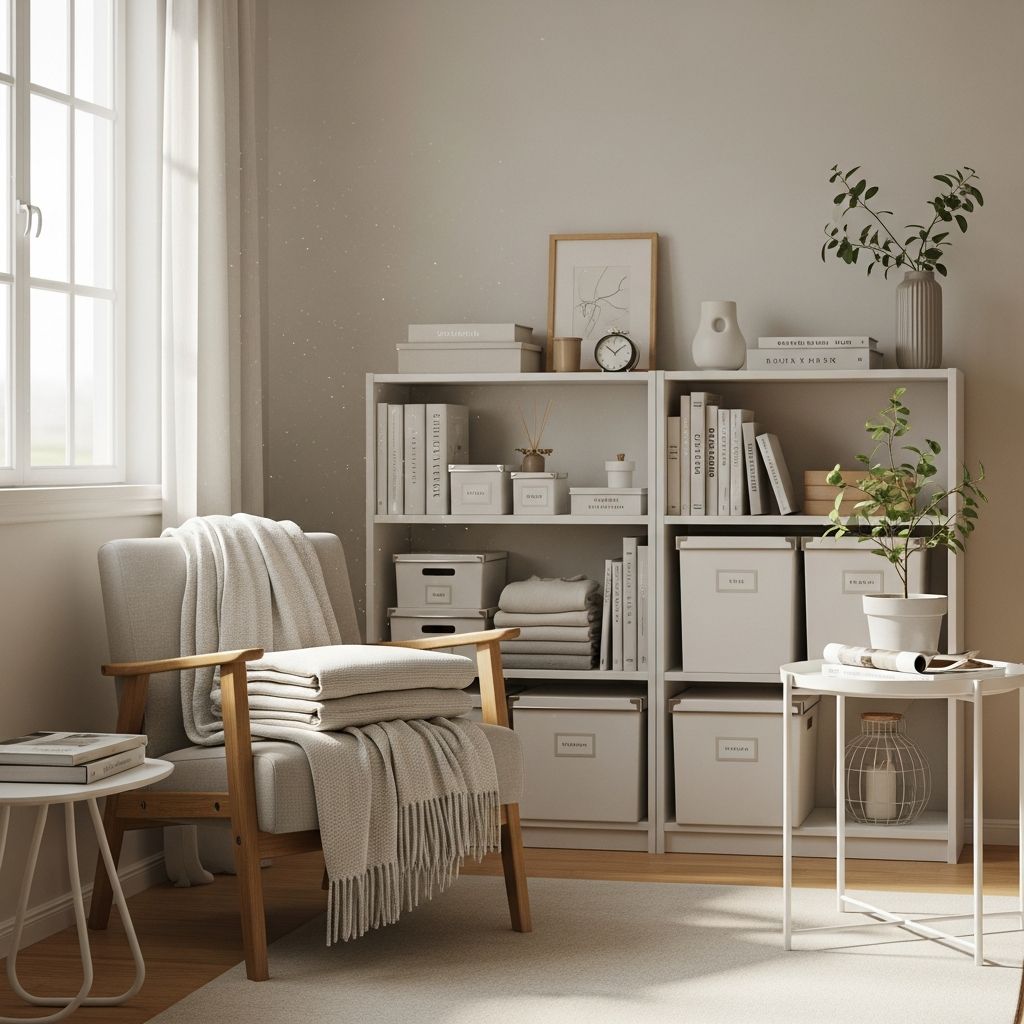
Marie Kondo advocates for using clear containers whenever possible. This simple recommendation dramatically improves your ability to locate items and maintain your organized system. When you can see what’s inside containers at a glance, you’re less likely to forget about items or purchase duplicates.
Transparency in storage also encourages accountability. When items are visible, you’re more aware of what you own and more motivated to maintain order. This visibility makes it easier to identify when you’ve accumulated too many items in a particular category and need to reassess what you’re keeping.
Mindful Item Gratitude Practice
Beyond the practical mechanics of organizing, Kondo introduces a philosophical element that many overlook: thanking items before discarding them. This practice acknowledges the role items have played in your life and transforms the act of letting go from feelings of guilt or waste into a respectful farewell.
This mindfulness practice serves multiple purposes. It encourages thoughtful decision-making about what you keep, helps you release emotional attachments to objects, and instills gratitude for the items that have served you. Over time, this practice can reshape your relationship with possessions and make you more intentional about what you bring into your home in the future.
Sustaining Your Organized Home Long-Term
One of the most important insights from Marie Kondo’s work involves creating sustainable organizational systems. Many people experience rebound clutter weeks or months after organizing. Kondo’s approach addresses this through her emphasis on meaningful decision-making and intentional systems.
To maintain your organized home, consider these ongoing practices:
- Apply the spark joy principle to new items before bringing them home
- Maintain designated spaces for each item category
- Conduct regular category-based reviews rather than room-by-room cleanups
- Be mindful about accumulating new possessions
- Practice gratitude for the items you’ve chosen to keep
Advanced Komono Organization Techniques
The komono category, which includes miscellaneous household items, often presents unique organizational challenges. Because komono encompasses such diverse items, organizing this category effectively requires creativity and flexibility. Rather than forcing all miscellaneous items into a single system, Kondo suggests creating subcategories based on function or frequency of use.
Within the komono category, you might create sections for kitchen supplies, craft materials, cleaning products, and other groupings that make sense for your household. This sub-categorization makes it easier to locate items and maintain order within this sprawling category.
Frequently Asked Questions
Q: What if I’m emotionally attached to items that don’t spark joy?
A: Marie Kondo addresses this by emphasizing that keeping items out of guilt or obligation contradicts her method. Instead, practice gratitude for what the item provided in the past, acknowledge that phase of your life, and release it to make space for your current self and future.
Q: How long does the complete KonMari process typically take?
A: The timeline varies based on your home’s size and the amount of possessions you own. Most people complete the process within several weeks to a few months by dedicating regular time to each category.
Q: Can I organize by room instead of by category?
A: While possible, Kondo advises against this approach. Organizing by category ensures you see all items of that type at once, making decision-making more consistent and effective across your entire home.
Q: Should I organize my family members’ belongings?
A: Kondo recommends that each person organize their own belongings. This ensures that decisions about what to keep align with individual preferences and prevents resentment or conflict in shared households.
Q: How do I handle sentimental items that don’t spark joy but feel important?
A: Not all sentimental items need to spark joy in the traditional sense. Consider whether the item represents an important memory or identity. If it genuinely matters to your story, keep it. If it’s kept purely from obligation, thanking it and releasing it is appropriate.
References
- Marie Kondo and the KonMari Method: The Ultimate Guide — Just a Girl and Her Blog. Accessed December 3, 2025. https://justagirlandherblog.com/marie-kondo-konmari-method/
- Organizing My Craft Supplies with the KonMari Method — HGTV Home. February 21, 2019. https://www.youtube.com/watch?v=E7m04HeHnTQ
- 10 Genius Ideas of Marie Kondo for Ideal Home — OrgaNatic. October 7, 2019. https://www.youtube.com/watch?v=j4D7U3fvlrg
- More Tips From Marie Kondo and Insight From Space to Embrace — Space to Embrace. April 2019. https://spacetoembrace.com/2019/04/more-tips-from-marie-kondo-and-insight-from-space-to-embrace/
Similar Articles







Read full bio of Sneha Tete