Master Bedroom Remodeling: Complete Guide to Design & Renovation
Transform your master bedroom into a luxurious retreat with our comprehensive remodeling guide.
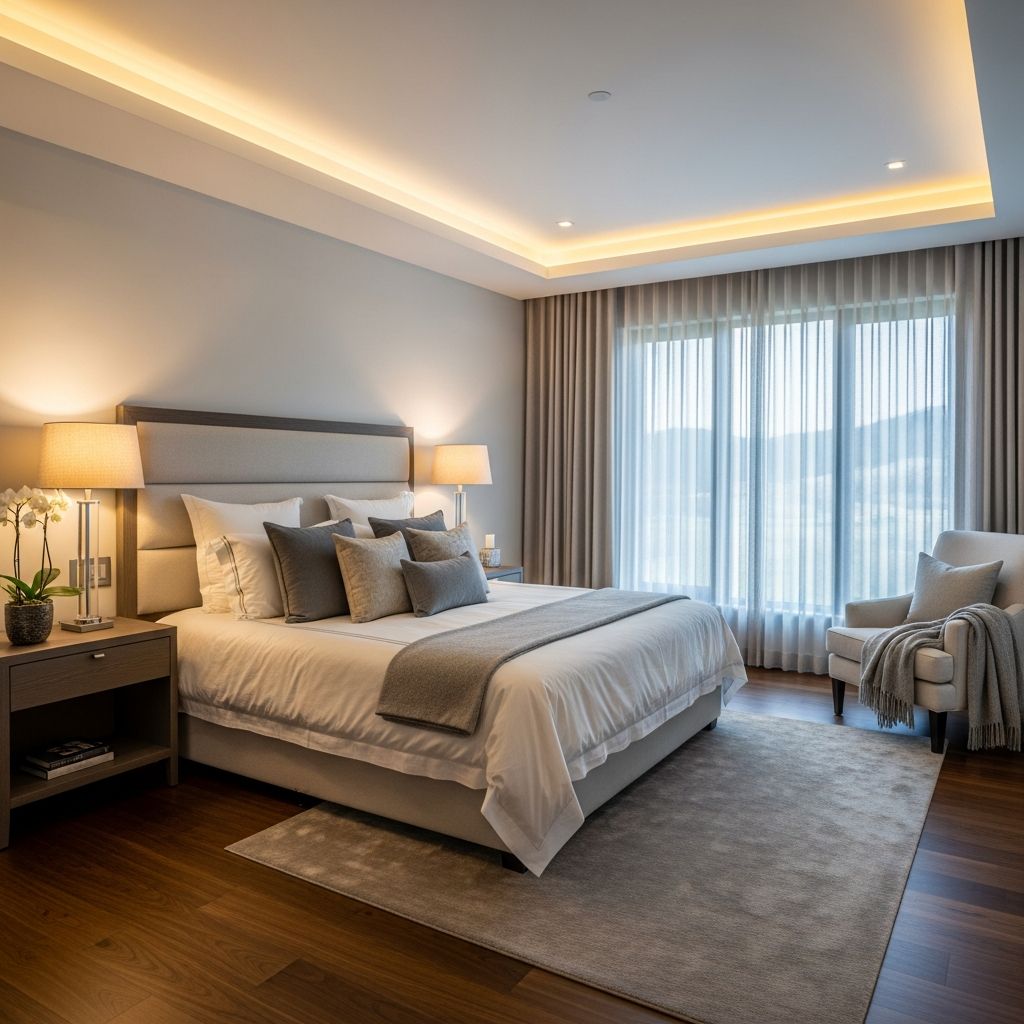
Master Bedroom Remodeling: Your Complete Guide to Creating the Perfect Retreat
Your master bedroom should be a sanctuary—a peaceful retreat where you can unwind after a long day. Whether your current bedroom is outdated, too small, or simply doesn’t meet your needs, a well-planned remodel can transform it into the luxurious space you’ve always wanted. This comprehensive guide will walk you through every aspect of remodeling your master bedroom, from initial planning and budgeting to selecting materials and managing contractors.
Why Remodel Your Master Bedroom?
A master bedroom remodel offers numerous benefits beyond aesthetics. It can increase your home’s resale value, improve functionality and storage, enhance comfort, and create a personalized space that reflects your style. Whether you’re looking to add an ensuite bathroom, expand the room, improve lighting, or simply update outdated décor, a remodel can address these concerns while adding significant value to your property.
Planning Your Master Bedroom Remodel
Assess Your Current Space
Before diving into a remodel, carefully evaluate your existing master bedroom. Take measurements of the room, windows, and doorways. Identify what works well and what doesn’t. Consider traffic flow, natural light, storage needs, and any structural limitations. Document these observations with photos and sketches to help guide your design decisions.
Define Your Goals and Priorities
What do you want to achieve with your remodel? Are you looking to create more storage space, add a walk-in closet, improve the layout, update the style, or add an ensuite bathroom? Prioritize your goals based on what’s most important to you and your family. This will help you allocate your budget more effectively and ensure the remodel addresses your primary concerns.
Gather Inspiration
Look for inspiration in design magazines, websites, social media platforms, and home improvement shows. Create a mood board or collection of images that appeal to you. This visual reference will help you communicate your vision to designers and contractors, ensuring everyone understands your desired aesthetic and style preferences.
Budgeting for Your Master Bedroom Remodel
Establishing a realistic budget is crucial for any remodeling project. Master bedroom remodels typically range from modest updates costing a few thousand dollars to comprehensive renovations exceeding $50,000 or more. Your budget will depend on the scope of work, materials selected, and your location.
Budget Breakdown
Consider allocating your budget across these key categories:
- Flooring: 15-20% of budget (carpet, hardwood, laminate, or tile)
- Wall treatments: 10-15% of budget (paint, wallpaper, shiplap, or paneling)
- Lighting: 5-10% of budget (fixtures, recessed lighting, or statement pieces)
- Windows and doors: 10-15% of budget (new windows, doors, or treatments)
- Furniture and storage: 15-25% of budget (bed frame, nightstands, dresser, closet systems)
- Ensuite bathroom: 20-30% of budget (if adding or renovating)
- Labor and miscellaneous: 10-15% of budget
Always add 10-15% to your total budget as a contingency fund for unexpected expenses that inevitably arise during renovation projects.
Design Considerations for Your Master Bedroom
Choose Your Style
Your master bedroom should reflect your personal taste and complement your home’s overall design. Popular styles include contemporary, traditional, farmhouse, industrial, mid-century modern, and transitional. Once you’ve selected a style, maintain consistency through furniture, colors, textures, and accessories.
Color Palette
The colors you choose significantly impact the room’s mood and atmosphere. Soft, neutral tones like beige, gray, and white create a calming, spacious feel. Warmer tones like taupe and soft gold add coziness. Consider your lighting conditions and how natural light will affect your color choices. Test paint samples on your walls before committing to a color.
Lighting Design
Effective lighting is essential in a master bedroom. Combine ambient lighting (overhead fixtures or recessed lights) with task lighting (bedside lamps or wall sconces) and accent lighting (decorative fixtures). Install dimmer switches to adjust lighting levels for different times of day and moods. Consider energy-efficient LED fixtures that reduce electricity costs.
Flooring Selection
Flooring sets the foundation for your room’s aesthetic. Popular options for master bedrooms include:
- Carpet: Soft, warm, and comfortable, ideal for bedrooms
- Hardwood: Elegant and durable, adds sophistication
- Laminate: Budget-friendly, durable alternative to hardwood
- Luxury vinyl plank (LVP): Waterproof, durable, and versatile
- Tile: Easy to clean, ideal if adding heated floors
Window Treatments
Windows should provide privacy, light control, and insulation. Consider layering treatments—combining curtains with cellular shades or installing motorized blinds. Choose fabrics and styles that complement your décor while providing the functionality you need for privacy and light management.
Storage and Closet Solutions
Master bedrooms often lack adequate storage. Maximize your space with:
- Walk-in closets: Install custom shelving, hanging rods, and drawers for optimal organization
- Built-in wardrobes: Utilize wall space efficiently with floor-to-ceiling storage
- Under-bed storage: Use storage containers or drawers beneath your bed frame
- Floating shelves: Add visual interest while providing functional storage
- Wall-mounted organizers: Keep accessories and clothing visible and accessible
Well-designed storage solutions reduce clutter, improve functionality, and make your bedroom feel larger and more organized.
Adding an Ensuite Bathroom
An ensuite bathroom is a highly desirable addition that increases home value and convenience. When planning an ensuite, consider:
- Proximity to water and electrical lines to minimize costs
- Size—even a small ensuite with toilet, sink, and shower adds value
- Layout for efficient workflow and privacy
- Ventilation to prevent moisture damage
- Flooring and wall materials that withstand humidity
- Lighting and storage for a functional, luxurious space
An ensuite transforms your bedroom into a personal spa-like retreat while significantly enhancing your home’s marketability.
Selecting Materials and Finishes
Wall Finishes
Beyond paint, consider alternative wall finishes:
- Wallpaper: Adds pattern and texture; easier to update than paint
- Shiplap or paneling: Creates visual interest and cottage-style charm
- Textured paint finishes: Adds depth and hides imperfections
- Accent walls: Create focal points without overwhelming the space
Hardware and Fixtures
Small details like cabinet hardware, door handles, and light switch plates contribute to your room’s overall aesthetic. Choose finishes that coordinate with your color palette and style. Common options include brushed nickel, oil-rubbed bronze, polished brass, and matte black.
Quality vs. Cost
Balance quality and cost by investing in visible, high-use items while economizing on less visible elements. Splurge on a quality bed frame, mattress, and lighting fixtures while being more flexible with paint choices or accessory items.
Hiring Contractors and Managing Your Project
Finding and Vetting Contractors
Choose licensed, insured contractors with proven experience in bedroom remodels. Request references, review portfolios, and obtain multiple quotes. Interview potential contractors to assess their communication style, professionalism, and understanding of your vision.
Contracts and Agreements
Always use written contracts detailing scope of work, timeline, payment schedule, and warranty information. Clarify responsibilities, communication protocols, and procedures for handling changes or unexpected issues.
Project Management
Stay organized throughout the project. Schedule regular meetings with your contractor, address issues promptly, and document progress with photos. Maintain open communication to ensure the project stays on track and within budget.
Popular Master Bedroom Trends
Stay current with design trends while creating a timeless space:
- Neutral color palettes: Soft, calming colors remain popular
- Statement lighting: Bold fixtures serve as focal points
- Sustainable materials: Eco-friendly, responsibly sourced materials
- Smart home technology: Automated lighting, temperature control, and security
- Luxurious textures: Velvet, linen, and high-quality fabrics
- Biophilic design: Natural elements like plants and natural light
Common Master Bedroom Remodeling Mistakes to Avoid
Learn from others’ experiences by avoiding these common pitfalls:
- Inadequate lighting: Install multiple light sources at different levels
- Poor ventilation: Ensure proper airflow to prevent moisture and odor issues
- Insufficient storage: Plan for generous storage to keep the room organized
- Ignoring electrical needs: Add outlets and USB ports for device charging
- Choosing style over comfort: Select furnishings and materials that feel good, not just look good
- Neglecting the ensuite: Don’t skimp on bathroom ventilation and quality fixtures
- Overcomplicating the design: A timeless, cohesive design is better than trendy clutter
Timeline for Master Bedroom Remodels
Project duration depends on scope and complexity:
- Simple cosmetic updates: 1-2 weeks (painting, new flooring, décor)
- Moderate renovations: 3-6 weeks (new flooring, lighting, wall treatments, storage solutions)
- Comprehensive remodels: 6-12 weeks (structural changes, ensuite addition, major layout modifications)
Always build in extra time for unexpected issues, material delays, or design changes.
Frequently Asked Questions
Q: How much does a master bedroom remodel typically cost?
A: Costs vary widely based on scope, location, and materials. Basic updates may cost $5,000-$15,000, while comprehensive remodels can exceed $50,000. Establish a realistic budget early in your planning process.
Q: Should I hire a designer for my master bedroom remodel?
A: A professional designer can maximize your space, ensure cohesive design, and prevent costly mistakes. However, if you’re confident in your design sense and undertaking a simple project, you may manage on your own.
Q: What’s the best flooring for a master bedroom?
A: This depends on your preferences and lifestyle. Carpet offers warmth and comfort, hardwood provides elegance, and luxury vinyl offers durability and water resistance. Consider your climate, maintenance preferences, and aesthetic goals.
Q: How can I maximize storage in a small master bedroom?
A: Utilize vertical space with tall shelving, install built-in storage, use under-bed storage containers, and choose furniture with integrated storage. Custom closet systems and wall-mounted organizers significantly increase storage capacity.
Q: Is adding an ensuite bathroom worth the investment?
A: Yes, an ensuite bathroom increases home value, improves convenience, and enhances your daily living experience. Even a small ensuite with basic fixtures adds significant appeal and resale value.
Q: How do I choose the right color for my master bedroom?
A: Consider the mood you want to create. Soft neutrals promote relaxation, warm tones add coziness, and cool tones create freshness. Test paint samples in different lighting conditions before making your final decision.
References
- Home Improvement Remodeling Guide — HGTV. 2024. https://www.hgtv.com/how-to/home-improvement/remodeling-your-master-bedroom
- National Association of Home Builders Remodeling Statistics — NAHB. 2024. https://www.nahb.org
- Home Remodeling Budget Guidelines — U.S. Department of Housing and Urban Development. 2024. https://www.hud.gov
Similar Articles







Read full bio of medha deb