Air Hose Fitting Installation: Complete Step-By-Step Guide
Unlock the secrets to secure, leak-free air hose fittings for optimal tool performance and safety in your workshop.
Mastering Air Hose Fitting Installation
Attaching fittings to air hoses is a fundamental skill for anyone working with pneumatic tools, compressors, or workshop setups. Proper installation prevents air leaks, ensures consistent pressure delivery, and extends the lifespan of your equipment. This guide provides a complete roadmap, from selecting the right components to advanced troubleshooting, empowering you to achieve professional results at home or on the job site.
Understanding Air Hose Fittings and Their Role
Air hose fittings serve as the critical junctions between hoses, compressors, and tools. They come in various types, including threaded connectors, quick-release couplers, and barbed inserts, each designed for specific pressure ratings and flow requirements. Choosing mismatched fittings can lead to failures under pressure, compromising safety and efficiency.
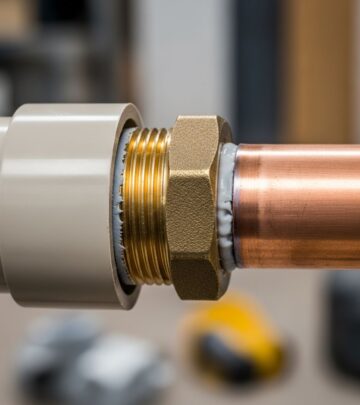
Threaded fittings rely on precise sealing with materials like Teflon tape to prevent leaks, while quick-connect systems prioritize speed and convenience. Industrial standards, such as NPT (National Pipe Thread) for the U.S., ensure compatibility across brands. Flow sizes—typically 1/4-inch, 3/8-inch, or 1/2-inch—directly impact air volume delivery to tools like impact wrenches or sanders.
Essential Tools and Materials for Success
Before starting, gather these items to streamline the process:
- Two adjustable wrenches (5/8-inch and 3/4-inch recommended for standard fittings)
- Teflon (PTFE) tape for sealing threads
- Utility knife or fine-tooth saw for clean hose cuts
- Bench vise for secure holding
- Lubricant like light oil or Vaseline for barbed fittings (avoid on push-on types)
- Quick-connect couplers and plugs (male/female sets)
- PEX crimp ring and crimpers for permanent setups (optional)
Quality matters: Opt for brass or steel fittings rated for at least 150-300 PSI to match most home compressors.
Step-by-Step Guide to Permanent Fitting Installation
For applications like tire inflators where detachment isn’t needed, permanent fittings offer unmatched reliability. Follow these steps meticulously.
Prepare the Hose End
Begin by cutting the hose squarely using a sharp utility knife or fine-tooth saw. A clean, perpendicular cut ensures maximum contact with the fitting. Inspect for frays or debris, trimming as necessary. Slide a crimp ring (if using) onto the hose, positioning it 1/8-inch from the end.
Apply Sealing Tape
Wrap Teflon tape clockwise around the male threads of the fitting, overlapping three to four times. This creates a gas-tight seal without excess bunching, which could restrict airflow. Press the tape firmly to avoid unraveling during insertion.
Insert and Secure the Fitting
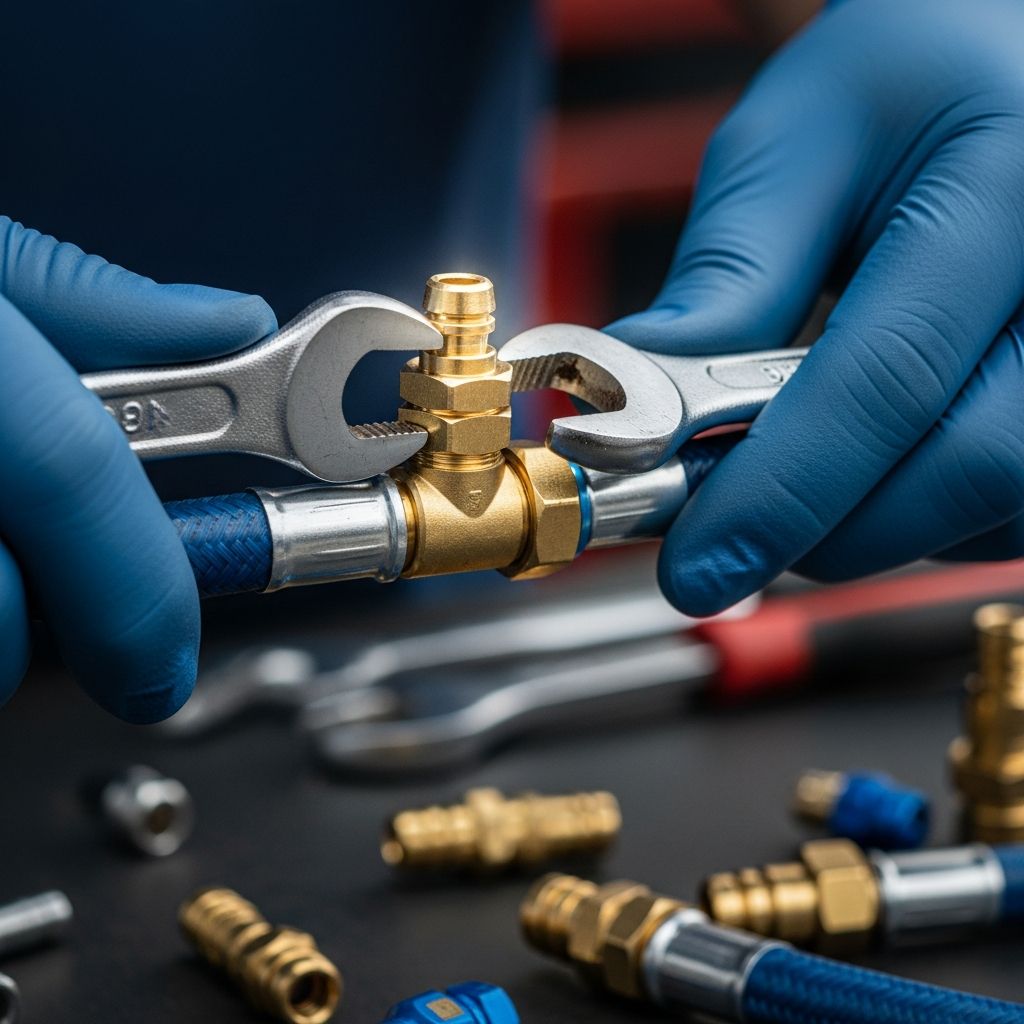
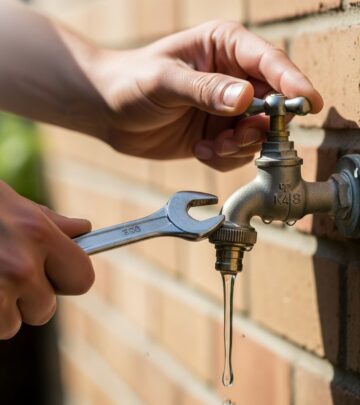
Apply a thin layer of light oil to the barbed section for smooth insertion. Push the fitting into the hose end, twisting gently to seat it fully. For crimp-style fittings, use crimpers to compress the ring, forming a permanent bond. Secure threaded ends with two wrenches: one stabilizes the hose fitting, the other turns the new connector. Tighten firmly but avoid over-torquing, which can damage threads.
Test for Leaks
Connect to your compressor, pressurize to working levels (e.g., 90-120 PSI), and apply soapy water to joints. Bubbles indicate leaks; disassemble and re-tape as needed.
Installing Quick-Connect Couplers for Versatility
Quick-connects revolutionize workflow by allowing tool swaps in seconds. Female couplers feature check valves to retain air pressure upon disconnection.
| Fitting Type | Best Use | Thread Size | PSI Rating |
|---|---|---|---|
| Male Plug | Tool ends | 1/4-inch NPT | 250 PSI |
| Female Coupler | Hose/Compressor | 1/4-inch NPT | 300 PSI |
| Industrial (Milton Style) | Heavy Duty | 3/8-inch | 350 PSI |
- Tape and thread a female coupler onto one hose end, wrench-tightening against the hose swivel.
- Attach a male plug to the opposite end similarly.
- Install a female coupler on the compressor outlet.
- Connect hose male to compressor female; tool plugs snap into hose female.
For extended reach, daisy-chain hoses by alternating male/female ends.
Advanced Techniques for Specialized Hoses
Push-On Fittings for Reinforced Hoses
Push-on fittings suit rubber or hybrid hoses. Heat the hose end in hot (not boiling) water to soften it, then twist onto the barbed fitting until it reaches the collar. No lubricants—residue weakens the grip. Secure in a vise with protective jaws.
Custom Length Extensions
To double hose length, cut squarely, crimp or thread couplers on facing ends. This maintains pressure without permanent joins.
Safety Protocols and Common Pitfalls
Always depressurize systems before working. Wear safety glasses to guard against whip if fittings fail. Over-tightening strips threads; under-tightening leaks air. Mismatched sizes cause flow restrictions—verify NPT standards.
- Avoid: Petroleum-based lubes on rubber hoses (degrades material).
- Check: Compatibility between compressor ports and tool inlets.
- Monitor: Fittings for wear; replace at first sign of corrosion.
Maintenance for Longevity
Regularly inspect for cracks, tape residue, or wear. Clean with compressed air (ironic, but dry). Store hoses coiled loosely to prevent kinks. Annual replacement of couplers prevents downtime.
Frequently Asked Questions (FAQs)
What tape is best for air fittings?
Teflon tape (white or yellow for gas) applied clockwise, 3-4 wraps.
Can I use PVC pipe fittings?
No—lacks pressure rating and sealing for air. Stick to brass/steel.
How do I fix a leaking quick-connect?
Re-tape threads, ensure full seating, or replace O-rings if present.
What’s the max hose length for 90 PSI tools?
50 feet max for 1/4-inch ID; use 3/8-inch for longer runs to minimize drop.
Are push-on fittings reusable?
Generally no; heat-softened hoses deform, risking blowouts.
Pro Tips from Workshop Veterans
Label hoses by length/PSI for quick grabs. Invest in color-coded couplers for tool organization. For mobile setups, recoil hoses with swivel fittings reduce tangles. Test assemblies at 1.5x operating pressure before use.
Mastering these techniques transforms your pneumatic setup from frustrating to fluid. With practice, you’ll breeze through installations, minimizing leaks and maximizing power delivery to every tool.
References
- Installing Air Hose Connector Fittings: Quick Guide — Pro Air Tools. 2023. https://proairtools.com/blogs/news/quick-guide-on-how-to-install-air-hose-connectors-fittings
- How to Attach Hose Fittings to an Air Hose — HJSKO Resources. 2024. https://www.hjsko.com/resources/how-to-attach-hose-fittings-to-an-air-hose.html
- A Guide to Air Compressor Fittings — Quincy Compressor. 2023-10-15. https://www.quincycompressor.com/blog/air-compressor-fittings-guide/
- Quick Guide to Air Line Couplers and Plugs — ToolGuyd. 2022-05-12. https://toolguyd.com/quick-guide-to-air-line-couplers-plugs/
- How to Install Push On Hose Fittings — AN Fitting Guide. 2024. https://anfittingguide.com/install-push-on-hose-fittings/
Similar Articles


Read full bio of Sneha Tete