Mastering Air Plant Care
Discover essential techniques to keep your Tillandsia thriving without soil, from watering rhythms to ideal environments.
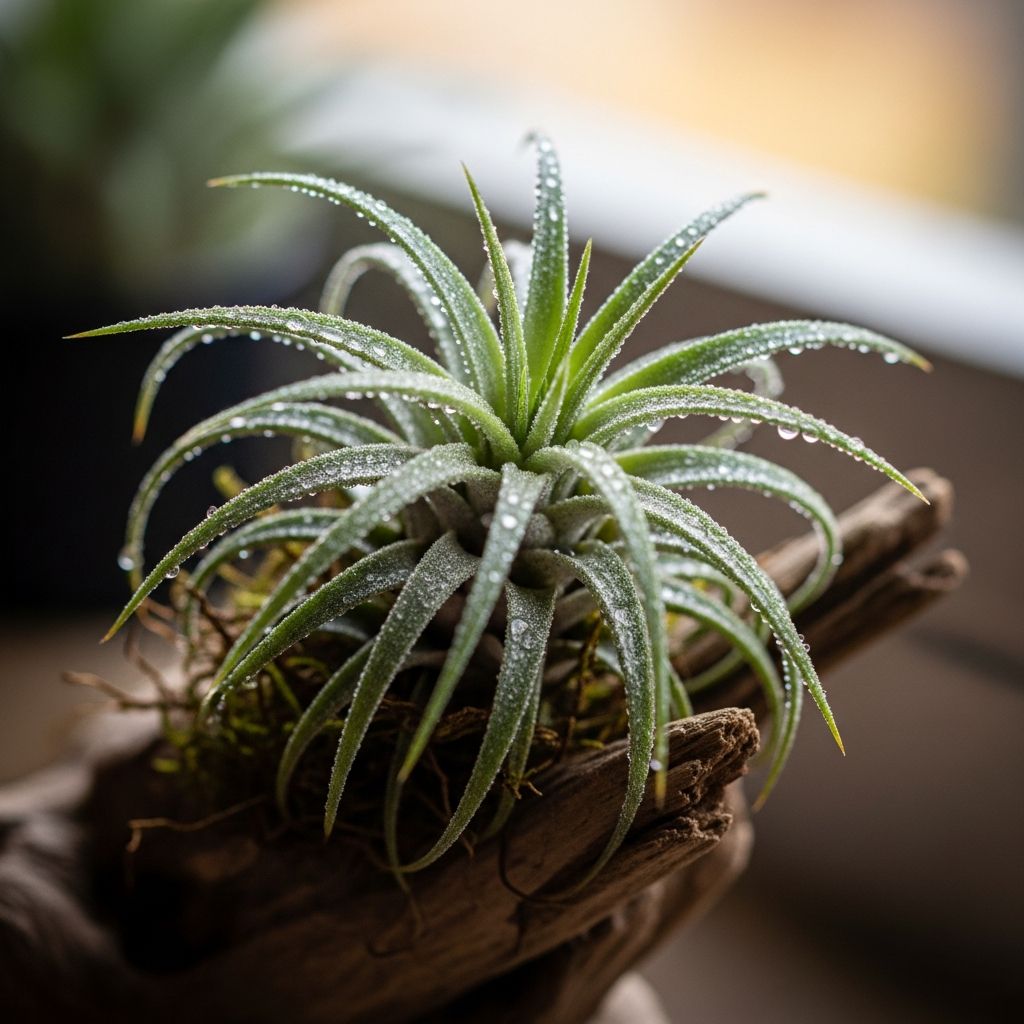
Air plants, scientifically known as Tillandsia, captivate plant lovers with their unique ability to thrive without soil. These epiphytes absorb moisture and nutrients directly from the air through specialized leaf structures called trichomes. Proper care revolves around balancing hydration, light exposure, and air flow to mimic their natural habitats in tropical forests or arid regions. This guide explores everything from basic routines to advanced techniques, ensuring your collection flourishes indoors or in creative displays.
Understanding Air Plant Biology
Tillandsia species vary widely, divided mainly into mesic and xeric types. Mesic varieties, adapted to humid environments, feature smoother leaves and require more frequent watering. Xeric types, with their fuzzy, silver trichomes, endure drier conditions and need less hydration. Recognizing your plant’s type—thicker, silvery leaves indicate xeric, while greener, thinner ones suggest mesic—helps tailor care routines.
Trichomes not only aid absorption but also protect against excessive sun by reflecting light. In cultivation, these plants demand no soil, relying instead on environmental factors for survival. Their roots serve primarily for anchoring, not nutrient uptake, making them perfect for terrariums, wall hangings, or floating orbs.
Optimal Watering Techniques
Water is the cornerstone of air plant health. Unlike traditional plants, they cannot store water long-term like succulents, so consistent moisture prevents dehydration. The gold standard is a weekly soak: submerge plants in room-temperature rainwater, filtered tap water left overnight to off-gas chlorine, or aquarium water for 20-60 minutes.
After soaking, gently shake off excess and position upside down on a towel or rack for drying. Ideal drying time is 1-4 hours under bright light and gentle airflow; fans on low speed accelerate this without harm. In dry indoor air, extend soaks to 1-2 hours every 2-3 weeks, supplementing with misting 2-3 times weekly.
- Soaking method: Best for thorough hydration; ideal for clusters or larger specimens.
- Misting: Quick boost between soaks; less effective alone as it may not reach inner leaves.
- Rinsing: Run under lukewarm shower for 1-2 minutes; convenient for multiple plants.
Frequency adjusts to climate: hot, arid homes need twice-weekly attention, while humid spaces suffice with once-weekly soaks. Observe leaves—plump and stiff post-watering signal health; curled, wrinkled, or rolled indicate thirst. Avoid softened water due to salt buildup, which clogs trichomes.
Light and Temperature Essentials
Bright, indirect light fuels photosynthesis without scorching. Aim for 4-6 hours daily near east- or west-facing windows, or under full-spectrum grow lights mimicking daylight. Direct sun risks brown tips, especially for mesic types; well-hydrated xeric plants tolerate brief morning rays.
Temperatures between 50-90°F suit most; protect from frost and drafts below 50°F. In low-light offices, fluorescent bulbs provide sufficient intensity if consistent. Rotate plants weekly for even exposure, promoting balanced growth.
| Light Type | Duration | Suitability |
|---|---|---|
| Bright Indirect (Window) | 4-6 hours | All varieties |
| Full-Spectrum Artificial | 10-12 hours | Low-natural light areas |
| Direct Sun (Morning only) | 1-2 hours | Xeric types, hydrated |
Fostering Proper Air Circulation and Humidity
Post-watering drying prevents rot, the top killer of air plants. Ensure 1-3 hours to fully dry; enclosed glass globes demand extra caution—opt for larger openings or wire frames. Fans, open shelves, or breezy spots maintain circulation, cooling plants in heat.
Humidity above 50% benefits mesic plants; use pebble trays or humidifiers in dry winters. Avoid constant dampness—overly moist conditions foster fungal issues. Outdoors in mild climates, they enjoy natural breezes but shelter from rain pooling.
Creative Display and Mounting Ideas
Air plants shine in versatile setups. Wire, driftwood, or cork mounts hold them securely; hot glue or floral wire secures without harm. Terrariums work if open-topped for airflow; layer moss sparingly for aesthetics, not soil.
Hang in macrame, embed in geometric frames, or cluster on branches for living art. For globes, select breathable designs and dry thoroughly before enclosing. Seasonal rotations—bathroom for humidity boosts, living room for light—keep them vibrant.
- Vertical gardens: Layer on frames for space-saving greenery.
- Tabletop clusters: Mix sizes on stones or shells.
- Suspended orbs: Large-mesh for circulation.
Feeding and Fertilization
Though optional, dilute bromeliad fertilizer (17-8-22 ratio) every 2-4 weeks during soaks enhances blooming and pup production. Use 1/4 strength to avoid burn; rinse post-feeding. Natural alternatives like rainwater suffice in humid areas.
Encouraging Blooms and Propagation
Blooms signal maturity, producing vivid spikes or tubular flowers lasting days to weeks. Trigger with optimal care: bright light, steady water, 60-90°F, and occasional fertilizer. Post-bloom, the mother plant offsets pups—twisted bases for easy separation once 1/3 size.
Replant pups immediately, maintaining parent clump for extended life. One bloom per lifetime, but pups repeat the cycle.
Troubleshooting Common Problems
Issues stem from imbalances:
- Brown tips: Tap water salts or direct sun; switch to rainwater, trim affected areas.
- Wilting/drooping: Underwatering or poor circulation; soak deeply, improve airflow.
- Rot (base blackening): Incomplete drying; excise rot, dry thoroughly.
- No growth: Insufficient light/water; assess environment.
- Pests (mealybugs): Alcohol wipe or neem rinse.
Quarantine affected plants; most recover with adjusted care.
Seasonal Care Adjustments
Summer demands more water in heat; winter reduces to biweekly soaks in dormant phases. Monitor for color shifts—pale means hydrate, silvering indicates dryness. Travel tip: Misting pre-departure sustains 1-2 weeks.
Frequently Asked Questions
Can air plants live forever?
Individuals bloom once, then pup; colonies persist indefinitely with care.
Are air plants pet-safe?
Non-toxic to cats/dogs; fibrous leaves may irritate if chewed.
How do I know if my air plant is healthy?
Firm, vibrant leaves, no wrinkles or spots.
Can I grow air plants outdoors?
Yes, in USDA 10+ zones with protection from frost/extremes.
What’s the best water type?
Rainwater ideal; filtered tap acceptable.
Building Your Air Plant Collection
Start small, diversify species for year-round interest. Source from reputable nurseries; acclimate new arrivals with a 30-minute soak. Track care in a journal to refine routines. With dedication, these low-maintenance wonders transform spaces into lush, living galleries.
References
- How to Care for Tillandsia Air Plants — Air Plant City. Accessed 2026. https://www.airplantcity.com/pages/air-plant-care
- BASICS: Air Plant Care 101 — House Plant Journal. Accessed 2026. https://www.houseplantjournal.com/basics-air-plant-care-101/
- Air Plant Care: A Guide to Thriving Soil-free Wonders — Lively Root. Accessed 2026. https://www.livelyroot.com/blogs/plant-care/air-plant-care
- How to Grow and Care for Air Plants — Lowe’s. Accessed 2026. https://www.lowes.com/n/how-to/how-to-grow-air-plants
- Air Plant Care — Air Plant Supply Co. Accessed 2026. https://airplantsupplyco.com/pages/air-plant-care
- Air Plant Care — Oklahoma Gardening (YouTube). 2013-04-13. https://www.youtube.com/watch?v=SWyiF0mJi9A
- Air Plants (Tillandsia) — Cornell Cooperative Extension. Accessed 2026. https://warren.cce.cornell.edu/gardening-landscape/warren-county-master-gardener-articles/air-plants-tillandsia
Similar Articles







Read full bio of medha deb