Air Plant Care: Complete Guide For Thriving Tillandsia
Unlock the secrets to thriving air plants with expert tips on watering, lighting, and more for lush, soil-free growth in your home.
Mastering Air Plant Care
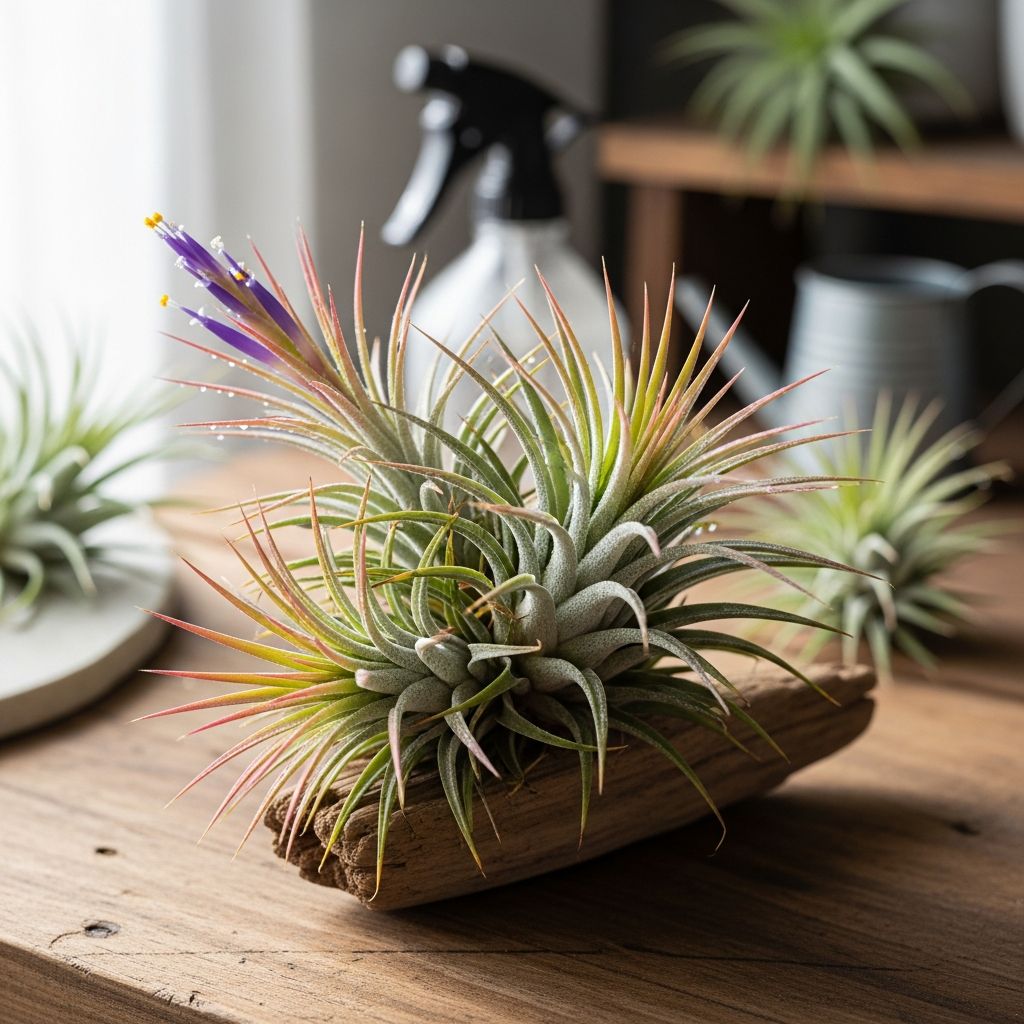
Air plants, scientifically known as Tillandsia, captivate plant lovers with their unique ability to thrive without soil. These epiphytes absorb moisture and nutrients directly from the air through specialized leaf structures called trichomes, making them versatile for creative displays in homes and offices. Proper care revolves around mimicking their natural habitats—tropical environments with ample light, humidity, and airflow. This guide provides step-by-step instructions to ensure your air plants not only survive but flourish, producing striking flowers and offsets over time.
Understanding Air Plant Biology
Tillandsia species evolved in diverse ecosystems, from arid deserts to misty rainforests, leading to two main types: xeric and mesic. Xeric varieties, adapted to dry conditions, feature dense trichomes giving them a fuzzy, silvery appearance. These require less frequent watering. Mesic types, from humid areas, have smoother, greener leaves and demand more hydration. Recognizing your plant’s type—often indicated by leaf texture and color—helps tailor care routines effectively.
Trichomes are fuzzy scales on leaves that capture water and nutrients, preventing rapid evaporation. Healthy plants show plump, stiff leaves post-watering, turning softer and lighter when thirsty. Curled or wrinkled leaves signal dehydration, while brown tips indicate underwatering or excessive sun.
Optimal Watering Techniques
Watering stands as the most critical aspect of air plant maintenance, as these plants lack roots for soil uptake. Aim to thoroughly wet the plants 2-3 times weekly, adjusting for climate: more in hot, dry indoors; less in cool, humid settings.
Soaking Method: Submerge plants in room-temperature rainwater, filtered, or dechlorinated tap water (let sit overnight) for 20-60 minutes. For new arrivals, extend to 2-3 hours to rehydrate after shipping stress. Gently shake excess water, then position upside down on a towel to drain. Ideal drying time: 1-4 hours with good airflow.
Misting Method: Spray leaves generously every other day, especially for xeric types or arid homes. Use a fine mist to coat trichomes without drenching. Combine with weekly soaks for mesic plants. Avoid evening watering; morning sessions allow daytime drying and nighttime CO2 absorption for photosynthesis.
| Method | Frequency | Best For | Tips |
|---|---|---|---|
| Soaking | 1-2x/week | All types, esp. mesic | 30-60 min; dry fully |
| Misting | Every 2 days | Xeric, supplements | Morning only; generous coat |
| Rinsing | 2x/week | Indoor plants | Tepid water; shake dry |
Overwatering risks rot, especially if water pools in leaf bases. Always ensure complete drying to prevent fungal issues. In shells or globes, select larger sizes for better circulation and empty standing water promptly.
Light and Placement Essentials
Bright, indirect light fuels photosynthesis without scorching leaves. East- or west-facing windows provide ideal conditions year-round; south-facing works in winter but filter in summer. Fluorescent or full-spectrum grow lights (10-12 hours daily) suit low-light interiors.
Avoid direct midday sun, which causes browning. Outdoors, place in shaded spots like tree canopies or under eaves. Indoor humidity boosts from bathrooms or kitchens enhance growth, as air plants prefer 50-70% relative humidity.
- Prime Spots: Near windowsills (filtered), shelves with grow lights, hanging in open terrariums.
- Avoid: Dark corners, enclosed glass, direct AC vents.
Maintaining Ideal Temperature and Humidity
Air plants thrive between 50°F-90°F (10°C-32°C), tolerating brief dips but not frost. Standard home temperatures suffice; supplement dry air with pebble trays or humidifiers. High humidity (60%+) mimics native habitats—mist frequently in winter when heaters dry air.
The Role of Air Circulation
Post-watering airflow is non-negotiable, drying plants in 1-3 hours to avert rot. Fans on low or breezy locations cool overheated plants and activate trichomes for nutrient uptake. In terrariums, opt for open designs; smaller enclosed globes demand meticulous drying.
Fertilizing for Blooms and Pups
Though not essential, monthly fertilizer boosts vigor. Dilute bromeliad or orchid food to 1/4 strength; mist during spring-summer growth (every 2 months otherwise). This encourages vibrant blooms—pinkish spikes yielding purple flowers—and pup production for propagation. Healthy mothers produce offsets at bases post-bloom; separate once 1/3 size for new plants.
Creative Display and Mounting Ideas
Air plants’ soil-free nature invites innovation. Wire, moss, or non-toxic glue secures them to driftwood, rocks, or frames. In vessels, ensure ventilation—larger openings prevent moisture traps. Popular setups: wall hangings, geometric holders, or macrame suspensions for living art.
- Driftwood branches for natural clusters.
- Porcelain shells (empty water post-soak).
- Open glass orbs with fans nearby.
Troubleshooting Common Problems
Observant care resolves most issues:
- Brown Tips: Underwatering or harsh light—increase hydration, diffuse sun.
- Curled Leaves: Dehydration—soak immediately.
- Rot/Base Decay: Overwatering/poor drying—trim affected areas, improve airflow.
- No Blooms: Insufficient light/fertilizer—optimize conditions.
- Drooping: Low humidity/circulation—mist and ventilate.
For pests like mealybugs, rinse with diluted insecticidal soap; quarantine affected plants.
Seasonal Care Adjustments
Summer demands more water due to heat; winter reduces to biweekly soaks in cooler homes. Monitor leaf plumpness as your cue—stiff and vibrant means success.
FAQs
Can air plants live in water? No, they rot in standing water; soak briefly then dry fully.
How do I know if my air plant is healthy? Plump, green-silver leaves, no excessive curling or browning.
Do air plants need fertilizer? Optional but recommended monthly at half-strength for blooms.
What’s the lifespan of an air plant? 2-5 years with pups extending lineage.
Are air plants pet-safe? Generally non-toxic, but supervise nibbling.
Propagation and Longevity
Pups form post-bloom; twist off mature ones to propagate. With consistent care, collections grow effortlessly, turning homes into verdant displays.
References
- How to Care for Tillandsia Air Plants — Air Plant City. Accessed 2026. https://www.airplantcity.com/pages/air-plant-care
- How do you grow air plants? — University of New Hampshire Extension. 2020-11. https://extension.unh.edu/blog/2020/11/how-do-you-grow-air-plants
- Air Plant Care Guide: Tips for Growing Healthy Tillandsia — Succulents Box. Accessed 2026. https://succulentsbox.com/blogs/blog/air-plant-care-guide
- Air Plant Care: A Guide to Thriving Soil-free Wonders — Lively Root. Accessed 2026. https://www.livelyroot.com/blogs/plant-care/air-plant-care
- Caring for Your New Air Plants — Air Plant Supply Co. Accessed 2026. https://airplantsupplyco.com/pages/air-plant-care
Similar Articles




Read full bio of Sneha Tete