Mastering Black Lacquer Finishes
Unlock the secrets to a flawless black lacquer finish on wood with expert techniques for spraying, sanding, and polishing that deliver professional results at home.
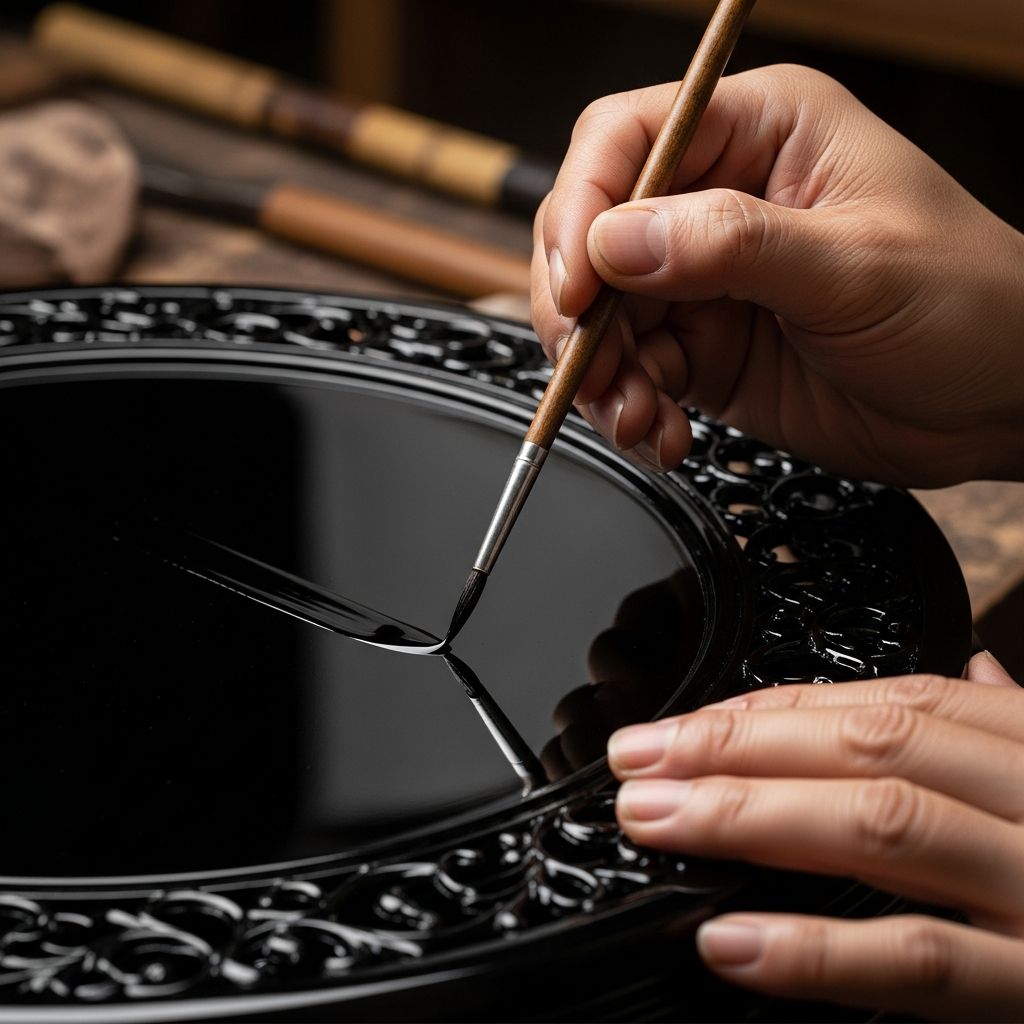
Black lacquer finishes offer a striking, high-gloss appearance that elevates wood furniture and cabinetry to professional levels. This durable coating provides depth and protection while hiding imperfections effectively, making it ideal for modern and traditional designs alike. Achieving success requires precise preparation, controlled application, and methodical refinement.
Why Choose Black Lacquer for Your Projects
Lacquer dries quickly, allowing multiple coats in a single session, and its compatibility with itself enables easy buildup without compatibility issues common in other finishes. The black pigment masks grain variations and minor flaws, perfect for plywood or MDF. Unlike oil-based products, lacquer forms a hard film that resists moisture and wear.
- Fast drying time: 5-30 minutes between coats.
- High gloss potential after rubbing out.
- Excellent leveling properties when applied correctly.
- Suitable for horizontal and vertical surfaces with proper technique.
Essential Materials and Tools
Gather high-quality supplies to ensure smooth results. Aerosol cans work for small projects, while HVLP sprayers offer control for larger ones.
| Category | Items | Purpose |
|---|---|---|
| Surface Prep | 220-320 grit sandpaper, tack cloth, denatured alcohol | Clean and smooth wood |
| Application | Black lacquer spray (aerosol or HVLP), respirator mask | Even coating deposition |
| Sanding | 320-400 grit wet/dry paper, sanding block | Level and refine layers |
| Polishing | 0000 steel wool, automotive compound, craft paper | Achieve mirror shine |
Surface Preparation: The Foundation of Success
Begin with flawless wood. Sand to 220 or 320 grit, moving with the grain to remove scratches. Vacuum dust thoroughly, then wipe with tack cloth or alcohol-dampened rag. For MDF or plywood, seal edges first to prevent grain raise.
- Sand progressively: 150 grit coarse removal, 220 medium, 320 fine.
- Inspect under light for overlooked marks.
- Allow 24 hours dust-free drying if staining underneath.
Proper prep prevents defects like fisheyes or orange peel, ensuring the lacquer adheres uniformly.
Spraying Techniques for Even Coverage
Practice on scrap wood. Maintain 6-8 inches distance, moving arm parallel to surface without wrist twist. Overlap passes 50% for full coverage.
- Horizontal: Spray across grain first, then with grain.
- Vertical: Top to bottom to avoid overspray on wet coats.
- Aerosol: Aggressive thick coats, 3-4 inches away.
- HVLP: Thin complete coats, avoid runs by working quickly.
Start closest edge moving away; this prevents propellant from landing on fresh lacquer, which dulls the finish.
Building the Finish: Layering Strategy
Apply 3-4 coats per session. Wait 20-60 minutes between, testing tackiness. Lacquer’s fast dry allows rapid buildup.
| Day | Actions | Dry Time |
|---|---|---|
| 1 | 3 thin coats, 1 hour apart | Overnight (8-12 hrs) |
| 2 | Level sand 320 grit, 3 more coats | Overnight |
| 3 | Final level sand, 1-2 top coats | 3-4 days cure |
Heavy first coats fill pores; subsequent ones level the surface. No sanding sealer needed for black lacquer.
Sanding Between Coats and Leveling
After 3 coats dry 20-30 minutes, lightly sand with 320-400 grit. Sand with grain on wood-facing layers, any direction on pure lacquer. Goal: remove nibs, bumps without cutting through.
- Use rubber block for flatness.
- Wet sand option: naphtha or soapy water.
- Avoid coarse grits (<320) to prevent telegraphing scratches.
Longer dry times (1-2 hours) ease sanding. Level heavily on day 2-3 until uniform dull surface.
Rubbing Out for Mirror-Like Gloss
After 3-4 days cure, rub out progressively. Start 400 grit wet/dry, progress to 600, 4-0 steel wool, then compounds.
- 400 grit: Uniform scratches, dry or wet.
- Steel wool: Haze removal.
- Automotive polish: Initial shine.
- Clay bar (e.g., Scratch X): Final clarity.
Power buffer speeds large areas. Brown paper bag buffs lightly post-final coat. Result: glass-like, durable surface.
Troubleshooting Common Issues
Problems arise from poor technique but are fixable.
| Issue | Cause | Solution |
|---|---|---|
| Orange peel | Too far, dry spray | Closer distance, wetter coats |
| Runs/drips | Heavy application | Thinner coats, better motion |
| Dull spots | Overspray | Top-down spraying |
| Fisheyes | Contaminants | Re-prep surface |
For black lacquer on plywood, base with gloss paint if needed, sand flat before clear topcoats.
Safety and Workspace Setup
Lacquer fumes are toxic; use respirator (organic vapor cartridge), gloves, eye protection. Ventilate with fans exhausting outdoors. No open flames—highly flammable.
- Work in 60-75°F, low humidity.
- Cover floors, wear old clothes.
- Store cans cool, upright.
Advanced Tips for Professional Results
Brushing lacquer requires practiced technique with china bristle brushes for thick builds. For inlays, blacken base first, embed, then clear lacquer. Oil pre-treatment penetrates but test compatibility. Grain fillers under black enhance depth.
Application on Special Materials
MDF/plywood: Sand edges extra, treat as wood. Multiple thin coats build impermeable film. Curves: Rotate piece or adjust spray angle.
Maintenance and Longevity
Cured finish resists daily use. Clean with damp cloth, avoid abrasives. Re-polish yearly for shine. Full cure in 30 days maximizes hardness.
Frequently Asked Questions
Can I brush black lacquer instead of spray?
Yes, with high-quality brushes and technique, but spraying yields smoother results faster.
How long between sanding and final coat?
Wait until non-tacky, ideally 1 hour; overnight best.
Is primer necessary for black lacquer?
No, direct application on sanded wood suffices.
What if I get bubbles or blush?
Improve ventilation, thin if HVLP; sand out and recoat.
Can I apply over existing finishes?
Test compatibility; fresh wood preferred.
References
- They Say Not to Do This… But It Works. (Finishing technique.) — YouTube. Accessed 2026. https://www.youtube.com/watch?v=SIzDi6pSD4U
- Working with Black Lacquer — FineWoodworking Forum. Accessed 2026. https://www.finewoodworking.com/forum/working-with-black-lacquer
- How To: Get The Perfect Finish With Lacquer — YouTube. Accessed 2026. https://www.youtube.com/watch?v=DiqzvxnfeS4
- How to Achieve the Perfect Lacquered Finish — YouTube. Accessed 2026. https://www.youtube.com/watch?v=k_RnHtzRSsk
- So, what’s the trick for black lacquer? — Sawmill Creek Forums. Accessed 2026. https://sawmillcreek.org/threads/so-whats-the-trick-for-black-lacquer.47097/
Similar Articles




Read full bio of medha deb