Mastering Cedar Siding Painting
Discover expert techniques to paint cedar siding for lasting beauty and protection against weather and wear.
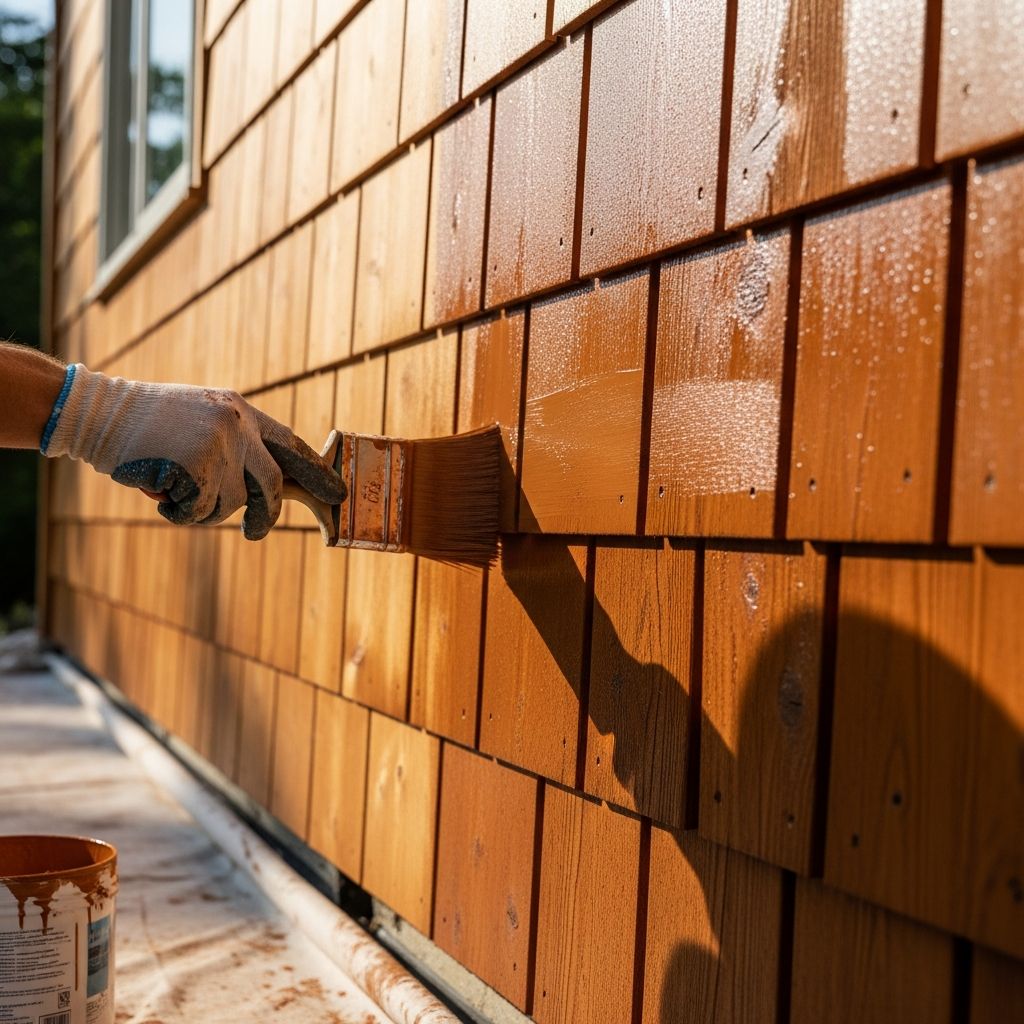
Cedar siding brings natural charm and durability to home exteriors, but painting it correctly ensures it withstands harsh weather while maintaining its appeal. This guide provides a complete roadmap from surface preparation to final coats, emphasizing techniques that prevent common issues like tannin bleed and peeling.
Why Paint Cedar Siding?
Painting cedar siding enhances protection against UV rays, moisture, and insects compared to leaving it bare. Acrylic latex paints preserve the wood’s breathability while adding color options. However, improper application leads to failures, so understanding cedar’s properties—high porosity and tannin content—is essential.
Cedar naturally resists decay, but paint seals it further, potentially extending lifespan by decades if done right. Homeowners choose painting for customization, as stains limit color variety.
Assessing Your Cedar Siding Condition
Before starting, inspect siding for damage. New siding needs minimal prep, but aged boards may show mildew, dirt, or peeling paint. Check for deep oil stains or rot, which require board replacement.
- Examine for loose paint or cracks.
- Identify tannin stains, dark streaks from wood extracts.
- Test moisture levels; dry wood accepts coatings best.
Use a moisture meter for accuracy; levels above 15% delay painting.
Essential Tools and Materials
Gather quality supplies for professional results. Avoid cheap products that fail prematurely.
| Category | Items | Purpose |
|---|---|---|
| Cleaning | Pressure washer, stiff brush, mildew remover, bleach solution | Remove dirt, mildew without damaging wood |
| Prep | Scraper, sander, angle grinder with paint removal pad | Strip old paint, smooth surface |
| Priming/Painting | Oil-based stain-blocking primer, acrylic latex paint, brushes, metal paint pot | Block tannins, apply even coats |
| Safety | Gloves, goggles, respirator, drop cloths | Protect health and surroundings |
Invest in high-quality acrylic exterior paints with flat finishes for previously painted surfaces.
Step-by-Step Surface Preparation
Cleaning the Siding Thoroughly
Dirt and mildew undermine adhesion. Power wash at low pressure (under 1500 PSI) to avoid gouging soft cedar. Apply oxygen-based bleach or commercial removers, scrub with a stiff bristle brush, then rinse.
Allow 48 hours drying time. For oil stains, stronger cleaners may be needed; replace irreparable boards.
Removing Old Paint and Smoothing
Scrape peeling paint using a pull scraper. For stubborn layers, employ an angle grinder with a paint removal pad—efficient and sandpaper-saving. Sand lightly (80-120 grit) for smoothness, feathering edges where paint remains.
Avoid wire brushes, which gouge wood. Spot-sand knots prone to tannin bleed.
Repairing Damaged Areas
Replace warped or rotted boards. Use air nailers for secure installation, avoiding over-nailing issues. Re-caulk eaves and joints post-priming for weatherproofing.
Selecting and Applying the Perfect Primer
Primer is non-negotiable for tannin control. Use high-quality, quick-dry oil-based stain-blockers like alkyd-oil formulas. Tint primer to match topcoat for better coverage.
For uninstalled siding, prime all six sides; on walls, coat exposed faces thoroughly. Apply from top-down with a brush, avoiding overloads—smooth drips immediately. Two coats over bare wood ensure bleed resistance.
Oil primers outperform shellac on knots, though neither is foolproof. Dry time: 1-4 hours per coat.
Choosing the Ideal Topcoat Paint
Opt for 100% acrylic latex exterior paint in flat sheen for breathability and flexibility. Avoid oil-based topcoats, which trap moisture. Higher-end paints offer thicker films for durability.
Rough-cut cedar demands two topcoats. Select colors that complement your home; darker shades hide imperfections better.
Professional Painting Application Techniques
Brush-apply for porosity penetration—sprayers/rollers miss depths. Use synthetic brushes (2-3 inch angled sash).
- Stir paint thoroughly.
- Work top-to-bottom, siding by siding.
- Apply thin, even coats; back-brush for saturation.
- Two coats minimum, 24 hours between.
Factory-primed siding plus field topcoats yield 25-year warranties. Paint in mild weather (50-85°F, low humidity).
Common Pitfalls and How to Avoid Them
- Tannin Bleed: Prime fully, don’t spot-prime.
- Peeling: Ensure dry, clean surfaces; use compatible products.
- Uneven Finish: Brush, don’t roll exclusively.
- Moisture Trap: Acrylic latex only atop oil primer.
Factory pre-finishing outperforms field work for uniformity.
Maintenance for Long-Lasting Results
Inspect annually for cracks or fading. Touch-up promptly. Repaint every 7-10 years, depending on exposure. Clean gently to preserve coatings.
Cedar paint jobs last 15-25 years with proper care, outperforming stains in protection.
Frequently Asked Questions
Can you paint over stained cedar siding?
Yes, after stripping stain and priming. Match paint to wood’s condition.
What’s the best primer for cedar tannins?
Oil-based stain-blocking types, tinted to topcoat.
How long does paint last on cedar siding?
15-25 years with quality products and prep.
Should I paint new cedar siding?
Prime first, then paint or stain based on desired look.
Is spraying cedar siding effective?
Back-brush after for penetration; brushing alone is superior.
References
- How to Paint Cedar Siding the Right Way — Quality Cedar Products. 2023. https://www.qualitycedarproducts.ca/post/painting-cedar-siding
- Paint or Stain Cedar Siding? How to Finish Western Red Cedar — RealCedar.com. 2024. https://realcedar.com/siding/finishing
- Painting Cedar Siding Without Issues — The Raleigh Paint Contractor. 2023. https://theraleighpaintcontractor.com/blog/painting-cedar-siding
- How To Prime Cedar Siding To Control Bleeding Tannins — Fine Homebuilding (YouTube). 2022-10-15. https://www.youtube.com/watch?v=Rd0zr4HrKF0
- Can You Paint Cedar Siding? — Sharper Impressions Painting. 2024. https://www.sharperimpressionspainting.com/posts/can-you-paint-cedar-siding
- Painting Cedar Siding & Wood Siding – Not All Wood is Paint Grade — Buffalo Lumber. 2023. https://www.buffalo-lumber.com/lumber-articles/how-to-select-painted-wood-siding/
Similar Articles




Read full bio of medha deb