Fiddle Leaf Fig Care: Complete Guide To Thriving Ficus Lyrata
Unlock the secrets to thriving Fiddle Leaf Figs with expert tips on light, water, soil, and more for lush indoor growth.
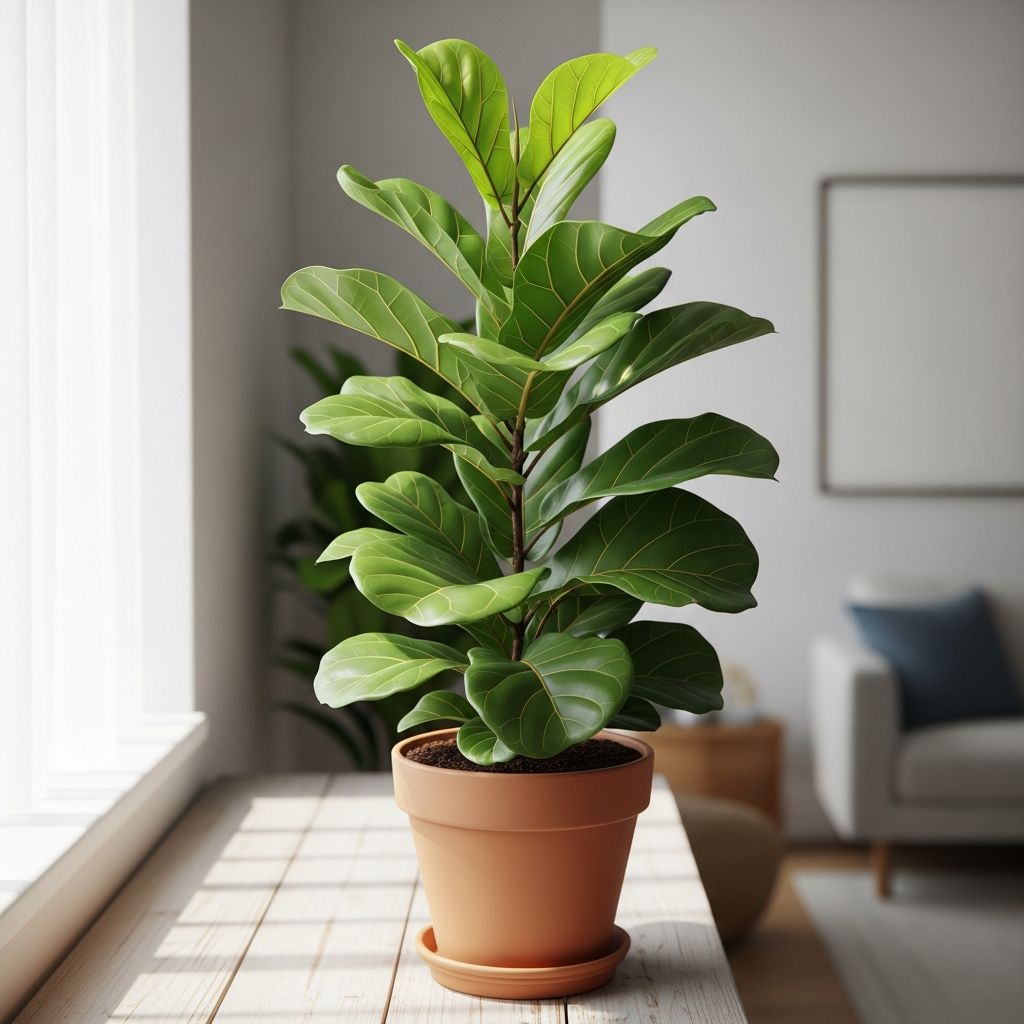
Mastering Fiddle Leaf Fig Care: Your Complete Guide to Thriving Ficus Lyrata
The Fiddle Leaf Fig (Ficus lyrata) stands out as one of the most striking houseplants, prized for its large, violin-shaped leaves and tree-like stature. Native to tropical rainforests, this plant brings a touch of the wild into modern homes. However, its reputation for being finicky stems from specific needs that, when met, lead to robust growth. This guide draws from horticultural expertise to outline everything from placement to propagation, ensuring your Fiddle Leaf Fig flourishes.
Ideal Light Conditions for Vibrant Growth
Bright, indirect sunlight is the cornerstone of Fiddle Leaf Fig success. These plants evolved under rainforest canopies, receiving filtered light rather than direct sun. Position your plant near a window where it gets consistent bright light without harsh midday rays, which can scorch leaves.
- South or east-facing windows: Ideal for most homes, providing 6-8 hours of indirect light daily.
- Acclimation for brighter spots: Gradually introduce more light over weeks to avoid shock.
- Rotation routine: Turn the plant every 1-2 weeks for even growth and prevent leaning.
In low-light conditions, expect leggy growth or leaf drop. Supplement with grow lights if natural light is insufficient, aiming for 1,000-2,000 foot-candles.
Watering Techniques to Prevent Common Issues
Overwatering is the top killer of Fiddle Leaf Figs, leading to root rot. Water only when the top 2-3 inches of soil feel dry to the touch. Frequency varies: typically weekly in bright conditions, less in winter.
| Plant Size | Weekly Water Amount | Signs to Check |
|---|---|---|
| Under 6 feet | 2 cups until drainage | Top soil dry |
| Over 6 feet | 4 cups until drainage | Drooping leaves |
| Winter adjustment | Reduce by 50% | Compacted soil |
Always use pots with drainage holes and empty saucers promptly. Water slowly in a circular motion to saturate roots evenly. Underwatering causes crispy edges and droopiness—adjust upward if soil dries too quickly.
Selecting the Perfect Soil and Pot
A well-draining soil mix mimics the plant’s airy rainforest roots. Opt for a 50/50 blend of potting soil and cactus mix, or specialized Fiddle Leaf Fig soil to prevent waterlogging.
- Pot sizing: Choose containers 2-3 inches larger than the root ball; repot every 2 years or when roots emerge.
- Repotting steps: Spring is best—gently remove, trim dead roots, add fresh soil, and water thoroughly.
- Drainage priority: Essential to avoid rot; terracotta pots enhance evaporation.
After purchase, wait a month before repotting to reduce transplant shock.
Maintaining Optimal Humidity and Temperature
As tropical natives, Fiddle Leaf Figs thrive at 40-60% humidity. Dry indoor air, especially in winter, causes brown leaf tips. Boost humidity with misting, pebble trays, or humidifiers.
- Misting schedule: Every few days, focusing on leaves during the day for evaporation.
- Temperature range: 65-85°F (18-29°C); avoid drafts, vents, or temperatures below 55°F.
- Winter tips: Group with other plants or use a humidifier for consistent moisture.
Stable conditions prevent stress-related leaf drop.
Nutrition and Feeding for Healthy Development
Fertilize sparingly during active growth (spring-summer) with a balanced, organic formula at half strength every other week. Overfeeding burns roots and causes leaf loss.
- Best fertilizers: Slow-release or liquid for houseplants, diluted properly.
- Off-season: Skip feeding in fall-winter to match dormancy-like slowdown.
- Signs of deficiency: Pale leaves indicate need for nutrients.
Leaf Maintenance and Pest Prevention
Large leaves accumulate dust, blocking photosynthesis. Wipe gently with a damp cloth weekly, supporting leaves to avoid tears. Skip oils or polishes that clog stomata.
- Dusting benefits: Improves light absorption and reduces spider mites.
- Pest watch: Inspect for mites, scale; treat with neem oil or insecticidal soap.
- Leaf shine alternatives: Natural methods like milk-water mix for subtle gloss.
Regular care keeps foliage vibrant and plant vigorous.
Propagation: Grow Your Own Fiddle Leaf Figs
Expand your collection via stem cuttings. Select healthy stems with 2-3 leaves.
- Cut 3-4 inches below a node with clean shears (wear gloves for sap).
- Dip in rooting hormone.
- Place in water or moist soil in bright, indirect light.
- Change water weekly; roots form in weeks to months.
- Transplant rooted cuttings to drained pots.
Success rates improve with consistent warmth and humidity.
Troubleshooting Fiddle Leaf Fig Problems
Recognize issues early for quick fixes:
- Yellowing lower leaves: Natural shedding; prune if excessive.
- Brown spots/edges: Underwatering, low humidity, or pests—adjust care.
- Root rot: Repot in fresh soil, reduce water, apply root supplement.
- No branching: Increase light or pinch tips to encourage bushiness.
- Leaf drop: Sudden changes in light/water; stabilize environment.
Pruning and Shaping for Aesthetic Appeal
Prune in spring to control size and promote fullness. Use sharp tools to cut above nodes.
- Topping: Shortens height, spurs side branches.
- Thinning: Removes crowded leaves for airflow.
- Aftercare: Fresh wounds heal faster with bright light and moderate water.
A well-pruned Fiddle Leaf Fig develops a balanced, tree-like form.
Seasonal Care Adjustments
Adapt routines yearly:
- Spring/Summer: Increase water/fertilizer with growth spurt.
- Fall: Taper feeding, monitor light changes.
- Winter: Less water, aerate soil, boost humidity against dry heat.
FAQs: Common Fiddle Leaf Fig Questions
Q: Why are my leaves dropping?
A: Often due to inconsistent watering, light changes, or drafts. Stabilize conditions.
Q: Can I grow it in low light?
A: It survives but grows poorly; supplement with artificial lights.
Q: How do I make it branch?
A: Provide more light and prune the top growth.
Q: Is it pet-safe?
A: Toxic if ingested; keep away from curious pets.
Q: How fast does it grow?
A: 1-2 feet yearly under ideal care.
Essential Tools for Fiddle Leaf Fig Owners
- Moisture meter for precise watering.
- Humidifier for humidity control.
- Pruning shears and damp cloths.
- Well-draining pots and soil mix.
Investing in these simplifies maintenance.
References
- Home – Fiddle-leaf fig (Ficus lyrata) – Research Guides — New York Botanical Garden. Accessed 2026. https://libguides.nybg.org/fiddleleaffig
- Ultimate Guide to Fiddle Leaf Fig Care — Fiddle Leaf Fig Plant Resource. Accessed 2026. https://fiddleleaffigplant.com/the-ultimate-guide-to-fiddle-leaf-fig-care/
- The complete guide to growing and caring for a Fiddle-Leaf Fig — Gardening4Joy. Accessed 2026. https://www.gardening4joy.com/the-complete-guide-to-growing-and-caring-for-a-fiddle-leaf-fig/
- Our Complete Guide to Fiddle Leaf Fig Care — Stump Plants. Accessed 2026. https://stumpplants.com/journal/fiddle-leaf-fig-guide
- Complete guide to fiddle-leaf fig care — Patch Plants. Accessed 2026. https://www.patchplants.com/pages/plant-care/complete-guide-to-fiddle-leaf-fig-care/
Similar Articles






Read full bio of medha deb