Mastering Glazing Tools for DIY Glasswork
Unlock professional techniques for using glazing tools to install, repair, and maintain windows with confidence and precision at home.
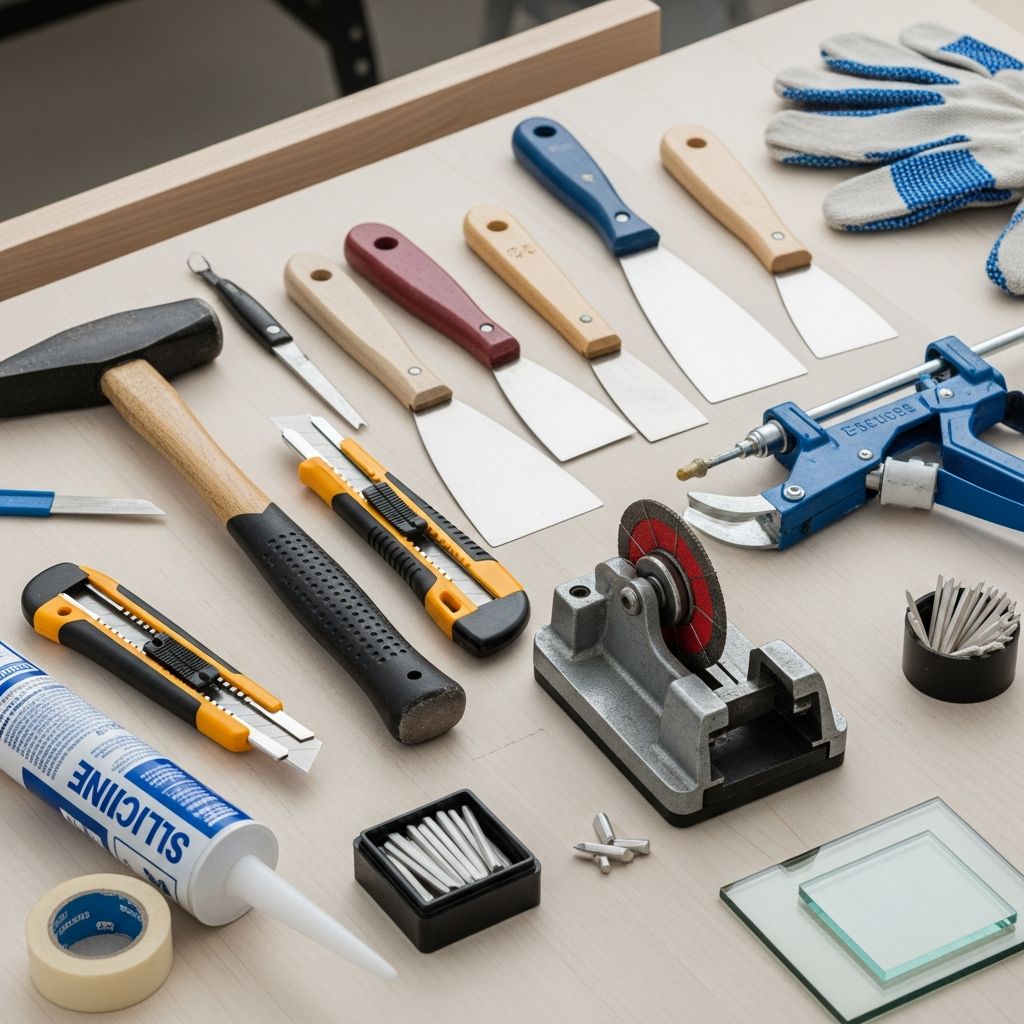
Glazing tools enable homeowners and hobbyists to handle glass installation and repair tasks effectively, creating secure seals that protect against weather and wear. These specialized implements range from cutting devices to applicators, each designed for precision in fitting glass into frames for windows, doors, and more.
Essential Types of Glazing Tools
Understanding the variety of glazing tools is the foundation for successful projects. Each tool serves a specific function in preparing, installing, and finishing glasswork.
- Glass Cutters: These feature sharp wheels for scoring glass sheets before snapping, available in pistol-grip or straight-edge models for different sizes.
- Putty Knives and Glazing Knives: Flexible blades for applying and smoothing glazing compounds, with stiff versions for scraping old material.
- Pry Bars and Shovels: Durable levers for removing old glass or positioning new panes without damage, often with ergonomic handles.
- Suction Lifters: Vacuum cups that securely grip heavy glass panels for safe transport and placement.
- Soft-Face Hammers: Non-marring heads to tap glazing points or adjust frames gently.
- Razors and Scrapers: Retractable blades for cleaning surfaces and removing residue precisely.
Selecting the right combination depends on the project scale, from small repairs to full window replacements.
Safety Protocols for Handling Glazing Tools
Prioritizing safety prevents injuries during glasswork, where sharp edges and heavy materials pose risks.
- Wear cut-resistant gloves, safety goggles, and sturdy footwear to shield against shards and impacts.
- Secure workspaces by laying down protective mats and ensuring stable ladders for elevated tasks.
- Handle glass with both hands, using suction tools for lifts over 20 pounds to avoid strains.
- Store sharp tools in sheaths and clean blades immediately to prevent slips.
Following these measures ensures efficient work without accidents.
Preparing Your Workspace and Materials
Adequate preparation streamlines glazing processes and enhances outcomes.
| Item | Purpose | Tips |
|---|---|---|
| Glazing Compound | Seals glass to frame | Choose oil-based for durability or latex for quick cleanup; store in cool areas. |
| Glazing Points | Holds glass in place | Use metal for wood frames, spring clips for metal; approx. 37 per 5oz pack. |
| Primer | Preps wood surfaces | Oil-based for compatibility with compounds. |
| Cleaning Solvents | Removes old putty | Mineral spirits for oil-based; avoid on plastics. |
Measure glass precisely, allowing 1/16-inch clearance per side for expansion. Lay out tools nearby to minimize interruptions.
Step-by-Step Guide to Removing Old Glazing
Start any reglazing by clearing the frame completely.
- Softly heat old compound with a heat gun on low to soften without scorching wood.
- Pry away chunks using a stiff putty knife or glazing shovel, working from edges inward.
- Extract glazing points with needle-nosed pliers; discard broken glass into a padded bin.
- Scrape residue with a razor scraper, then sand lightly for smoothness.
- Clean frame with solvent-dampened rag; let dry fully before proceeding.
This methodical removal prevents frame damage and ensures a clean base.
Accurate Glass Cutting and Fitting Techniques
Custom-cutting glass requires steady hands and proper tools.
- Mark cut lines with a straightedge and oil-filled cutter for smooth scoring.
- Apply firm, even pressure while running the wheel; score only once per line.
- Snap along scores using pliers or by tapping underside gently.
- Smooth edges with an arrising tool to eliminate sharpness.
Test fit the pane, trimming if needed for snug insertion without forcing.
Installing Glazing Points Securely
Glazing points anchor glass temporarily until compound sets.
Insert points every 8-10 inches along the frame, pressing with a putty knife blade. For wood sashes, drive them halfway into the frame; metal frames use clips that snap in. Avoid over-compressing glass—aim for light contact.
Applying and Tooling Glazing Compound
The compound creates a flexible, waterproof barrier.
- Roll compound into ropes matching the frame’s L-channel depth.
- Press firmly into place, overfilling slightly for tooling.
- Dip knife in solvent and sweep at 45 degrees, feathering edges against glass and frame.
- Round corners for water runoff; wipe excess immediately.
Oil-based types like DAP ’33’ offer longevity but require painting after curing; latex versions dry faster.
Advanced Tools for Professional Finishes
Elevate results with specialized implements.
- Cold Knives: Extendable blades for deep deglazing in tight automotive or window spots.
- Rotary Deglazers: Spinning cutters for flexible sealants around panels.
- Sealant Finishers: Angular tools for smooth jointing in modern frames.
- L-Squares: Phenolic rulers for precise 90-degree measurements in large sheets.
These enhance efficiency in complex installations.
Finishing and Curing Processes
Post-application care ensures durability.
- Allow 1-2 weeks for oil-based compounds to skin over before painting.
- Apply two coats of oil primer then paint matching the frame.
- Inspect for cracks after 24 hours; tool minor gaps promptly.
Proper curing yields seals lasting decades.
Common Mistakes and Troubleshooting
Avoid pitfalls for superior outcomes.
| Mistake | Consequence | Solution |
|---|---|---|
| Insufficient points | Glass slippage | Space every 8 inches minimum. |
| Air bubbles in compound | Weak seal | Press firmly; retool bubbles. |
| Uneven tooling | Water entry | Consistent 45-degree angle. |
| Rushing cure time | Cracking | Wait full period before paint. |
Patience addresses most issues effectively.
Maintenance Tips for Long-Lasting Glazing
Regular upkeep extends window life.
- Inspect annually for cracks or shrinkage, reapplying compound as needed.
- Clean with mild soap; avoid abrasives on seals.
- Trim vegetation blocking frames to prevent moisture buildup.
These habits maintain energy efficiency and aesthetics.
Choosing Glazing for Energy Efficiency
Modern glazing improves insulation.
Opt for double- or triple-pane units with argon fill and low-E coatings to reduce heat loss. These outperform single-pane by slowing thermal transfer via gas layers.
DIY vs. Professional: When to Call Experts
Tackle small repairs yourself, but hire pros for structural windows or large formats requiring cranes.
Frequently Asked Questions (FAQs)
What is the best glazing compound for beginners?
Latex-based options clean up with water and cure quickly, ideal for novices.
How do I remove old putty without damaging wood?
Apply low heat and use plastic shovels to pry gently.
Can I glaze metal frames the same way as wood?
Yes, but use spring clips instead of points and ensure compound compatibility.
How long does glazing last?
Quality installations endure 20-30 years with proper maintenance.
Are suction lifters necessary for all projects?
Essential for panes over 20×20 inches to prevent drops.
Tool Comparison Chart
| Tool | Use Case | Best For |
|---|---|---|
| Putty Knife | Applying compound | Wood frames |
| Glazing Shovel | Prying glass | Non-scratch lifts |
| Cold Knife | Deep cuts | Tight spaces |
| Soft Hammer | Setting points | Fragile glass |
References
- Glazing Tools | Precision Glass Work – ITS — ITS. Accessed 2026. https://its.co.uk/hand-tools/trade-and-job-specific-tools/glazing-tools/
- Hand Tools – Ontario Glazing Supplies — OGS Canada. Accessed 2026. https://www.ogscanada.ca/glazing-tools/hand-tools/
- Glazing Selection Guide: Types, Features, Applications — GlobalSpec. Accessed 2026. https://www.globalspec.com/learnmore/building_construction/building_supplies/glazing
- How to Glaze Windows — DAP Global. Accessed 2026. https://www.dap.com/resources-support/how-to-s-tips/window-door-siding/how-to-glaze-windows/
Similar Articles








Read full bio of Sneha Tete