Mastering Heat Gun Paint Removal
Discover safe, effective techniques for stripping paint with a heat gun to refresh your surfaces effortlessly.
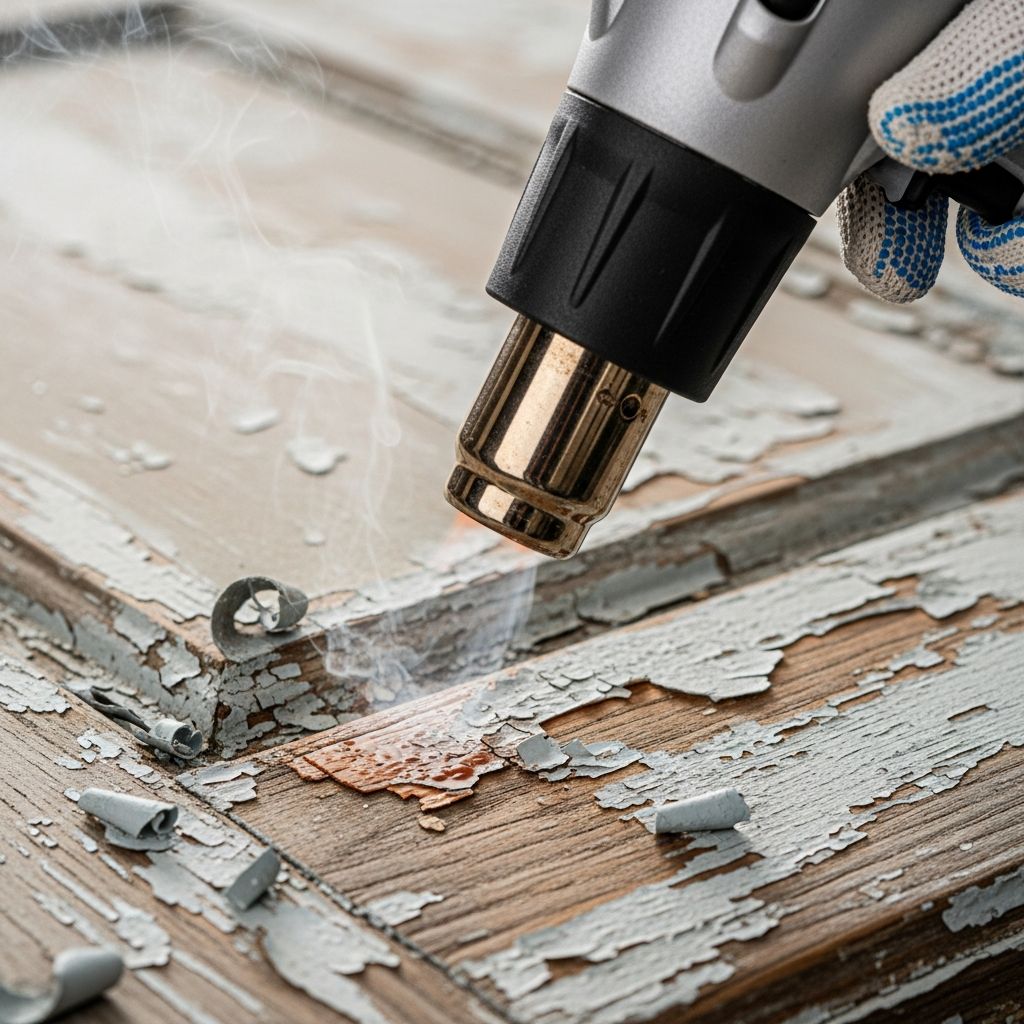
Heat guns provide a powerful method for stripping old paint from various surfaces, offering speed and precision when handled correctly. This approach softens paint layers through targeted hot air application, allowing easy scraping without harsh chemicals.
Why Choose a Heat Gun for Stripping Paint?
Unlike chemical strippers that can release fumes or sanding that creates dust clouds, heat guns deliver controlled heat to loosen paint bonds quickly. They excel on wood, metal, and masonry, making them ideal for furniture restoration, door refinishing, or trim revival. The process minimizes mess and preserves underlying materials when temperatures are managed properly.
Key advantages include versatility across paint types—water-based or oil-based—and efficiency for multiple layers. Professionals favor them for their portability and lack of residue, though they require practice to avoid scorching.
Selecting the Ideal Heat Gun
Not all heat guns suit paint removal; opt for models with adjustable temperatures from 100°C to 650°C (212°F to 1200°F) and ergonomic designs for steady handling. Cordless options enhance mobility for outdoor projects, while variable speed fans prevent uneven heating.
Essential features:
- Temperature controls for delicate to heavy-duty tasks.
- Overheat protection to prevent tool burnout.
- Nozzle attachments for focused airflow on edges or curves.
- Lightweight build under 2 pounds for extended use.
Budget models start at basic settings around 1100°F for stripping, as shown in practical demos. Test on scrap material first to gauge performance.
Essential Tools and Materials
Gather these before starting to streamline workflow:
- Heat gun with scrapers compatible.
- Putty knives or carbide scrapers for tough spots.
- Heat-resistant gloves and safety goggles.
- Drop cloths, wire brushes, and sandpaper (120-220 grit).
- Mild detergent, tack cloths, and mineral spirits for cleanup.
Invest in a sturdy workbench or sawhorses for stability, especially with large pieces like doors.
Surface Assessment and Preparation
Success hinges on prepping thoroughly. Inspect for lead paint if pre-1978; use certified tests and follow EPA guidelines—heat guns are approved only if temperatures stay below charring points to avoid vaporizing toxins.
Steps for readiness:
- Wipe with soapy water to eliminate grease and dust, then rinse and dry completely.
- Mask adjacent areas with painter’s tape and foil.
- Lightly sand glossy spots for even heat absorption.
- Test heat on a hidden area to check material response.
Clean surfaces ensure uniform softening, reducing application time by up to 30%.
Temperature Guidelines by Surface and Paint Type
Matching heat to material prevents damage. Use this table for quick reference:
| Surface | Paint Type | Temp Range (°C/°F) | Notes |
|---|---|---|---|
| Wood (soft) | Water-based | 100-200 / 212-392 | Low to avoid charring grain. |
| Wood (hard) | Oil-based | 200-400 / 392-752 | Medium for layers. |
| Metal | Multiple layers | 400-650 / 752-1200 | High for durability. |
| Masonry | Any | 300-500 / 572-932 | Steady for porous absorption. |
Begin low and increment; paint bubbles when ready. Avoid glass or plastic entirely.
Step-by-Step Paint Removal Process
Follow this sequence for optimal results:
1. Set Up Your Workspace
Work in a ventilated area, outdoors if possible. Lay drop cloths and remove nearby flammables. Don full PPE: respirator, gloves, goggles.
2. Heat Application Technique
Power on, select temp, hold 2-3 inches away. Sweep in overlapping circles or back-and-forth like a supercharged dryer—never stationary. Preheat scraper tip lightly for better glide.
3. Scrape Strategically
As paint bubbles or wrinkles (10-30 seconds per spot), scrape at 30° angle toward you. Use one hand for gun, one for tool. Work 6×6 inch sections max.
4. Repeat Layers
For multi-layer jobs, reheat gently; deeper layers need sustained but lower heat. Stubborn spots may require multiple passes.
5. Manage Fumes and Debris
Direct air away from face; use fans for exhaust. Collect chips immediately to prevent re-adhesion.
This method removes paint 3-5x faster than manual scraping alone.
Safety Protocols to Prevent Accidents
Heat guns pose fire risks if mishandled. Critical measures:
- Maintain 2-inch minimum distance; never touch nozzle.
- Evacuate kids/pets; have fire extinguisher handy.
- Monitor for smoke—stop if charring occurs.
- Wash hands post-job; dispose flakes as hazardous if lead-suspected.
Statistics show proper distancing cuts burn incidents by 80%.
Post-Removal Cleanup and Finishing
After stripping:
- Scrape residue, then wire brush crevices.
- Wipe with mineral spirits-damp cloth; let dry.
- Sand smooth (start 120 grit, finish 220).
- Vacuum dust, tack-cloth final wipe.
- Prime immediately to seal bare wood.
This preps for flawless repainting, enhancing adhesion.
Common Pitfalls and Fixes
Scorching wood: Lower temp, increase distance.
Paint not lifting: Clean better or up heat gradually.
Fumes overwhelming: Improve ventilation, use respirator.
Uneven results: Smaller sections, consistent motion.
Practice on junk wood refines technique quickly.
Advanced Techniques for Pros
For intricate moldings, use pinpoint nozzles. Pair with infrared strippers for no-heat options on lead paint. Multi-layer doors benefit from sectional heating: sides first, then panels. Cordless guns shine for ladders or tight spots.
Alternatives When Heat Guns Fall Short
Chemical strippers like Peelaway excel on heat-resistant paints. Infrared tools avoid air heating for precision. Steamers suit delicate veneers without scorching risk.
FAQ
Can heat guns remove lead paint?
Use only if EPA-certified and no charring; prefer encapsulation otherwise.
How long per section?
15-60 seconds; watch for bubbling.
Safe for kitchen cabinets?
Yes on solid wood; ventilate heavily.
What if paint smokes?
Stop, cool, lower temp immediately.
Best for outdoor siding?
Cordless, medium heat; avoid direct sun.
References
- How to Use a Heat Gun to Remove Paint: Expert Tips and Techniques — Maxxt-Tech. 2023. https://www.maxxt-tech.com/blog/how-to-use-a-heat-gun-to-remove-paint/
- Effortless Paint Removal Tips for Choosing a Cordless Heat Gun — Livowalny. 2024. https://www.livowalny.com/blogs/blog/effortless-paint-removal-tips-for-choosing-a-cordless-heat-gun-and-setting-the-right-temperature
- The Ultimate Guide to Infrared Paint Removal — The Craftsman Blog. 2022. https://thecraftsmanblog.com/heat-gun-vs-infrared-paint-stripper/
- How To Remove Paint From Wood w/ Heat Gun — YouTube (Wagner Spraytech). 2019-04-01. https://www.youtube.com/watch?v=msvU8kZyOlk
- Home Repair Tips: How to Use a Heat Gun to Remove Paint — eHow/YouTube. 2010. https://www.youtube.com/watch?v=ZeRB9WGwzVk
Similar Articles



Read full bio of medha deb