Japanese Maple Propagation: 4 Reliable Methods For Gardeners
Unlock the secrets to multiplying your favorite Japanese maples through proven techniques like cuttings, seeds, and layering for stunning garden expansions.
Mastering Japanese Maple Propagation: A Complete Gardener’s Guide
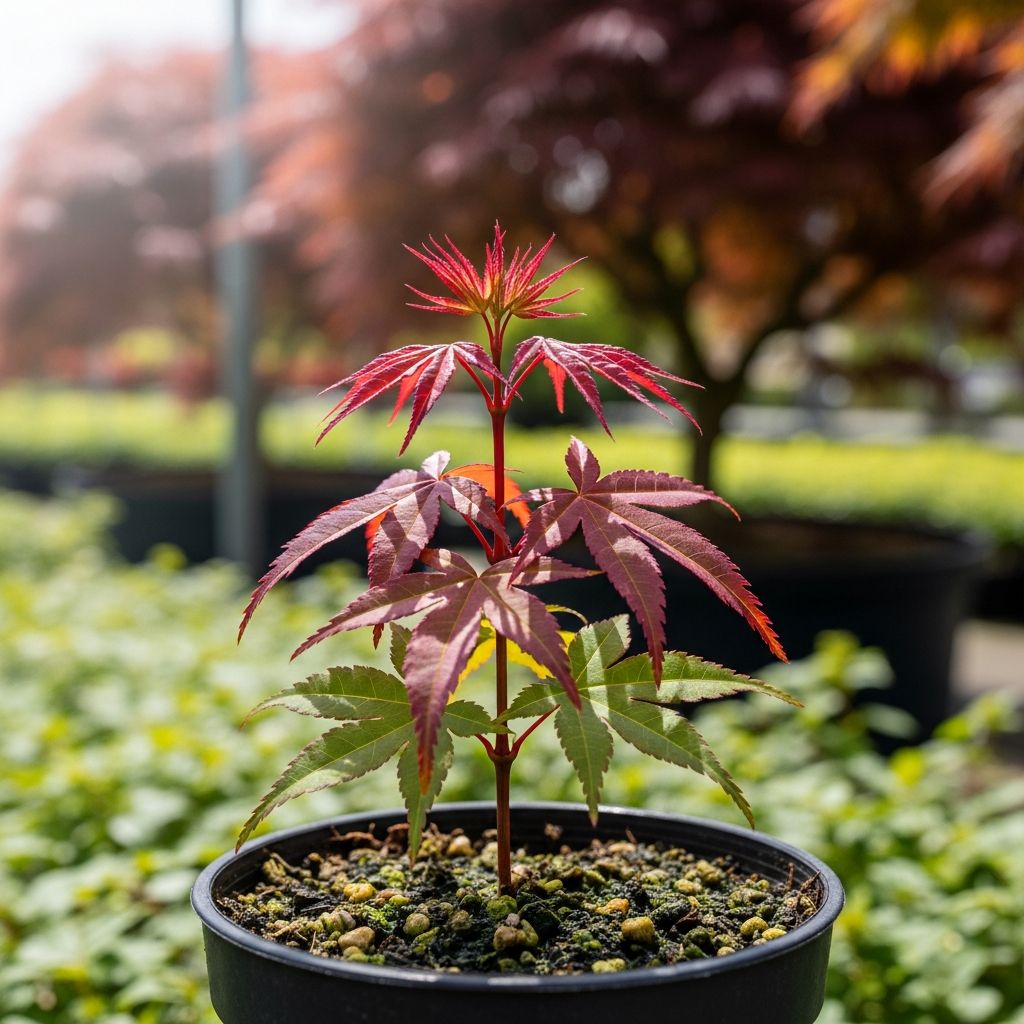
Japanese maples, with their delicate lace-like leaves and vibrant fall colors, are prized additions to any garden. Propagating these trees allows you to create exact replicas of your favorites without purchasing new plants, saving money while expanding your landscape. This guide explores reliable methods including seed sowing, stem cuttings, air layering, and grafting, drawing from horticultural best practices to ensure high success rates.
Understanding Propagation Basics for Japanese Maples
Propagation replicates plants through various techniques, each suited to different skill levels and goals. Seeds produce genetically diverse offspring, ideal for experimentation, while cuttings, layering, and grafting yield clones identical to the parent. Japanese maples (Acer palmatum) challenge propagators due to slow rooting, sensitivity to wilt diseases, and environmental stressors like wind and scorch. Success hinges on timing, hygiene, and hormone use.
- Timing matters: Spring for cuttings, fall for seeds, late spring for layering.
- Tools needed: Sterile pruners, rooting hormone, well-draining media, humidity domes.
- Success factors: Healthy parent trees, consistent moisture, indirect light.
Propagating from Seeds: Nature’s Patient Path
Growing Japanese maples from seeds offers an affordable entry point, though results vary genetically. Fresh seeds from fall pods require stratification to break dormancy, mimicking winter cold.
Step-by-Step Seed Propagation Process
- Collect seeds: Harvest ripe samaras in autumn from healthy trees; viability drops quickly.
- Stratify: Option 1: Mix with damp peat moss in a fridge bag for 2-3 months. Option 2: Sow directly outdoors in fall pots for natural cold exposure.
- Sow in spring: Use pots with compost-perlite-peat mix; cover lightly, keep moist at 60-70°F.
- Germinate and grow: Expect sprouts in weeks; provide shade, thin seedlings, transplant after true leaves form.
Seedlings grow slowly; pot them up gradually before garden planting. This method suits patient gardeners seeking variety.
Stem Cuttings: Cloning with Precision
For identical clones, softwood cuttings in late winter to early spring excel, leveraging rising sap and optimal hormones. Success rates improve dramatically with rooting aids.
Detailed Cutting Technique
| Step | Action | Tips |
|---|---|---|
| 1. Select | 4-6 inch branch with 2+ nodes, vibrant growth | From pest-free, hydrated parent |
| 2. Cut | Snip below node with sterilized pruners | Remove lower leaves immediately |
| 3. Treat | Dip in rooting hormone gel/powder | Boosts roots by 50-70% |
| 4. Plant | In 1:1 potting soil-perlite mix | Firmly, water gently |
| 5. Environment | Humidity dome, indirect light, 65-75°F | Mist daily; roots in 4-8 weeks |
| 6. Acclimate | Tug test for roots, then harden off | Transplant after 2-3 months |
Monitor for wilting; high humidity prevents desiccation. This yields vigorous clones faster than seeds.
Air Layering: Roots While Attached
Air layering roots branches on the parent tree, ideal for hard-to-root cultivars. Perform in late spring on pencil-thick stems.
Air Layering Steps
- Wound the branch: Shallow girdle below a node, peel bark gently.
- Apply hormone: Dust exposed cambium with rooting powder.
- Pack moss: Wrap moist long-fiber sphagnum moss around the area.
- Seal: Enclose in clear plastic, tie ends securely; check monthly.
- Sever: Roots form in 2-3 months; cut below, pot immediately.
This method minimizes transplant shock, producing sturdy plants. Videos demonstrate using foam supports for stability during rooting.
Advanced tip: For bonsai enthusiasts, refine with tight-fitting supports to prevent root wiggle in vigorous Japanese maple growth.
Grafting: Professional Strength and Speed
Grafting joins scion (desired top) to rootstock (sturdy base), favored by nurseries for reliability. Whip-and-tongue or cleft grafts work best.
Grafting Essentials
- Prepare rootstock: 1-2 year understock, hardy variety like Acer buergerianum.
- Cut scion: 4-inch dormant wood from elite tree.
- Match cuts: Angled slices for cambium alignment.
- Secure: Tape tightly, seal with wax.
- Aftercare: Humid, shaded spot; union forms in weeks.
Grafts outperform cuttings in vigor, resisting diseases better.
Essential Care for New Propagules
Post-propagation care determines survival. Young Japanese maples demand precision.
- Watering: Moist but not waterlogged; mulch conserves moisture.
- Light: Partial shade avoids scorch; acclimate gradually.
- Soil: Acidic, well-drained; fertilize sparingly with balanced slow-release.
- Protection: Windbreaks, fungicides for verticillium wilt.
- Pruning: Shape lightly after establishment.
Patience pays: Expect 1-2 years for noticeable growth.
Troubleshooting Common Issues
Propagation setbacks are common; here’s how to overcome them.
| Problem | Symptoms | Solution |
|---|---|---|
| No roots | No tug resistance after 8 weeks | Increase humidity, check hormone application |
| Leaf scorch | Brown edges | Provide more shade, mist frequently |
| Root rot | Black mushy roots | Improve drainage, reduce watering |
| Poor germination | No sprouts | Ensure full stratification period |
Start small batches to test conditions.
Advanced Tips for Expert Results
Elevate success with these pro strategies:
- Use LED grow lights for consistent conditions.
- Experiment with IBA concentrations in hormones.
- Track varieties: Some like ‘Bloodgood’ root easier than weeping types.
- Winter protect pots with burlap.
Combine methods: Layer first, then graft for superior stock.
Frequently Asked Questions
What is the easiest way to propagate Japanese maples for beginners?
Air layering offers the highest success for novices, as roots form with parental support.
When should I take cuttings from Japanese maples?
Late winter to early spring, when sap flows but before full leaf-out.
Do I need rooting hormone for Japanese maple cuttings?
Yes, it significantly boosts rooting rates from 20% to over 70%.
How long until a propagated Japanese maple looks mature?
3-5 years for small tree form; grafts accelerate this.
Can I propagate Japanese maples indoors?
Yes, with humidity control and grow lights, but outdoor acclimation is key.
Expanding Your Collection Sustainably
Mastering propagation transforms gardeners into tree multipliers. Share clones with friends, trade varieties, or build a personal arboretum. Always source ethically from healthy stock to preserve genetic diversity. With practice, your garden will burst with these elegant trees year-round.
References
- Effective Techniques for Growing Japanese Maples — Herter Nursery. 2023. https://japanesemaple.net/propagating-perfection-effective-techniques-for-growing-japanese-maples/
- How to Propagate Japanese Maples: 3 Methods to Try — Savvy Gardening. 2024-05-15. https://savvygardening.com/how-to-propagate-japanese-maples/
- Super Easy Method for Propagating Japanese Maples — Bonsai from Scratch (YouTube). 2025-07-01. https://www.youtube.com/watch?v=lYQNNmUufYg
Similar Articles





Read full bio of medha deb