Mastering Lacquer Polishing Techniques
Unlock professional-level shine on wood finishes with expert sanding, buffing, and polishing methods for flawless results.
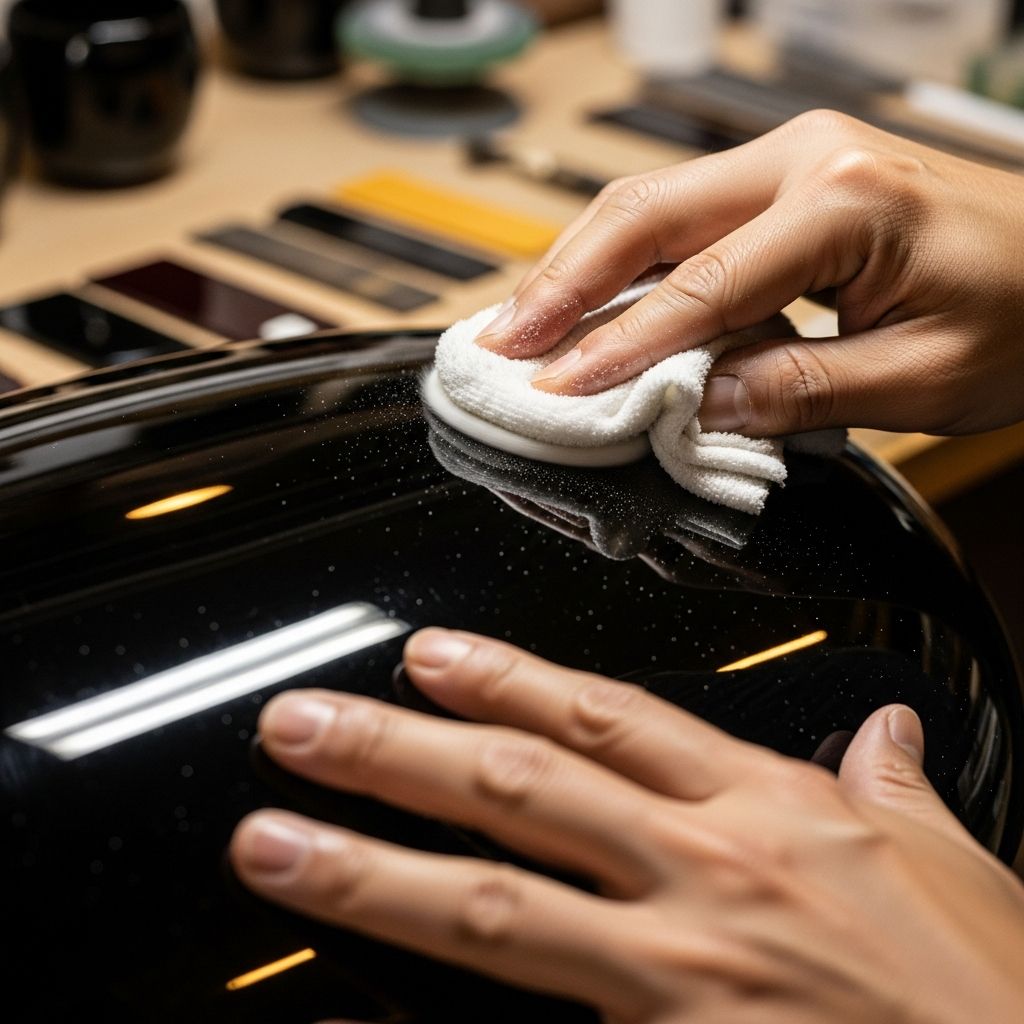
Lacquer delivers a durable, transparent coating that highlights wood’s natural patterns while shielding against wear. Achieving a
mirror-like gloss
demands careful preparation, progressive abrasion, and precise buffing. This guide details every phase, from initial curing to final shine, empowering both novices and seasoned crafters to produce professional outcomes.Why Lacquer Excels in Wood Finishing
Lacquer, a solvent-based varnish, dries rapidly and forms a resilient film ideal for furniture, cabinets, and instruments. Its flexibility minimizes cracking under vibration or temperature shifts, unlike rigid alternatives. When polished correctly, it yields unmatched clarity and depth, surpassing polyurethane in sheen potential.
Key benefits include quick application in thin layers for build-up control and easy repairability. However, success hinges on full solvent evaporation—rushing leads to soft spots prone to sanding errors.
Essential Prerequisites for Polishing Success
Before touching abrasives, ensure your lacquer is ready. Apply 3-6 coats, allowing 24-48 hours between each for solvent release. Total curing spans 1-4 weeks, depending on thickness and environment; warmer, drier conditions accelerate this.
- Layer Thickness: Aim for 4-6 mils total build to withstand aggressive sanding without breakthrough.
- Curing Environment: Maintain 65-75°F and 40-50% humidity to prevent blush or tackiness.
- Inspection: Check for dust nibs, runs, or orange peel by feel and sight under angled light.
Inadequate prep risks thin spots or haze. Test hardness with a fingernail; it should resist denting deeply.
Selecting the Right Tools and Materials
Polishing kits streamline the process, bundling abrasives and compounds tailored for lacquer. Hand methods suit small pieces; powered tools excel on larger surfaces.
| Category | Recommendations | Purpose |
|---|---|---|
| Abrasives | 400-600 grit wet/dry sandpaper, Micro-Mesh 1200-12,000 grit | Leveling and fine scratches |
| Compounds | Medium rubbing compound, extra-fine polish (e.g., Mohawk Buff-N-Polish) | Refining to gloss |
| Applicators | Cotton rags, foam pads, linen buffing wheels, orbital polisher (900-1800 RPM) | Even pressure distribution |
| Lubricants | Water, mineral spirits, soapy solution | Prevent clogging and heat buildup |
Invest in quality Micro-Mesh for ultra-fine progression; it outperforms standard paper beyond 2000 grit. Foam pads on polishers minimize swirl marks over wool alternatives.
Step-by-Step Sanding Process
Sanding removes imperfections progressively, creating a flawless base. Always wet sand to reduce dust and heat.
- Coarse Leveling (400-600 Grit): Soak paper in water 10 minutes. Sand lightly in circular motions until runs and nibs vanish. Wipe clean; inspect for evenness.
- Mid-Refinement (800-1500 Grit): Switch to finer grits, maintaining straight-line passes initially, then circles. Progress quickly once level.
- Ultra-Fine Prep (2000-12,000 Grit): Micro-Mesh excels here. Advance grits before fully eliminating prior scratches to preserve material—final grit alone yields near-gloss.
Between grits, clean thoroughly with tack cloth. Total time: 1-3 hours per panel. Monitor progress; stop if thin spots appear as dull halos.
Buffing and Polishing Mastery
Post-sanding, compounds elevate smoothness to optical perfection. Work in sections to avoid drying.
- Medium Cut Compound: Apply sparingly with cloth or foam pad. Circular motions at low speed (900-1200 RPM) for 2-3 passes. Let haze, then buff with clean rag.
- Extra-Fine Polish: Repeat process; finer abrasive completes refinement. Expect heavy gloss immediately.
- Optional Glazing: Final 3M Perfect-It or equivalent on soft pad at 1800 RPM for jewel-like depth.
Hand buffing suits precision; machines cover area fast but demand practice to dodge holograms. Circular patterns hit scratches multidirectionally.
Advanced Techniques for Superior Results
Pros layer methods for concours-level finishes. After 12,000 grit, pumice slurry (optional, skipped by many for compounds) bridges to polish. Automotive sequences—rubbing, polishing, glazing—yield wax-free highsheen.
For instruments, extended curing (weeks) enables aggressive buffing without damping tone. Spray-on topcoats post-wipe add build without brush marks.
Safety and Common Pitfalls
Lacquer dust ignites easily; polish in ventilated spaces with respirators. Gloves prevent skin oils from contaminating surfaces.
Avoid These Errors:
- Burn-through from high RPM or dry sanding.
- Swirls from contaminated pads—dedicate tools per compound.
- Insufficient cure: Wait 7+ days for water-based.
Practice on scrap. Thin lacquer demands feather-light pressure.
Maintenance for Long-Lasting Sheen
Post-polish, apply paste wax sparingly; high gloss often needs none. Clean with microfiber and mild soap; avoid abrasives. Re-polish minor scratches with fine compound.
FAQs
What grit should I start sanding lacquer with?
Begin at 400-600 grit for leveling, progressing to 12,000 for pre-polish smoothness.
How long does lacquer need to cure before polishing?
Minimum 24-48 hours between coats, 1-4 weeks total; instruments benefit from longer.
Can I polish lacquer by hand?
Yes, using rags and compounds yields excellent results, especially after fine sanding.
What if I sand through the finish?
Re-apply 2-3 coats, re-cure, and restart. Ensure adequate initial build.
Is wax necessary after polishing?
Often not; quality compounds deliver enduring gloss without it.
Master these steps, and your lacquer finishes will rival factory pros. Experiment iteratively for your setup.
References
- How to Polish Your Lacquer (Mohawk Buff N Polish) — Brad Angove (YouTube). 2020. https://www.youtube.com/watch?v=AYuXGJRoMt0
- Polishing Lacquer — Sawmill Creek Woodworking Community. 2010-10-15. https://sawmillcreek.org/threads/polishing-lacquer.215733/
- Rubbing Out Lacquer to High Gloss — FineWoodworking Forum. 2010. https://www.finewoodworking.com/forum/rubbing-out-lacquer-to-high-gloss
- MM 8-18-11: Rubbing out a lacquered finish — Steve Ramsey Plus (YouTube). 2011. https://www.youtube.com/watch?v=RjyYJaNnN9A
- Sanding and Buffing the Lacquer — Zimnicki Guitars. 2023. https://zimnicki.com/sanding-and-buffing-the-lacquer/
Similar Articles








Read full bio of Sneha Tete