Mastering Lawn Aeration
Unlock the secrets to a healthier lawn through expert aeration techniques that boost root growth and vitality year-round.
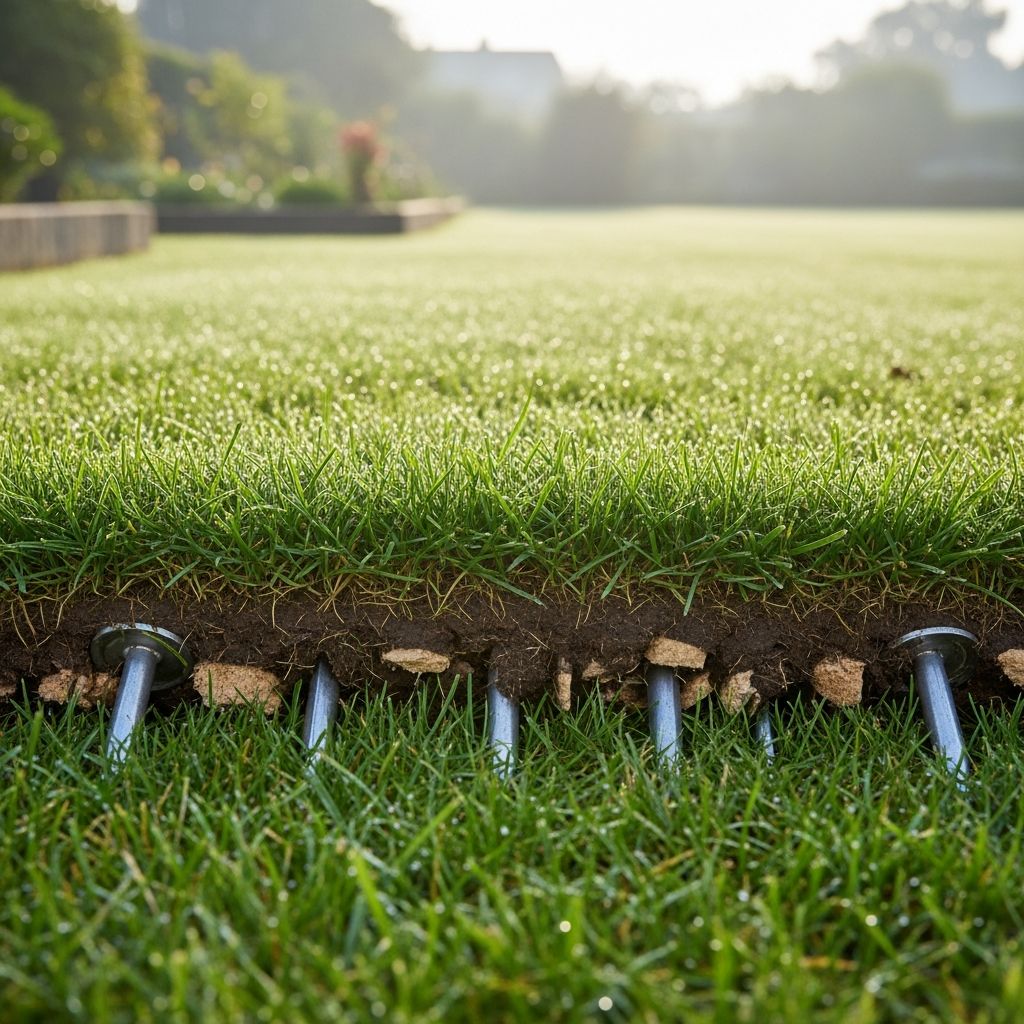
Lawn aeration is a fundamental practice that introduces vital air, water, and nutrients directly to grass roots by perforating compacted soil. This process alleviates the buildup of dense earth layers that restrict root development, leading to healthier turf overall.
Understanding Soil Compaction and Its Impact
Soil compaction occurs when heavy foot traffic, machinery, or clay-heavy ground compresses pore spaces, limiting oxygen flow and water infiltration. Roots struggle in these conditions, resulting in thin, patchy grass prone to drought stress and disease. Regular aeration counters this by creating channels that improve microbial activity and organic matter decomposition.
Signs of compaction include standing water after rain, sparse growth in high-use areas, and weed proliferation. Addressing it promptly prevents long-term decline, fostering deeper roots capable of accessing subsoil moisture during dry spells.
Optimal Timing for Aeration Success
The best periods align with active grass growth to maximize recovery. For cool-season varieties like fescue or bluegrass, target late summer to early fall when temperatures cool but roots still expand. Warm-season types such as Bermuda or zoysia thrive with late spring or early summer treatments, post-danger of frost but before peak heat.
Avoid aerating during dormancy or extreme weather, as stressed grass recovers slowly. Test soil moisture: it should yield to a screwdriver up to 3 inches deep without being soggy, ensuring tines penetrate effectively.
Essential Preparation Steps
Preparation ensures safety and efficiency. Begin by calling 811 to mark utilities 2-3 days ahead, preventing damage to lines. Mow grass to a short height, about 1.5-2 inches, for unobstructed access.
- Clear debris like sticks, toys, and furniture to avoid equipment jams.
- Water deeply 1-2 days prior if dry, aiming for 1 inch to soften soil without mud.
- Mark sprinklers, septic systems, or shallow irrigation with flags.
These steps minimize risks and optimize results, setting the stage for seamless aeration.
Types of Aeration Methods Compared
Various techniques suit different lawn sizes and budgets. Core aeration remains the gold standard, extracting 2-3 inch plugs to relieve compaction thoroughly.
| Method | Best For | Pros | Cons | Time per 1,000 sq ft |
|---|---|---|---|---|
| Core Aeration | Large lawns | Removes plugs, improves drainage long-term | Requires rental equipment | 30-60 min |
| Manual Core | Small yards | Precise, no power needed | Labor-intensive | 30-60 min |
| Spike Aeration | Light compaction | Quick, easy for beginners | Less effective, may worsen compaction | 20-40 min |
| Liquid Aeration | Maintenance | Non-invasive, chemical-based | Variable results, repeat applications | 15-30 min |
Core methods outperform spikes by actually removing material rather than pushing it aside, which can compact further.
Step-by-Step Core Aeration Guide
Rent a powered core aerator for areas over 1,000 sq ft; fill weight tanks with water for deeper penetration. Start in a corner, proceeding slowly like mowing.
- Position machine at the edge, lower tines via lever.
- Push forward steadily, allowing plugs to eject every 2-4 inches.
- Complete rows, overlapping 2-3 inches.
- Repeat perpendicularly for cross-pattern coverage.
- Target high-traffic zones with extra passes.
Leave plugs to decompose naturally, enriching soil as they break down.
Manual Aeration for Smaller Spaces
For yards under 1,000 sq ft, use foot-powered tools with hollow tines. Position perpendicularly, step firmly to 2-3 inches, then extract.
- Grid every 4-6 inches for uniformity.
- Focus on play areas or paths.
- Expect 30-60 minutes per 1,000 sq ft; rest frequently to avoid fatigue.
This hands-on approach builds soil structure effectively without machinery.
Spike and Liquid Alternatives Explored
Spike aerators puncture with solid rods, suitable for minor issues. Roll across in parallel lines, adding weight for depth. Though faster, they don’t remove cores, limiting benefits.
Liquid aerators use surfactants to loosen soil chemically. Attach to hose, spray evenly, and water in. Best as a supplement, not replacement.
Post-Aeration Care for Maximum Results
Immediately water lightly to settle soil. Apply starter fertilizer to nourish roots, followed by overseeding thin spots.
- Water every 2-3 days for two weeks, keeping moist but not saturated.
- Avoid traffic for 1-2 weeks.
- Mow when growth resumes, never removing over one-third blade at once.
Combine with dethatching if thatch exceeds 0.5 inches: rake manually or use a power unit after mowing short. Topdress with sand-compost mix in some cases to fill holes and amend texture.
Frequency and Long-Term Maintenance
Aerate annually for heavy clay or traffic; every 2-3 years suffices for loamy soils. Monitor via screwdriver test: resistance signals need. Integrate into seasonal routines alongside fertilizing and watering for sustained health.
Common Mistakes to Sidestep
Steer clear of dry or frozen soil, which hinders penetration. Skipping utility checks risks costly repairs. Over-aerating fragile lawns causes stress; pass once unless severely compacted. Ignoring follow-up care wastes efforts.
DIY vs. Professional Services
DIY suits small-to-medium yards with rentals costing $50-100/day. Pros handle large properties efficiently, often bundling with fertilization for $75-200 per 10,000 sq ft. Weigh time, equipment access, and lawn scale.
Frequently Asked Questions
Can I aerate anytime?
No, stick to growing seasons for cool/warm grasses to aid recovery.
Do I remove the soil plugs?
Leave them; they decompose, recycling nutrients.
How moist should soil be?
Moist enough for 3-inch screwdriver ease, not muddy.
Is spike aeration effective?
Less so than core; use for light maintenance.
After aeration, what next?
Fertilize, seed, water consistently.
References
- How to Aerate Your Lawn: A Complete Guide — LawnStarter. 2023. https://www.lawnstarter.com/blog/lawn-care-2/how-to-aerate-lawn/
- How to Aerate & Dethatch Your Lawn — Scotts Miracle-Gro. 2024-01-15. https://scottsmiraclegro.com/en-us/learn/lawn-care/how-to-aerate-dethatch-your-lawn.html
- How To Aerate your Lawn EASY – CORE AERATION — YouTube (Pest Control). 2018-05-20. https://www.youtube.com/watch?v=-IKgXyUnvv0
- Aerating the Lawn — YouTube (Ashridge). 2020-06-10. https://www.youtube.com/watch?v=I6j-pbKcZpE
- Fall Lawn Care 101 – Aerate, Reseed, and Fertilize — YouTube (Lowe’s). 2022-09-15. https://www.youtube.com/watch?v=qk7umG9DVaY
- How to Aerate Your Lawn — The Home Depot. 2024-03-01. https://www.homedepot.com/c/ah/how-to-aerate-your-lawn/9ba683603be9fa5395fab90170fb4b68
- How To Aerate Lawn — TruGreen. 2023-08-12. https://www.trugreen.com/lawn-care-101/blog/diy/how-aerate-your-lawn
Similar Articles



Read full bio of medha deb