Mastering Lawn Edging Techniques
Achieve crisp, professional lawn borders with our detailed guide on tools, timing, and step-by-step methods for stunning yard edges.
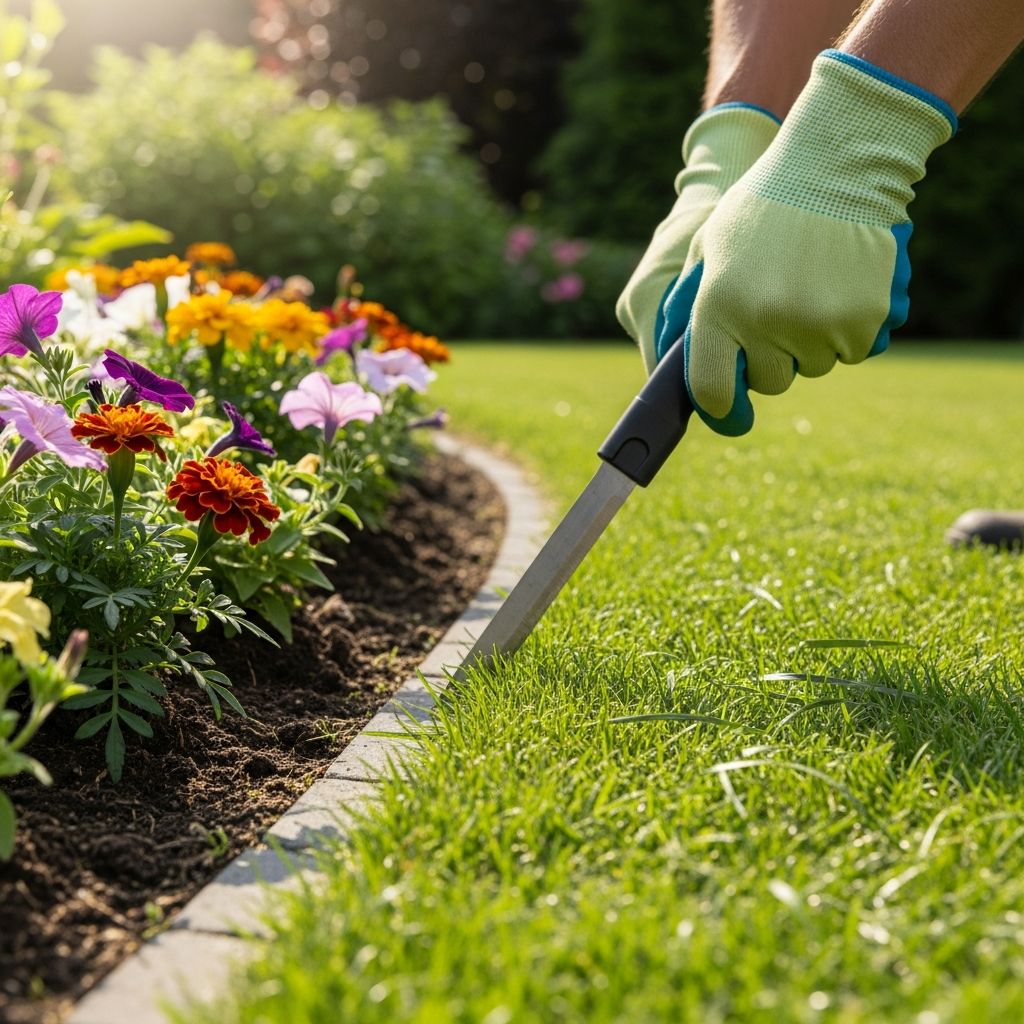
Creating sharp, defined borders around your lawn transforms a standard yard into a polished landscape. Lawn edging separates grass from paths, flower beds, and driveways, preventing overgrowth and giving a tidy appearance. This practice not only boosts curb appeal but also simplifies ongoing maintenance by curbing invasive grass runners.
Why Lawn Edging Matters for Your Yard
Regular edging keeps grass contained, reducing the need for frequent trimming and weeding. It creates a barrier that discourages turf from spreading into unwanted areas, saving time and effort. A well-edged lawn appears larger and more organized, making the entire garden look professionally maintained. According to gardening experts, crisp edges can make even a modest lawn seem manicured and inviting.
Edging also promotes healthier grass growth by defining boundaries where nutrients and water can be directed more efficiently. Without it, grass encroaches on hardscapes, leading to uneven surfaces and potential tripping hazards. Investing time in this task yields long-term benefits for both aesthetics and functionality.
Optimal Timing for Edging Your Lawn
The best time to edge is after mowing, when grass is dry and settled. Early morning or late afternoon avoids midday heat, reducing stress on the turf. Spring and fall are ideal seasons, as growth is active but not excessive. Avoid edging during drought or extreme heat to prevent damaging the grass roots.
For new lawns, wait until grass establishes a strong root system, typically 4-6 weeks after seeding or sodding. Maintenance edging suits weekly or bi-weekly schedules during peak growing months, while restorative cuts happen annually to redefine lost lines.
Essential Tools for Effective Lawn Edging
Selecting the right equipment depends on lawn size, edge complexity, and personal preference. Here’s a breakdown of popular options:
- Manual Edgers: Half-moon irons or flat-blade spades offer precision for small yards. They require physical effort but provide control for curves and detailed work.
- Power Edgers: Cordless or gas-powered models speed up large areas. Adjustable blades ensure vertical cuts; look for models with edging modes for perpendicular slicing.
- String Trimmers: Versatile for light maintenance. Rotate the head to vertical for edging; ideal for touch-ups around obstacles.
- Accessories: Garden hoses or string lines for marking, stiff brooms for cleanup, and trowels for channeling.
| Tool Type | Best For | Pros | Cons |
|---|---|---|---|
| Manual Edger | Small lawns, curves | Precise, no fuel needed | Labor-intensive |
| Power Edger | Large areas | Fast, consistent depth | Requires charging/battery |
| String Trimmer | Maintenance, edges | Multi-use tool | Less defined cuts |
Preparing Your Lawn for Edging
Start by mowing to a height of about 2.5 inches, allowing clippings to dry for an hour. This reveals the natural edge line clearly. Clear debris like leaves or sticks to avoid dulling blades.
For straight edges, stretch a string between stakes at ground level. Curves benefit from a flexible hose laid out and adjusted from multiple angles, including from above if possible. Pegs or forks secure the line. Walk the path to ensure it flows naturally with your landscape.
Step-by-Step Guide to Cutting Perfect Edges
Follow these steps for professional results:
- Position the Tool: Align the blade 2 inches from the marked line, perpendicular to the ground.
- Make the Initial Cut: For manuals, step on the blade to drive it 2-3 inches deep. Power tools require steady forward motion without forcing.
- Follow the Line: Overlap cuts slightly for continuity. Use short strokes on curves to maintain smoothness.
- Remove Turf: Lift strips with a spade or hand-pull narrow sections. Depth of 2-3 inches severs roots effectively.
- Create a Channel: Scrape a 1-inch wide, shallow trench at the base to block regrowth.
Work in sections to avoid fatigue, keeping a consistent pace. For paths, edge grass side first, then sweep debris.
Advanced Techniques for Curved and Complex Borders
Smooth curves demand short, pivoting cuts with manual tools—limit to 4-6 inches per stroke. Power edgers handle gentle sweeps; tight radii suit trimmers. Around beds, deepen the bed-side channel to 3 inches for lasting separation.
For borders against fences or walls, angle cuts slightly outward to prevent grass climbing. In rocky soil, pre-score with a spade to ease tool passage.
Maintenance Strategies to Keep Edges Sharp
Weekly light edging with a trimmer maintains established lines. Monthly deep cuts refresh vertical faces. After rain, wait for drying to avoid ragged edges.
Seasonal recuts in spring realign drifts. Mulch beds adjacent to edges to suppress grass invasion. Consistent mowing height prevents uneven growth pushing into borders.
Frequent Mistakes and How to Avoid Them
- Skipping Prep: Always mow first; uncut grass hides lines.
- Forcing Tools: Let blades cut naturally to avoid scalping or uneven depths.
- Ignoring Curves: Long sweeps create facets; use short, adjusted motions.
- Poor Cleanup: Sweep thoroughly to prevent debris buildup and ant infestations.
- Over-Edging: Limit depth to 3 inches to preserve soil structure.
Enhancing Edges with Permanent Installations
For low-maintenance options, install metal, plastic, or stone edgers post-cutting. These barriers extend tool life by minimizing regrowth. Dig a trench, level the base, and backfill with soil. Combine with edging for hybrid approaches.
FAQs on Lawn Edging
How often should I edge my lawn?
Weekly for maintenance, monthly for definition, annually for restoration, depending on growth rate.
Can I edge wet grass?
No, dry conditions ensure clean cuts and prevent clumping.
What’s the best tool for beginners?
A manual half-moon edger for control, or a cordless trimmer for ease.
Does edging damage my lawn?
Not if done properly; shallow, infrequent cuts promote health.
How do I edge around trees or obstacles?
Use trimmer or shears for precision; avoid power tools near roots.
Pro Tips from Landscaping Experts
View edges from low angles to spot inconsistencies. Sharpen manual blades regularly for effortless cuts. Pair edging with fertilization for vibrant borders. In video guides, pros emphasize steady pacing and post-cut refinement for flawless results.
Incorporate edging into your routine for a yard that turns heads. With practice, you’ll achieve edges rivaling commercial landscapes.
References
- How to Edge a Lawn: A Step-by-Step Guide — Gtech USA. 2023. https://gtechhome.com/blogs/cordless-lawn-edger-and-trimmers/how-to-edge-a-lawn-a-step-by-step-guide-gtech
- How to Create a Lawn Edge — Royal Horticultural Society (RHS). 2024. https://www.rhs.org.uk/lawns/how-to-create-a-lawn-edge
- How to Edge a Lawn Properly: 7 Steps — TaskRabbit Blog. 2023. https://www.taskrabbit.com/blog/how-to-edge-a-lawn/
- How to Edge a Lawn — The Home Depot. 2024. https://www.homedepot.com/c/ah/how-to-edge-a-lawn/9ba683603be9fa5395fab90dbfc8383
- LAWN EDGING guide | Alan shows how to edge lawns like a pro — YouTube (Gardening Channel). 2022. https://www.youtube.com/watch?v=2A8nFEDJPEI
Similar Articles






Read full bio of medha deb