Mastering Lawn Weed Control
Discover proven strategies to banish weeds from your lawn and cultivate a lush, healthy turf that thrives year-round.
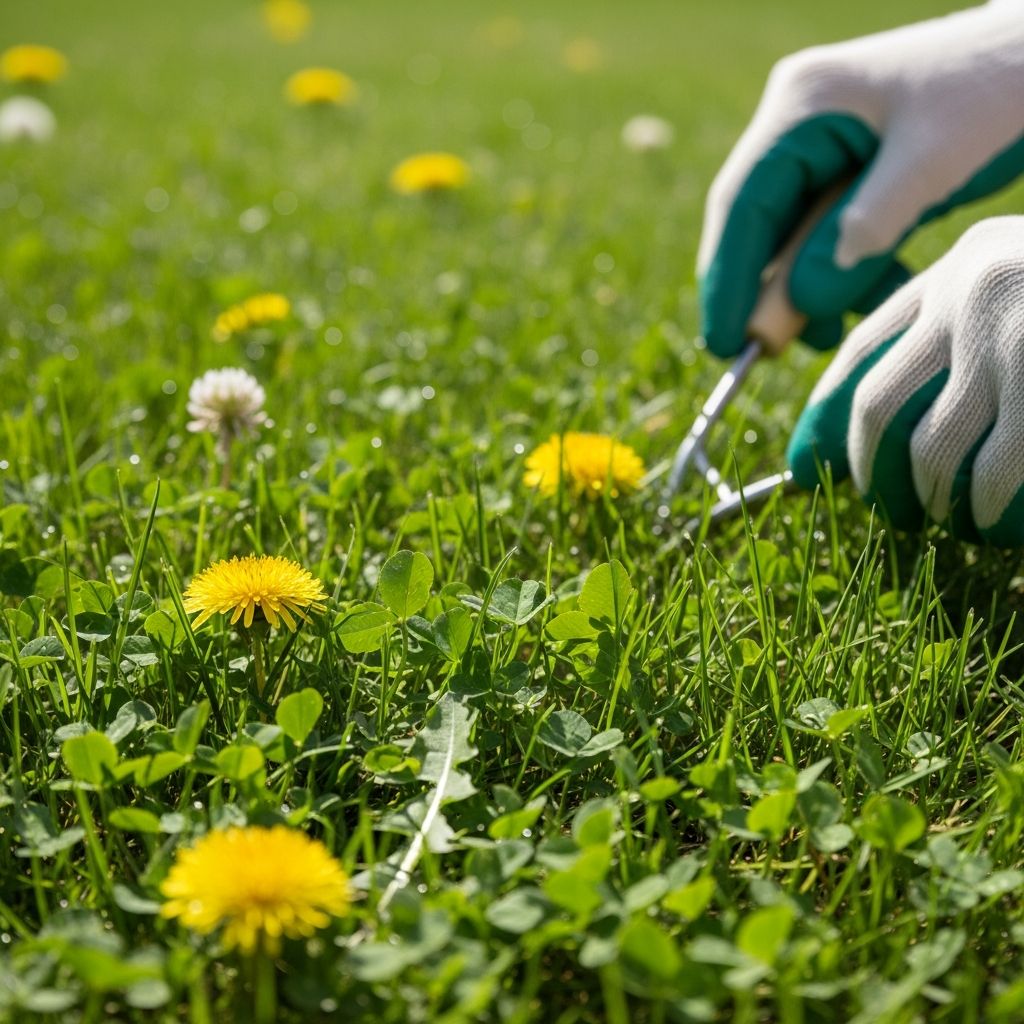
A lush, green lawn enhances any outdoor space, but weeds can quickly turn it into a battleground. Effective weed management combines preventive care, manual efforts, and selective treatments to favor grass growth over invasive plants. This guide explores comprehensive approaches to identify, eliminate, and prevent weeds while promoting a resilient turf.
Understanding Weed Types and Their Impact
Weeds compete with grass for sunlight, water, and nutrients, weakening your lawn’s overall health. Broadleaf weeds like dandelions and clover feature wide leaves and deep taproots, while grassy weeds such as crabgrass mimic turf but grow aggressively. Perennials return yearly via roots or rhizomes, whereas annuals complete their lifecycle in one season but produce abundant seeds.
Recognizing these invaders early allows targeted action. Grassy weeds often blend in, requiring close inspection, while broadleaves stand out with distinct flowers or leaves. Healthy grass naturally suppresses weeds by shading soil and outcompeting seedlings.
Building a Weed-Resistant Lawn Foundation
The cornerstone of weed control lies in robust lawn maintenance. A thick turf canopy blocks sunlight from weed seeds, preventing germination.
- Mowing Practices: Set mower height to 2.5-3.5 inches for most grasses to promote deep roots and shade soil. Frequent short cuts stress grass, inviting weeds.
- Watering Strategy: Deliver 1 inch weekly, deeply and infrequently, to encourage root depth. Shallow, frequent watering favors shallow-rooted weeds.
- Fertilization Timing: Apply balanced fertilizers in spring and fall to bolster grass vigor without excess that feeds weeds.
- Aeration and Dethatching: Core aerate annually to relieve compaction, allowing roots access to air and water. Remove thatch buildup over 0.5 inches to prevent weed havens.
These cultural methods create an environment where grass thrives, naturally curbing weed establishment.
Manual and Mechanical Weed Removal Techniques
For small infestations, hands-on methods offer precision without chemicals. Timing is key: pull after rain when soil is soft, ensuring entire root extraction.
| Method | Best For | Tools Needed | Tips |
|---|---|---|---|
| Hand-Pulling | Broadleaves, small areas | Gloves, weeding tool | Grasp at crown, twist and pull; moist soil aids removal. |
| Digging | Taprooted perennials | Dandelion digger, sickle | Insert tool beside root, leverage out; avoid deep disturbance. |
| Hoing | Annuals in beds | Push or Dutch hoe | Cut just below soil surface; do weekly. |
Regular vigilance prevents seed spread. Dispose of weeds in trash, not compost, to halt propagation.
Organic Approaches to Weed Suppression
Natural solutions appeal to eco-conscious homeowners, minimizing chemical use. These methods target weeds while sparing grass when applied carefully.
- Mulching and Barriers: In non-lawn areas, landscape fabric topped with 2-3 inches mulch blocks light. For lawns, corn gluten meal acts as pre-emergent, inhibiting root formation in germinating seeds.
- Vinegar Solutions: Horticultural vinegar (20-30% acetic acid) burns foliar tissue on contact. Spot-spray on young weeds; avoid grass. Wear protective gear as it irritates skin.
- Boiling Water: Pour 200°F+ water on weeds in cracks or gravel. Effective for annuals but repeated for perennials.
- Thickening Turf: Organic fertilizers promote dense growth, smothering weeds organically.
Organic herbicides like those with clove oil or citric acid provide contact kill but require reapplication.
Chemical Herbicide Strategies: Safe and Effective Use
When populations overwhelm, herbicides offer efficient control. Select based on weed type, growth stage, and lawn tolerance.
Pre-Emergent Herbicides: Prevent seed germination. Apply in early spring when soil hits 50-55°F, typically May 1-15 for crabgrass. Examples include prodiamine; water in after application.
Post-Emergent Options:
- Contact: Burn tops; best for young weeds. Nonselective, so shield grass.
- Systemic: Absorbed and translocated, killing roots. Selective broadleaf formulas (2,4-D, dicamba, MCPP) target dandelions without harming turf.
Spot-treat to minimize exposure. Avoid windy days; apply evenings. Follow labels strictly—new grass is vulnerable.
Seasonal Weed Management Calendar
Timing maximizes efficacy. Align treatments with weed cycles.
| Season | Actions | Focus Weeds |
|---|---|---|
| Early Spring | Pre-emergent application; aerate; fertilize | Crabgrass, annual grasses |
| Late Spring/Summer | Spot-treat; mow high; hand-pull | Broadleaves, emerging perennials |
| Fall | Post-emergent broadleaf; final fertilizer; remove large weeds | Perennials overwintering |
| Winter | Plan, sharpen tools; overseed thin areas | Prevention |
Fall treatments target roots as plants store energy.
Common Lawn Weeds and Targeted Controls
- Crabgrass: Pre-emergent in spring; hand-pull young plants.
- Dandelions: Selective broadleaf herbicide or dig deep taproot.
- Clover: Improve nitrogen via fertilization; spot systemic.
- Nutsedge: Specific herbicides like sulfosulfuron; pull tubers.
Preventing Weed Reinfestation Long-Term
Sustained success demands consistency. Overseed thin spots annually with suitable grass varieties. Monitor edges and bare soil—prime invasion points. Integrated Pest Management (IPM) balances methods, prioritizing cultural over chemical. Avoid overwatering, which compacts soil and fosters weeds.
Frequently Asked Questions (FAQs)
What’s the best height to mow my lawn to prevent weeds?
Mow at 2.5-3.5 inches to shade soil and strengthen grass.
Can I use vinegar on my entire lawn?
No, it’s nonselective and harms grass. Spot-apply only.
When should I apply pre-emergent herbicides?
Early spring, soil 50-55°F, before germination.
Is hand-weeding effective for large lawns?
Best for small areas; combine with cultural practices for scale.
Do organic methods work as well as chemicals?
They require more effort and repetition but are safer for environment and pets.
References
- How to Control Weeds in the Lawn and Garden — Lowe’s. 2023. https://www.lowes.com/n/how-to/control-weeds-lawn-garden
- How to Kill Weeds in Your Lawn Organically — The Home Depot Eco Actions. 2023. https://ecoactions.homedepot.com/blog/projects/how-to-kill-weeds-in-your-lawn-organically/
- Managing weeds in lawns — University of Minnesota Extension. 2024-04-01. https://extension.umn.edu/lawn-care/lawn-weeds
- Weed Control Tips: Prevent Lawn Weeds — ScottsMiracle-Gro. 2023. https://scottsmiraclegro.com/en-ca/tips-advice/weed-control-tips-prevent-lawn-weeds.html
- Managing Weeds in Lawns — University of Illinois Extension. 2023. https://extension.illinois.edu/lawns/managing-weeds-lawns
- Permanently Eliminate Weeds Without Breaking the Bank — YouTube (The Plant Doctor). 2023. https://www.youtube.com/watch?v=zL11yvVulws
Similar Articles





Read full bio of medha deb