Mastering Lime Plaster Application: A Complete Guide
Learn traditional lime plastering techniques for durable, breathable wall finishes.
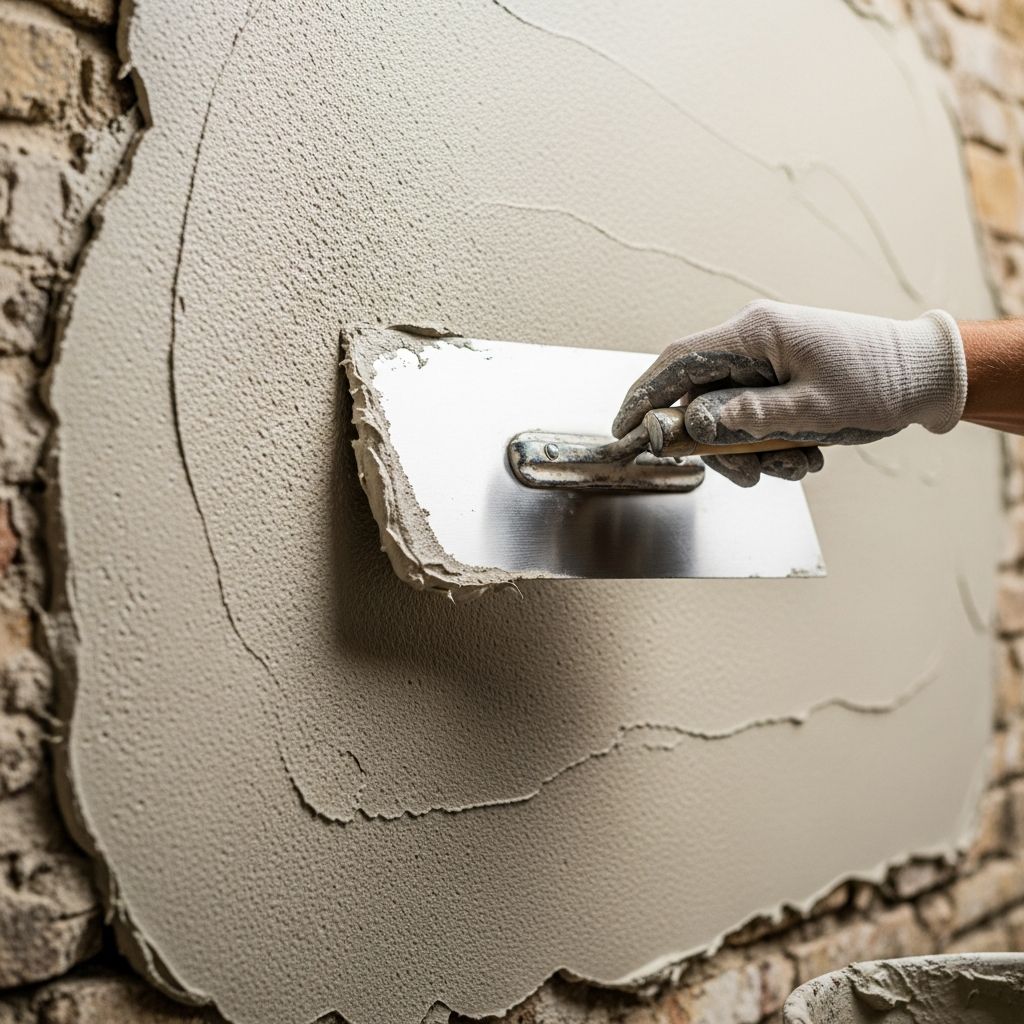
Lime plaster represents one of the most durable and environmentally friendly finishing solutions available for both interior and exterior wall surfaces. Unlike modern gypsum alternatives, lime-based plasters offer superior breathability, allowing moisture to pass through walls naturally while creating a finish that actually improves with age. Understanding the fundamentals of lime plastering—from initial preparation through final finishing—enables homeowners and professionals to achieve professional-quality results that will endure for decades.
Understanding Lime Plaster Composition and Properties
Lime plaster fundamentally differs from contemporary drywall compounds in both composition and performance characteristics. The material consists of three primary ingredients combined in specific proportions to create a workable paste suitable for wall application. The basic formula involves calcium oxide (commonly known as quicklime), which undergoes slaking—a chemical reaction with water that produces calcium hydroxide or slaked lime. This slaked lime then combines with fine aggregate sand and water to form the final plastering material.
The traditional ratio for basic lime plaster mixing follows a straightforward formula: one part lime to approximately two and a half parts sand, with water added gradually to achieve the desired consistency. However, the exact proportions can vary depending on whether the plaster will be used for base coats or finishing layers. Understanding this composition proves critical because the curing mechanism differs substantially from synthetic alternatives. Rather than setting through evaporation alone, lime plaster undergoes carbonation—a process where calcium hydroxide reacts with atmospheric carbon dioxide to form calcium carbonate, gradually hardening the material over weeks or even months.
This slower setting process offers distinct advantages for the applicator. Unlike gypsum plaster, which hardens rapidly and demands quick working speed, lime plaster provides extended working time, making it significantly more forgiving for both experienced plasterers and newcomers to the craft. The extended workability window allows for more precise application, better compaction, and superior bonding with the substrate.
Preparing Materials and Workspace
Successful lime plaster application begins long before the material touches a wall. Proper preparation of both ingredients and the work environment establishes the foundation for optimal results throughout the entire project.
Mixing Procedures and Safety Considerations
The mixing process requires careful attention to technique and safety protocols. When combining lime with water during slaking, the reaction generates significant heat. All materials must be thoroughly mixed in a dry state for approximately five minutes before introducing water gradually while continuing to blend. This approach prevents lumps and ensures uniform distribution of all components. The slow addition of water proves essential—pouring water too quickly or adding excessive amounts results in a paste prone to shrinkage and cracking once applied.
Safety demands particular emphasis during mixing operations. Raw lime compounds can cause chemical burns on exposed skin, necessitating the use of protective gloves, eye protection, and appropriate clothing. Many professionals recommend having mixing performed by experienced individuals familiar with lime’s chemical properties. Batch sizes should remain manageable—around fifty kilograms—to maintain consistency and prevent material waste, with multiple batches prepared in parallel using industrial-grade mixing equipment when handling larger projects.
Substrate Assessment and Preparation
Before any plaster contacts the wall surface, thorough inspection and preparation of the substrate determines success. All loose plaster, paint, dust, and debris must be removed to expose a clean, stable foundation. For walls constructed with timber laths, any damaged or deteriorated sections require repair or replacement to ensure they will support the plaster weight adequately.
Surface moisture conditions significantly influence plaster adhesion and drying behavior. The wall surface should be dampened with clean water using a fine mist just before plaster application—wet enough to be noticeably damp but not dripping wet. This moisture conditioning serves multiple critical functions: it prevents excessive suction that would draw water from the fresh plaster too rapidly, ensures proper bonding between the substrate and plaster, and reduces the risk of delamination or failure. Between successive coats, the same misting procedure applies, preventing premature drying of freshly applied layers.
The Three-Coat Application System
Professional lime plastering follows a proven three-coat methodology, with each layer serving distinct functions in building a durable, attractive finish. Understanding the purpose, composition, and application technique for each coat ensures systematic progression toward the finished surface.
Foundation Layer: The Scratch Coat
The scratch coat establishes the foundation for all subsequent layers, making its proper application particularly critical. This initial layer typically measures approximately ten millimeters thick and employs a relatively coarse aggregate mix designed for maximum mechanical bonding with the substrate. Whether plastering over lath, brick, or stone, the scratch coat must be pressed firmly into place to create solid contact with the underlying material.
Application technique emphasizes laying the material evenly across the entire surface while avoiding overworking, which can damage the developing bond. A common principle in professional practice holds that once applied, the scratch coat should be allowed to set with minimal disturbance. However, before full curing occurs, the surface requires texturing to create a mechanical key for the following coat. This texturing process involves using a scarifying tool—essentially a grid-patterned device—to deliberately tear up the plaster surface, creating thousands of tiny hooks that lock in the subsequent coat. Some practitioners also employ churn brushing before scarifying to compact the plaster and create additional surface texture. Setting time for scratch coats typically spans approximately ten days, though environmental conditions such as temperature and humidity can extend this duration.
Intermediate Layer: The Float Coat
Once the scratch coat has adequately cured, the float coat application begins. This intermediate layer, also called the brown coat, typically matches the scratch coat in thickness at approximately ten millimeters, though it can extend to fifteen millimeters for external applications. The float coat serves as the straightening and leveling layer, providing opportunity to correct any irregularities, undulations, or surface inconsistencies present in the scratch coat.
Unlike the scratch coat, the float coat often uses reduced or eliminated hair fiber content, particularly for interior applications. The finishing technique differs substantially as well—rather than scarifying, the float coat is worked with a plasterer’s float tool that compresses and smooths the surface while creating a light mechanical key suitable for receiving the finish coat. The float coat also requires approximately ten days to set before proceeding to the final layer.
Finish Layer: The Skim Coat
The skim coat or setting coat represents the visible finished surface that occupies the most prominent position in the final appearance of plastered walls. This final layer measures considerably thinner than preceding coats—approximately four millimeters—and employs a noticeably finer aggregate to create a smooth, decorative finish. The skim coat can incorporate various lime-to-sand ratios depending on desired characteristics, ranging from lime-rich formulations (1:1 ratio) to more economical lime-poor versions (1:3 ratio), with fine sand such as silver sand serving as the essential ingredient.
Because skim coats contain higher lime concentrations than preceding coats, they tend toward greater shrinkage during curing. Professional practice recommends allowing extended time before final troweling or sponge-back finishing to minimize surface disturbance. Setting time for skim coats typically requires approximately four days, substantially less than preceding coats due to reduced thickness.
Enhancing Performance Through Additives
While basic lime plaster performs admirably in many applications, strategic additives can enhance specific properties tailored to project requirements. These additions must be incorporated during the initial mixing process to ensure uniform distribution throughout the material.
Natural Hair Fibers: Adding animal hair (traditionally cow hair) to plaster mixes provides reinforcement that significantly reduces shrinkage cracking and improves overall structural integrity. Hair fibers create a three-dimensional reinforcing matrix that distributes stress throughout the plaster matrix, preventing large cracks from developing as the material cures.
Hydraulic Additives: For applications requiring accelerated setting, particularly when plastering over wooden laths, hydraulic additives such as GGBS (ground granulated blast furnace slag) at approximately ten percent concentration can provide faster initial set while maintaining the beneficial long-term curing characteristics of traditional lime. This proves especially valuable for lath applications where water absorption must be managed carefully.
Fiber Reinforcement: Modern applications sometimes incorporate synthetic fibers designed to provide similar reinforcement benefits as traditional hair while offering consistency and controlled distribution throughout the mix.
Protecting Lath Substrates
When plastering over wooden laths—a traditional substrate still employed in restoration and specialty projects—specific preparation procedures protect the material and ensure optimal plaster performance. Wooden laths possess significant water absorption capacity, which can compromise plaster adhesion if not properly managed.
The recommended protection protocol involves soaking lath materials in clean water for twenty-four to forty-eight hours prior to plaster application. This pre-saturation achieves two important objectives: it prevents the dry wood from aggressively drawing moisture from freshly applied plaster, which would cause rapid drying and weak bonding, and it ensures the plaster can achieve proper hydration and set correctly. During plaster application over prepared laths, the material must be pushed deliberately through the lath openings to create mechanical keys on the rear surface—small hooks of plaster that lock the material in place and prevent migration or separation.
Timeline Management and Environmental Considerations
Unlike rapid-setting gypsum compounds, lime plaster demands patience and respect for natural curing timelines. The complete process from scratch coat application through final finish typically spans four to six weeks depending on environmental conditions.
| Application Stage | Thickness | Typical Setting Time | Primary Function |
|---|---|---|---|
| Scratch Coat | 10mm | 10 days | Substrate bonding |
| Float Coat | 10-15mm | 10 days | Leveling and straightening |
| Skim Coat | 4mm | 4 days | Finished appearance |
Environmental conditions substantially influence curing rates. Temperature fluctuations, humidity levels, and air circulation all affect how quickly lime plaster carbonates and achieves full strength. Ideally, lime plaster should dry slowly over approximately two weeks, allowing thorough carbonation throughout the material depth. Rapid drying caused by excessive heat, low humidity, or strong air movement produces weak, brittle plaster susceptible to cracking and delamination.
Professional practice typically includes protective measures during curing, such as maintaining moderate temperature ranges and avoiding direct sunlight or strong drafts on newly plastered surfaces. In hot or very dry climates, misting the plaster lightly with water during the initial curing period can slow evaporation and promote more complete carbonation.
Achieving Professional Finish Quality
The distinction between adequate and exceptional lime plaster work often depends on finishing techniques applied once the skim coat has partially cured. Professional plasterers employ specific methods to control surface sheen and visual appearance.
Troweling, the most common finishing technique, involves working a clean steel trowel across the surface when the plaster reaches a specific moisture condition—typically when it appears mostly but not entirely dry. This compression and smoothing of the surface densifies the material while working down any surface irregularities. For higher gloss finishes, a clean stainless steel trowel containing no plaster residue can be drawn across the surface to polish and burnish the finish further.
Sponge-back finishing offers an alternative approach, particularly for achieving softer, less reflective surfaces. This technique involves dampening a natural sponge and gently working it across the cured surface to open and texture the finish while maintaining dimensional interest.
Frequently Asked Questions
How long does lime plaster take to fully cure?
While individual coats set within their prescribed timeframes, complete curing with full strength development typically requires several weeks. The carbonation process continues gradually, with lime plaster actually improving in strength over extended periods, sometimes for months.
Can lime plaster be applied over modern gypsum surfaces?
While possible, applying lime plaster over gypsum drywall presents adhesion challenges due to the smooth surface and different expansion characteristics. Proper substrate preparation with mechanical abrasion and primer systems improves bonding but represents a deviation from optimal practices.
What causes cracking in lime plaster?
Excessive water in the initial mix, too-rapid drying, excessive coat thickness, or failure to properly condition the substrate between coats represent the most common cracking causes. Overworking the material during application can also contribute to shrinkage problems.
Is lime plaster suitable for exterior applications?
Lime plaster performs exceptionally well on exterior surfaces, particularly in climates with moderate moisture levels. Its breathability and flexibility make it superior to rigid modern alternatives for historic structures and applications demanding moisture vapor transmission.
What maintenance does lime plaster require?
Well-applied lime plaster requires minimal maintenance. Periodic inspection for cracks or damage, gentle cleaning with soft brushing rather than pressure washing, and careful repair of any damaged areas help maintain the finish indefinitely.
References
- Basic Guide to Plastering with Lime (Mix, Lath & Finish) — YouTube Educational Video. 2024. https://www.youtube.com/watch?v=f6rFfrDZhBw
- Lime Plaster Guide: All Your Questions Answered — Ralph Plastering. 2024. https://ralphplastering.co.uk/lime-plaster-guide/
- Lime Plaster Guide: Everything You Need To Know — AB Drylining. 2024. https://abdrylining.com/lime-plaster-guide/
- Lime Plastering: Part 1 — Rosie and the Farm. 2024. https://www.rosieandthefarm.co.uk/blog/lime-plastering-part-1
- Limewash vs Lime Paint vs Lime Plaster – Which One? — Paper Moon Painting. 2024. https://papermoonpainting.com/limewash-vs-lime-paint-vs-lime-plaster/
- Lime Plaster: The Traditional & Historic Uses in Architecture — John Canning Co. 2024. https://johncanningco.com/lime-plaster-historic-use-and-technique/
Similar Articles



Read full bio of Sneha Tete