Mastering Linseed Oil Application
Unlock the timeless beauty of wood with expert techniques for applying linseed oil finishes that enhance grain and provide lasting protection.
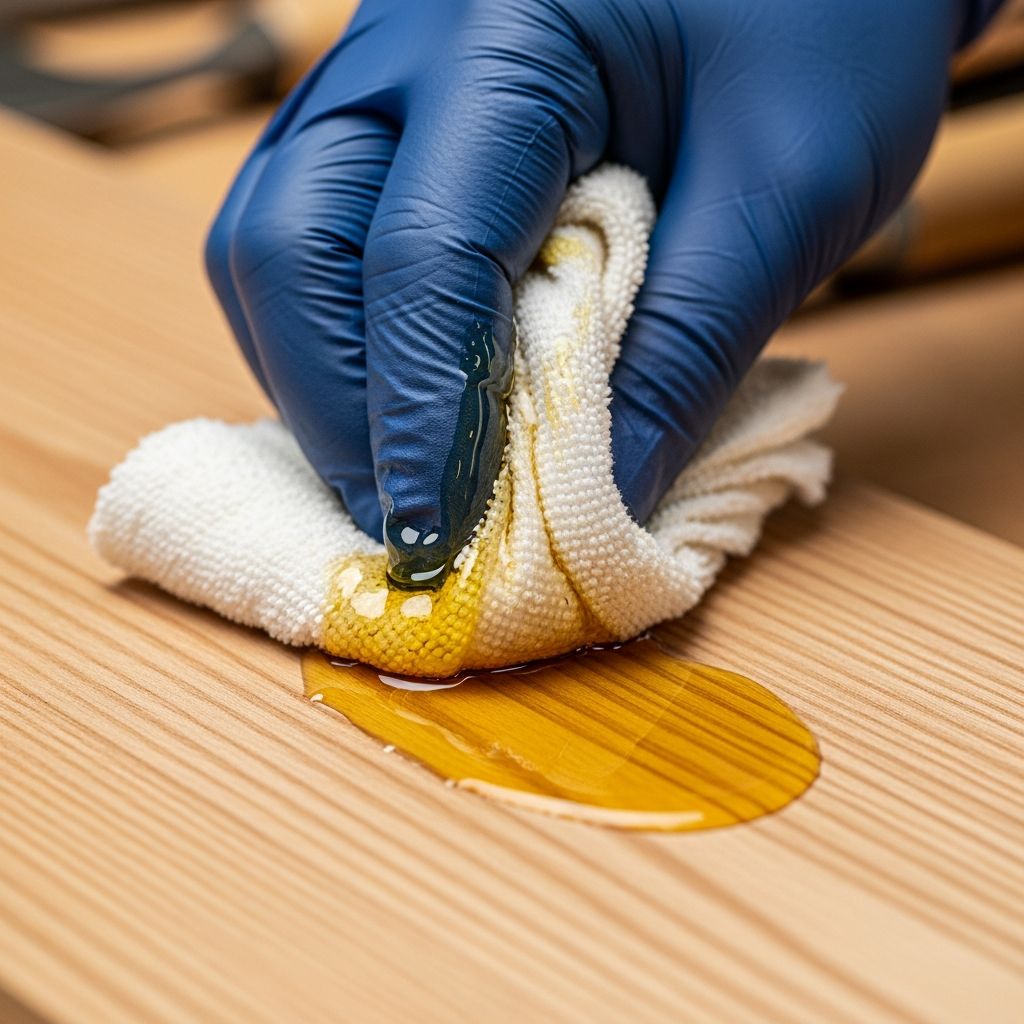
Linseed oil stands as a classic choice among woodworkers for bringing out the natural beauty of wood while offering reliable protection. Derived from flax seeds, this versatile finish penetrates deeply into the grain, creating a warm, satin-like appearance that synthetic alternatives often can’t match. Whether you’re reviving antique furniture, crafting custom cabinetry, or maintaining outdoor decking, proper application techniques ensure optimal results. This guide explores everything from material selection to advanced finishing strategies, drawing on time-tested practices refined over generations.
Understanding Linseed Oil Fundamentals
At its core, linseed oil is a drying oil that polymerizes upon exposure to air, forming a tough, flexible film on wood surfaces. Raw linseed oil, extracted directly from seeds, dries slowly—sometimes taking weeks—making it less practical for most projects. Boiled linseed oil (BLO), treated with heat or driers like metallic salts, accelerates this process to just a few days per coat. This version dominates modern woodworking due to its balance of penetration and manageable drying times.
Key benefits include deep grain enhancement, water resistance, and renewability without surface buildup. Unlike varnishes, it doesn’t crack or peel, adapting to wood’s natural expansion and contraction. However, it demands patience: multiple thin coats outperform a single heavy application, preventing tackiness or uneven sheen.
Choosing the Right Linseed Oil Type
Select based on project needs and environmental factors. Here’s a comparison:
| Type | Drying Time | Best Uses | Pros | Cons |
|---|---|---|---|---|
| Raw Linseed Oil | Days to weeks | Indoor furniture, fine art panels | Pure, no additives; maximum penetration | Very slow drying; dust attraction |
| Boiled Linseed Oil (BLO) | 12-48 hours per coat | Tools, furniture, outdoor wood | Fast drying; easy application | Contains driers; flammable rags |
| Polymerized Linseed Oil | Hours | Quick-turnaround projects | Ultra-fast; low odor | Less penetration; higher cost |
For most DIYers, BLO offers the sweet spot, as demonstrated in practical applications where it soaks evenly into porous woods like oak. Always verify labels for ‘boiled’ authenticity—some products mislead with raw oil.
Essential Tools and Materials
Gather these before starting:
- Lint-free cloths or rags (cotton T-shirts work well)
- Soft-bristle brush for tight areas
- Fine-grit sandpaper (220-400 grit)
- Mineral spirits or turpentine (for thinning/cleanup)
- Gloves and respirator mask
- Metal container for rag disposal
- Paste wax (optional topcoat for added sheen)
Invest in quality applicators to avoid lint or streaks. A dedicated oiling station—drop cloth over a stable workbench—keeps messes contained.
Surface Preparation: The Foundation of Success
A flawless finish begins with preparation. Start by removing old finishes via sanding or chemical strippers. Progress from coarse (80 grit) to fine (320+ grit), always along the grain to minimize scratches. Vacuum thoroughly, then wipe with a tack cloth or mineral spirits-dampened rag to banish dust.
Test absorption on scrap wood matching your project. Porous species like oak or teak drink up oil rapidly, while dense hardwoods like maple may need thinning. Raised grain after initial sanding? Lightly de-whisker with 400-grit before oiling. Proper prep ensures even penetration and reduces blotching risks.
Step-by-Step Application Guide
Follow this proven method for professional results:
- Environment Check: Work in 65-75°F (18-24°C) with low humidity. Good ventilation disperses fumes.
- First Coat: Dampen a cloth with BLO—avoid soaking. Rub in circular motions, following the grain, covering 2×2 ft sections. Let penetrate 15-30 minutes.
- Wipe Excess: Use a dry cloth to remove all surface oil. Glossy spots indicate surplus, leading to stickiness.
- Drying: Allow 24-48 hours. Touch-test: ready when non-tacky.
- Subsequent Coats: Repeat 2-4 times, lightly sanding (320 grit) between for smoothness. Each coat deepens color and protection.
- Final Buff: After 72 hours, buff with 0000 steel wool or cloth for satin luster.
For large surfaces, divide into zones to maintain wet edges. Thinning with 10-20% mineral spirits aids penetration on sealed or dense woods.
Advanced Techniques for Superior Results
Elevate your finish with these pro tips:
- BLO + Paste Wax Combo: After oil cures, apply beeswax-based paste wax. Buff vigorously for a hard, water-repellent sheen ideal for tabletops.
- Outdoor Enhancement: Mix 1:1 BLO with mineral spirits for decking; reapply annually.
- Grain Popping: On quartersawn oak, heavy initial applications highlight medullary rays dramatically.
- Topcoating: Seal with dewaxed shellac for added durability without yellowing.
Experiment on offcuts: white oak showcases dramatic contrasts, while cherry warms to a rich amber over coats.
Safety Precautions You Can’t Ignore
Linseed oil rags pose spontaneous combustion risk as oils oxidize, generating heat. Never crumple used rags—spread flat outdoors or soak in water, then seal in a metal bin. Dispose per local hazardous waste rules. Wear nitrile gloves; avoid skin contact with BLO driers. Use in ventilated spaces, especially with solvents.
Drying Times and Curing Realities
Expect 12-24 hours tack-free for BLO, full cure in 3-7 days per coat. Factors like humidity, thickness, and wood porosity influence this. Full strength develops over 30 days—avoid heavy use initially. Stack projects with spacers for airflow.
Common Mistakes and Fixes
Avoid these pitfalls:
- Over-Application: Leads to gummy surfaces. Fix: Wipe immediately, sand after partial dry.
- Poor Ventilation: Prolongs drying. Solution: Fans and open windows.
- Rushing Coats: Causes adhesion failure. Wait full cure times.
- Dust Contamination: Clean workspace rigorously.
Blotchy absorption? Sand back and re-prep uneven areas.
Maintenance for Longevity
Linseed finishes renew easily: clean with mild soap, re-oil annually or as sheen fades. For high-traffic spots, spot-sand and recoat. Outdoors, UV exposure fades color—refresh every 6-12 months.
Project-Specific Applications
Furniture: 3-5 coats for tabletops; wax topcoat.
Floors: Thin coats, 6+ applications; polyurethane overcoat optional.
Tools: Single heavy coat for handles; protects without slip.
Carvings: Brush into crevices, wipe meticulously.
Frequently Asked Questions (FAQs)
Can I apply linseed oil over stain?
Yes, after stain dries fully (24+ hours). Oil enhances without lifting most water-based stains.
How many coats are ideal?
3-5 for interiors; more for exteriors. Diminishing returns after saturation.
Is boiled linseed oil food-safe?
Pure versions yes after curing; avoid drier-heavy BLO on cutting boards—use raw or polymerized.
What if it takes forever to dry?
Increase heat/airflow; thin next coat. Raw oil? Switch to BLO.
Does it yellow over time?
Minimally; warms wood naturally, unlike polyurethanes.
Conclusion
Mastering linseed oil transforms ordinary wood into heirloom-quality pieces. Patience in thin applications yields unmatched depth and durability. Practice on scraps, prioritize safety, and enjoy the tactile satisfaction of hand-rubbed perfection.
References
- KingsFleet™ Boiled Linseed Oil Uses and Instructions — KingsFleet. Accessed 2026. https://kingsfleet.ca/pages/kingsfleet™-boiled-linseed-oil-uses-and-instructions
- How To Apply a Boiled Linseed Oil and Paste Wax Finish BLO — Wood By Wright (YouTube). Accessed 2026. https://www.youtube.com/watch?v=v3YHpH_ClyY
- How to Apply Linseed Oil Finish to Enhance Your Woodwork — Pine Tar World. Accessed 2026. https://pinetarworld.com/how-to-apply-linseed-oil-finish-to-enhance-your-woodwork/
- RE: Linseed Oil application – WOODWEB’s Finishing Forum — WOODWEB. 2017-03-21. https://woodweb.com/cgi-bin/forums/finishing.pl?read=807837
Similar Articles



Read full bio of Sneha Tete