Mastering MDF Painting Techniques
Unlock professional results when painting MDF with our detailed guide on preparation, priming, and finishing for durable, flawless surfaces.
Medium-density fiberboard (MDF) offers versatility for DIY projects like shelving, cabinetry, and decorative panels, but its porous nature demands specific painting methods to prevent uneven absorption and achieve a smooth finish. Proper preparation transforms raw MDF into a durable, attractive surface suitable for indoor use.
Understanding MDF and Painting Challenges
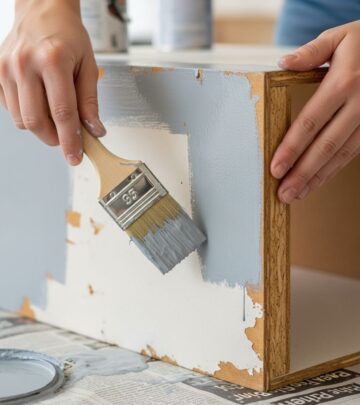
MDF consists of wood fibers bonded with resin under high pressure, creating a dense yet absorbent material. Its flat faces accept paint reasonably well, but edges act like sponges, soaking up moisture and leading to swelling or poor adhesion if not addressed. Without correct techniques, paint bubbles, cracks, or peels over time.
Key challenges include moisture sensitivity and dust attraction during sanding. Addressing these ensures longevity, especially in humid environments. Selecting compatible products prevents issues like grain raising from water-based applications.
Essential Tools and Materials
Gather these items before starting for efficiency:
- Sandpaper in grits 120, 220, and 400
- MDF sealer or PVA glue thinned with water
- Solvent-based or MDF-specific primer
- Oil-based or acrylic latex paint
- Quality brushes, foam rollers, and trays
- Tack cloths, vacuum, and lint-free rags
- Wood filler or joint compound for edges
- Paint thinner and drop cloths
Invest in high-quality applicators to minimize brush marks and ensure even coverage.
Initial Surface Preparation
Begin with a clean workspace to avoid contamination. Lay down drop cloths and wear a mask for dust control.
- Clean Thoroughly: Wipe MDF with a tack cloth or vacuum to remove manufacturing residue and dust. For stubborn particles, use a damp cloth followed by immediate drying.
- Light Sanding: Use 120-150 grit sandpaper on faces and 220 grit on edges to create a bonding surface without over-sanding, which exposes more fibers.
After sanding, vacuum thoroughly and wipe with a dry cloth. This step removes fine particles that could ruin subsequent layers.
Sealing Edges for Optimal Absorption
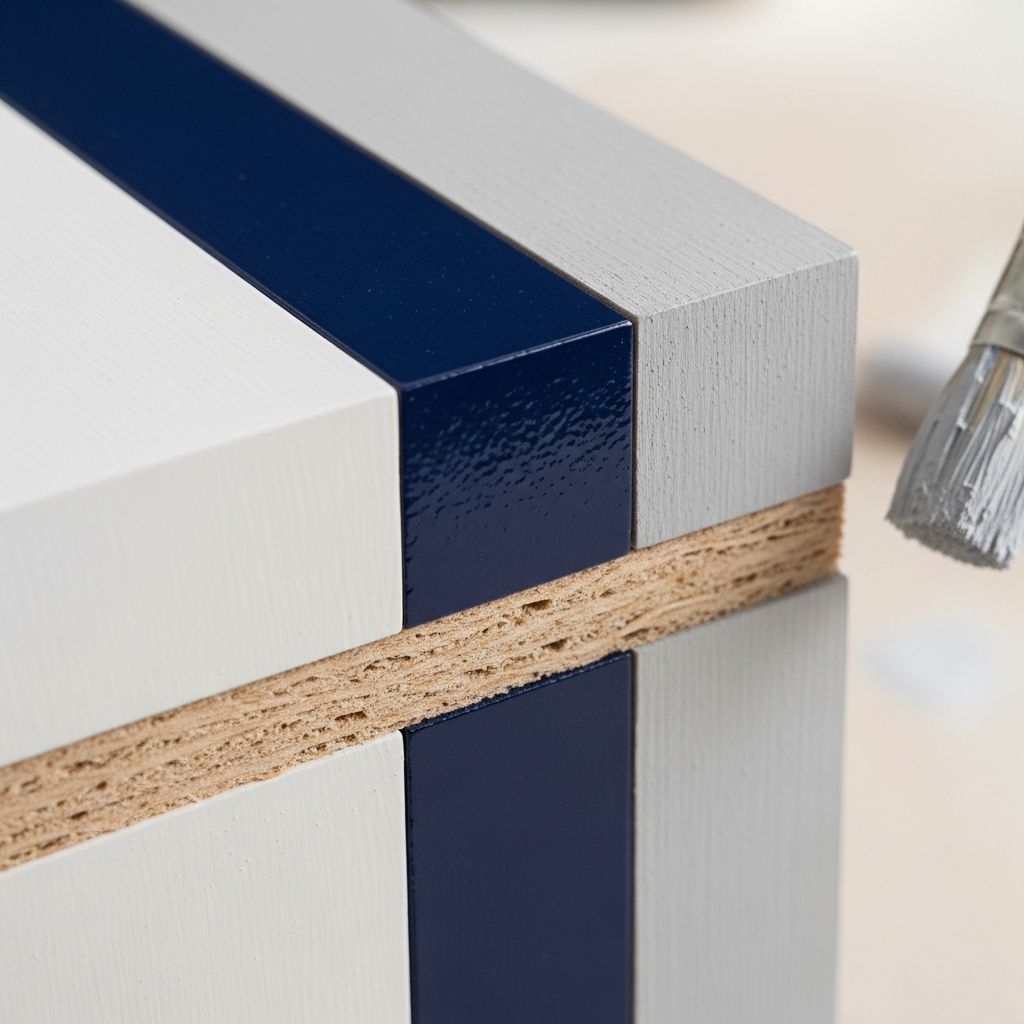
Edges require special attention due to high porosity. Apply a sealant to block excess paint uptake.
- Mix PVA glue with water (1:1 ratio) or use commercial MDF sealer.
- Brush on generously to all edges, allowing penetration.
- Dry for 1-2 hours, then sand smooth with 220 grit.
- Repeat for a second coat if edges remain rough.
Alternative: Fill minor imperfections with lightweight wood filler before sealing. Sand level once cured. Sealed edges mimic face smoothness, promoting uniform paint layers.
Applying Primer Layers Effectively
Primer seals the surface, reduces paint absorption, and builds a base for color. Opt for solvent-based primers compatible with oil paints or water-based for quick drying.
| Primer Type | Best For | Drying Time | Pros |
|---|---|---|---|
| Solvent-Based | High-durability projects | 4-6 hours | Superior edge sealing, less swelling |
| Water-Based MDF Primer | Indoor DIY | 1-2 hours | Low odor, easy cleanup |
| Shellac-Based | Quick seal | 30 minutes | Blocks stains, fast recoat |
Apply 2-3 thin coats with a brush on edges and roller on faces. Sand lightly (220-400 grit) between coats after full drying. Wipe dust meticulously before the next layer. Tinting primer to near-final color hides imperfections better.
Choosing and Applying Topcoat Paint
Select paint based on project demands. Oil-based offers toughness for cabinets; water-based suits crafts with easier application.
- Oil-Based: Durable, self-leveling; thin with mineral spirits if needed.
- Acrylic Latex: Quick-dry, low VOC; ideal for interiors.
- Spray Options: For ultra-smooth finishes, use HVLP sprayers after thinning per instructions.
Apply 2-3 thin coats: brush edges, roll faces. Dry 6-8 hours between coats, sanding lightly with 400 grit. Final “lay-off” strokes minimize marks.
Advanced Techniques for Professional Results
Elevate your finish with these pro tips:
- Foam Roller Method: Yields spray-like smoothness on large panels; overlap strokes evenly.
- Wood Glue Sealer: Thin 50/50 with water, apply two coats, sand to 220 grit before priming.
- Edge Filling: Use drywall compound on edges, sand progressively finer for glass-like results.
- Spraying: Mask surroundings; apply light passes for build-up without runs.
For cabinets, disassemble doors and hardware. Paint in controlled humidity (40-60%) to avoid blushing.
Finishing and Protective Topcoats
Seal paint with clear coats for added protection against wear and moisture.
- Satin or semi-gloss polyurethane: 2-3 coats, sand between.
- Wax for matte finishes: Buff after curing.
- Avoid over-application to prevent yellowing.
Allow 24-48 hours cure time before handling. Full hardness develops over 7 days.
Common Mistakes and Troubleshooting
Avoid pitfalls for superior outcomes:
| Mistake | Cause | Solution |
|---|---|---|
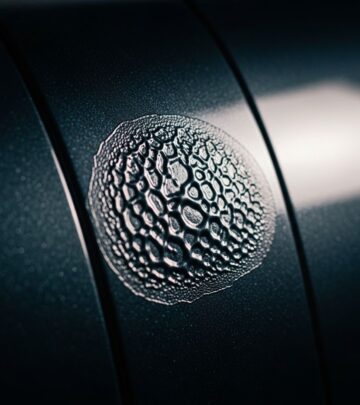
| Bubbling/Swelling | Water-based on unsealed edges | Switch to solvent primer; seal first |
| Brush Marks | Thick coats, poor tools | Thin paint, use quality rollers |
| Uneven Absorption | No primer | Multiple thin primer layers |
| Dust Nibs | Poor cleanup | Tack cloth between coats |
Inspect under bright light post-painting; spot-sand and recoat imperfections.
Safety and Workspace Best Practices
Prioritize health: Ventilate well for solvent fumes, use respirators, and gloves. Dispose of rags properly to prevent spontaneous combustion from oil paints. Work in moderate temperatures (60-80°F) for optimal curing.
Project Ideas and Applications
Painted MDF shines in:
- Kitchen cabinets: Durable oil finishes.
- Wall art: Creative acrylic layers.
- Shelving: Sealed edges for strength.
- Furniture: Spray for seamless looks.
Experiment with stencils or distressing post-painting for custom styles.
FAQs
Can I paint MDF without primer?
No, primer is essential to prevent absorption and ensure adhesion.
What’s the best paint for MDF furniture?
Oil-based for durability; acrylic for quick indoor projects.
How long does painted MDF take to cure?
Handle after 24 hours; full cure in 7 days.
Does MDF need edge sealing?
Yes, always seal edges to avoid swelling.
Can I use spray paint on MDF?
Yes, after priming; multiple light coats work best.
References
- Comprehensive Guide for Painting MDF Boards — VIR MDF. 2023. https://vir-mdf.com/comprehensive-guide-for-painting-mdf-boards.html
- What is the Best Way to Paint MDF? — Parts Express TechTalk. 2014-01-15. https://techtalk.parts-express.com/forum/tech-talk-forum/38826-what-is-the-best-way-to-paint-mdf
- How to Paint MDF: A Step by Step Guide — Cut My. 2023. https://www.cutmy.co.uk/ideas-advice/how-to-paint-mdf/
- How to Paint MDF Cabinets Like an Expert — BLUE Painting. 2023. https://bluepainting.com/how-to-paint-mdf-cabinets-like-an-expert/
- How to Prime and Paint MDF Properly for Beginners — CWorkshop. 2023. https://cworkshop.co.uk/how-to/how-to-prime-and-paint-mdf/
Similar Articles



Read full bio of Sneha Tete