Mexican Tile Shower Walls: A Step-By-Step DIY Guide
Transform your bathroom with vibrant Mexican tiles: complete DIY guide for stunning, durable shower surrounds that blend artistry and waterproof performance.
Mastering Mexican Tile Shower Walls
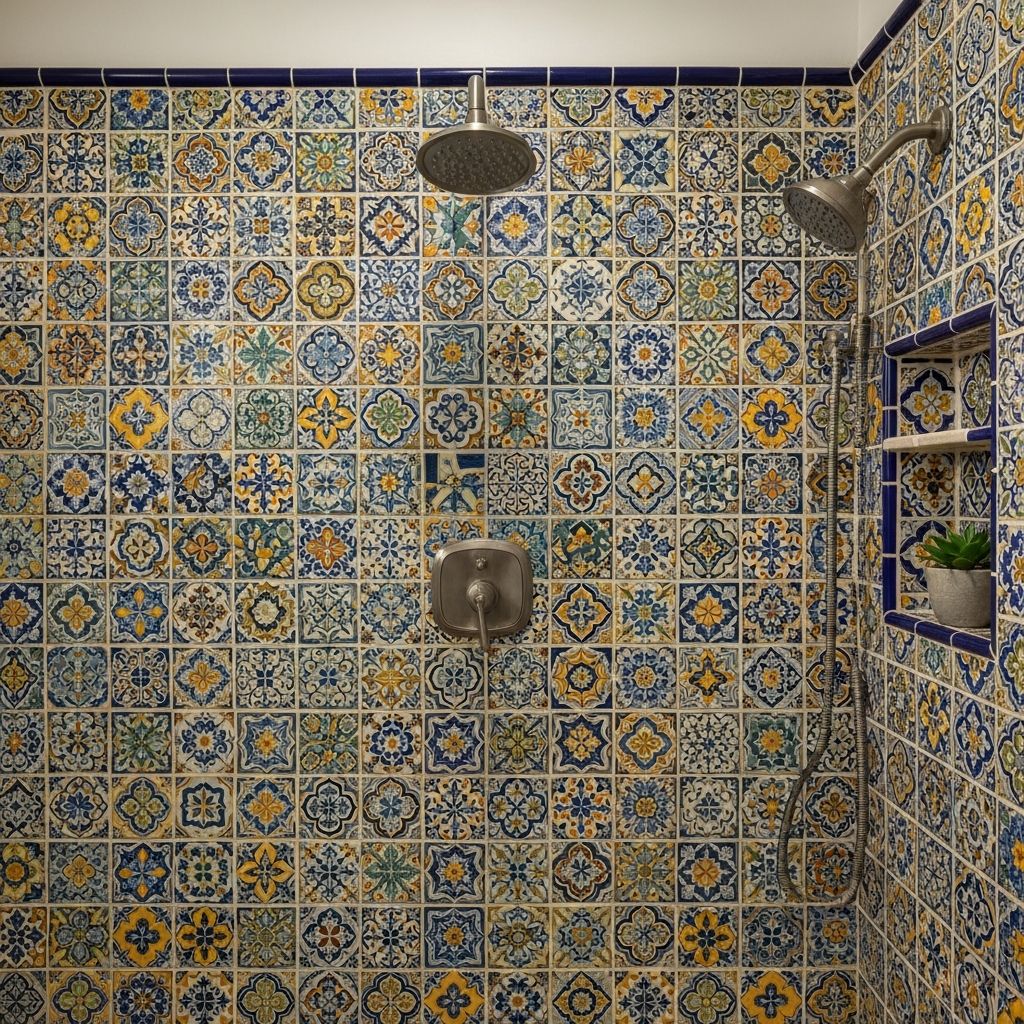
Handcrafted Mexican tiles bring unparalleled color, pattern, and texture to shower surrounds, turning ordinary bathrooms into artistic retreats. These tiles, often featuring Talavera-style glazes, demand careful installation to handle their irregular shapes and ensure water resistance in wet environments. This guide provides a comprehensive roadmap for DIY enthusiasts, drawing on proven methods to achieve professional results.
Why Choose Mexican Tiles for Your Shower?
Mexican tiles stand out for their vibrant hand-painted designs and rustic charm, originating from regions like Puebla where artisans have perfected glazing techniques for centuries. Unlike uniform porcelain or ceramic options, they offer unique variations that add personality to shower walls. However, their handmade nature means slight size differences and warps, requiring wider grout lines—typically 1/4 inch or more—for stability and aesthetics. In showers, this setup enhances slip resistance on floors while providing a moisture barrier when properly sealed.
Benefits include durability against daily water exposure, customizable patterns for focal walls, and value addition to your home. Challenges involve precise preparation to combat moisture infiltration, as tile alone doesn’t waterproof. With the right approach, your installation can withstand steam, splashes, and humidity for decades.
Essential Materials and Tools
Gathering quality supplies upfront prevents delays. Focus on products suited for wet areas and irregular tiles.
- Thinset mortar: Polymer-modified for better adhesion on cement board; avoid mastic in showers.
- Grout: Sanded for joints over 1/8 inch; unsanded for finer lines. Opt for water-resistant formulas with sealants.
- Backer board: Cement board (e.g., HardieBacker) for walls; greenboard for less exposed areas.
- Waterproofing membrane: Liquid-applied or sheet type to protect against leaks.
- Tile spacers: 1/4-inch for consistent gaps accommodating tile variances.
- Sealer: Penetrating type for tiles and grout; topical for added shine.
Tools checklist:
| Category | Items |
|---|---|
| Cutting | Wet saw with diamond blade, tile nippers |
| Spreading | 1/4-inch notched trowel, margin trowel |
| Layout | Carpenter’s level, chalk line, 4-foot straightedge |
| Finishing | Grout float, rubber sponge, mixing bucket |
| Safety | Gloves, knee pads, dust mask, safety glasses |
Preparing the Shower Surfaces
Success hinges on a flat, stable base. Start by removing old fixtures, tiles, or surrounds down to the studs. Inspect framing for plumb and level; shim if needed.
- Install backer board: Screw cement board to studs at 6-inch intervals using corrosion-resistant screws. Stagger seams and tape joints with alkali-resistant mesh and thinset.
- Waterproof everything: Apply a generous coat of waterproofing membrane over the backer board, seams, and shower pan. Multiple layers or fabric reinforcement boost protection—Director of Installation Martin Brookes stresses this prevents 90% of failures.
- Prime surfaces: Lightly dampen cement board before thinset application to prevent rapid moisture absorption.
Ensure walls are plumb using a 4-foot level. Any dips over 1/8 inch require leveling compound. For floors, slope the pan 1/4 inch per foot toward the drain.
Planning Your Layout for Symmetry
Irregular Mexican tiles require dry-laying to avoid tiny cuts at edges. Mark the center of each wall with intersecting plumb and level lines using a chalk snap line.
- Begin at the lowest point, typically above the pan lip.
- Dry-fit full tiles from center outward, adjusting the reference line so end pieces match in size (ideally over half-tile width).
- Account for fixtures: Measure and note cutouts for shower valve, head, and niches.
- Visualize patterns: Mexican tiles shine in asymmetrical layouts; mix sizes for borders or accents.
Pro tip: Photograph your dry layout for reference during installation. Plan 10-15% extra tiles for cuts and breakage.
Applying Adhesive and Setting Tiles
Mix thinset to a creamy consistency. Work in 3×3-foot sections to keep mortar workable.
- Spread thinset: Use the notched trowel flat-side first for a base layer, then comb ridges perpendicular to the wall. Coverage should be 80-100% on tile backs.
- Butter tiles: Apply thinset to the back of each Mexican tile, especially concave ones, with the trowel’s flat side. This ”back-buttering” counters warps.
- Position and press: Start at center lines. Twist and press firmly for full contact; tap with a rubber mallet. Check level frequently.
- Space evenly: Insert 1/4-inch spacers on all sides. Maintain 3-5mm gaps for grout.
- Cut as needed: Use a wet saw for straight lines; nippers for curves. Dampen cuts before setting.
Work top-to-bottom on walls to avoid mortar drips. Let cure 24-48 hours.
Grouting for Strength and Beauty
After curing, remove spacers. Mix sanded grout to peanut-butter thickness, adding waterproofing additive for showers.
- Force grout into joints at 45 degrees with a rubber float.
- Work small areas; clean excess with a damp sponge after 10-15 minutes.
- Haze removal: Buff with dry cloth after initial set; avoid over-wetting.
Choose grout color to contrast or complement tile glazes—white highlights patterns, gray mutes variances. Full cure takes 72 hours; avoid water exposure.
Sealing for Longevity
Sealing protects porous areas from stains and water. Apply penetrating sealer first to tiles and grout, wiping excess.
- Spray or brush on; let penetrate 5-10 minutes.
- Wipe off residue; apply 2-3 coats, waiting 1 hour between.
- For unglazed backs or edges, use a breathable formula.
Reapply annually in high-use showers. Test in inconspicuous spots first.
Common Pitfalls and Pro Tips
Avoid these errors:
- Skipping waterproofing: Leads to mold.
- Inadequate back-buttering: Causes lippage on warped tiles.
- Rushing grout clean-up: Results in stubborn haze.
- Wrong grout: Unsanded shrinks in wide joints.
Expert tips:
- Dampen substrates and tiles in dry climates for better thinset bond.
- Use edge-trim pieces for clean shower curb transitions.
- For floors, select smaller mosaics (3-inch or less) for traction.
Frequently Asked Questions (FAQs)
Can beginners install Mexican tile showers?
Yes, with patience and these steps. Practice on scrap first; hire pros for complex plumbing integration.
How wide should grout lines be?
1/4 inch minimum to accommodate irregularities; up to 3/8 inch for artistic effect.
Is cement board always necessary?
In showers, yes—for stability and moisture resistance over drywall.
How long until shower use?
72 hours post-grout; full strength in 7 days.
Do Mexican tiles need special cleaners?
Mild pH-neutral soap; avoid acids on glazes.
Final Thoughts on Your Stunning Upgrade
Installing Mexican tile shower walls rewards with a one-of-a-kind space that’s both functional and beautiful. By prioritizing prep, layout, and sealing, you’ll create a waterproof haven. Expect 1-2 weekends for a standard 32×60-inch surround. Enjoy the process—each tile tells a story!
References
- Mexican Tile Installation — Rustica House. Accessed 2026. https://www.myrustica.com/mexican-tile-installation/
- Step-by-Step Guide: How to Install Tile Shower — Fireclay Tile. Accessed 2026. https://www.fireclaytile.com/blog/full/step-by-step-guide-how-to-install-tile-shower
- How to Install Ceramic Tile — Mexican Tiles. Accessed 2026. https://www.mexicantiles.com/how-to-install-ceramic-tile.html
- Tile Installation — Estancia Tiles. Accessed 2026. https://estanciatiles.com/pages/tile-installation
- How to Install Mexican Tile — Ask the Builder (YouTube). Accessed 2026. https://www.youtube.com/watch?v=DheEw3FzSXI
Similar Articles



Read full bio of medha deb