Mastering Ombre Walls: DIY Guide
Transform any room with a stunning gradient paint effect using simple tools and techniques for beginners and pros alike.
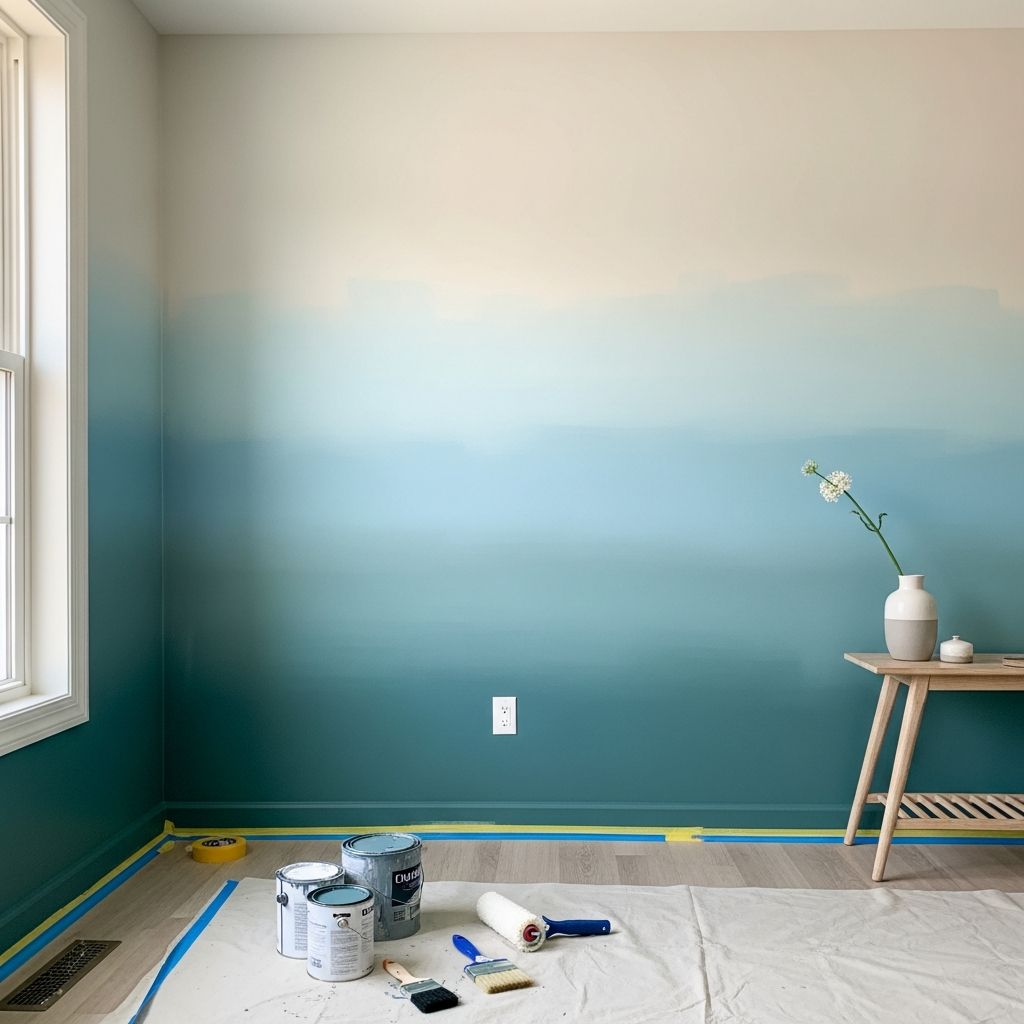
Create a captivating visual transition on your walls with the ombre technique, where colors seamlessly fade from one shade to another. This popular method adds depth and modernity to any space without requiring advanced skills.
Understanding the Ombre Effect
The ombre style mimics natural gradients found in sunsets or ocean waves, using paint to produce a soft blend. Typically applied vertically or horizontally, it enhances room ambiance by drawing the eye upward or creating focal points. Popular in bedrooms, living rooms, and feature walls, it pairs well with minimalist or bohemian decor.
Selecting Perfect Colors
Start with a cohesive palette. For subtle looks, choose adjacent shades from the same color family, like soft blues to navy. Dramatic effects come from complementary hues, such as pink to purple. Use paint strips from stores to visualize gradients.
- Monochromatic: Variations of one color (e.g., light gray to charcoal) for elegance.
- Analogous: Neighboring colors (e.g., teal to indigo) for harmony.
- Three-Plus Shades: Lightest at top, darkest at bottom, with intermediates for smoother transitions.
Test swatches on cardboard first. Consider lighting: warm bulbs enhance pastels, cool ones deepen jewel tones.
Gathering Essential Supplies
Stock up on quality tools for efficiency. Basic kits handle most projects.
| Item | Purpose | Tips |
|---|---|---|
| Paint (2-4 colors) | Main gradient | 2.5L per color; matte or eggshell finish |
| Rollers & trays | Broad coverage | Two large, one mini for edges |
| Brushes (various sizes) | Blending & details | Angled synthetic for wet blending |
| Painter’s tape | Sectioning | Low-tack to avoid peeling |
| Primer/sealer | Base prep | Tinted to lightest color |
| Tools: level, measuring tape, drop cloths, sandpaper | Precision & protection | Chalk line for marks |
Optional: sponges for texture, spray bottle for dilution. Budget $50-100 for a standard wall.
Prepping Your Surface
A smooth base ensures longevity. Clean walls with TSP solution to remove grease. Patch holes with spackle, sand flush, and wipe dust.
- Protect floors/furniture with drop cloths.
- Tape trim, ceilings, and adjacent walls.
- Prime dark surfaces with two coats of white or tinted primer; dry 24 hours.
For textured walls, use thick nap rollers. Ventilate well; paint in 60-80°F conditions.
Planning Your Design Layout
Measure wall height/width. Vertical ombre elongates spaces; horizontal widens them. Divide into 3-6 sections based on shades.
- Horizontal (top light/bottom dark): Calming, sky-like.
- Vertical: Dynamic, modern stripes.
- Mark lines: Use laser level or chalk snap-line at 1/3 intervals.
Sketch on paper: e.g., 8ft wall = top 3ft light, mid 3ft blend, bottom 2ft dark.
Applying the Base Coats
Work top-to-bottom or edge-to-center. Pour paints into trays.
- Roll lightest color on top section, feathering downward slightly.
- Apply darkest on bottom, overlapping mid slightly.
- Middle sections get mixed paints (e.g., 50/50 light/dark).
- Two coats if needed; dry 2-4 hours between.
Avoid tape for natural flow; imperfections blend out later.
Perfecting the Blend
The magic happens wet-on-wet. Reload brush with upper color above line, lower below.
- Criss-cross strokes: X-pattern feathers edges.
- Work 3-4ft sections to prevent drying.
- Dilute with water (10-20%) for softer transitions.
- Sponge technique: Damp sponge taps colors together for texture.
Step back frequently. Blend until seamless; touch up dry spots immediately.
Advanced Techniques for Pros
Elevate basics:
- Multi-Color Spectrum: Six shades for rainbow effects.
- Texture Add: Sea sponge or stippler for depth.
- Inverted Gradient: Dark top/light bottom for drama.
- Watered-Down: Latex + water mists for airy fades.
Test on scrap: Mix intermediates (1:1 ratios). For furniture, scale down with brushes.
Drying, Sealing, and Finishing
Allow 24-48 hours full cure. Lightly sand high-blend areas if streaky.
Apply clear sealer (matte/satin) for washability. Remove tape at 50% dry to avoid lines. Clean-up: Soap/water for latex.
Styling Your Ombre Wall
Complement with neutrals. Light top suits high ceilings; dark bottom grounds rooms.
- Bedroom: Lavender fade with whites.
- Office: Gray gradient, metallic accents.
- Pairings: Mirrors reflect blend; shelves break pattern subtly.
Frequently Asked Questions
What paint type works best for ombre?
Latex or acrylic in matte/eggshell; avoids gloss inconsistencies.
How long does ombre painting take?
4-8 hours active, plus drying. One wall: weekend project.
Can I do ombre on textured walls?
Yes, with thick rollers; blending hides minor imperfections.
Fixing blend mistakes?
Wet wipe-off or repaint section wet.
Cost for a full room?
$100-200 materials; cheaper than wallpaper.
Common Pitfalls to Avoid
- Rushing blends: Always wet-on-wet.
- Poor prep: Leads to peeling.
- Too few colors: Harsh lines; minimum three.
- Over-mixing: Test ratios first.
Practice on poster board. Start small for confidence.
References
- How to Paint an Ombre Wall – DIY Paint Ideas — Dulux. 2023. https://www.dulux.co.uk/en/articles/how-to-paint-an-ombre-wall
- How to Approach Ombre Painting the Right Way — Five Star Painting. 2023. https://www.fivestarpainting.com/blog/how-to-paint-an-ombre-wall/
- DIY Ombre Wall Paint — Instructables. 2023. https://www.instructables.com/DIY-Ombre-Wall-Paint/
- How to Create Ombre Paint Effect — Annie Sloan. 2023. https://www.anniesloan.com/techniques/creating-an-ombre-effect/
- Painting an Ombré Wall – Speedy Tutorial — YouTube (The Wood Spa). 2023. https://www.youtube.com/watch?v=FIOPr5NOIBU
Similar Articles



Read full bio of medha deb