Sago Palm Care: Complete Guide To Thriving Cycas Revoluta
Unlock the secrets to thriving sago palms with expert tips on light, water, soil, and troubleshooting for indoor and outdoor success.
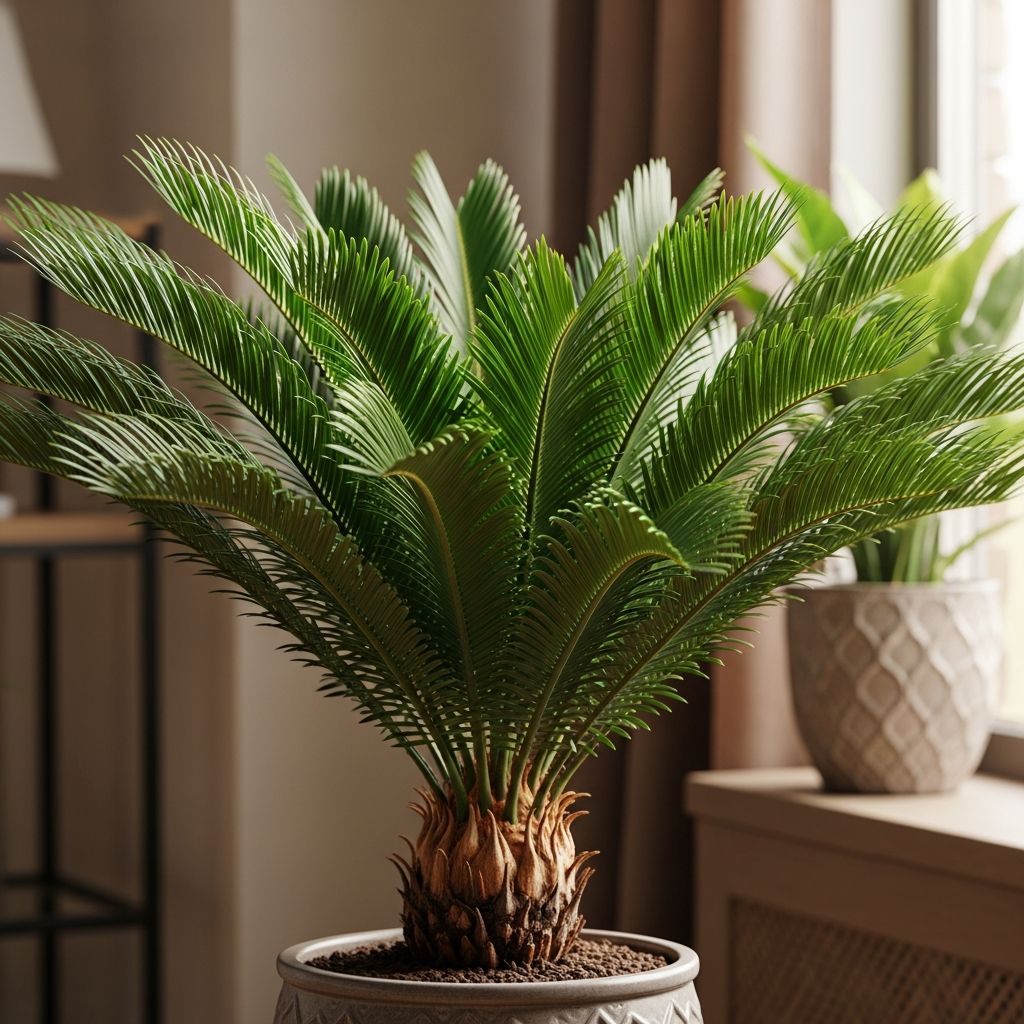
Mastering Sago Palm Care: Your Complete Guide to Thriving Cycas Revoluta
The sago palm, scientifically known as Cycas revoluta, brings a prehistoric elegance to gardens and homes alike. Despite its palm-like appearance, this plant belongs to the cycad family, not true palms, and originates from southern Japan where it grows in rocky, well-drained terrains. Renowned for its stiff, feathery fronds emerging from a stout trunk, it can reach heights of 3 to 10 feet over decades, making it a long-term companion for plant enthusiasts. Its slow growth rate means patience is key, but with proper attention, it rewards with a striking, low-maintenance presence that evokes tropical landscapes even in temperate settings.
Ideal Growing Conditions for Sago Palms
To mimic its native habitat, sago palms demand specific environmental factors. They flourish in warm conditions, preferring daytime temperatures between 65°F and 80°F (18°C to 27°C), with tolerance for slight drops at night but vulnerability to frost. Protect outdoor specimens by bringing them inside during winter in cooler climates or using frost cloths. Indoors, position away from drafty windows, air conditioners, or heating vents to prevent stress-induced leaf drop or discoloration.
Humidity plays a supporting role; average household levels suffice, but in arid environments, elevate moisture through pebble trays filled with water (ensuring the pot doesn’t sit directly in it) or occasional misting with room-temperature water. This prevents tip browning on fronds while avoiding excess moisture that invites fungal issues.
Optimal Lighting for Lush Frond Development
Bright, indirect light is the cornerstone of sago palm vitality. Place near east- or west-facing windows where morning or late afternoon sun filters through sheer curtains. They endure lower light but may stretch leggily or drop leaves; conversely, intense midday direct sun scorches tender fronds, causing yellowing or crispy edges. For indoor growers in dim spaces, supplement with full-spectrum grow lights positioned 12-18 inches above the plant for 12-14 hours daily.
Outdoors, select partial shade spots under tree canopies or pergolas. Acclimatize gradually to brighter conditions to toughen foliage. Monitor for signs of light imbalance: pale, elongated fronds signal insufficient brightness, while bleached or spotted leaves indicate excess.
Watering Techniques to Prevent Root Rot
Sago palms embody drought tolerance, thriving when soil dries fully between waterings—a critical defense against root rot, their primary killer. Test moisture by inserting a finger two inches into the soil; water only when bone-dry. Deliver deep, thorough soakings until water exits drainage holes, then allow full drainage. In spring and summer growth phases, this might occur every 1-2 weeks; reduce to monthly in fall and winter dormancy.
- Frequency Adjustment: Increase slightly during active growth or heatwaves, but always prioritize drying cycles.
- Pot Selection: Opt for containers with ample drainage holes; terracotta pots excel by wicking excess moisture.
- Overwatering Red Flags: Soggy soil, blackened trunk base, or yellowing lower fronds demand immediate soil drying and root inspection.
Underwatering manifests as wilting or dry, curling fronds—revive with prompt, moderated hydration. Rainwater or distilled options suit sensitive roots better than tap water heavy in minerals.
Selecting and Maintaining the Perfect Soil Mix
Well-draining soil is non-negotiable to avert waterlogging. Commercial cactus or palm mixes work well; enhance standard potting soil by blending 1:1:1 with perlite, coarse sand, and peat-free compost. This airy composition ensures oxygen reaches roots while swiftly shedding excess water.
| Soil Component | Proportion | Benefit |
|---|---|---|
| Potting Soil | 1 part | Nutrient base |
| Perlite/Sand | 1-2 parts | Drainage and aeration |
| Organic Compost | 1 part | Microbial health |
Repot every 2-3 years or when roots circle the pot base. Spring is ideal; trim dead roots, refresh with new mix, and upscale pot size modestly to avoid overwhelming the root system.
Fertilization Strategies for Steady Growth
Minimalist feeders, sago palms benefit from balanced, diluted liquid fertilizers (e.g., 18-8-18 NPK) applied monthly from spring through early fall. Slow-release granules offer convenience, scattered on soil surface per package rates. Overfeeding causes salt buildup, yellow tips, and stunted growth—flush soil monthly with copious plain water to mitigate.
- Dilute to half-strength for young plants.
- Skip winter applications during dormancy.
- Microbe-enriched formulas bolster root vigor.
Pruning and Maintenance Practices
Pruning is light: excise only fully browned or dead fronds at their base using sterilized shears. Retain yellowing ones, as they photosynthesize until fully spent. Wear thick gloves—the sharp, needle-like leaflets slice skin easily. Remove fallen debris promptly to deter pests.
Clean fronds monthly with a damp cloth to remove dust, enhancing light absorption. For multi-headed specimens, thin crowded offsets sparingly to improve air circulation.
Propagation Methods for Expanding Your Collection
Seed propagation is viable but slow (2-3 years to maturity); offsets (pups) from mature trunks offer quicker results. In spring:
- Unpot and expose basal offshoots.
- Sever cleanly from trunk with a sharp knife, retaining roots.
- Air-dry cuts 1-2 days to callus.
- Plant in small pots with damp, gritty mix; provide bright shade.
- Water sparingly until rooted (4-8 weeks).
Maintain 70-80°F and high humidity via plastic covers for success rates above 80%.
Pest Management and Disease Prevention
Scale insects and mealybugs pose chief threats, appearing as white cottony masses or waxy bumps on fronds or trunk. Isolate affected plants; treat with insecticidal soap or neem oil sprays, repeating weekly. Mealybugs favor undersides—blast with water first.
Fungal root rot from Phytophthora species stems from soggy conditions; salvage by trimming rot, applying fungicide, and repotting in sterile mix. Prevent with vigilant watering and airflow.
Indoor vs. Outdoor Cultivation Tips
Indoors: Ideal for year-round stability; rotate quarterly for even growth. Elevate on stands for root breathing room.
Outdoors: USDA zones 9-11 suit permanent planting; mulch bases for insulation. Harden off before summer exposure.
Understanding Sago Palm Toxicity
All components—seeds, fronds, trunk—are highly poisonous, containing cycasin, which causes liver failure in pets and gastrointestinal distress in humans. Store seeds (orange, nut-like) inaccessible; educate household members. Seek veterinary aid immediately post-ingestion.
Troubleshooting Common Sago Palm Issues
| Symptom | Likely Cause | Solution |
|---|---|---|
| Yellowing fronds | Overwatering or nutrient excess | Dry soil; flush salts |
| Brown tips | Low humidity or fluoride | Mist; use filtered water |
| Wilting | Underwatering | Deep soak, then dry cycle |
| Leaf drop | Insufficient light | Increase brightness gradually |
| Pest infestation | Scale/mealybugs | Soap spray; isolate |
Frequently Asked Questions (FAQs)
Can sago palms grow in low light?
They tolerate it but grow sparsely; aim for bright indirect light for best form and health.
How often should I repot a sago palm?
Every 2-5 years or when root-bound; refresh soil annually if staying put.
Are sago palms pet-safe?
No, extremely toxic—keep elevated and monitor pets closely.
Why is my sago palm trunk turning black?
Often overwatering; inspect roots and adjust to drier regimen.
Do sago palms produce flowers?
Rarely indoors; mature outdoor males cone, females produce bright red seeds.
References
- How to Care for a Sago Palm — The Sill. 2023-06-15. https://www.thesill.com/blogs/plants-101/how-to-care-for-a-sago-palm
- How to Grow and Care for a Sago Palm — Atlanta Palms. 2024-02-10. https://atlantapalms.com/blogs/blog/grow-and-care-for-sago-palm
- How to Grow and Care for Sago Palm — YouTube (Epic Gardening). 2022-05-20. https://www.youtube.com/watch?v=SyugCbZ5GXw
- Sago Palm: Growing & Caring for Cycas revoluta — Plantura Garden. 2024-11-05. https://plantura.garden/uk/houseplants/sago-palm/sago-palm-overview
- Sago Palm Care Guide — Bloomscape. 2023-09-12. https://bloomscape.com/plant-care-guide/sago-palm/
- Sago Palm Plant Care — Soltech Solutions. 2024-03-28. https://soltech.com/products/sago-palm-care
Similar Articles








Read full bio of Sneha Tete