Mastering Snake Plant Propagation Techniques
Unlock the secrets to effortlessly multiply your snake plants using proven methods for lush, thriving indoor greenery.
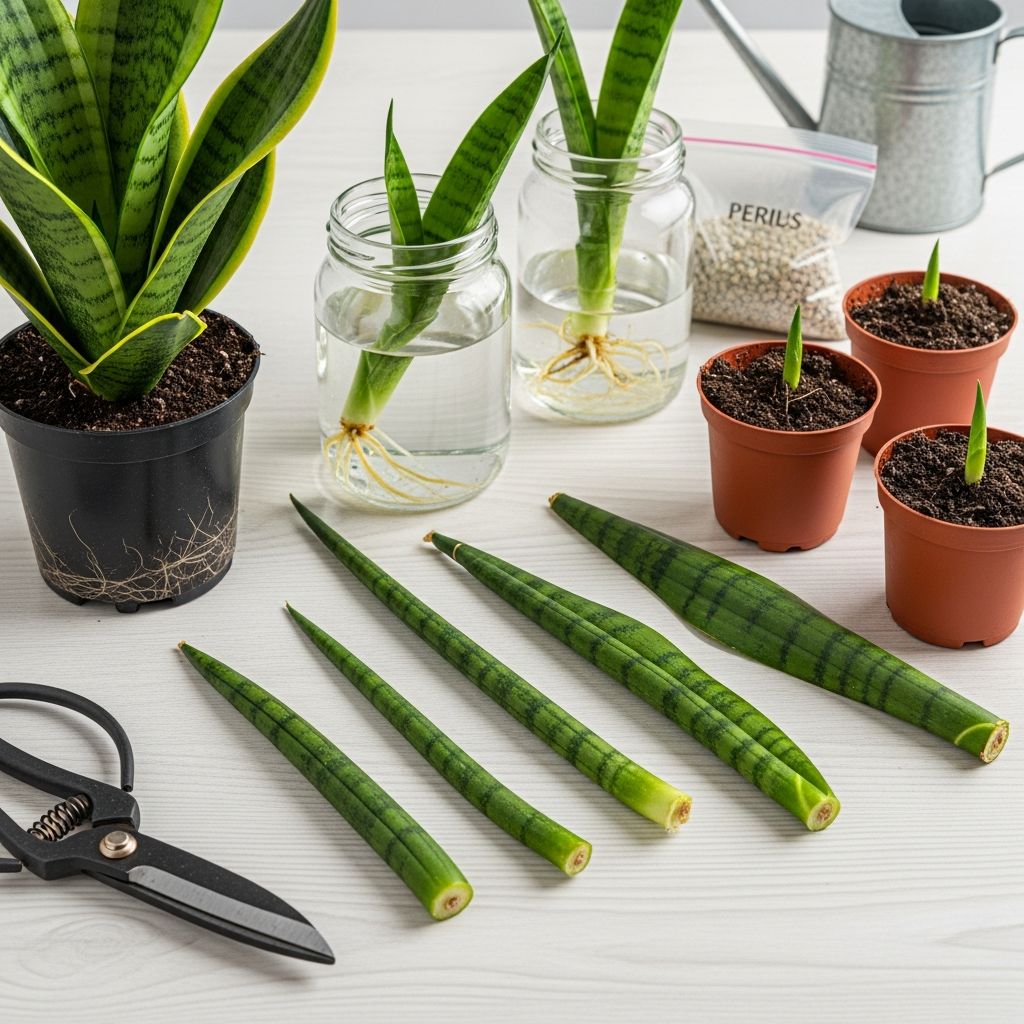
Snake plants, known scientifically as Sansevieria or Dracaena trifasciata, stand out as one of the most resilient and popular houseplants. Their upright, sword-like leaves and low-maintenance nature make them ideal for beginners and seasoned gardeners. Propagating these plants allows you to expand your collection without cost, share with friends, or rejuvenate mature specimens. This guide explores multiple reliable techniques, drawing from established horticultural practices to ensure high success rates.
Why Propagate Snake Plants?
Propagation rejuvenates overgrown plants, creates backups against pests or diseases, and fills your space with more greenery. These plants thrive in various conditions, tolerating low light and infrequent watering, which translates to forgiving propagation processes. Healthy mother plants yield robust offspring, promoting faster rooting and growth. Common motivations include preserving rare varieties, experimenting with arrangements, or simply enjoying the satisfaction of new growth.
- Cost-effective expansion: Produce multiples from one plant.
- Plant health boost: Dividing crowded roots prevents decline.
- Variety preservation: Especially crucial for variegated types.
Essential Preparations Before Starting
Success begins with selection and tools. Choose a mature, healthy snake plant with vibrant leaves and no signs of rot or pests. Use clean, sharp tools like pruning shears or a knife to avoid infection. Well-draining soil mixes, such as those with perlite or cactus blends, mimic their native arid environments. Indirect bright light and temperatures between 65-85°F (18-29°C) optimize rooting.
| Item | Purpose | Tips |
|---|---|---|
| Sharp knife or shears | Clean cuts | Sterilize with alcohol |
| Well-draining soil | Prevent rot | Mix 50% potting soil, 50% perlite |
| Clear glass jars | Water method | For root observation |
| Propagation mat (optional) | Speed rooting | Maintains soil warmth |
Method 1: Water Propagation for Visible Roots
This beginner-friendly approach lets you watch roots develop, building excitement as progress unfolds. It’s ideal for single leaves and suits small spaces.
- Select a healthy, mature leaf from the plant’s base.
- Cut cleanly near the soil line, aiming for 4-6 inches long.
- Place the cut end in a jar of room-temperature water, submerging 1-2 inches.
- Position in bright, indirect light; refresh water weekly to deter bacteria.
- Roots emerge in 3-8 weeks; transfer to soil once 1-2 inches long.
Pros: Engaging visuals, minimal setup.
Cons: Risk of slime buildup; variegation may fade in offspring.
Monitor for fuzzy slime, a natural occurrence that diminishes with root growth. Change water diligently to maintain oxygen levels.
Method 2: Direct Soil Propagation
Skip the water transition by rooting straight in soil, acclimating cuttings to their final medium from day one. This method yields sturdier plants faster in some cases.
- Cut a leaf into 2-4 inch sections, ensuring the base (bottom end) is marked.
- Allow cuts to callus for 2-7 days in a shaded, airy spot until dry and sealed.
- Insert callused ends 1 inch deep into moist, gritty soil mix.
- Water sparingly, letting the top inch dry between sessions.
- New plantlets form at the base in 1-3 months under warm conditions.
Callusing prevents rot by forming a protective layer. A heat mat accelerates this by 20-50%. Patience is key, as soil hides progress unlike water.
Method 3: Division of the Mother Plant
Perfect for mature, pot-bound plants, division separates natural offsets or crowns, yielding instant mature sections with roots intact.
- Gently remove the plant from its pot, shaking off excess soil.
- Identify clumps with at least 2-3 leaves and rhizomes (underground stems).
- Use a sterile knife to divide the root ball into sections.
- Repot each into fresh, well-draining soil; water lightly.
- Place in indirect light; resume normal care after a week.
This fastest method preserves variegation and minimizes shock. Each division acts as a ready-to-grow plant. Avoid over-dividing young plants.
Method 4: Rhizome Cuttings for Advanced Multiplication
Rhizomes, the horizontal stems below soil, produce pups efficiently. This targets underground growth for quick offsets without full division.
- Unpot the plant and expose rhizomes near roots.
- Cut a 2-inch rhizome section with some roots or a pup.
- Let it callus 1-2 days to seal wounds.
- Plant in moist soil, burying halfway.
- Maintain humidity and warmth; shoots appear in weeks.
Pros: Rapid results, variegation retention.
Cons: Requires careful excavation.
Suitable for larger specimens, this preserves the parent while harvesting multiples.
Comparing Propagation Methods
| Method | Time to Roots | Success Rate | Best For |
|---|---|---|---|
| Water | 3-8 weeks | High | Beginners, observation |
| Soil | 4-12 weeks | Medium-High | Direct planting |
| Division | Immediate | Very High | Mature plants |
| Rhizome | 2-6 weeks | High | Variegated varieties |
Troubleshooting Common Issues
- No roots forming: Increase light/warmth; check for rot.
- Rotting cuttings: Improve drainage/airflow; callus longer.
- Variegation loss: Use division/rhizomes for patterned types.
- Slow growth: Use propagation mats; avoid cold drafts.
Overwatering tops the pitfalls list. Err dry—snake plants hail from dry regions.
Aftercare for New Plants
Once rooted, treat as mature: water every 2-4 weeks, bright indirect light. Fertilize sparingly in spring/summer with diluted cactus food. Repot yearly into larger containers as roots fill space. Watch for spider mites or mealybugs, treating with neem oil.
Special Considerations for Varieties
Variegated snake plants like ‘Moonshine’ or ‘Laurentii’ risk solid green pups from leaf cuttings. Opt for division to clone patterns faithfully. Compact types like ‘Hahnii’ propagate similarly but produce smaller offsets.
Frequently Asked Questions (FAQs)
What is the easiest propagation method?
Division offers the quickest results with established plants, requiring minimal waiting.
Can I propagate in winter?
Yes, but slower; provide extra warmth and light to compensate for dormancy.
How long until new plants mature?
Leaf methods take 6-12 months; division yields mature looks immediately.
Is seed propagation viable?
Rarely practical due to erratic flowering and slow germination.
Why do cuttings revert to green?
Genetic sorting; leaf propagation favors dominant green traits.
Enhancing Your Indoor Jungle
Mastering these techniques transforms one snake plant into many, enhancing air quality and aesthetics. Experiment across methods for variety. Share successes in communities for tips tailored to your setup.
References
- How To Propagate Snake Plant: 4 Sure-Fire Methods (Steps + FAQs) — Rosy Soil. 2023. https://rosysoil.com/blogs/news/how-to-propagate-snake-plant
- Snake Plant Propagation Methods — House Plant House. 2021-01-30. https://houseplanthouse.com/2021/01/30/snake-plant-propagation-methods/
- 5 Fun Sansevieria Propagation Methods (Snake Plant) — Ohio Tropics. 2021-12-13. https://www.ohiotropics.com/2021/12/13/sansevieria-propagation-methods/
Similar Articles








Read full bio of Sneha Tete