Mastering Stair Staining: Complete DIY Guide
Transform worn stairs into stunning focal points with expert staining techniques, from prep to no-sand shortcuts for lasting beauty.
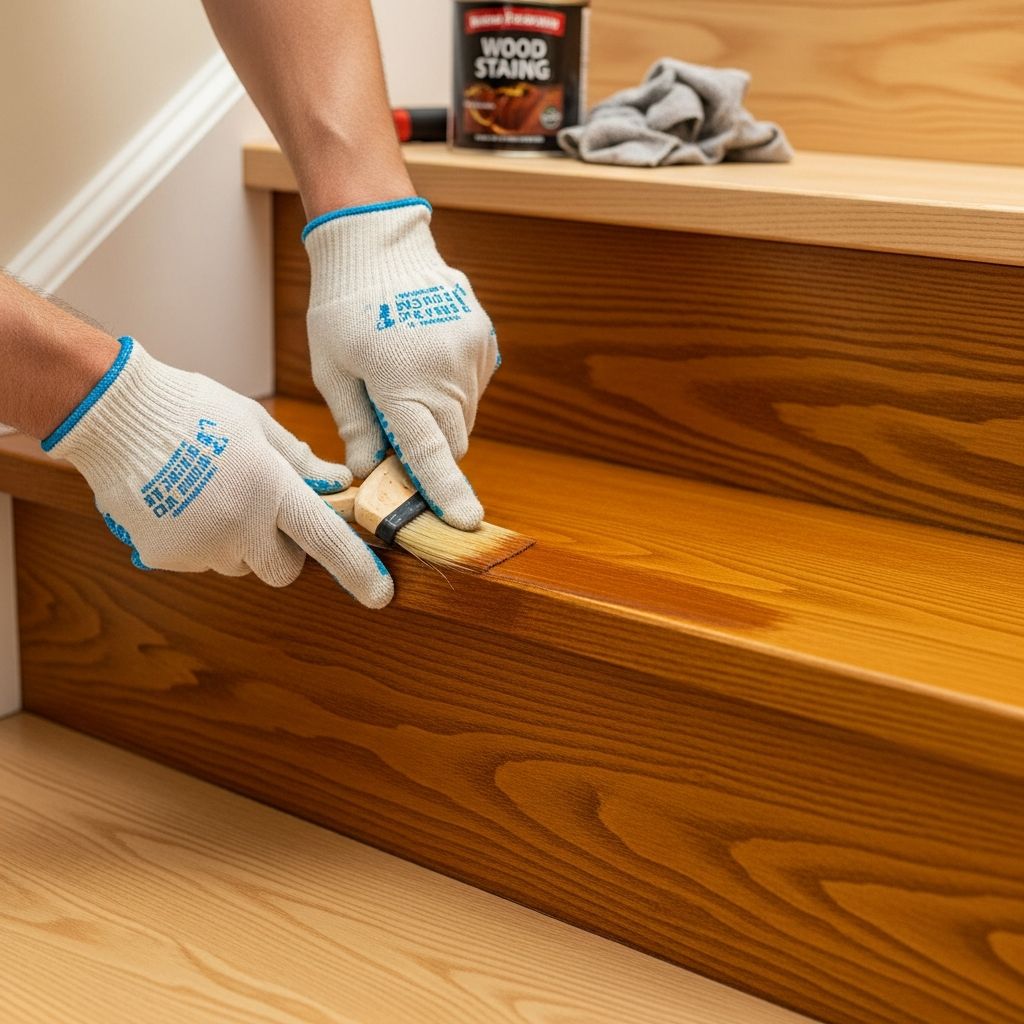
Staining your stairs can dramatically refresh your home’s interior, turning a functional element into a stylish centerpiece. Whether dealing with worn oak treads or outdated finishes, proper techniques ensure durability and aesthetic appeal. This guide explores traditional and modern methods, emphasizing safety, efficiency, and professional outcomes.
Why Refinish Your Stairs?
Stairs endure heavy foot traffic, leading to scratches, fading, and wear over time. Refinishing not only restores their look but also protects the wood from further damage. Homeowners often choose staining for its ability to enhance natural grain while adding color depth. Unlike painting, staining penetrates the wood, offering longevity with minimal upkeep.
Benefits include increased property value, improved safety through non-slip surfaces when sealed properly, and customization to match decor trends like rustic grays or warm walnuts.
Assessing Your Stairs Before Starting
Begin by evaluating stair condition. Inspect treads, risers, railings, and balusters for damage. Note wood type—oak absorbs stain unevenly, while maple requires preconditioning. Check for carpet remnants, protruding fasteners, or loose components.
- Tread condition: Deep gouges need filling; light scratches may only require cleaning.
- Riser status: Decide if painting or staining them.
- Railing integrity: Tighten hardware and sand splinters.
Test stain on a hidden area to predict color absorption and blotching risks.
Essential Tools and Materials
Gather supplies to streamline the process. Quality tools prevent frustration and ensure even results.
| Category | Items | Purpose |
|---|---|---|
| Prep Tools | Pliers, pry bar, hammer, shop vac, tack cloths | Remove carpet, nails; clean dust |
| Sanding | Orbital sander, sanding blocks (80-220 grit) | Strip old finish |
| Staining | Gel stain, oil-based stain, brushes, lint-free rags | Apply color |
| Finishing | Polyurethane, foam brushes, mineral spirits | Seal and protect |
| Safety | Gloves, respirator, drop cloths, painter’s tape | Protect health and surfaces |
Preparation: Setting the Stage for Success
Clear the area of furniture, rugs, and decor to avoid dust contamination. Cover floors and walls with plastic sheeting and tape edges securely. If carpeted, remove it carefully: loosen with pliers, pry up, and extract staples wearing heavy gloves to avoid injury.
Sweep and mop stairs thoroughly. For stubborn grime, use a degreaser. Hammer down nails below the surface to protect sandpaper. Vacuum crevices to ensure a clean base.
Traditional Method: Sanding for a Flawless Base
Sanding removes old varnish, creating a smooth canvas. Start with medium-grit (80-120) to strip finish, following the grain to avoid scratches. Progress to fine-grit (150-220) for polishing. An orbital sander speeds work on treads; use blocks for edges and risers.
Vacuum dust frequently and wipe with tack cloth. For chemical stripping alternative: apply stripper per instructions, wait 20-30 minutes, scrape residue, and neutralize. Rinse and dry completely. This method suits heavily finished stairs but generates fumes—ventilate well.
No-Sanding Techniques: Quick and Dust-Free Updates
Avoid sanding with gel stains or bonding primers, ideal for installed stairs. Gel stains stay thick, preventing drips and ensuring even coverage without grain raising.
- Clean thoroughly with soap and water or degreaser.
- Lightly scuff with fine-grit sandpaper (optional) to degloss.
- Apply bonding primer; let dry.
- Brush or rag on gel stain, wiping excess for desired opacity.
Users report success on oak treads, achieving gray undertones by mixing stains. This cuts time significantly while minimizing mess.
Choosing and Applying the Perfect Stain
Select based on wood type and desired look. Oil-based penetrates deeply for richness; water-based dries fast with less odor. Gel suits vertical surfaces like balusters.
Stir stain well to mix pigments. Apply with brush or rag, working in sections from top down. Wipe excess after 5-15 minutes for transparency. Multiple coats build depth—allow drying between. For railings, prevent blotching by staining one section at a time.
Tips: Precondition softwoods; test colors; maintain wet edge to avoid lap marks.
Sealing for Durability and Shine
After stain dries (4-8 hours), apply polyurethane. Lightly sand between coats with 220-grit, removing dust. Use oil-based for amber warmth or water-based for clarity. Two to three coats provide traffic-resistant protection.
Start at top, brush thinly to avoid bubbles. Full cure takes 24-72 hours—avoid heavy use initially.
Addressing Risers and Railings
Risers often pair stain on treads with paint for contrast. Prime, then apply two paint coats with angled brush for crisp edges. Railings demand precision: tape off, stain balusters individually, and seal thoroughly for grip safety.
Troubleshooting Common Challenges
- Uneven color: Apply additional thin coat; blend with cloth.
- Poor adhesion: Reclean or use stronger primer.
- Tacky finish: Extend dry time; thin with spirits if needed.
- Drips: Sand smooth before sealing.
Humidity slows drying—use fans and dehumidifiers.
Safety and Maintenance Best Practices
Wear respirator for fumes, gloves for chemicals, and eye protection. Work in ventilated spaces. Maintain by sweeping debris and spot-cleaning spills promptly. Reapply sealant every 2-3 years.
FAQs
Can I stain stairs without sanding?
Yes, gel stain over cleaned, deglossed surfaces works well, saving time and dust.
How long does stair stain take to dry?
Stain: 4-8 hours per coat; full cure with sealant: 24-72 hours.
What stain is best for oak stairs?
Gel or oil-based to combat blotching; mix for custom tones.
Should I paint or stain risers?
Paint for clean contrast; prime first for adhesion.
How to avoid blotching on railings?
Stain one part at a time and wipe promptly.
References
- How to Paint & Stain Your Stairs — True Value Hardware. Accessed 2026. https://www.truevalue.com/diy-projects/paint-and-stain/paint-and-stain-your-stairs/
- How To Stain Stairs Without Sanding — Oak Valley Designs. Accessed 2026. https://oakvalleydesigns.com/blogs/diy/how-to-stain-stairs-without-sanding
- Update Stairs with Gel Stain — Artsy Chicks Rule. Accessed 2026. https://www.artsychicksrule.com/update-stairs-with-gel-stain/
- How to Stain Wood Stair Railing or Treads — WoodStairs.com. Accessed 2026. https://www.woodstairs.com/how-to-stain-wood-stair-railing-or-treads/
Similar Articles







Read full bio of medha deb