Tomato Pruning: Step-By-Step Guide For Bigger Harvests
Unlock bigger harvests and healthier plants by learning essential tomato pruning methods for all varieties.
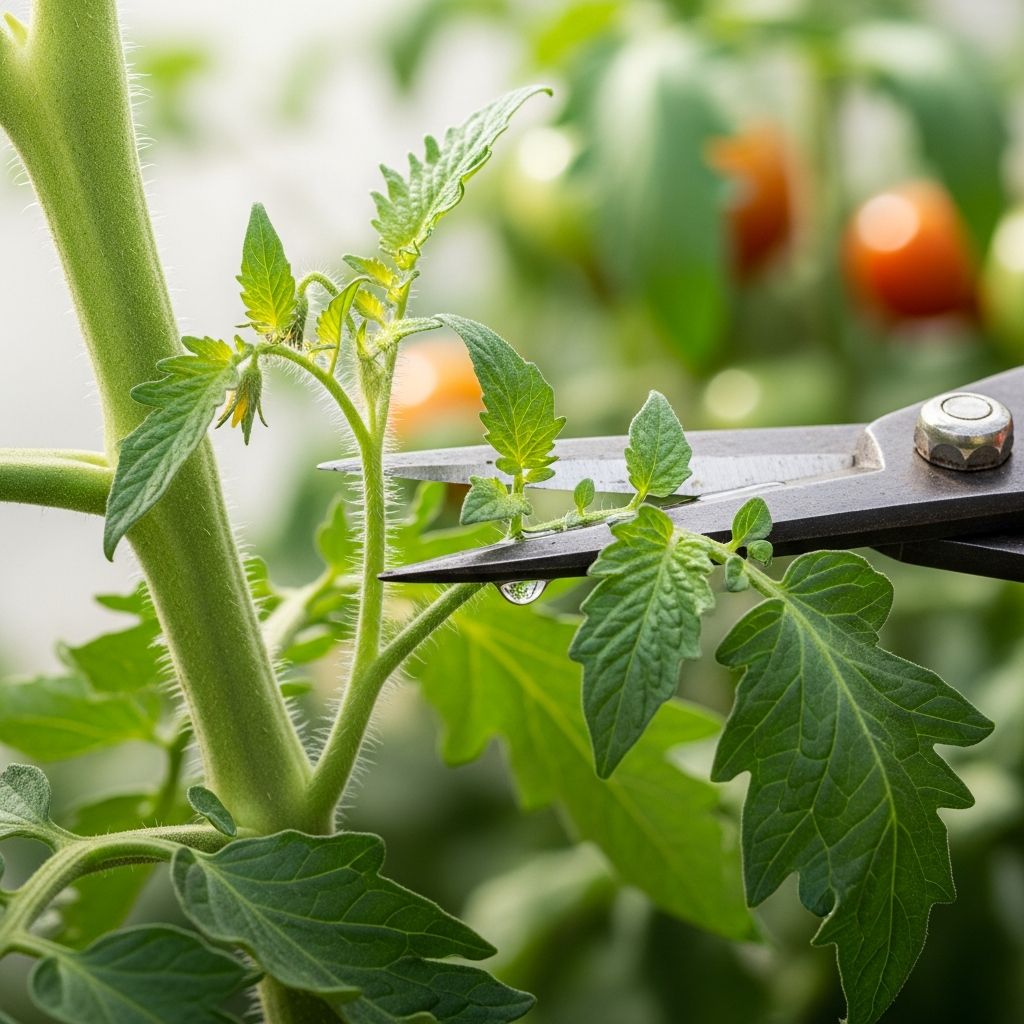
Mastering Tomato Pruning Techniques
Pruning tomato plants is a fundamental practice that enhances growth, increases fruit production, and minimizes disease risks by promoting better air circulation and sunlight exposure. This detailed guide explores the essentials of tomato pruning, tailored for both novice and experienced gardeners, drawing from proven horticultural methods to help you achieve thriving plants and bountiful harvests.
Understanding Tomato Plant Varieties and Pruning Needs
Tomato plants fall into two primary categories: determinate and indeterminate, each requiring distinct pruning approaches. Determinate varieties, often called bush tomatoes, grow to a compact size and produce fruit all at once, making minimal pruning ideal to preserve their natural structure. Indeterminate types, which vine endlessly, benefit from aggressive pruning to channel energy into fruit rather than excessive foliage.
Recognizing your plant’s type is crucial. Determinate plants set fruit in clusters along the stem and stop growing taller once mature. Indeterminate plants continue to elongate, producing flowers and fruit continuously throughout the season. Misidentifying them can lead to over-pruning, stunting growth in bush types, or under-pruning, causing overcrowding in vining ones.
Key Plant Anatomy for Effective Pruning
Before snipping, familiarize yourself with tomato anatomy. The main stem emerges from the soil and extends upward, featuring the primary growing point at its apex—never remove this to avoid halting vertical growth. Leaves attach along this stem, providing photosynthesis, while flower and fruit clusters form at intervals.
Suckers, the most critical targets, sprout in the axils where leaves meet the main stem. These shoots compete for nutrients, so timely removal directs energy to fruit development. Lower leaves near the soil are also candidates for removal to prevent soil-borne pathogens from splashing onto foliage during rain.
Essential Tools and Hygiene Practices
Sharp tools ensure clean cuts that heal quickly, reducing infection risks. Use bypass pruners like Felco models for larger suckers, or simply pinch small ones with sanitized fingers. A small knife works for precision.
- Finger pinching: Ideal for suckers under 1 inch; rub thumb and forefinger together near the base.
- Pruners or scissors: For bigger growths; sterilize with rubbing alcohol between plants and cuts.
- Gloves: Optional but recommended to avoid skin irritation from plant sap.
Hygiene is paramount. Decontaminate tools with alcohol for 30 seconds before and after each plant to curb fungal, bacterial, and viral spread. Wash hands frequently with soap and water.
Optimal Timing for Pruning Sessions
Begin pruning when the first flowers open, typically late June or early July in temperate climates. Repeat every 10-14 days, conducting 2-3 sessions as needed, but cease 1-2 weeks before harvest to build a protective canopy against sunscald.
For transplants, remove flowers at planting to prioritize root and leaf establishment. Monitor weekly, especially in the first six weeks, as suckers emerge rapidly. In cooler climates, prune more conservatively to retain some foliage for warmth.
Step-by-Step Pruning Guide for Determinate Tomatoes
Determinate plants need light touch to maintain their bushy form.
- Locate the first flower cluster near the base.
- Remove suckers below this cluster by pinching or cutting close to the stem.
- Avoid removing suckers above the first cluster to support overall fruiting.
- Strip lower leaves touching soil for airflow.
This method preserves energy for the single fruit set while preventing disease.
Advanced Pruning for Indeterminate Tomatoes
Indeterminate varieties thrive with single-stem training for maximum yield.
- Identify the lowest flower or fruit cluster; protect the sucker immediately below it if small.
- Eliminate all other suckers along the main stem, from base to top.
- Remove leaves on the bottom 12 inches of stem for better circulation.
- As plants grow, pinch the main stem tip (‘stopping’) when it nears support tops to focus on ripening fruit.
For explosive growth, selectively leave a few suckers, nipping their tips after the first truss to swell fruits without overcrowding.
Lower Leaf Management Strategies
Regularly strip leaves touching the ground or up to the first fruit truss. Bend leaves upward then downward for a clean snap at the natural joint, or slice close with a knife if stubborn. Continue removing as fruits ripen, a few weekly, to sustain airflow. This bares stems, deterring splash diseases like blight.
Pruning in Different Growing Environments
| Environment | Pruning Focus | Frequency | Notes |
|---|---|---|---|
| Greenhouse | Aggressive sucker removal; top stopping | Weekly | High humidity demands max airflow |
| Open Garden | Lower leaves + suckers | Every 10-14 days | Monitor for pests |
| Cool Climates | Conservative; retain some suckers | Bi-weekly | Foliage shades fruit |
| Warm Zones | Missouri pruning on suckers | As needed | Leave base leaflets vs sunscald |
Common Pruning Mistakes and Fixes
- Over-pruning determinates: Results in reduced yield; stick to basics.
- Cutting main stem: Kills growth; always trace to confirm sucker.
- Dirty tools: Spreads disease; sanitize religiously.
- Late stopping: Unripe top fruits; pinch early.
Fix by observing plant response: yellowing indicates excess removal; dense foliage signals need for more.
Benefits of Consistent Pruning
Pruned plants yield higher-quality fruit with fewer defects. Improved light penetration ripens tomatoes evenly, while airflow slashes disease incidence. Energy redirection swells fruits faster, often doubling harvests in cordon systems.
Frequently Asked Questions (FAQs)
What happens if I don’t prune my tomatoes?
Unpruned plants become bushy, reducing airflow and increasing disease risk, with energy spread thin across too many fruits.
Can I prune determinate tomatoes the same as indeterminate?
No; light pruning only for determinates to avoid stunting their compact growth.
When should I stop pruning?
1-2 weeks before first harvest to prevent sunscald on exposed fruits.
Is pruning necessary for all tomato varieties?
Essential for indeterminates; beneficial but minimal for determinates and beneficial for disease control in all.
How do I identify suckers easily?
Look in leaf axils on the main stem; they’re thinner shoots without flower clusters yet.
References
- Training & Pruning Tomatoes — Cornell Cooperative Extension. 2019. https://rvpadmin.cce.cornell.edu/uploads/doc_346.pdf
- Tomato Pruning — University of Wisconsin Horticulture. Accessed 2026. https://hort.extension.wisc.edu/articles/tomato-pruning/
- How to Prune Tomatoes for a Big Harvest — Bonnie Plants. Accessed 2026. https://bonnieplants.com/blogs/garden-fundamentals/how-to-prune-tomatoes
- How to Prune Tomato Plants For EXPLOSIVE Growth — GrowVeg. Accessed 2026. https://www.growveg.com/guides/how-to-prune-tomato-plants-for-explosive-growth-the-right-way/
- Here’s a Quick Way to Prune Indeterminate Tomato Plants — Creative Vegetable Gardener. Accessed 2026. https://www.creativevegetablegardener.com/pruning-indeterminate-tomatoes/
Similar Articles








Read full bio of Sneha Tete